
 Chandra Hamzah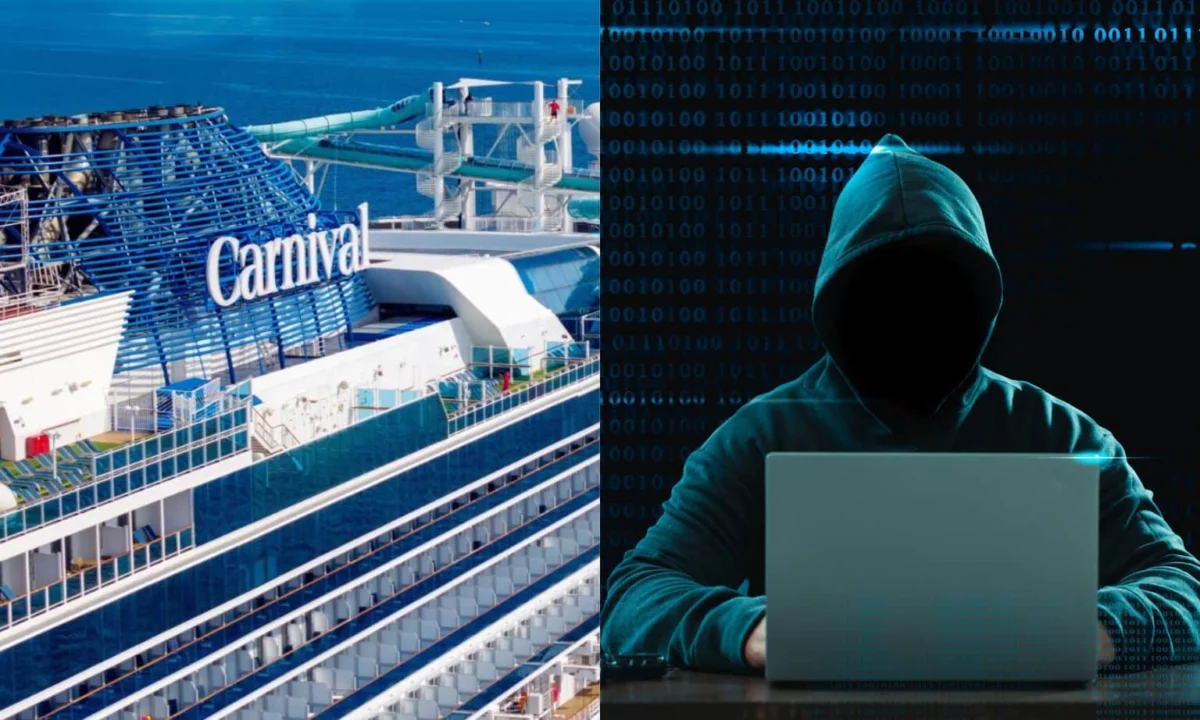
In a significant cybersecurity incident that has sent ripples through the global travel industry, Carnival Cruise Line has confirmed a data breach that potentially compromised the personal information of approximately six million customers worldwide. The incident, which came to light on April 14, has raised serious concerns about data privacy and security for millions of individuals, including a substantial number of Australians. While the full extent of the compromise is still being assessed, initial reports suggest that sensitive data, including names, email addresses, phone numbers, and official identification documents, may have been accessed by cybercriminals.
The breach was reportedly initiated through a social engineering attack targeting a single user account within Carnival’s IT system. This sophisticated tactic, often involving deceptive communication to trick individuals into revealing confidential information or granting access, allowed unauthorized access to a portion of the company’s network. Upon detection, Carnival states it immediately moved to block the malicious activity, engaged third-party cybersecurity experts, and alerted law enforcement agencies. A subsequent investigation by the cruise line confirmed that certain personal information had indeed been illegally accessed.
While Carnival has not yet released an official figure for the total number of affected individuals, a document originating from the office of the American Attorney General estimates the number to be around six million. This figure encompasses a broad spectrum of customers, and reports indicate that many Australians have received notifications from Carnival regarding the potential exposure of their data.
Adding a concerning dimension to the breach, a well-known cybercrime group, ShinyHunters, has reportedly claimed responsibility for the attack. ShinyHunters has a history of targeting large organizations and selling stolen data on the dark web, raising fears that the compromised information could be used for identity theft, fraud, and other malicious activities. The group’s alleged involvement underscores the sophisticated and organized nature of contemporary cyber threats.
In response to the incident, Carnival issued a statement acknowledging the breach and expressing regret for any concern caused. "In April, we identified unauthorised access to a limited part of our IT system caused by a social engineering attack on a single user account," the statement read. "We immediately blocked the activity, engaged third-party security experts and alerted law enforcement. Our investigation found certain personal information was illegally accessed. We’re notifying affected individuals and deeply regret any concern this causes. Protecting the privacy and security of personal data is a priority for us and we’ve added new layers of security and monitoring on top of the comprehensive protections already in place. We’ll also continue advancing our defenses against evolving threats."
A notable disparity in the company’s response has emerged concerning customer support. While American customers affected by the breach have been offered two years of free credit protection services, Australian cruisers have reportedly not received the same offering. This distinction has led to further frustration and concern among Australian consumers who are now facing potential risks without immediate compensatory measures from Carnival.
Carnival has advised all customers to remain vigilant against potential threats of identity theft or fraud and to contact law enforcement if they suspect their data is being misused. This advice, while standard in data breach scenarios, highlights the ongoing responsibility placed on individuals to safeguard their personal information in the wake of corporate security failures.
Timeline of the Breach
The timeline of the Carnival data breach, as pieced together from company statements and reports, provides a clearer picture of the events:
- Prior to April 14: The social engineering attack targeting a single Carnival user account likely commenced, leading to unauthorized access to a part of the company’s IT system. The exact duration of this initial access is not publicly specified.
- April 14: Carnival identified the unauthorized access within its IT systems. This date marks the company’s official detection of the cybersecurity incident.
- Immediately following April 14: Carnival states it took immediate action to block the malicious activity, engage third-party security experts to investigate the extent of the breach, and alert law enforcement agencies.
- Subsequent Investigations: The company’s internal investigation, supported by external experts, confirmed that certain personal information had been illegally accessed.
- Notification Period: Carnival began notifying affected individuals about the potential compromise of their data. This notification process is ongoing and has reached customers in multiple countries, including Australia.
- Reporting of Responsibility: The cybercrime group ShinyHunters reportedly claimed responsibility for the hack, although the veracity of such claims is often difficult to independently verify.
- US Attorney General’s Office Document: A document from the US Attorney General’s office emerged, estimating the number of affected individuals to be around six million. This figure has become a widely cited estimate of the breach’s scale.
Supporting Data and Broader Impact
The Carnival breach is not an isolated incident in the increasingly fraught landscape of cybersecurity. The travel and hospitality sector, with its vast repositories of personal and financial data, remains a prime target for cybercriminals. According to various cybersecurity reports, the average cost of a data breach in the travel industry can be significantly higher than in other sectors due to the sensitive nature of the information handled. For instance, IBM’s Cost of a Data Breach Report consistently highlights industries dealing with extensive personal data as facing the most substantial financial repercussions from breaches.
The types of data compromised in the Carnival breach – names, emails, phone numbers, and official identification documents – are highly valuable on the black market. This information can be used for a variety of illicit purposes, including:
- Identity Theft: Criminals can use stolen identities to open new credit accounts, file fraudulent tax returns, or obtain loans.
- Phishing and Spear-Phishing Attacks: With access to personal details, attackers can craft highly convincing and targeted phishing emails or messages, increasing the likelihood of further exploitation.
- Account Takeovers: Stolen credentials, combined with other personal information, can be used to gain access to other online accounts, such as banking, social media, or email.
- Fraudulent Transactions: Stolen passport or driver’s license information can be used in sophisticated fraud schemes, potentially involving the creation of fake documents.
The number of individuals affected, estimated at six million, places this breach among the larger data compromises in recent years. The sheer volume of data, combined with the sensitivity of the information, amplifies the potential for widespread harm.
Official Responses and Recommendations
The Australian government, through its Office of the Australian Information Commissioner (OAIC), provides guidance for individuals affected by data breaches. The OAIC emphasizes the importance of understanding the notification received and taking proactive steps to mitigate risks. Their guidelines for individuals include:
- Carefully read the notification: Understand what data was potentially exposed and the specific risks associated with it.
- Change passwords: For any online accounts that may have used similar credentials or were linked to the compromised information. It is crucial to use strong, unique passwords for each account.
- Enable multi-factor authentication (MFA): This adds an extra layer of security, requiring more than just a password to access an account. MFA, particularly phishing-resistant forms, is highly recommended.
- Monitor financial accounts and credit reports: Regularly check bank statements, credit card statements, and credit reports for any suspicious activity.
- Be wary of unsolicited communications: Scrutinize emails, phone calls, or text messages asking for personal information, as these could be phishing attempts.
- Report suspected identity theft: If you believe your identity has been compromised, report it to the police and relevant financial institutions immediately.
Ismael Valenzuela, Vice President of Threat Intelligence Research at Arctic Wolf, a cybersecurity firm, offered a stark assessment of the situation for those affected: "Anyone potentially impacted should assume elevated exposure, reset passwords, tokens, and API keys that could have been exposed, enable phishing-resistant multifactor authentication, and closely monitor for suspicious or unauthorized account activity. Data like this is often reused over time in targeted phishing, identity fraud, and broader social engineering campaigns." This advice underscores the long-term implications of such breaches, as the stolen data can be exploited repeatedly.
Broader Implications for the Travel Industry
The Carnival data breach serves as a potent reminder of the persistent and evolving threats faced by the global travel and hospitality sector. Cruise lines, airlines, hotel chains, and online travel agencies all handle vast quantities of sensitive customer data, making them attractive targets for cybercriminals.
The incident is likely to prompt increased scrutiny from regulators and consumers alike regarding data protection practices within the industry. Companies may face pressure to invest more heavily in cybersecurity infrastructure, implement more robust data anonymization techniques, and enhance their incident response capabilities. The differential treatment of Australian and American customers regarding credit protection also raises questions about corporate responsibility and the varying regulatory landscapes that global companies operate within.
Furthermore, the reputational damage from such a breach can be significant and long-lasting. Trust is a critical currency in the travel industry, and a major data security failure can erode customer confidence, leading to decreased bookings and loyalty. As consumers become increasingly aware of data privacy issues, companies that fail to adequately protect personal information risk facing not only financial penalties but also substantial harm to their brand image. The Carnival breach is a stark illustration of the challenges and risks inherent in managing vast amounts of personal data in an interconnected digital world.




 Anjar Salim
 Tatiana Tantri Indah Sari
 Budi Mulyono
