
 Lukman Taruna Persada Ramadan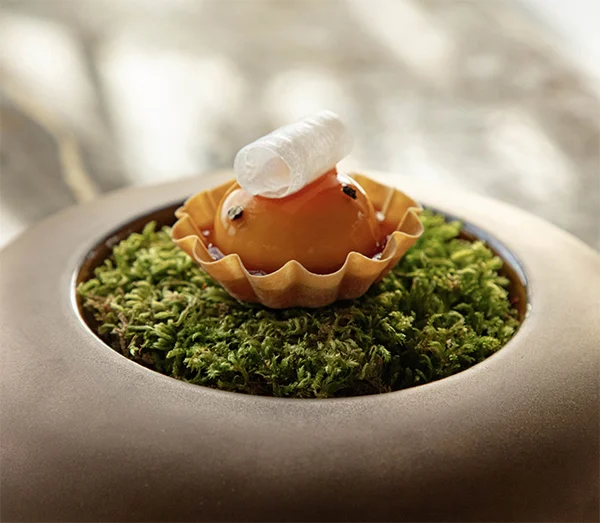
Perched majestically on the second level of the iconic Eiffel Tower, Le Jules Verne continues to captivate discerning diners with an unparalleled fusion of world-class gastronomy and breathtaking panoramic views of Paris. This esteemed establishment, a beacon of French culinary artistry, recently provided an indelible dining experience, marking a return for many to a cherished "bucket-list" destination. The restaurant’s contemporary glass-framed dining spaces offer an unobstructed vista of the City of Lights, transforming each meal into a symphony for the senses.
A Legacy of Culinary Innovation at a Landmark Location
The Eiffel Tower, inaugurated in 1889 for the World’s Fair, quickly became more than an architectural marvel; it evolved into a symbol of French ingenuity and a global tourist magnet, attracting nearly seven million visitors annually. From its earliest days, dining facilities were an integral part of the tower’s appeal, offering visitors a unique perspective on Paris while enjoying a meal. Le Jules Verne, named after the visionary French novelist whose works often explored the wonders of technology and exploration, embodies this spirit, blending innovation with tradition.
The restaurant’s history is marked by periods of significant culinary leadership. Notably, from 2007 until 2019, Le Jules Verne was helmed by the multi-Michelin-star chef Alain Ducasse. Ducasse, renowned for his minimalist approach and emphasis on authentic French flavors, elevated the restaurant’s global standing, earning it a Michelin star and solidifying its reputation as a temple of haute cuisine. His tenure was characterized by a meticulous dedication to sourcing the finest regional ingredients and crafting dishes that were both sophisticated and deeply rooted in French culinary heritage. Ducasse’s influence extended beyond the kitchen, shaping the entire guest experience to reflect a philosophy of understated luxury and impeccable service. The transition of leadership in 2019 saw a new chapter begin, with the culinary direction evolving while maintaining the restaurant’s commitment to excellence. Executive Chef Adrien Delcourt, now at the helm, is tasked with preserving the restaurant’s esteemed legacy while infusing it with his distinct creative vision. Delcourt’s approach is characterized by a respectful nod to French classics, reimagined with modern techniques and a focus on seasonality and ingredient purity, ensuring that Le Jules Verne remains at the forefront of contemporary French dining.
The Exclusive Arrival: A Seamless Ascent to Gastronomic Heights
The journey to Le Jules Verne is designed to be an integral part of the exclusive dining experience, setting a precedent for the luxury that awaits. Unlike the throngs of tourists queuing for the Eiffel Tower’s public elevators, guests of Le Jules Verne are afforded a privileged and private ascent. The experience commences at the tower’s south leg on Avenue Gustave Eiffel, where a formally dressed greeter confirms reservations, ushering guests through an elaborate double door. This initial interaction underscores the restaurant’s commitment to personalized service, ensuring a smooth transition from the bustling streets of Paris to the serene elegance of the dining room.
Inside the entry foyer, meticulously integrated into the Eiffel Tower’s iconic steel structure, a dedicated host accompanies guests to a private elevator. This discreet conveyance, exclusively for Le Jules Verne patrons, bypasses the public queues entirely, transporting diners directly to the second level. This strategic design choice not only enhances convenience but also cultivates an immediate sense of exclusivity and anticipation, distinguishing the Le Jules Verne experience from any other visit to the landmark. Upon arrival on the second floor, a retinue of staff, including an elevator operator, coat check attendant, and even a discreet madame in the ladies’ room, extends a warm, personalized welcome, each greeting reinforcing the meticulous attention to detail that defines the establishment. The final escort to the table is provided by the restaurant host, leading guests through the elegant dining spaces to a carefully appointed table, often boasting the coveted window views. Maître d’Hôtel M. Didier Gaufreteau and Master Sommelier Benjamin Roffet then extend their own greetings, with the latter often initiating the culinary journey with a recommendation such as the exquisite Champagne Tarlant, signaling the commencement of a truly magical meal orchestrated by Executive Chef Adrien Delcourt.
The Culinary Overture: A Symphony of Flavors and Textures

The meal at Le Jules Verne is not merely sustenance; it is a meticulously crafted narrative, a series of "still-life food portraits" that engage all senses, revealing new, creative, and often extraordinary flavors. The experience often begins with a coupe of Champagne, allowing guests a moment to absorb the breathtaking scenic vista before delving into the gastronomic delights.
The first act of this culinary drama frequently unfolds with an amuse-bouche, a delicate precursor designed to awaken the palate. A tartlet, featuring a creamy chestnut panna cotta juxtaposed with a rich Madeira wine glaze and studded with finely grated parmesan, offers a pleasing blend of sweet, savory, and umami notes. This small bite serves as an elegant introduction to Chef Delcourt’s philosophy—a balance of classic French ingredients with subtle contemporary twists.
Accompanying the initial courses, the bread service is a testament to the simplicity and perfection of French baking. A small boule, a crusty round loaf, is presented, precisely cut into quarters. This artisanal bread, with its crisp exterior and tender crumb, is served alongside a swirl of perfectly salted butter, highlighting the quality of fundamental ingredients. A second amuse-bouche further demonstrates the kitchen’s artistry: a tiny bowl filled with a verdant, frothy foam, its vibrant green hue derived from fresh parsley and chervil. This herbaceous cloud is crowned with a creamy, rich round of foie gras, delicately perched on a quarter-size melba toast crouton. The combination offers a play on textures—the airy foam, the silken foie gras, and the crisp toast—while delivering a depth of savory flavors.
Main Acts: Masterpieces of Seafood and Innovation
For the starter, the choice of crab often proves to be an exceptional selection, showcasing the chef’s ability to transform familiar ingredients into sophisticated creations. What arrives are two deep, white porcelain rounds, each containing a cold, ethereal Granny Smith apple-flavored emulsion. The crisp, slightly tart apple notes are delicately scented with tarragon, providing a fresh counterpoint to the generous, delicate flakes of crab meat that crowd the dish. This cold preparation is intelligently balanced by a small side dish: a hot, saffron-colored apple cider bisque, also brimming with succulent crab meat. This duality—cold and hot, fresh and rich—demonstrates a thoughtful approach to temperature and flavor contrasts, elevating the humble crab to a refined culinary experience.
The main course, frequently featuring langoustines, further illustrates the kitchen’s mastery of seafood. Two perfectly roasted langoustines are presented, perched gracefully upon a shimmering puddle of briny langoustine-parmesan cream, each adorned with a whisper of fragrant truffle. These crustaceans, larger than giant shrimp but more petite than lobster tails, are celebrated for their inherent sweetness and delicate texture. The culinary technique ensures they are cooked to perfection, retaining their natural succulence. The accompanying risotto dish offers an intriguing textural element, featuring silky pearls of tapioca rather than traditional rice, topped with a delicate sprinkle of seaweed powder. This innovative use of tapioca lends a unique, almost ethereal quality to the dish, while the seaweed powder provides a subtle hint of the ocean, complementing the langoustines without overpowering them. The careful plating and thoughtful composition of each element underscore the dish’s status as a culinary masterpiece.
The Interlude: Cheese and Palate Cleansers
In the tradition of haute gastronomy, the cheese course serves as a bridge between the savory main dishes and the sweet culmination of the meal. While not always included in the most basic à la carte offerings, observing it at a neighboring table reveals its meticulous presentation and quality. The cheese course at Le Jules Verne is a spectacle in itself, presented in an elegant three-tiered tower. Within this architectural display are individual brioches, perfectly baked and subtly sweet, designed to complement the rich flavors of the cheese. A highlight is often an aged Saint-Nectaire, a semi-hard, creamy cheese from the Auvergne region of France, here elevated with a generous topping of black truffle. This combination of earthy truffle and nutty, creamy cheese, paired with the soft brioche, offers a luxurious interlude that speaks to the depth and diversity of French terroir.
Following the cheese, or the main course for those not opting for the cheese interlude, come the pre-desserts—crucial elements in fine dining designed to cleanse the palate and prepare it for the forthcoming sweets. The first pre-dessert is typically a sorbet sphere, often accompanied by delicate dobs of prune purée. The tart, refreshing sorbet acts as an effective palate cleanser, resetting the taste buds and washing away the lingering savory notes. The second pre-dessert arrives on an elongated, raised oval plate, a visually stunning presentation featuring two tiny mignardises per person. These delicate bites, often topped with creamy rounds, can range in flavor, with one frequently offering an exotic fruit profile, hinting at the culinary journey’s sweet conclusion.

The Grand Finale: A Duo of Exquisite Desserts
The dessert course at Le Jules Verne is a grand finale, a testament to the pastry chef’s artistry and innovation. Guests are typically offered a choice, each a complex tapestry of flavors, textures, and visual appeal. The vanilla option, a perennial favorite, is often infused with subtle notes of coffee, creating a harmonious blend of richness and aroma. It arrives accompanied by a round, shortbread-like biscuit, providing a delightful textural contrast. The ginger-infused pineapple dessert offers a vibrant and refreshing alternative, with a delicate touch of coconut that transports the diner to more tropical climes. Both desserts are described as being intricately layered, featuring a sophisticated array of components such as foams, ice creams, meringues, mousses, and various whipped creams. The sheer complexity and deliciousness of these creations are such that one might find themselves thoroughly immersed, savoring each component without pausing for a detailed deconstruction—a true sign of a dessert that transcends analysis to deliver pure pleasure.
After the formal conclusion of the meal with coffee, Le Jules Verne extends a thoughtful farewell gesture, presenting guests with a parting gift. Inside an elegant envelope, a bar of custom-made Jules Verne dark chocolate serves as a sweet memento of the extraordinary experience, a tangible reminder of the gastronomic ascent.
The Economic and Cultural Implications of Luxury Dining
The investment in a meal at Le Jules Verne, with à la carte options starting at €180 (approximately $210, excluding wine and coffee) and tasting menus reaching €330, positions it firmly within the realm of luxury dining. This pricing reflects not only the exceptional quality of ingredients, the meticulous preparation by a highly skilled culinary team, and the unparalleled service but also the unique privilege of dining within one of the world’s most iconic landmarks. In 2023, the average cost of a fine dining experience in Paris, particularly for Michelin-starred establishments, often ranges from €150 to €400 per person, making Le Jules Verne competitive within this high-end segment, especially given its prime location.
Le Jules Verne plays a significant role in cementing Paris’s reputation as the global capital of gastronomy. It is more than just a restaurant; it is a cultural institution that blends culinary excellence with historical grandeur. For international travelers, particularly those seeking unique luxury experiences, dining at Le Jules Verne is often cited as a primary motivator for visiting Paris. This contributes substantially to the city’s tourism revenue, attracting a demographic willing to invest in high-end experiences. The restaurant also acts as a benchmark for culinary innovation, pushing the boundaries of traditional French cuisine while honoring its roots. Executive Chef Adrien Delcourt’s leadership ensures that the restaurant remains a dynamic force in the culinary landscape, continually evolving its offerings to meet and exceed the expectations of a sophisticated global clientele.
The entire experience, from the exclusive elevator ride to the farewell chocolate, is meticulously choreographed to deliver an unforgettable memory. It is a testament to the enduring appeal of French haute cuisine and the unique allure of the Eiffel Tower, proving that some experiences are indeed worth every euro, offering a blend of culinary artistry, impeccable service, and breathtaking views that define the pinnacle of Parisian luxury.
Contact Information:
Le Jules Verne
2nd Floor of Eiffel Tower
6 Avenue Gustave Eiffel
75007 Paris, France
tel +33 1 83 77 34 34
Website: restaurants-toureiffel.com/fr/restaurant-jules-verne.html


 Anjar Salim
 Chandra Hamzah
 Budi Mulyono

 Tatiana Tantri Indah Sari