
 Lukman Taruna Persada Ramadan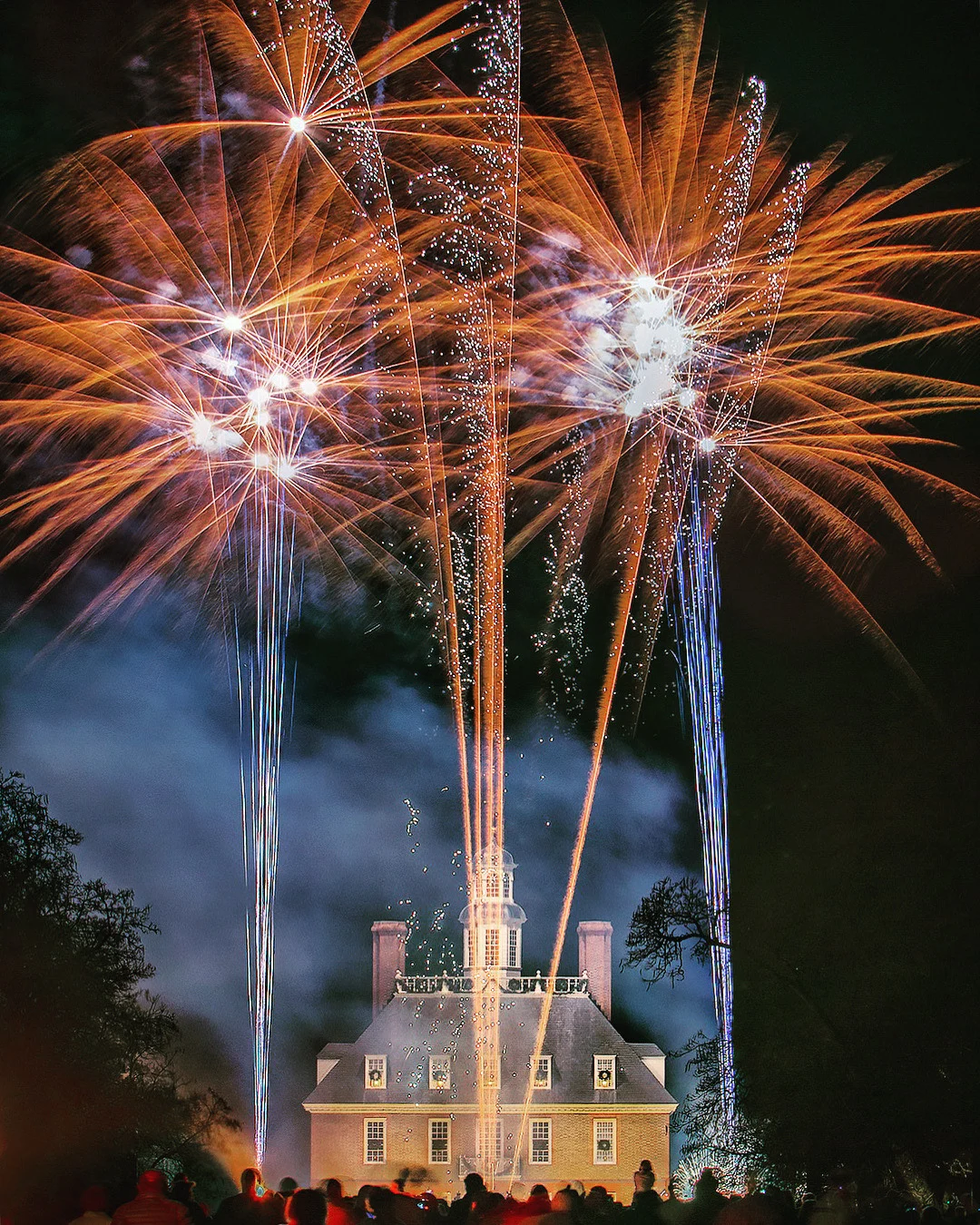
Long before the Statue of Liberty became a global beacon of immigration and decades prior to Washington, D.C., symbolizing democratic ideals, the nascent United States was shaped by 13 colonial capitals, each a crucible of the burgeoning nation. As the United States prepares to mark the 250th anniversary of the signing of the Declaration of Independence in 2026, a nationwide reflection on its foundational history is underway, spearheaded by special commemorations across the country. Among the most pivotal destinations for an immersive revolutionary experience, Williamsburg, Boston, and Philadelphia stand out as an unparalleled trifecta, offering visitors a profound connection to the events and figures that forged a nation.
The Semiquincentennial: A National Moment of Reflection
The 250th anniversary, or Semiquincentennial, of the United States is more than just a historical milestone; it is a profound opportunity for national introspection and celebration. Planning for this momentous occasion began years ago, with the establishment of America250, the official non-partisan initiative charged by Congress to envision and orchestrate observances that engage all Americans. The goal extends beyond mere commemoration, aiming to educate, inspire, and unite citizens by exploring the nation’s past, reflecting on its present, and imagining its future. From coast to coast, states and cities are developing programs, exhibitions, and events designed to highlight their unique contributions to the American story, ensuring that the legacy of 1776 resonates deeply in the 21st century. The economic impact of such a broad national celebration is anticipated to be substantial, with projections suggesting a significant boost to the tourism and hospitality sectors, particularly in historically rich regions. Experts predict millions of visitors will converge on these sites, generating billions in revenue and creating thousands of jobs.
Williamsburg, Virginia: Stepping Back into the 18th Century
Virginia, home to the first permanent English settlement at Jamestown and the decisive Revolutionary War victory at Yorktown, offers an unparalleled living history experience in Colonial Williamsburg. This meticulously restored 18th-century city vividly recreates the daily life and political ferment of the colonial era. The air hums with the clanging of blacksmiths’ hammers, the rhythmic clopping of horse-drawn carriages, and the focused intensity within glassblowing studios, providing a multisensory immersion into the past. As the world’s largest living history museum, Colonial Williamsburg continually evolves, and the lead-up to America’s 250th promises an intensified schedule of festivals, reenactments, and pyrotechnic displays.
For instance, the upcoming July Fourth celebrations in Williamsburg are set to be particularly grand, featuring the rousing cadence and vibrant colors of a fife and drum corps, public readings of the Declaration of Independence, and a spectacular red, white, and blue fireworks display illuminating the colonial skyline. These events are not just entertainment; they serve as educational portals, allowing visitors to witness the very traditions and expressions of patriotism that characterized the era.
Beyond the immediate celebrations, Williamsburg is enhancing its educational infrastructure. This April saw the opening of the Colin G. and Nancy N. Campbell Archaeology Center, a groundbreaking facility designed to make historical discovery more interactive and accessible. According to Jack Gary, the archaeology director, the center provides a holistic view of Williamsburg’s construction and ongoing evolution. "Williamsburg guests often get to see the excavation process, the stuff actually coming out of the ground, but until now they wouldn’t get to see what happens behind the scenes… what happens in our laboratory," Gary explained. New public archaeology labs and classrooms invite visitors to engage directly with unearthed artifacts, offering a hands-on understanding of how history is literally dug up and pieced together.

Ed Harris, president of Visit Williamsburg, emphasizes the broader educational philosophy driving these initiatives. "The nature of learning is immersive, hands-on and diverse. There’s only so much that can fit into a history book," Harris stated. "The archaeology center takes it to the next level and allows us to tell stories with a broader lens." This "broader lens" extends to exploring the lives of all early American inhabitants. The center’s exhibition spaces, beyond showcasing ceramics, glass, shells, and marbles that offer glimpses into early settlers’ diets, decorations, and leisure, also delve into their spiritual and intellectual lives. Crucially, Williamsburg continues its diligent research into the 1760 Williamsburg Bray School for free and enslaved Black children, and the African Baptist Meeting House and Burial Ground, the original site of the First Baptist Church, one of the nation’s earliest Black congregations. These efforts aim to present a more complete and inclusive narrative of the American founding, acknowledging the diverse experiences and contributions that shaped the nation.
Within the larger "Historic Triangle" of Virginia, Jamestown and Yorktown further enrich the historical pilgrimage. At Historic Jamestowne, visitors can journey back to 1607, thirteen years before the Pilgrims landed at Plymouth, Massachusetts. Here, interactions with Powhatan Indian interpreters provide crucial context on the indigenous perspective of early colonial encounters. Special events like Jamestown Day in May offer adventurers the unique opportunity to explore recreations of the three ships – the Susan Constant, Godspeed, and Discovery – that carried the first English colonists from England.
Yorktown, the site of the decisive 1781 siege that effectively ended the Revolutionary War, will also play a significant role in the Semiquincentennial. In June, Yorktown will be one of only five U.S. host cities for the Sail250 tall ships event. The Sail Yorktown Festival will feature an impressive fleet of historical wooden-masted sailing and military vessels, including a replica of the Godspeed, one of the original Jamestown settler ships. This maritime spectacle underscores the vital role naval power and transatlantic connections played in the nation’s founding and its ongoing relationship with the world.
Boston, Massachusetts: Birthplace of the Revolution
Boston, famously the starting point for Paul Revere’s legendary "One if by land, two if by sea" midnight ride, is gearing up for an equally historic 2026, with celebrations arriving by both land and sea. The very waters where colonists dramatically dumped tea into the harbor in 1773, igniting a spark that forever altered history, will once again welcome a stunning fleet of tall ships. This maritime parade, timed back-to-back with Independence Day celebrations, will feature dozens of international vessels, including the Massachusetts-ported Mayflower II, offering guests tours aboard these majestic ships before culminating in a massive fireworks display over Boston Harbor.
Boston is no stranger to grand patriotic displays. For over five decades, the city has hosted the Boston Pops Fireworks Spectacular, a free outdoor orchestral extravaganza on the Charles River Esplanade. This beloved tradition sees the sky ablaze with fire and sizzle following a booming canon chorus during Tchaikovsky’s "1812 Overture," a powerful aural and visual tribute to American independence. Dave O’Donnell, vice president of Strategic Communications for the Greater Boston Convention & Visitors Bureau, encapsulates the city’s unique position. "Boston is renowned as the ‘Birthplace of the Revolution’ – and for the Pops – so there’s really not a better way to spend July Fourth," O’Donnell remarked. "But in reality, there’s so much to do in the city and beyond all year long."
Indeed, the revolutionary spirit extends beyond Boston’s immediate confines. Neighboring communities like Concord have already begun teeing up enthusiasm for 2026. In 1775, Concord was the site where the "Shot Heard ‘Round the World" was fired, marking the beginning of the American War for Independence. A 2025 costumed reenactment of this pivotal salvo drew an estimated 40,000 visitors, highlighting the enduring public interest in these foundational events. Beth Williams, tourism manager for the Town of Concord, noted a significant uptake in a new "Patriots of Color" experience, which became Concord’s most booked historical tour this year. This initiative reflects a growing national commitment to exploring the diverse narratives of the Revolution, including the often-overlooked contributions of African Americans and Native Americans.
Beyond its historical gravitas, Massachusetts is also poised to host a major global event in 2026: several FIFA World Cup matches at Gillette Stadium in Foxborough from June through July. The home of the New England Patriots football and New England Revolution soccer teams, Gillette Stadium is one of only eleven U.S. hubs chosen for these coveted hosting opportunities. O’Donnell sees this as a testament to Massachusetts’ broader appeal. "Soccer fans are so passionate about their teams, and fandom is in many respects related to identity," he commented. "It’s so exciting because there are very few places in the U.S. that match how strongly the concept of American identity and freedom are linked than this state." This confluence of historical commemoration and international sporting events underscores Massachusetts’ role as a vibrant, multifaceted destination.

Philadelphia, Pennsylvania: The Cradle of Liberty
When historian and author David Kurlander is asked for top U.S. destinations, Philadelphia "100 percent is at the top of the list." As the site where the Declaration of Independence and the U.S. Constitution were debated, drafted, and ultimately signed, Philadelphia’s place in American history is unparalleled. "Independence Hall, the Liberty Bell, historic houses like Betsy Ross’ – all tell the early history of this country. This is the place where the Declaration of Independence and Constitution were debated and where the Declaration was ultimately signed," Kurlander explained. These iconic landmarks are not merely tourist attractions; they are sacred grounds where the very principles of American self-governance were articulated.
In anticipation of America’s 250th, the National Constitution Center in Philadelphia will unveil two new galleries in 2026. These permanent exhibits will delve into the critical concept of the separation of powers and feature an "America’s Founding Gallery," which will proudly display one of the mere fourteen original copies of the U.S. Constitution. These additions will provide invaluable educational resources, allowing visitors to engage directly with the foundational documents and principles of American democracy.
Beyond its monumental historical sites, Philadelphia is embracing its diverse contemporary identity. This year, the city launched a new "City of Neighborhoods" tour series, designed to spotlight the vibrant arts scene of Fishtown, the renowned culinary landscape of East Passyunk, and the colorful Gayborhood in Midtown Village. This initiative reflects Philadelphia’s enduring commitment to the concept of "brotherly love," derived from the Greek phileo (love) and adelphos (brother), upon which the city was founded. Kurlander notes that this spirit of inclusivity and welcome has manifested into an epic stretch of celebrations.
The city’s welcoming celebrations kick off with Pride Month in June, seamlessly roll into Juneteenth mid-month, and then accelerate into ultimate high gear with the Welcome America Festival. This is no mere single-day event; it is a sixteen-day extravaganza featuring street parties, free concerts, and complimentary museum celebrations. The festival culminates in a gigantic July Fourth parade and a breathtaking fireworks display launched above one of the city’s most iconic modern sites: the Philadelphia Art Museum, famously immortalized by Rocky Balboa’s triumphant run up its steps. This blend of historical reverence and contemporary festivity underscores Philadelphia’s dynamic character.
Broader Impact and Implications
As these three pivotal cities—Williamsburg, Boston, and Philadelphia—prepare for the nation’s Semiquincentennial, their efforts collectively highlight the multifaceted nature of American history. The enriched narratives, interactive exhibits, and grand celebrations serve several critical functions. Firstly, they are powerful engines for economic development, drawing tourists and investment to their respective regions. Secondly, they represent a renewed commitment to historical education, making the past tangible and relevant for new generations. The emphasis on inclusive histories, as seen in Williamsburg’s focus on the Bray School and Boston’s "Patriots of Color" tours, reflects a national dialogue about acknowledging all voices in the American story.
The Semiquincentennial is more than just an anniversary; it is a moment for collective reflection on the enduring ideals of liberty, democracy, and the pursuit of a more perfect union. By revisiting the places where these ideals were first articulated, debated, and fought for, Americans and international visitors alike can gain a deeper appreciation for the journey the nation has undertaken and the challenges that lie ahead. The 250th anniversary offers a unique opportunity to connect with the past, understand the present, and inspire a future shaped by informed citizenship and shared purpose. These three colonial capitals, vibrant with history and forward-looking in their commemorations, stand ready to guide that journey.


 Anjar Salim
 Chandra Hamzah
 Gabriela Annisa
 Susilo Edi Turonggo
 Tatiana Tantri Indah Sari
 Hendra Ismail