
 Susilo Edi Turonggo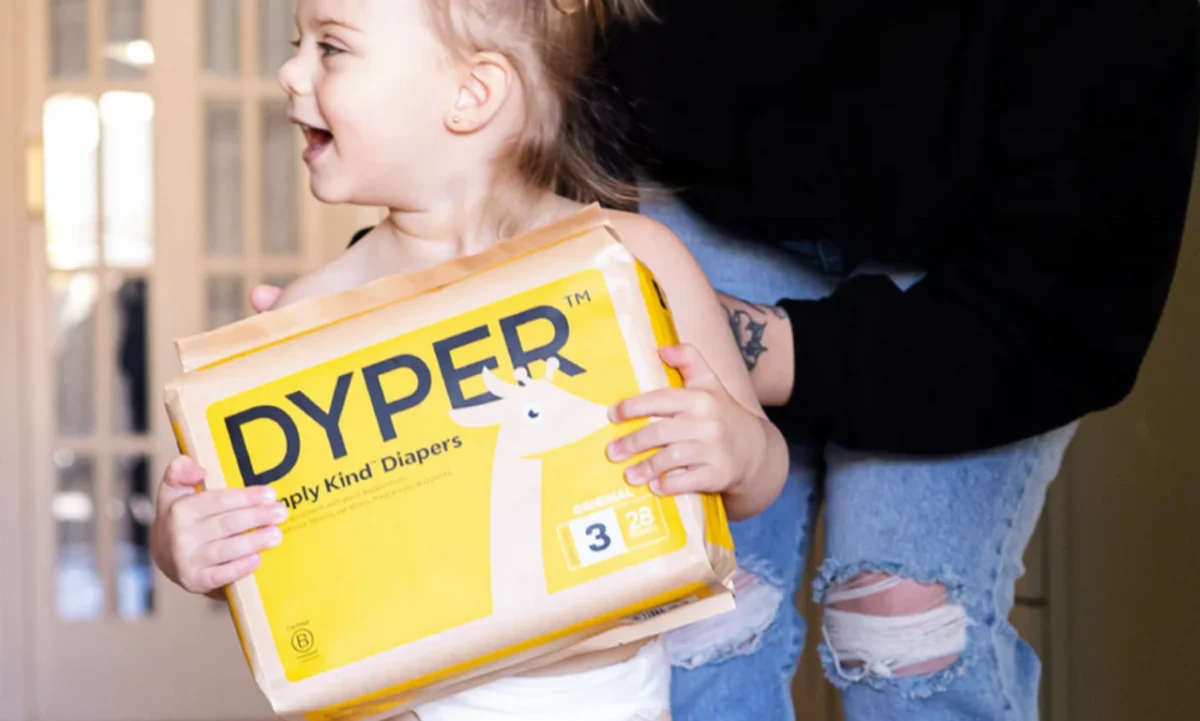
The challenge of infant care extends far beyond sleepless nights and feeding schedules, encompassing a significant environmental and public health dilemma: diaper waste. Babies, in their first two years of life alone, are estimated to use approximately 6,000 disposable diapers. This staggering figure translates into billions of diapers annually contributing to overflowing landfills, posing a monumental challenge for waste management systems globally. While reusable cloth diapers present an alternative, their demanding washing routines and initial investment often render them impractical for the realities of modern, busy parents, leaving many feeling trapped between convenience and environmental consciousness.
The Diaper Dilemma: A Mounting Waste Crisis
The scale of disposable diaper waste is truly immense. In the United States alone, an estimated 20 billion disposable diapers are discarded each year, forming a substantial portion of non-biodegradable municipal solid waste. These conventional diapers, predominantly constructed from plastics, super-absorbent polymers, and wood pulp, can take anywhere from 250 to 500 years to decompose in a landfill. During this protracted decomposition period, they release methane, a potent greenhouse gas, as well as leach various chemicals into the soil and groundwater. The sheer volume also places immense pressure on landfill capacity, necessitating the continuous expansion of waste sites and the associated environmental impacts of land use and transportation. Beyond the immediate waste problem, the production of these diapers is resource-intensive, requiring significant amounts of crude oil for plastics and timber for pulp, often involving processes that contribute to deforestation and chemical pollution.
Beyond the Bin: Unpacking the Health Concerns
The environmental footprint of traditional disposable diapers is paralleled by significant health concerns directly impacting infants. The composition of many conventional single-use diapers is a veritable cocktail of synthetic materials and chemicals, many of which are not transparently disclosed. Components such as plastics, synthetic fragrances, chlorine-bleached wood pulp, phthalates, parabens, and volatile organic compounds (VOCs) are commonly found.
Numerous studies and health advocates have raised alarms about the potential health implications of prolonged skin contact with these substances. Phthalates, for instance, are known endocrine-disrupting chemicals that have been linked to reproductive disorders and developmental issues. Parabens, another class of preservatives, have also been implicated in hormonal imbalances. Synthetic fragrances, often added to mask odors, can contain hundreds of undisclosed chemicals, many of which are common allergens and irritants, potentially leading to acute skin rashes, eczema, and respiratory issues in sensitive infants. Dioxins, by-products of chlorine bleaching often used in pulp processing, are classified as probable human carcinogens and endocrine disruptors. The lack of stringent regulation for diaper ingredients exacerbates these concerns; unlike many other consumer products, the U.S. Consumer Product Safety Commission (CPSC) historically requires only lead testing for diapers, leaving a vast array of other potentially harmful chemicals unchecked and undisclosed. This regulatory loophole means parents are often unaware of the full chemical exposure their infants experience daily.
The Genesis of a Solution: Dyper’s Inception Story
It was this dual crisis—the overwhelming environmental burden and the underlying health risks—that spurred Tony Patron, founder of REDYPER™ and Dyper, into action. A new father himself, Patron, along with his business partner, experienced firsthand the weekly ritual of overflowing trash bins dominated by plastic diapers. This everyday observation served as a potent catalyst, igniting a realization that the status quo was unsustainable and unacceptable. Patron, an engineer by profession, was uniquely positioned to approach this problem with an innovative, solution-oriented mindset.
His journey began with an exploration of existing alternatives and potential partnerships. Initially seeking collaboration with a company already manufacturing compostable diapers, the synergy of their shared vision eventually led to a merger. This pivotal moment marked the official birth of Dyper, a company founded on the ambitious principle of developing a diaper that was not only safe and high-performing but also genuinely non-toxic and environmentally responsible. The core mission was clear: to create a disposable diaper that mitigated both household waste and the broader environmental impact, without compromising on quality or convenience for parents.

Innovation at Its Core: Engineering a Better Diaper
From its inception, Dyper committed to a rigorous approach to product development, prioritizing material science and transparent sourcing. The company’s product team embarked on a diligent process to ensure that nearly all components of their diapers are biodegradable. While some advanced technologies, such as certain types of Velcro, are not yet available in fully biodegradable forms, Dyper continuously seeks to maximize the biodegradability of its products.
A cornerstone of Dyper’s innovation lies in its choice of raw materials. The brand primarily utilizes plant-based resources, specifically US-grown FSC-certified bamboo and eucalyptus fibers. The viscose bamboo used in their products is sourced from Oeko-Tex certified suppliers, guaranteeing that it is free from harmful substances. To foster complete transparency, Dyper meticulously labels each layer of its diapers with specific component details, empowering conscious parents with full knowledge of what touches their baby’s skin. This commitment to natural, sustainably sourced ingredients has earned Dyper impressive certifications, including being a Certified USDA BioPreferred 55% Product for its diapers and a Certified USDA BioPreferred 95% Product for its wipes, underscoring their significant plant-based content.
Beyond ingredient sourcing, Dyper also prioritizes product safety and performance. Their diapers meet stringent Oeko-Tex standards, and the company recently achieved the highly regarded DermaTest 5-Star Certification. This certification is a robust guarantee that Dyper diapers are rigorously tested and proven not to cause any skin reactions, providing crucial reassurance for parents concerned about their baby’s delicate skin and susceptibility to rashes. Furthermore, Dyper routinely employs third-party laboratories to conduct independent testing, verifying the non-toxic nature and compostability of their products, thus reinforcing their claims with credible scientific validation.
The "Plants Over Plastic" Philosophy
At the heart of Dyper’s brand identity and operational ethos is its guiding principle: "plants over plastic for happy babies." This philosophy permeates every aspect of their product design and manufacturing. By meticulously selecting plant-based materials and intentionally excluding harmful chemical additives, Dyper has successfully engineered diapers that are free from a comprehensive list of concerning substances typically found in conventional supermarket brands. This includes phthalates, latex, parabens, chlorine, alcohol, and synthetic perfumes—all common irritants and potential health hazards.
The natural fibers of bamboo and eucalyptus are inherently gentler on an infant’s sensitive skin, significantly reducing the risk of irritation, redness, and diaper rash. This focus on natural materials not only benefits the baby but also ensures that the raw materials are responsibly sourced, adhering to sustainable forestry practices and ethical supply chains. Dyper’s commitment extends beyond the diaper itself; their "plants over plastic" philosophy is also reflected in their packaging choices, utilizing sustainable materials wherever possible to minimize their overall environmental footprint.
Critically, Dyper has proven that sustainability does not necessitate a compromise on functionality. Their plant-based diapers are engineered for high performance, designed to be as absorbent and leak-proof as conventional options. This ensures that while parents are making an environmentally responsible choice, they are not sacrificing the practical necessities of effective diapering, such as preventing leaks and maintaining a dry, comfortable environment for their baby.
Closing the Loop: The REDYPER Composting Program
Recognizing that even biodegradable products require a proper end-of-life solution, Dyper introduced its groundbreaking REDYPER™ program. This optional service is designed to close the loop on diaper waste, offering a convenient and effective way for used Dyper products to be diverted from landfills and commercially composted. Depending on availability in specific states and regions, the program offers subscription-based or one-time purchasing options for diapers and wipes, complemented by a unique weekly or biweekly pickup service for used items.
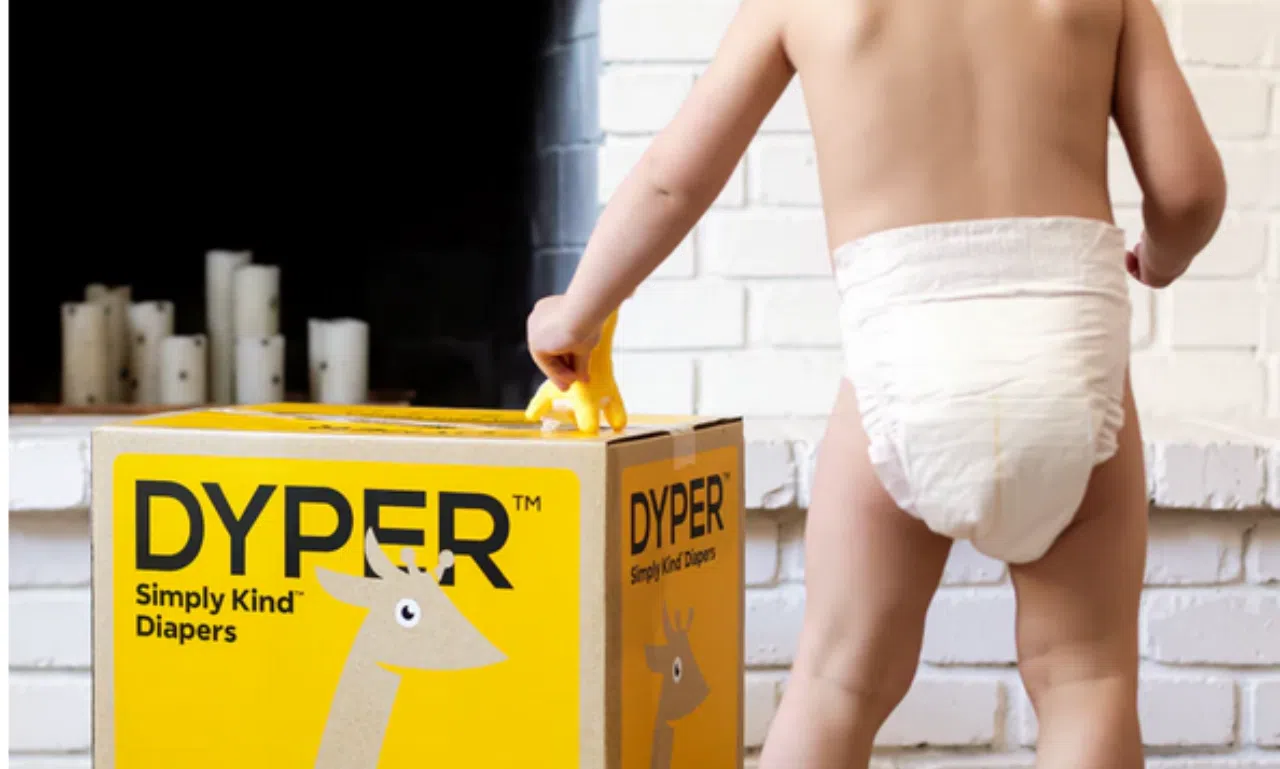
Once collected, the used diapers and wipes are transported to regional composting facilities that partner with Dyper. These industrial composting operations are equipped to process the plant-based materials at higher temperatures and under controlled conditions, facilitating their breakdown within a relatively short timeframe, typically 14 to 16 weeks. It is important to note that while the vast majority of Dyper’s materials are compostable, certain components, like the non-biodegradable Velcro tabs, are removed from the compost stream and disposed of through conventional means. Furthermore, the program manages the composting of human waste within the diapers, a critical aspect that differentiates industrial composting from typical home composting, which cannot safely process pathogens.
The impact of the REDYPER program has been substantial. As of today, it has successfully diverted over 14 million pounds of waste from landfills, a testament to the program’s efficacy and the growing demand for truly sustainable waste management solutions for baby products. This initiative not only reduces landfill burden but also contributes to the creation of nutrient-rich compost, supporting soil health and agricultural practices.
Addressing Parental Needs: Convenience Meets Consciousness
Dyper’s comprehensive approach demonstrates a profound understanding of the modern parent’s dilemma: the desire for sustainable choices often clashes with the demands of time and convenience. By offering high-performing, plant-based disposable diapers combined with an optional, convenient composting service, Dyper effectively bridges this gap. Parents no longer have to choose between functional diapers that prevent leaks and rashes and environmentally responsible ones. The subscription model further enhances convenience, ensuring a steady supply of diapers delivered directly to the doorstep, eliminating last-minute store runs.
This integration of performance, health safety, environmental responsibility, and convenience positions Dyper as a leader in a new generation of baby care products. It empowers parents to make choices that align with their values without adding undue burden to their already demanding lives. The brand’s transparent communication about its materials, certifications, and waste diversion efforts also builds trust, allowing parents to feel confident in their purchase.
The Broader Impact and Future Outlook
Dyper’s emergence signifies more than just a new product on the market; it represents a significant push for change within the entrenched disposable diaper industry. By demonstrating the viability of plant-based, non-toxic, and compostable alternatives at scale, Dyper is setting new benchmarks for environmental and health standards. This disruption encourages other manufacturers to re-evaluate their materials, processes, and end-of-life solutions, fostering a broader shift towards more sustainable practices across the sector.
The success of the REDYPER program also highlights the potential for circular economy models in challenging waste streams. While the logistical complexities of collecting and industrially composting used diapers are considerable, Dyper’s achievements showcase that such initiatives are not only possible but also increasingly desired by consumers. Challenges remain, particularly in expanding composting infrastructure and ensuring widespread accessibility of collection services across diverse geographic regions. However, Dyper’s pioneering efforts serve as a compelling case study, potentially influencing future policy decisions, investment in composting facilities, and consumer education regarding waste segregation and disposal.
Ultimately, Dyper is not just offering a diaper; it is offering a commitment—a commitment to infant health, environmental stewardship, and a more sustainable future for the next generation. By providing a high-performing product coupled with an innovative waste management solution, Dyper is charting a new course for baby care, proving that convenience, health, and ecological responsibility can, and should, go hand-in-hand. Their continued growth and impact underscore a growing global consciousness, where consumers are increasingly demanding products that reflect a deeper respect for both personal well-being and planetary health.



 Anjar Salim
 Chandra Hamzah
 Budi Mulyono


 Tatiana Tantri Indah Sari