
 Susilo Edi Turonggo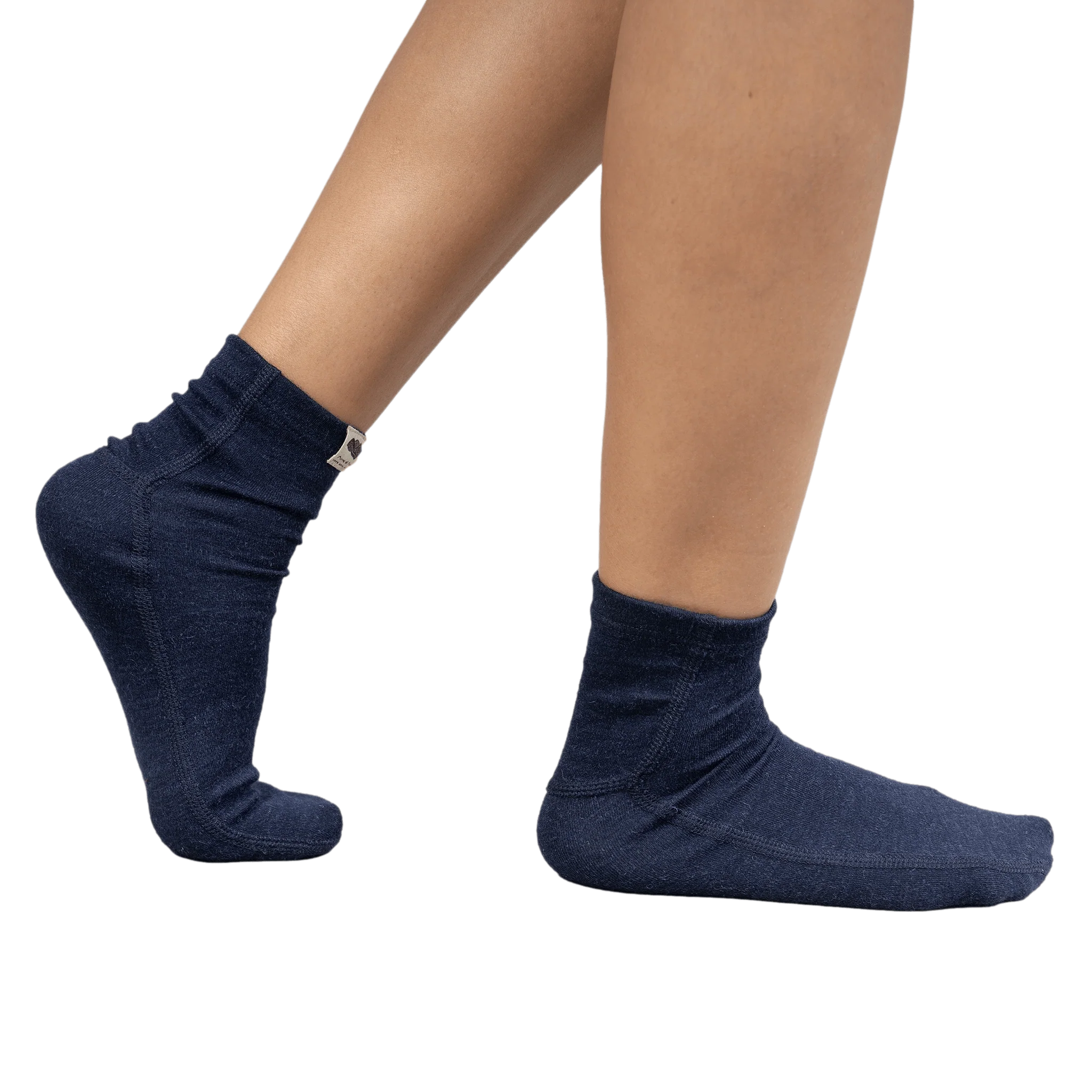
The seemingly innocuous sock, often relegated to an afterthought in wardrobe choices, plays a critical role in daily comfort and, increasingly, in personal health and environmental sustainability. While many consumers focus on outerwear, the intimate contact of socks with skin for extended periods makes their material composition and dye safety paramount. Recent awareness campaigns and scientific studies highlight the potential health risks associated with conventional synthetic socks and their chemical treatments, urging a shift towards more natural, non-toxic alternatives.
The Unseen Risks: Harmful Chemicals in Conventional Socks
For decades, the textile industry has relied heavily on synthetic fibers and a vast array of chemical dyes and finishes to produce clothing, including socks. While these innovations have brought benefits like elasticity, vibrant colors, and durability, they have also introduced a hidden lexicon of health and environmental hazards. A primary concern stems from plastic-based socks, typically made from polyester, nylon, or acrylic. Beyond their tendency to trap moisture and odors, creating an environment conducive to bacterial growth and discomfort, these materials are often treated with dyes that pose significant health risks.
Azo-benzene disperse dyes, commonly used on polyester and other synthetic fabrics to achieve bright, lasting colors, are a particular point of concern. These compounds are recognized as known skin sensitizers, meaning they can trigger allergic reactions such as contact dermatitis, characterized by itching, redness, and irritation. For individuals with sensitive skin, this can manifest as chronic discomfort and even eczema flare-ups. More alarmingly, scientific research, including studies referenced by reputable sources, indicates that certain azo dyes can be carcinogenic when absorbed through the skin. This risk is exacerbated in socks, where sweat acts as a solvent, accelerating the migration of these chemicals from the fabric into the skin. The warmth and moisture within footwear create an optimal environment for chemical absorption, making the choice of sock material and dye especially critical.
Beyond the immediate health risks, the production and disposal of synthetic fibers and chemically intensive dyes contribute significantly to environmental degradation. The manufacturing processes consume vast amounts of water and energy, often releasing untreated wastewater laden with hazardous chemicals into ecosystems. Furthermore, synthetic fibers are a major source of microplastic pollution, shedding tiny plastic particles with every wash, which then enter waterways and food chains, posing long-term ecological threats.
The Solution: Embracing Natural Fibers and Safe Practices
Recognizing these challenges, a growing segment of the textile industry is pivoting towards solutions that prioritize both human health and planetary well-being. The core of this movement lies in the adoption of natural fibers and the implementation of non-toxic dyeing and finishing processes. Switching to certifiably safe socks does not, however, necessitate a compromise on style or variety; an increasing number of brands are offering diverse options, from undyed minimalist designs to vibrant, patterned socks, all while adhering to stringent safety standards.
Key Pillars of Non-Toxic and Sustainable Sock Production:
-
Natural Materials: The Foundation of Foot Comfort and Health
The most fundamental step towards non-toxic socks is the selection of 100% natural fibers. For individuals with sensitivities to synthetics or pre-existing skin conditions, these materials offer unparalleled breathability and reduced irritation. While a small amount of elastane is often incorporated into socks for stretch and shape retention, making truly 100% synthetic-free socks rare, pioneering brands like Cottonique and Arms of Andes have successfully innovated to produce completely pure natural fiber options. For most consumers, a high percentage of natural fibers with minimal synthetics is a significant improvement.-
Merino and Alpaca Wool: These luxurious natural fibers are exceptional choices for socks due to their inherent properties. They are naturally odor-resistant, thanks to their complex protein structure that traps odor-causing bacteria, and highly moisture-wicking, pulling sweat away from the skin to keep feet dry and comfortable in various climates. From an ethical standpoint, the Responsible Wool Standard (RWS) certification is crucial. RWS ensures that sheep are treated humanely, prohibiting practices like mulesing—a painful surgical procedure—and guaranteeing responsible land management. Alpaca wool, known for its incredible softness and warmth without the itchiness often associated with some wools, is harvested from free-roaming alpacas, often supporting indigenous communities.
-
Organic Cotton: A perennial favorite for its softness, breathability, and absorbency, organic cotton stands apart from conventional cotton. It is grown without synthetic pesticides, herbicides, or genetically modified organisms (GMOs), significantly reducing its environmental footprint and eliminating chemical residues that could irritate sensitive skin. Certifications like the Global Organic Textile Standard (GOTS) provide comprehensive assurance, covering not only the organic status of the fibers but also ecological and social criteria throughout the supply chain.
-
Tencel (Lyocell): Derived from sustainably sourced wood pulp, primarily eucalyptus, Tencel is a cellulosic fiber known for its exceptional softness, strength, and moisture management properties. Its closed-loop production process, which recycles up to 99% of water and solvents, makes it an environmentally responsible choice. Tencel’s smooth surface is gentle on the skin, making it an excellent option for those prone to irritation.
-
Linen: One of the oldest cultivated fibers, linen, derived from the flax plant, is prized for its strength, breathability, and natural cooling properties. It becomes softer with each wash and is inherently antimicrobial and hypoallergenic. Linen production generally requires less water and fewer pesticides than cotton, making it a sustainable choice, especially when organically grown.
-
Bamboo Viscose: While bamboo itself is a highly sustainable plant, the process of converting it into a soft textile fiber (viscose or rayon) can be chemical-intensive. However, when produced responsibly with closed-loop systems, bamboo viscose offers incredible softness, breathability, and moisture-wicking capabilities. Consumers should look for certifications that ensure responsible processing and chemical management.
For consumers who are not highly sensitive to synthetics, blends incorporating recycled materials like nylon and polyester can offer enhanced durability and performance. However, experts generally recommend opting for socks with a majority of natural fibers to maximize comfort, breathability, and minimize potential irritants and microplastic shedding.
-
-
Non-Toxic Dyes & Finishes: Color Without Compromise
The vibrant world of textile dyes has long been a source of concern due to the use of heavy metals, formaldehyde, and other toxic chemicals. The movement towards non-toxic socks places a strong emphasis on dyes and finishes that are safe for both the wearer and the environment.-
Undyed Options: For those with extreme sensitivities or a preference for minimalist aesthetics, many brands now offer undyed socks that celebrate the natural hues of the fibers—from the creamy white of organic cotton to the earthy tones of alpaca wool. These options eliminate any potential chemical exposure from dyes.
-
Certified Dyes: For dyed socks, rigorous certifications provide assurance of safety. Oeko-Tex Standard 100 is a globally recognized certification system that tests textiles for harmful substances at every stage of production. Products certified with Oeko-Tex are guaranteed to be free from dangerous levels of substances like heavy metals, pesticides, and certain azo dyes. Similarly, bluesign certification goes a step further, focusing on sustainable production processes, ensuring that dyes and finishes used minimize environmental impact and are safe for workers and consumers. Brands that implement a Restricted Substances List (RSL) demonstrate a proactive commitment to chemical management, meticulously vetting all inputs to their products.
-
-
Traceable & Ethical Supply Chains: Beyond the Fabric
The journey of a sock from raw fiber to finished product involves numerous stages and countless hands. An ethical and transparent supply chain ensures that every individual involved is treated fairly and that environmental standards are upheld.-
Transparency: Brands committed to ethical practices openly share information about their supply chain partners, including the locations of farms, spinning mills, dyeing facilities, and manufacturing plants. This level of transparency allows consumers to make informed choices and holds brands accountable.
-
Certifications: Beyond transparency, third-party certifications provide independent verification of ethical conduct. Fair Trade certification guarantees fair wages, safe working conditions, and community development initiatives for farmers and factory workers. WRAP (Worldwide Responsible Accredited Production) certification focuses on ethical manufacturing, ensuring compliance with labor laws, health and safety standards, and environmental regulations. B Corp certification signifies that a company meets rigorous standards of social and environmental performance, accountability, and transparency, considering the impact of its decisions on workers, customers, suppliers, community, and the environment.
-
-
Sustainable Packaging: Completing the Eco-Conscious Cycle
Even small items like socks can contribute to waste if packaged irresponsibly. Sustainable packaging is an integral part of a brand’s commitment to environmental stewardship. Consumers should look for brands that utilize:- Compostable or Biodegradable Packaging: Materials that break down naturally in soil or compost facilities, returning nutrients to the earth.
- Recycled and Recyclable Materials: Packaging made from post-consumer waste and designed to be easily recycled after use, minimizing virgin resource consumption.
- Forest Stewardship Council (FSC) Certification: For paper and cardboard packaging, FSC certification ensures that the materials come from responsibly managed forests, promoting sustainable forestry practices and protecting biodiversity.
Leading the Charge: Brands Championing Non-Toxic and Sustainable Socks
The market for non-toxic and sustainable socks is expanding, with several brands distinguishing themselves through their commitment to responsible practices:
-
Harvest & Mill: A leader in transparency and localized production, Harvest & Mill offers dye-free organic cotton socks in natural colors. Their commitment to a shortened supply chain sees cotton grown, spun, and knit entirely in the U.S., supporting domestic farmers and reducing transportation emissions. The brand also focuses on circularity, repurposing or recycling all fabric scraps and utilizing compostable packaging. Testers laud their dye-free crew socks for being super cozy, breathable, and lightweight, providing ample ankle protection without restrictive cuffs.
- Price Range: $11-$12 for single pairs, $33-$66 for packs.
- Availability: Most countries.
-
Subset (formerly Knickey): This Brooklyn-based brand is known for its PFAS-free, Fair Trade, and Oeko-Tex-certified organic cotton socks. Their entire cotton supply chain, from farming to ginning, spinning, dyeing, and sewing, is located in India, ensuring traceability and ethical oversight. While offering a "dressier" thin sock, a point of consideration is their 24% synthetic content, which may not suit all highly sensitive individuals.
- Price Range: $12.
- Availability: U.S., Australia, Canada, and most European countries.
-
Paka: A certified B Corp, Paka excels in crafting durable yet lightweight socks primarily from alpaca wool and Tencel. These moisture-wicking and odor-resistant socks are dyed with Oeko-Tex-certified dyes and spun by Peruvian artisans, supporting traditional craftsmanship. The brand’s commitment to sustainability extends to its biodegradable and compostable packaging. Testers praise their thick, warm socks, ideal for cold weather and hiking, though noting a slight itchiness attributed to the physical nature of alpaca wool rather than chemical irritation. It’s important to note Paka’s socks contain up to 50% recycled synthetics for enhanced durability, a common trade-off in performance wear.
- Price Range: $20-$24 for single pairs, $48-96 for bundles.
- Availability: Worldwide.
-
Arms of Andes: A standout for its pure composition, Arms of Andes is one of the rare brands offering socks completely free of synthetics. Their 100% alpaca fiber slipper socks are sourced from free-range alpacas, ensuring ethical animal welfare. These Oeko-Tex-certified socks are lightweight yet well-insulated, soft, and moisture-wicking. The brand maintains a close relationship with co-op farmers in the Andes, overseeing the entire garment creation process from sourcing to sewing, and uses compostable packaging.
- Price Range: $20-$25 for single pairs, $65 for packs.
- Availability: U.S., EU, and UK.
-
Cottonique: Specializing in 100% cotton allergy-free apparel, Cottonique is another pioneer in synthetic-free socks. Their products are latex-free, bleach-free, and hypoallergenic, featuring covered seams to prevent rubbing. The brand collaborates with dermatologists to ensure its offerings are genuinely safe for sensitive skin. Organic cotton is sourced from India, manufacturing takes place in the Philippines, and packaging is compostable.
- Price Range: $16 for single pairs of thigh highs, $16-$21 for packs.
- Availability: Most countries.
-
Boody: This Sydney-based brand provides a range of socks in varying thicknesses, suitable for diverse activities. They utilize Oeko-Tex-certified organic bamboo viscose from India, alongside organic cotton and recycled nylon. Boody upholds a strict code of conduct and partners with WRAP-certified facilities in China, Vietnam, and India, ensuring ethical manufacturing practices.
- Price Range: $9.95-$17.95 for singles, $54 for bundles.
- Availability: U.S. and Canada.
-
Kotn: A certified B Corp, Kotn is committed to building lasting relationships and direct trade with local Egyptian cotton farmers, ensuring fair prices and community support. Their socks are made from organic cotton with Oeko-Tex-certified dyes, boasting a completely traceable supply chain and utilizing recycled and recyclable packaging. While highly regarded for comfort and professional aesthetics, some pairs contain up to 20% synthetics.
- Price Range: $10-$18 for single pairs.
- Availability: Most countries.
-
Quinn: Designed with individuals suffering from eczema in mind, Quinn’s garments prioritize longevity and skin safety. Their organic cotton non-toxic sock collection includes dye-free, lightweight, and mid-weight options. Designed in Canada and ethically produced in Oeko-Tex-certified factories in Portugal and Sri Lanka, their products aim for comfort and breathability. While their cotton is GOTS-certified, the specific sourcing location remains undisclosed. Some pairs contain up to 20% synthetics. Testers found both undyed cotton ankle socks and merino wool options extremely comfortable, though ankle socks occasionally slipped.
- Price Range: $15 for singles up to $75 for packs.
- Availability: Most countries.
-
Cariloha: This certified B Corp offers hypoallergenic socks crafted from bamboo viscose and organic cotton. Their Oeko-Tex and Fair Trade-certified bamboo is sourced from China, and they use FSC-certified paper packaging. While committed to ethical sourcing, the specific manufacturing locations are not explicitly detailed.
- Price Range: $10-$15 for singles, $30-$45 for bundles.
- Availability: U.S., Australia, and Canada.
-
Dedicated: Known for its bold patterns, Dedicated produces Fair Trade organic cotton socks. Their cotton suppliers are WRAP-certified, and detailed manufacturing information is provided on each product page, showcasing a high level of supply chain transparency. A notable aspect is that their socks contain up to 25% elastane.
- Price Range: $9-$59.
- Availability: Worldwide.
-
Darn Tough: Manufactured in Vermont in family-owned mills, Darn Tough’s socks are renowned for their comfort and durability. They utilize RWS-certified merino wool in a variety of fun and colorful styles. The brand uses Oeko-Tex-certified materials, regularly tests for hazardous substances according to its Restricted Substances List, and employs FSC-certified recycled paper, compostable bags, and vegetable-based inks for packaging. However, their socks can contain up to 50% synthetics, balancing performance with natural fiber benefits.
- Price Range: $15-$35 for singles, up to $84 for packs.
- Availability: U.S., UK, and EU.
-
Nisolo: A certified B Corp recognized for its footwear, Nisolo also offers a popular line of socks. These are crafted in a family-owned mill in North Carolina from upcycled cotton, linen, wool, and recycled polyester. Nisolo prioritizes supply chain traceability and aims to ensure living wages for all workers within its network. Their packaging is made with recycled materials. A significant proportion of their socks, up to 70%, are synthetic, which may be a consideration for highly sensitive individuals, despite the use of recycled materials.
- Price Range: $15-$20 for single pairs.
- Availability: U.S., Australia, Canada, and most European countries.
-
Swedish Stockings: This brand specializes in knee-highs and ankle socks, offering classic, supportive, colorful, and patterned options. Made in Italy with Oeko-Tex-certified materials, their products incorporate bamboo viscose, organic cotton, organic wool, recycled polyester, and both virgin and recycled elastane. It’s important to note that some of their socks are fully synthetic, particularly in their hosiery lines.
- Price Range: $19 for ankle sock bundles, $22-$45 for single knee highs, and $50-$90 for knee-high bundles.
- Availability: Most countries.
Implications and Future Outlook
The growing consumer demand for non-toxic and sustainably produced socks reflects a broader shift in consumer values towards health-conscious and ethical purchasing decisions. This trend has significant implications for the textile industry. Firstly, it compels manufacturers to invest in cleaner production technologies, safer dyes, and more sustainable material sourcing. This drives innovation in textile science, leading to the development of new eco-friendly fibers and dyeing techniques.
Secondly, the emphasis on transparency and ethical supply chains fosters improved labor practices globally. Certifications like Fair Trade and WRAP are becoming increasingly important benchmarks, ensuring that the benefits of sustainable fashion extend to the workers who produce the garments. This movement challenges the traditional opaque structures of global supply chains, pushing for greater accountability.
Finally, the adoption of sustainable packaging and circular economy principles, such as recycling fabric waste, contributes to a reduction in environmental pollution and resource depletion. As consumers become more aware of the lifecycle impact of their purchases, brands that embrace these holistic sustainability practices are likely to gain a competitive edge.
The journey towards a fully non-toxic and sustainable textile industry is ongoing, but the progress made in the realm of everyday essentials like socks demonstrates a tangible commitment to a healthier future for both people and the planet. By prioritizing natural fibers, certified non-toxic dyes, ethical production, and sustainable packaging, consumers can make a significant difference, one comfortable, chemical-free step at a time.


 Anjar Salim
 Chandra Hamzah
 Budi Mulyono


 Tatiana Tantri Indah Sari