
 Budi Mulyono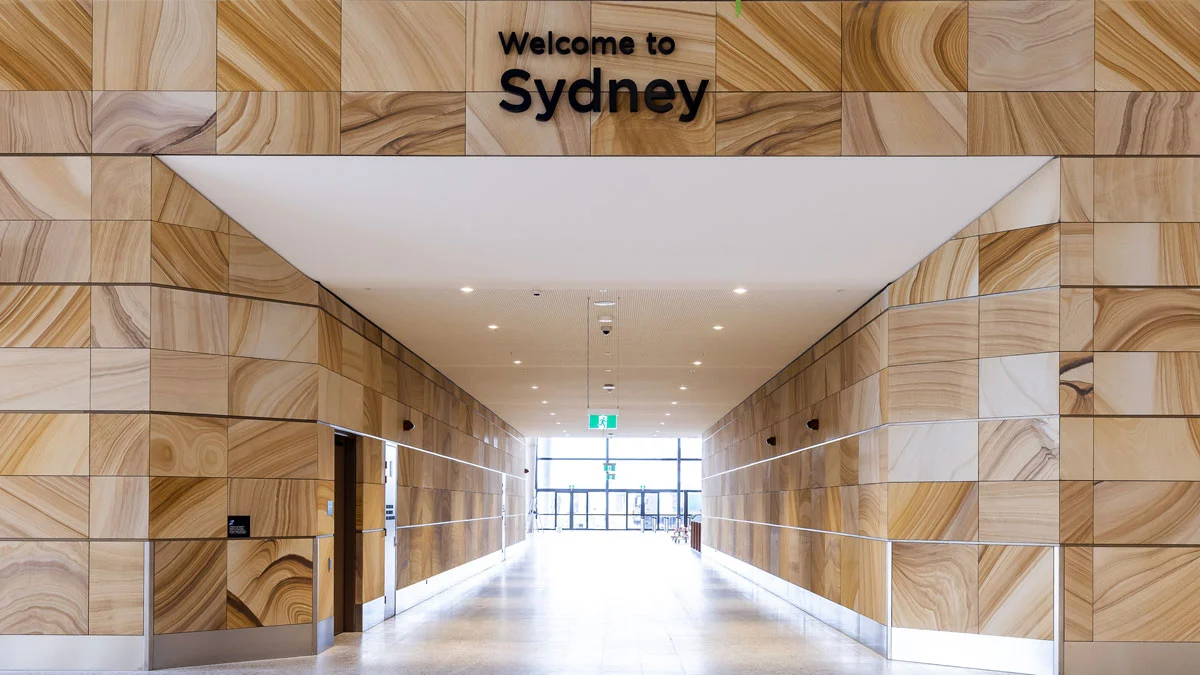
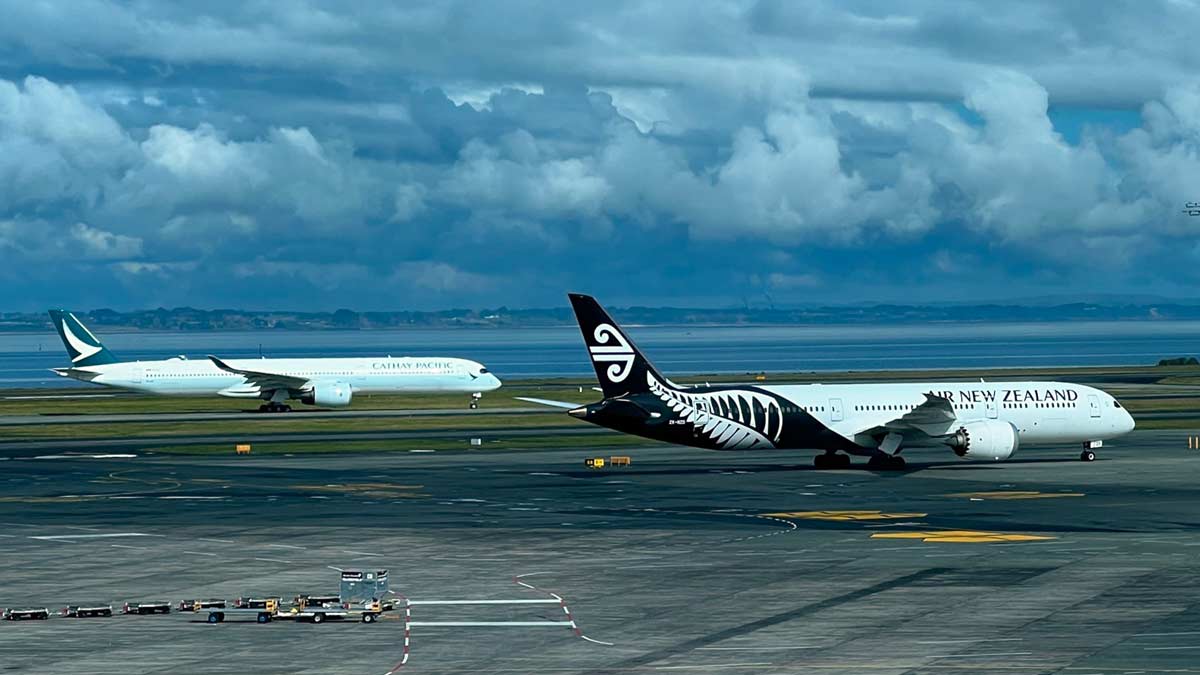
Air New Zealand has officially announced it will become the first international airline to operate out of the upcoming Western Sydney International (Nancy-Bird Walton) Airport (WSI), securing a historic milestone in Australian aviation. Beginning October 26, 2026, the New Zealand flag carrier will launch direct services between Auckland and Western Sydney, effectively beating Singapore Airlines to the punch as the first overseas carrier to touch down at the new gateway. The announcement signals a shift in the competitive landscape of the Sydney basin, which has been served exclusively by Sydney Kingsford Smith Airport for nearly a century.
The new service will operate three times per week, providing a direct link between New Zealand’s largest city and the rapidly expanding population of Greater Western Sydney. This move positions Air New Zealand as a first-mover in a market that includes more than 2.5 million residents, many of whom currently face commute times of 60 to 90 minutes to reach the existing international terminal at Mascot. By operating out of WSI, Air New Zealand aims to capture a significant share of the "Visiting Friends and Relatives" (VFR) market, particularly given the high density of the Kiwi diaspora residing in suburbs such as Penrith, Parramatta, and Campbelltown.
Flight Schedule and Operational Details
The inaugural flight is scheduled for the airport’s opening period in late October 2026. The service is designed to cater to both leisure and business travelers, with a schedule that prioritizes connectivity and efficiency. According to preliminary data, the flights will depart Auckland in the early morning, arriving at Western Sydney International by mid-afternoon. The return leg is expected to depart WSI in the late evening or early morning, arriving back in Auckland in time for the start of the business day, taking advantage of the time difference and the airport’s lack of a flight curfew.
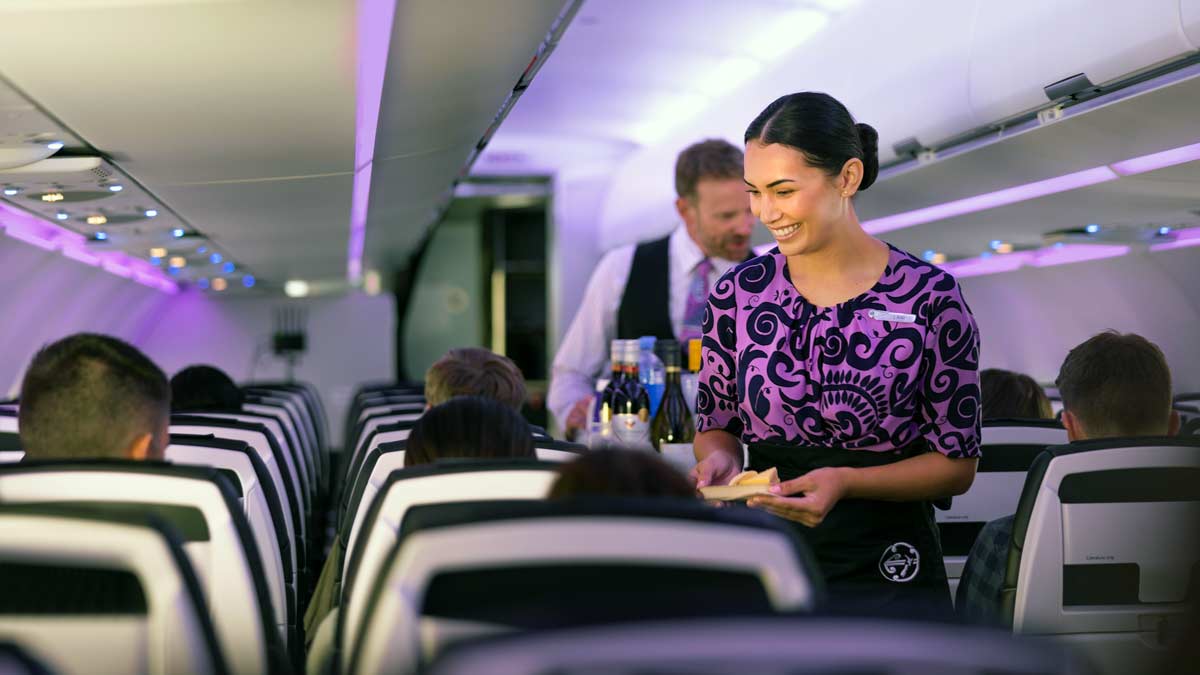
Air New Zealand has confirmed that the route will be serviced by its Airbus A320neo and A321neo fleet. These modern, single-aisle aircraft are configured in an all-economy layout, reflecting the short-haul nature of the Trans-Tasman "hop." The A321neo, in particular, offers superior fuel efficiency and a reduced noise footprint, aligning with the environmental standards set for the new airport. Passengers will have access to the airline’s tiered "Seat," "Seat+Bag," and "The Works" fare structures, allowing for flexibility in baggage allowance and on-board amenities. While the narrowbody aircraft lacks a dedicated business class cabin with lie-flat beds, the airline emphasizes that the convenience of the Western Sydney location outweighs the need for premium heavy configurations on a flight of approximately three and a half hours.
The Strategic Importance of Western Sydney International
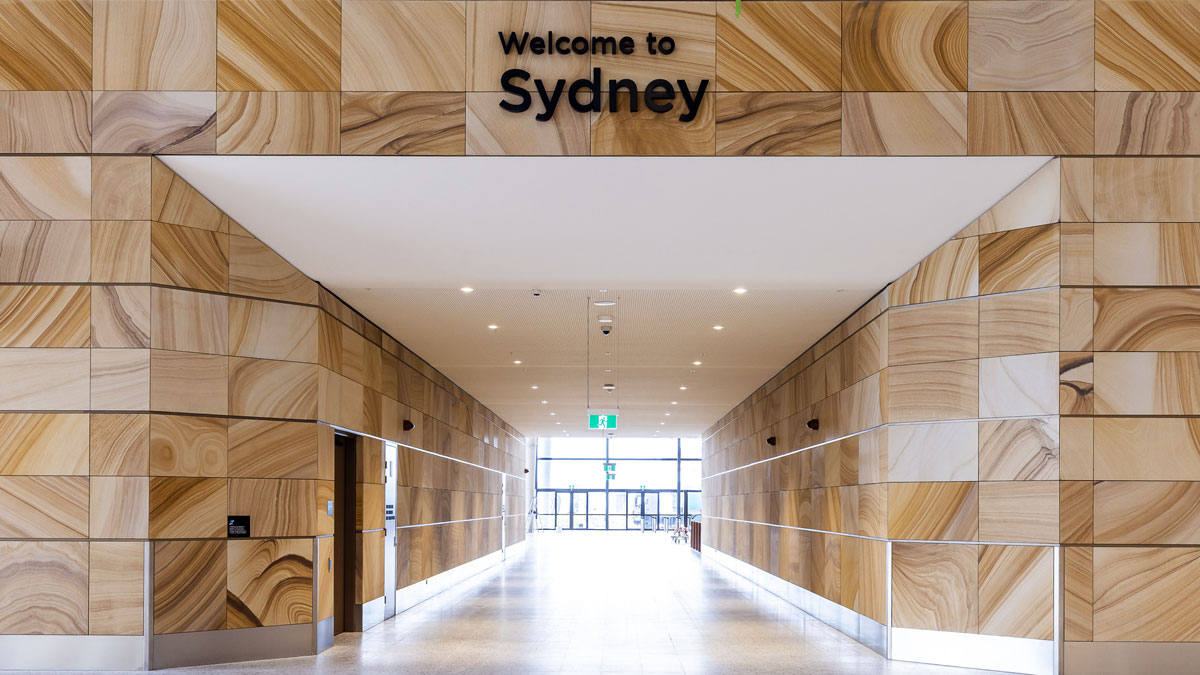
The development of Western Sydney International Airport represents one of the largest infrastructure projects in Australian history. With a construction budget exceeding A$5.3 billion, the airport is designed to alleviate the chronic congestion at Sydney Kingsford Smith Airport. Unlike the older Mascot facility, which is restricted by a strict 11:00 PM to 6:00 AM curfew, WSI will operate 24 hours a day. This operational freedom is a critical factor for international airlines, as it allows for optimized aircraft utilization and more flexible scheduling for long-haul connections.
For Air New Zealand, being the first international carrier at WSI provides a significant branding advantage. The airline is betting on the "convenience factor" to lure passengers away from the traditional Sydney hub. The new terminal at WSI is being built from the ground up with a focus on next-generation technology, including biometric processing, automated bag drops, and streamlined security checkpoints. These features are expected to significantly reduce the "curb-to-gate" time, making WSI a more attractive option for time-sensitive travelers.
A Chronology of the Race for Western Sydney
The journey toward the 2026 opening has been marked by intense speculation regarding which carriers would commit to the new site. The timeline of major milestones includes:
- April 2014: The Australian Federal Government officially confirms Badgerys Creek as the site for the second Sydney airport.
- September 2018: Early earthworks and construction officially begin on the 1,780-hectare site.
- June 2023: Qantas and Jetstar become the first domestic airlines to announce their intent to operate from WSI, committing to stationing 15 aircraft at the airport within the first year.
- April 2024: Singapore Airlines announces it will begin flights to WSI in November 2026, initially appearing to be the first international mover.
- Late 2024: Air New Zealand leapfrogs the competition by announcing an October 26, 2026, start date, securing its place as the first international airline to operate at the facility.
This competitive jockeying underscores the industry’s belief in the viability of the Western Sydney market. While some analysts initially questioned whether a second airport could thrive, the early commitment from major Star Alliance members like Air New Zealand and Singapore Airlines suggests a robust demand forecast.
Booking Infrastructure and Passenger Transition
As the aviation industry prepares for the dual-airport system in Sydney, logistical challenges remain. Currently, Air New Zealand’s booking systems are being updated to integrate the new "WSI" IATA code. Travelers searching for flights to Sydney will eventually be prompted to choose between Kingsford Smith (SYD) and Western Sydney (WSI). In the interim, the airline has advised passengers to be vigilant when booking, as the system currently tags WSI flights under the broader "Sydney" category.
To encourage the transition, Air New Zealand has introduced a flexible policy for passengers already booked on flights to or from Kingsford Smith. Travelers who would find the Western Sydney location more convenient will be permitted to switch their arrival or departure point to WSI without incurring change fees, provided the fare class remains the same. This policy is intended to build a baseline of passengers for the inaugural flights and demonstrate the airline’s commitment to the Western Sydney region.
Ground Facilities and the Lounge Experience
One of the remaining uncertainties for premium travelers is the availability of lounge facilities at the new airport. While Sydney Kingsford Smith boasts an extensive array of airline-owned lounges, the lineup at WSI has yet to be fully disclosed. It is widely anticipated that WSI will initially utilize a high-quality third-party lounge provider to serve the needs of various international airlines. Air New Zealand has indicated that while a dedicated "Air NZ Lounge" may not be available on day one, eligible passengers—including Star Alliance Gold members and "The Works" ticket holders—will have access to premium waiting areas that exceed standard gate seating.
Economic Impact and Regional Growth
The entry of Air New Zealand into the Western Sydney market is expected to act as a catalyst for local economic growth. The "Western Sydney Aerotropolis," a planned commercial and logistics hub surrounding the airport, is projected to create tens of thousands of jobs in the coming decade. By providing direct international connectivity, Air New Zealand facilitates easier access for New Zealand-based businesses to engage with the Western Sydney industrial heartland.
Furthermore, the tourism sector in the Blue Mountains and the Hawkesbury region stands to benefit significantly. International visitors arriving at WSI will find themselves at the doorstep of some of New South Wales’ most iconic natural attractions, bypassing the inner-city traffic that often hampers travel from the current airport.
Broader Industry Implications and Future Outlook
The launch of the Auckland-WSI route is a litmus test for the "two-airport" strategy in a major Australian city. Historically, secondary airports in Australia, such as Avalon in Melbourne, have struggled to maintain consistent international traffic. However, the scale of Western Sydney’s population and the 24-hour operational capability of WSI suggest a different outcome.
The industry is now looking toward other major carriers. While Qantas and Jetstar have confirmed their presence, they have yet to release specific international schedules for WSI. There is also significant interest from Middle Eastern carriers like Emirates and Qatar Airways. These airlines, which often operate late-night or early-morning departures to align with their hub schedules in Dubai and Doha, are hampered by the curfew at Kingsford Smith. The ability to depart Western Sydney at 2:00 AM without restriction could revolutionize the way long-haul travel is structured from Australia’s East Coast.
However, challenges remain. Global geopolitical volatility, particularly in the Middle East, continues to impact jet fuel prices and international flight paths. Analysts suggest that while the 2026 opening is a milestone, the full realization of WSI as a global hub may depend on a period of relative stability in the aviation sector. For now, Air New Zealand’s proactive move serves as a vote of confidence in the Australian market and a bold step toward a new era of Trans-Tasman connectivity.




 Anjar Salim
 Chandra Hamzah


 Tatiana Tantri Indah Sari