
 Gabriela Annisa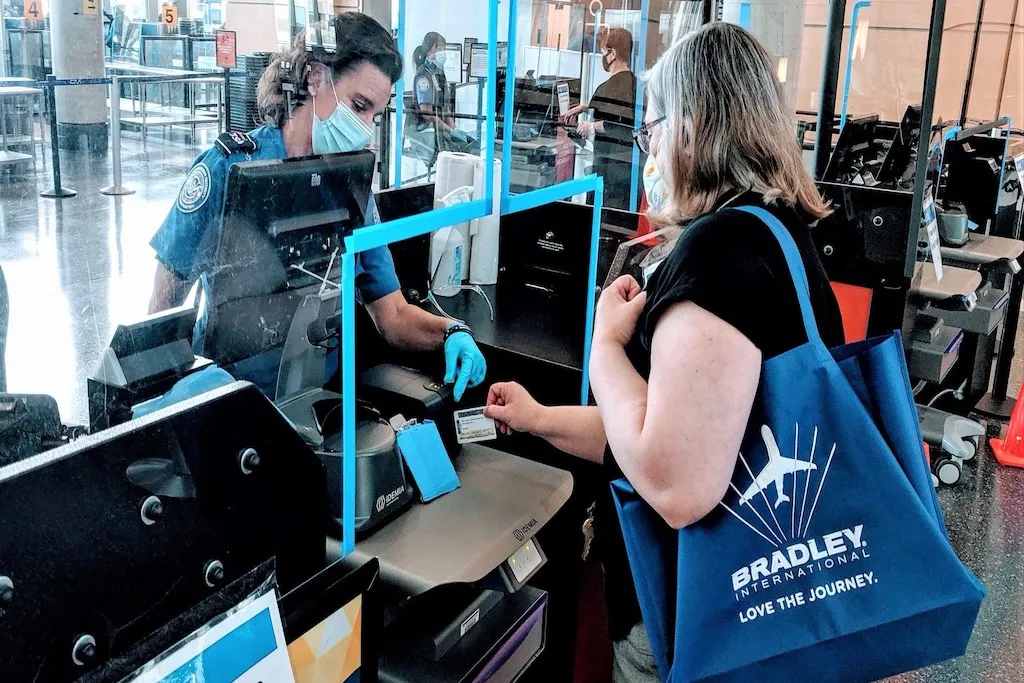
The global airline industry finds itself navigating a turbulent spring, simultaneously contending with a sudden, significant spike in jet fuel costs and escalating operational disruptions stemming from a partial U.S. government shutdown. These dual pressures are creating a volatile environment, challenging airline profitability, operational efficiency, and the overall traveler experience, particularly as the peak Spring Break travel season intensifies. Industry analysts and airline executives are closely monitoring the evolving situations, preparing for potential strategic adjustments to mitigate the profound financial and logistical impacts.
Jet Fuel Volatility: A Soaring Cost Burden for Carriers
The most immediate and financially impactful challenge facing airlines is the dramatic surge in jet fuel prices. Over a matter of days, the cost of aviation fuel has seen an unprecedented escalation, sending alarm bells ringing across the sector. According to data from Airlines for America (A4A), the advocacy group for major U.S. carriers, the average price paid for jet fuel by U.S. airlines jumped from $2.50 per gallon on February 27th to an astounding $3.67 per gallon by Monday, an increase of nearly 50 percent. Looking further back, the price was as low as $2.00 per gallon in mid-December, illustrating the speed and severity of the current market shift.
This domestic surge is mirrored, and in some regions, amplified, globally. The International Air Transport Association (IATA) reported that for the week ending March 6th, global jet fuel prices were up 58 percent in just one week. The regional disparities are stark, with prices in Asia (including Oceania) rocketing by 77 percent and the Middle East experiencing a 74 percent increase. These regional variations underscore the complex interplay of global supply chains, geopolitical tensions, and localized market dynamics, highlighting how a global shock can have uneven impacts.
Economic Fallout for U.S. Carriers
To quantify the potential financial blow, Skift’s Head of Research, Seth Borko, conducted an analysis leveraging U.S. airlines’ SEC disclosures on commodity price sensitivities. His research indicates that if U.S. airlines were to maintain their planned flight schedules for 2026 at current jet fuel prices, they would incur an astonishing additional $24 billion in fuel costs compared to last year’s prices. This figure serves as a stark illustration of the magnitude of the problem, rather than a direct forecast, as airlines are expected to react to such a significant cost increase.
The analysis broke down the potential impact by major U.S. airline:
- American Airlines: Estimated additional costs of $6.4 billion.
- United Airlines: Estimated additional costs of just under $6 billion.
- Delta Air Lines: Estimated additional costs of $40 million for every one cent per gallon change in jet fuel price, translating to billions in the current scenario.
- Other carriers such as Southwest, Alaska, JetBlue, Allegiant, and Frontier also face substantial multi-billion dollar increases.
These figures underscore that while U.S. oil supply may not be as directly interrupted as some international routes, the global nature of the energy market ensures that no airline is immune. The difference in price moves between regions, for example, is attributed to specific shipping routes, like the Straits of Hormuz, and their vulnerability to disruptions impacting Asia-Pacific supplies more acutely.
Historical Precedent and Industry Response
The airline industry is no stranger to fuel price shocks. Recalling historical events provides crucial context for understanding potential airline reactions. Major spikes in 2000, 2008, and more recently in 2022 following the Ukraine War, have profoundly reshaped airline strategies. The 2008 surge, where oil prices neared $140 a barrel, was a particularly transformative period. It was during this time that U.S. airlines, facing unprecedented cost pressures, broke long-standing taboos by introducing ancillary fees, such as charging for a first checked bag or in-flight meals – practices that are now standard across the industry. This historical parallel raises questions about what "radical" measures airlines might consider if the current fuel spike proves persistent.
However, industry observers note that the structural health of U.S. airlines has improved significantly since those earlier crises, partly due to consolidation and more disciplined capacity management. This enhanced resilience might allow them to absorb shocks more effectively, potentially reducing the likelihood of widespread bankruptcies seen in previous decades. Nonetheless, executives are expected to explore all avenues, including adjusting flight schedules, parking less fuel-efficient aircraft, and, inevitably, raising airfares and other ancillary charges to offset rising costs.
Not all airlines are equally exposed. European carriers like Lufthansa, for instance, have disclosed more aggressive hedging strategies that could provide a temporary buffer against the immediate price hikes. This strategic advantage could allow them to be less impacted than their unhedged U.S. counterparts, potentially leading to competitive dynamics where hedged airlines might match fare increases without suffering the same cost pain, or even seek to gain market share. However, even hedged airlines acknowledge that no one "welcomes" a fuel spike, as it ultimately raises the baseline cost of operations.
U.S. Government Shutdown: Airport Operations Under Strain
Adding another layer of complexity and disruption, a partial U.S. government shutdown has significantly impacted airport operations, creating bottlenecks and extended wait times for travelers. The shutdown, which commenced on February 14th, has particularly affected the Department of Homeland Security, leaving critical agencies like the Transportation Security Administration (TSA) to operate with unpaid staff.
Impact on TSA and Travelers
TSA agents, deemed essential personnel, have continued to work without receiving their full paychecks. While a partial paycheck was issued in February, the current period marks the first time many agents have missed an entire paycheck. This situation has led to increasing staffing shortages, with a growing number of agents calling out sick or resigning, resulting in visibly longer security lines at several major airports across the country.
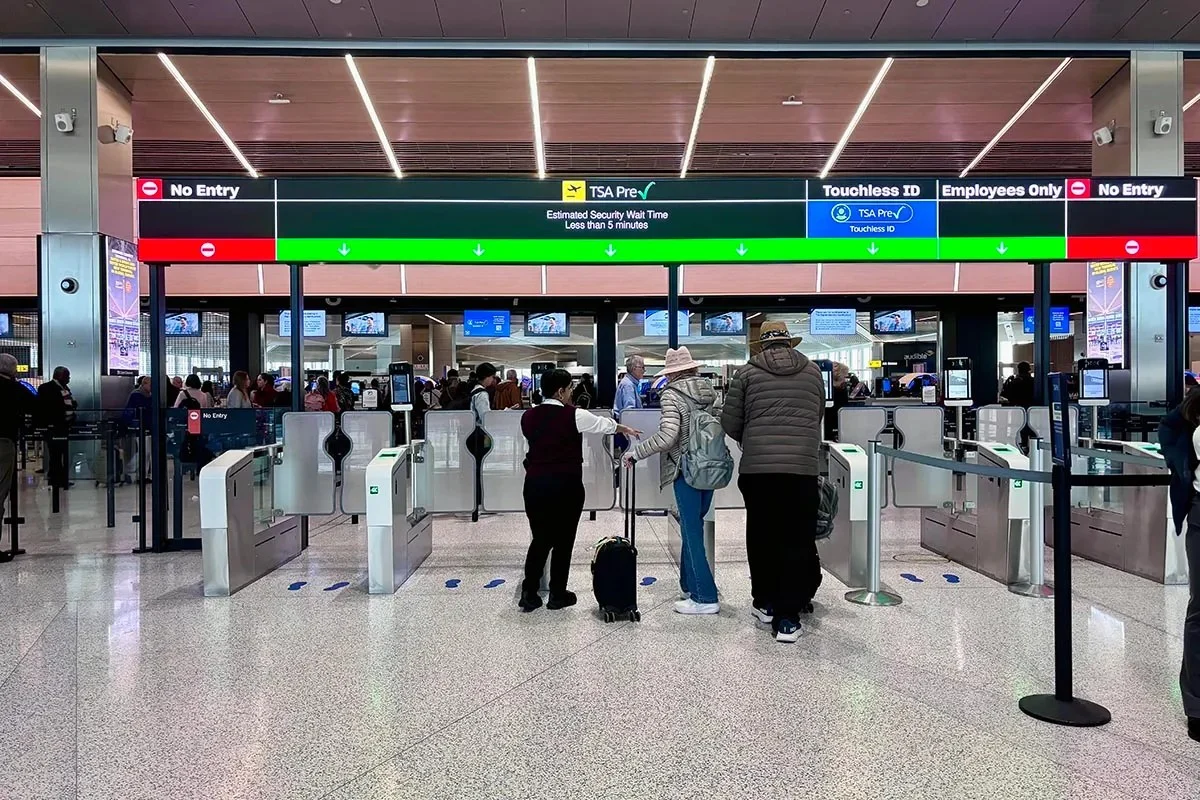
The timing of this disruption could not be worse, coinciding directly with the busy Spring Break travel season. Airports that are typically jam-packed during this period, such as those in Florida and Arizona, are now experiencing exacerbated operational challenges. Examples of the chaos include Houston’s William P. Hobby Airport reporting four-hour wait times for security on a recent Sunday, and security lines at New Orleans’ Louis Armstrong International Airport stretching all the way to the parking garages. Airports in affected regions are now advising travelers to arrive at least three to four hours before their scheduled flights, a significant increase from standard recommendations.
Beyond security checkpoints, the shutdown has also suspended services like Global Entry, creating additional bottlenecks for international arrivals. Travelers relying on this expedited customs process are finding themselves in longer queues, further complicating the travel experience.
Chronology and Escalation
This is not the first time U.S. government shutdowns have impacted air travel. A previous shutdown from October into November was the longest on record and also saw TSA agents working without pay. The repeated nature of these disruptions has a corrosive effect on morale and makes recruitment for critical roles like TSA agent increasingly difficult, posing long-term challenges for airport security and efficiency.
Unlike the previous shutdown where air traffic controllers (ATCs) were also affected, leading to significant flight delays and cancellations, ATCs are currently being paid. This distinction prevents a full-scale collapse of the air traffic control system, yet the impact on passenger processing remains severe. Despite legislative efforts to ensure ATCs are paid during future shutdowns, concerns persist in Washington about fairness to other essential workers affected by such impasses.
Broader Consequences
The ripple effects of airport disruptions extend beyond traveler inconvenience. Airlines face potential economic consequences from reduced demand as travelers opt to avoid the chaos, or from missed connections and operational inefficiencies. While it is challenging to quantify the exact financial impact in real-time, previous shutdowns have demonstrably affected airline profitability, highlighting the non-trivial nature of these government-induced operational challenges. The longer the shutdown persists, particularly if it extends into the crucial summer booking period, the greater the potential for a significant drag on airline revenues and overall travel demand.
Intertwined Challenges and Industry Outlook
The simultaneous onslaught of skyrocketing fuel costs and government-induced airport chaos presents a formidable test for the airline industry. These two pressure points are not isolated; they can synergistically amplify each other’s negative effects. Higher fares due to fuel costs, combined with the prospect of agonizingly long airport queues, could lead to a noticeable decline in travel demand, even as airlines strive to recover from the post-pandemic era.
Airline executives and industry analysts will be closely scrutinizing the upcoming JPMorgan Industrials Conference, scheduled for next week. This event is a critical forum where major U.S. airline CEOs are expected to provide updated guidance and insights into their strategies for navigating these dual crises. Investors and the public will be keenly awaiting disclosures on how airlines plan to adjust capacity, manage costs, and potentially revise their financial outlooks in response to the current environment.
The long-term perspective for the industry, while challenging, also points to its inherent adaptability. Historically, periods of severe stress have often spurred innovation in business models and operational strategies. Just as the 2008 fuel crisis led to the widespread adoption of ancillary fees, the current confluence of events might force airlines to rethink aspects of their operations, customer service, or revenue generation in unexpected ways. However, the immediate focus remains on weathering the storm of surging costs and operational disarray, ensuring passenger safety and minimizing disruptions amidst an exceptionally volatile spring.



 Anjar Salim
 Chandra Hamzah
 Budi Mulyono


 Tatiana Tantri Indah Sari