Chandra Hamzah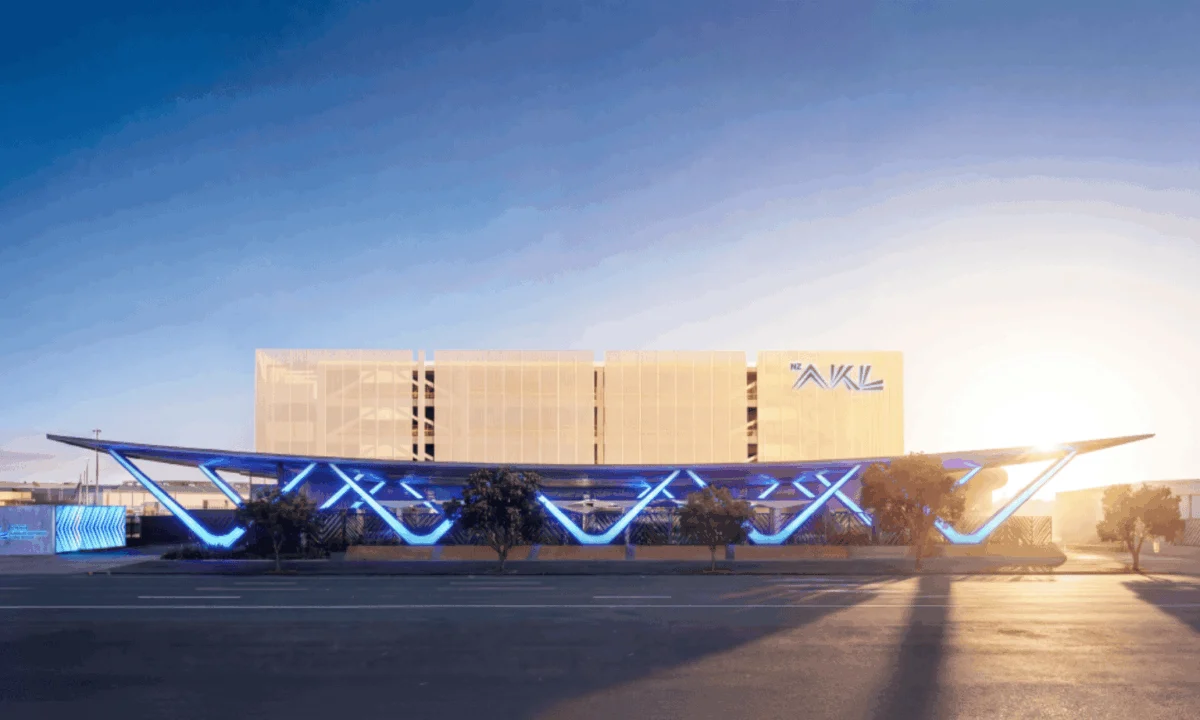
The construction of a state-of-the-art cruise terminal in Auckland represents a significant milestone in the ongoing revitalization and expansion of New Zealand’s cruise sector. This ambitious development, part of a broader $200 million investment project focused on accommodating larger vessels, is slated for completion and opening in March 2027. The new international cruise terminal, officially named Te Waharoa, is poised to dramatically enhance Auckland’s capacity and appeal to the global cruise market, aligning with the New Zealand government’s and the local cruise industry’s concerted national strategy.
Transforming the Passenger Experience and Boosting Capacity
Port of Auckland Chief Executive Roger Gray has articulated ambitious objectives for the new facility, projecting an increase of approximately 100,000 cruise passengers annually. "We are now looking to see real growth in those big 4500-plus passenger ships," Gray stated in comments to the New Zealand Herald. "I would think we have a real potential to bring in 100,000 more passengers as we continue to invest and re-attract people. It will allow us to discharge or load a big cruise ship within three hours." This streamlined process is crucial for improving the overall passenger experience, a key focus of the new development.
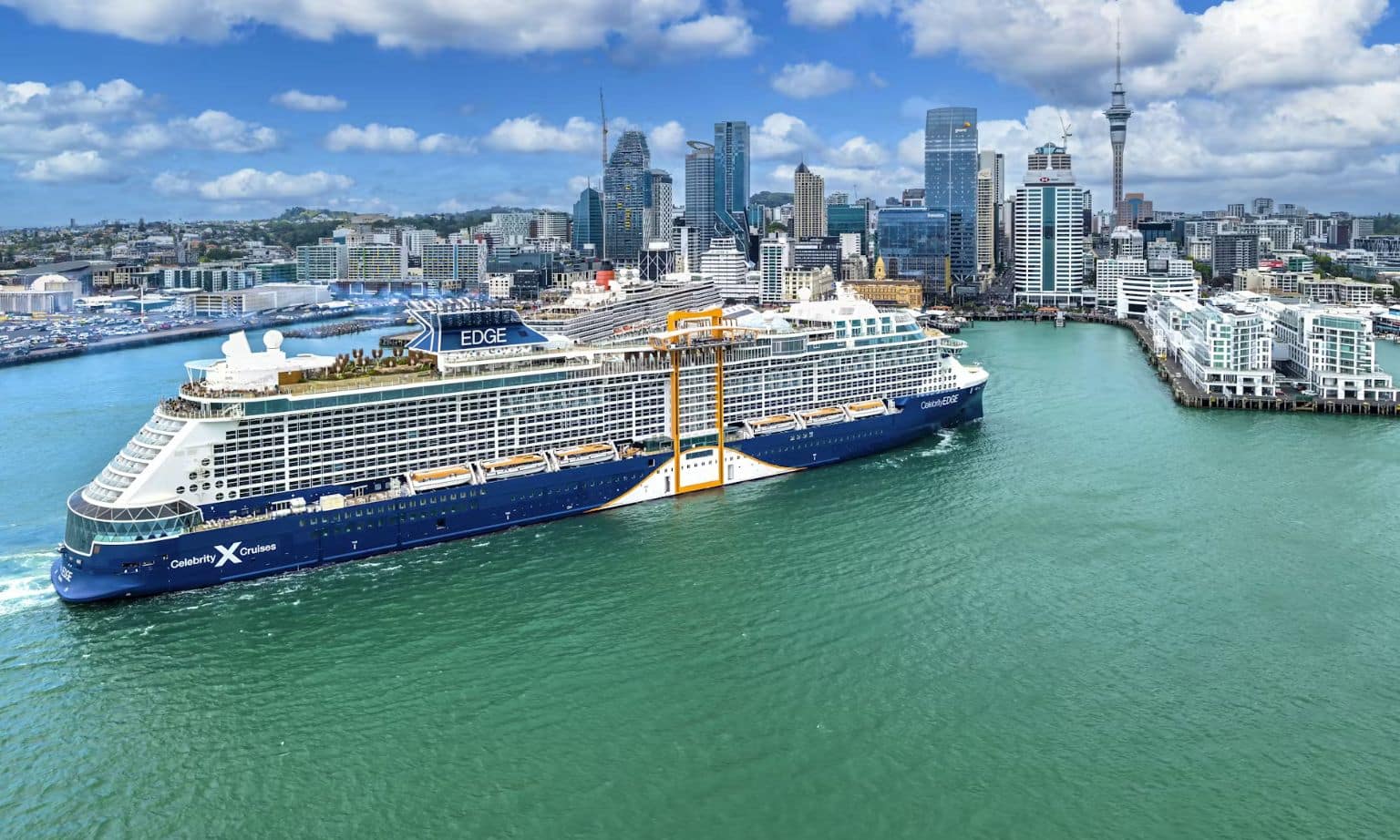
Currently, larger vessels like Royal Caribbean’s Anthem of the Seas do visit New Zealand, but their experience in Auckland has been hampered by a lack of dedicated infrastructure. Gray pointed out that these ships often face a "terrible customer experience" due to the necessity of anchoring in the harbour and tendering passengers ashore. This not only creates logistical challenges but also detracts from the initial impression of New Zealand as a premier cruise destination. The new terminal will eliminate this issue by allowing large cruise ships to berth directly alongside the quay, facilitating a seamless transition for passengers directly into the central business district.
"That’s a terrible customer experience," Gray reiterated, contrasting it with the improved scenario. "But bringing them alongside, being processed through a purpose-built facility and being allowed to walk into the CBD is really nice, what a good customer experience is. It will assist shipping lines in further scheduling Auckland and New Zealand (for calls) with the bigger ships and mean we can compete against other ports with amazing cruise terminals at the base of their cities. We want to be one of those sort of ports, a global city where people have a global experience. Right now it’d be fair to say we haven’t been delivering a global competitive experience.”
The terminal’s design includes essential amenities such as a new pick-up and drop-off area for buses and taxis, further enhancing the logistical flow for arriving and departing passengers. This infrastructure upgrade is vital for accommodating the growing volume of cruise visitors, who currently exceed 300,000 annually in Auckland alone. Gray emphasized the importance of providing these visitors with a memorable and efficient experience. "A figure not well-known is Auckland has in excess of 300,000 cruise passengers a year – that’s 300,000 Americans, Europeans, Asians – we’ve seen growth in Japanese visitors – and Australians. They want an amazing experience. They want a seamless transfer on and off."
A Strategic Approach to Cruise Industry Recovery and Growth
The development of the Te Waharoa terminal is a tangible outcome of a proactive national strategy designed to overcome challenges and foster growth in New Zealand’s cruise sector. Over a two-year period, New Zealand experienced a significant decline of approximately 40% in cruise calls. In response, the New Zealand Cruise Association, in close collaboration with the federal government, implemented a comprehensive national cruise strategy. The initial results of this strategy have been remarkably positive.
Key initiatives under this strategy have included:
- Proactive Engagement with Cruise Lines: New Zealand has actively participated in major cruise conferences and maintained robust relationships with key cruise line executives. This consistent dialogue has been instrumental in understanding the industry’s needs and addressing potential concerns.
- Securing Major Cruise Line Commitments: A significant indicator of the strategy’s success was Carnival Cruises’ decision to redeploy one of its vessels, the Carnival Adventure, from Sydney to New Zealand for a series of cruises out of Auckland in 2027. This move followed Carnival’s cancellation of some Sydney-based voyages, demonstrating a shift in strategic focus towards New Zealand.
- Resolving Environmental Concerns: A long-standing concern for the cruise industry was the potential ban on cruising to Milford Sound. The government’s definitive decision to allow continued access to this iconic destination removed significant uncertainty for cruise lines and secured a vital itinerary point.
- Addressing Biofouling Regulations: New Zealand’s strict biofouling regulations had presented challenges for cruise ships, sometimes leading to delays or even rejections. The development of specialized hull cleaning facilities in Auckland, implemented shortly after the cruise strategy’s inception, provides a practical solution for ships to meet these standards efficiently, easing their entry into New Zealand’s pristine waters.
These strategic interventions have collectively demonstrated New Zealand’s commitment to being a preferred cruise destination. The new Auckland terminal is the latest, and perhaps most significant, in this series of actions, reinforcing the nation’s dedication to modernizing its infrastructure and enhancing its global competitiveness.
Economic and Regional Implications
The investment in the new cruise terminal is expected to yield substantial economic benefits for Auckland and New Zealand. Increased cruise passenger numbers translate directly into higher spending on local attractions, retail, dining, and transportation. The ability to accommodate larger ships also means a greater influx of visitors within shorter timeframes, maximizing the economic impact on port days.
The emphasis on larger vessels like the Anthem of the Seas is particularly strategic. These mega-ships carry a significant number of passengers and crew, and their berthing requirements necessitate advanced facilities. By investing in infrastructure that caters to these giants, Auckland positions itself as a key hub in the South Pacific cruise market, capable of competing with other major international ports.
Furthermore, the success of New Zealand’s cruise strategy has broader implications, particularly when contrasted with the situation in Australia. While New Zealand has experienced a notable turnaround, Australia’s cruise industry has faced ongoing challenges, with little indication of a comparable national strategy being implemented. This disparity highlights the effectiveness of New Zealand’s coordinated approach and raises questions about the potential for regional collaboration to maximize the benefits of cruising across Australasia.
"Perhaps the biggest current threat to New Zealand’s cruise industry at the moment can be found right here in Australia," the original report noted. "New Zealand’s market is likely not big enough to attract big ships on its own and the majority of ships that visit New Zealand come over from Australia. However, Australia’s cruise industry continues to falter, with no promising word on whether a national plan will be developed in the style that New Zealand has."
The implication is clear: while New Zealand is making substantial progress, sustained growth and the attraction of the largest global cruise ships may ultimately depend on a coordinated regional effort. The current divergence in approach between the two neighboring countries could present a missed opportunity for both to capitalize on the burgeoning cruise market.
Looking Ahead: A Global City Experience
The completion of the Te Waharoa terminal by March 2027 is more than just an infrastructure upgrade; it is a statement of intent. It signifies Auckland’s ambition to solidify its position as a "global city" and provide a "global experience" for its international visitors. The investment reflects a deep understanding that in the competitive world of cruise tourism, a seamless, efficient, and memorable arrival and departure experience is paramount.
The success of the new terminal will not only be measured by the number of passengers it can handle but also by its ability to transform the perception of Auckland as a cruise port. By offering world-class facilities and a direct gateway to the city, New Zealand is setting a new benchmark for cruise tourism in the region. The ongoing collaboration between government, port authorities, and the cruise industry serves as a model for strategic development, ensuring that New Zealand’s cruise sector is not only recovering but is poised for significant and sustainable growth in the years to come. This proactive approach, exemplified by the investment in cutting-edge infrastructure like the Te Waharoa terminal, underscores New Zealand’s commitment to becoming a leading destination on the global cruise map.


 Anjar Salim
 Tatiana Tantri Indah Sari
 Budi Mulyono