Chandra Hamzah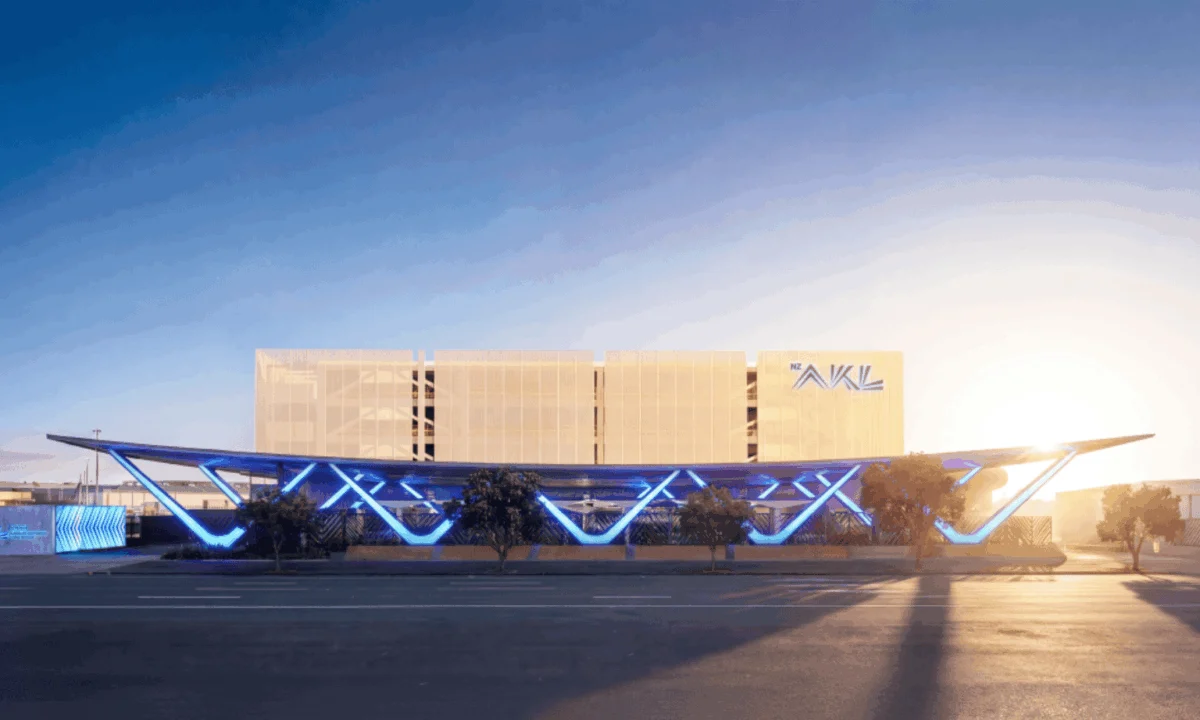
The development of a state-of-the-art international cruise terminal in Auckland represents a significant milestone in New Zealand’s ambitious strategy to revitalize and expand its cruise tourism sector. This multi-million dollar project, set to open its doors in March 2027, is a cornerstone of a coordinated national effort between the government and industry stakeholders to attract larger, more modern cruise vessels and enhance the passenger experience. The initiative aims to solidify Auckland’s position as a premier cruise destination and bolster New Zealand’s appeal on the global cruise map.
Transforming the Auckland Cruise Experience
The new terminal, part of a substantial $200 million "big ships" development project, is designed to cater to the growing demand for larger cruise liners. Port of Auckland chief executive Roger Gray has articulated ambitious targets for the facility, projecting an increase of up to 100,000 cruise passengers annually. "Now we’re looking to see real growth in those big 4500 ships," Gray stated in an interview with the New Zealand Herald. "I would think we have a real potential to bring in 100,000 more passengers as we continue to invest and re-attract people." This expansion is crucial for accommodating the increasing size and passenger capacity of contemporary cruise ships.
A key feature of the new terminal is its operational efficiency. Gray highlighted that the facility will enable the efficient turnaround of large cruise ships, stating, "It will allow us to discharge or load a big cruise ship within three hours." This rapid turnaround time is critical for cruise lines in optimizing their itineraries and minimizing time spent in port, a factor that directly influences their decisions on which destinations to include.
Currently, the largest cruise ships, those accommodating 4500 passengers or more, do visit New Zealand waters. However, Gray pointed out that the existing infrastructure has led to a subpar experience for passengers on these vessels. "A terrible customer experience" is how he described the current situation for passengers disembarking from or boarding larger ships. The primary issue has been the lack of a dedicated berth capable of handling such mega-ships, often necessitating anchoring in the harbor and tendering passengers ashore. This process is not only time-consuming but also diminishes the luxury and convenience expected by cruise passengers, particularly those on premium voyages.
The sole vessel of that size that frequently sails in the region is Royal Caribbean’s Anthem of the Seas. For the 2027/28 season, its itinerary includes only four New Zealand stops, a decision influenced in part by Royal Caribbean’s focus on its new beach club destination, Lelepa in Vanuatu. This situation underscores the need for Auckland to offer a more compelling and seamless experience to secure more frequent calls from such vessels.
Discussions with cruise lines revealed their reluctance to commit to Auckland due to the inherent risks and logistical challenges associated with anchoring and tendering. Cruise operators expressed concerns about the customer experience and the potential for disruptions due to weather conditions, which are inherent risks when passengers are transferred via smaller tenders. The new terminal directly addresses these concerns by providing a dedicated, purpose-built facility that allows ships to dock alongside.
"Bring them alongside, be processed through a purpose-built facility and be allowed to walk into the CBD is really nice, what a good customer experience is," Gray emphasized. This direct connection to the central business district offers passengers immediate access to the city’s attractions, shopping, and dining, significantly enhancing their port day experience.
This enhanced passenger experience is expected to make Auckland a more attractive port of call for larger cruise ships. "It will assist shipping lines in further scheduling Auckland and New Zealand (for calls) with the bigger ships and mean we can compete against other ports with amazing cruise terminals at the base of their cities," Gray explained. He further articulated the vision: "We want to be one of those sort of ports, a global city where people have a global experience. Right now it’d be fair to say we haven’t been delivering a global competitive experience."
The terminal’s design includes improved facilities for passenger processing, enhanced security measures, and streamlined logistics for baggage handling. Additionally, it will feature a new pick-up and drop-off area for buses and taxis, ensuring smooth transitions for passengers to and from the city and surrounding attractions.
Auckland’s Cruise Passenger Landscape
Currently, Auckland welcomes over 300,000 cruise passengers annually. This significant volume of visitors represents a diverse demographic, including travelers from the United States, Europe, Asia, and Australia, with a notable increase in Japanese visitors. Gray stressed the importance of providing an exceptional experience for this substantial influx of international tourists. "A figure not well-known is Auckland has in excess of 300,000 cruise passengers a year – that’s 300,000 Americans, Europeans, Asians – we’ve seen growth in Japanese visitors – and Australians. They want an amazing experience. They want a seamless transfer on and off."
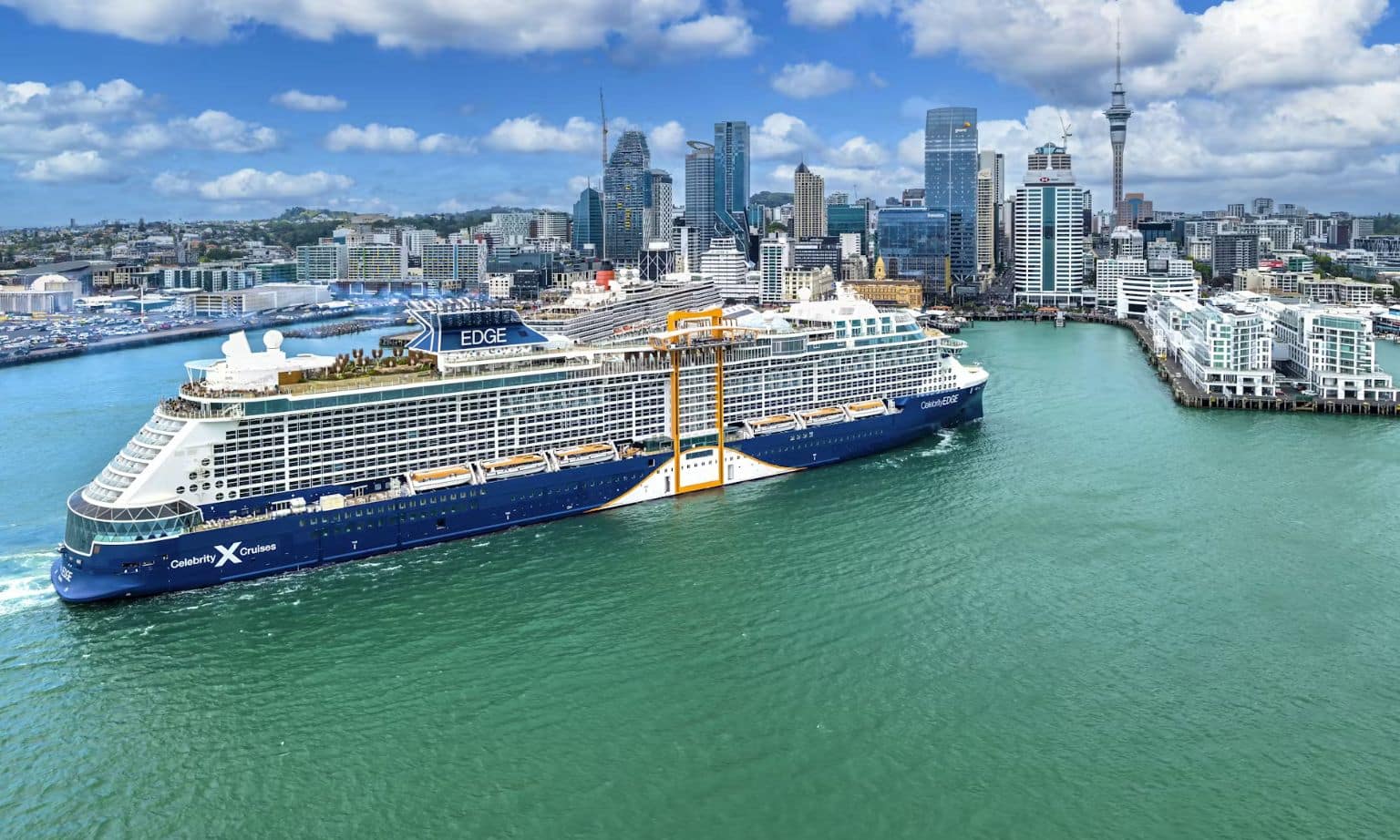
The investment in the new cruise terminal is seen as a critical step in Auckland’s broader development into a global city. "That’s what global cities do. And that’s why we see this as being an absolutely fundamental investment to further the growth of Auckland on its journey to being a global city," Gray concluded.
New Zealand’s Cruise Recovery: A Strategic Success Story
The development of Auckland’s new cruise terminal is a tangible outcome of New Zealand’s proactive and successful national cruise strategy. Just two years ago, the New Zealand cruise industry faced a severe downturn, experiencing a decline of approximately 40 percent in cruise calls. This challenging period spurred a concerted effort by both the New Zealand Cruise Association and the federal government to develop and implement a comprehensive recovery plan.
The strategy, forged through close collaboration, has yielded remarkable results. Evidence of its effectiveness can be seen in several key developments:
-
Attracting Major Cruise Lines: New Zealand has actively engaged with major cruise lines, participating in international conferences and maintaining strong relationships. This diplomatic effort has paid dividends, notably with Carnival Cruises deciding to redeploy the Carnival Adventure from Sydney to New Zealand for a series of cruises out of Auckland in 2027. This move signifies a significant vote of confidence in New Zealand’s cruise potential.
-
Securing Milford Sound Access: A long-standing concern for the industry was the potential ban on cruising in Milford Sound, a world-renowned natural wonder. The national strategy successfully addressed these concerns, ensuring continued access and providing certainty for future cruise scheduling, thereby removing a significant point of uncertainty for cruise operators.
-
Resolving Biofouling Challenges: The issue of biofouling, where marine organisms accumulate on ship hulls, has presented a considerable hurdle for cruise ships visiting New Zealand. Strict hull cleaning standards and potential rejections from national parks created logistical nightmares. In response, Auckland has committed to installing specialized hull cleaning facilities. This proactive measure aims to streamline compliance with environmental regulations, making it easier for cruise ships to meet New Zealand’s standards and reducing the risk of entry being denied. This development, implemented shortly after the cruise strategy’s inception, highlights the government’s commitment to removing operational barriers for the industry.
These initiatives collectively demonstrate a well-orchestrated approach to rebuilding and expanding New Zealand’s cruise sector. The new cruise terminal in Auckland is the latest, and perhaps most significant, step in this ongoing success story, showcasing the tangible benefits of strategic planning and investment.
Broader Implications and the Australian Context
New Zealand’s robust cruise recovery strategy stands in stark contrast to the situation in Australia, which has seen its cruise industry falter without a comparable national plan. The majority of cruise ships visiting New Zealand originate from Australian ports, making Australia a crucial partner in the region’s cruise tourism ecosystem. However, the lack of a clear and coordinated strategy in Australia presents a potential threat to New Zealand’s sustained growth.
"Perhaps the biggest current threat to New Zealand’s cruise industry at the moment can be found right here in Australia," the original report noted. "New Zealand’s market is likely not big enough to attract big ships on its own and the majority of ships that visit New Zealand come over from Australia. However, Australia’s cruise industry continues to falter, with no promising word on whether a national plan will be developed in the style that New Zealand has."
The implication is that while New Zealand is making significant strides in enhancing its cruise infrastructure and appeal, its progress could be hampered if its primary source market for cruise traffic, Australia, does not similarly invest in its own cruise sector. A thriving Australian cruise market would not only benefit Australian ports but also facilitate greater deployment of cruise ships to the wider region, including New Zealand.
The success of New Zealand’s strategy offers a compelling case study for Australia and other nations seeking to capitalize on the growing cruise tourism market. The Auckland terminal, with its focus on efficiency, passenger experience, and capacity for larger vessels, is a prime example of how strategic investment can transform a destination’s competitiveness. For New Zealand, this investment signifies a commitment to its ambition of becoming a globally recognized cruise hub, offering world-class experiences that align with the expectations of modern cruise travelers. The ongoing collaboration between industry and government has laid a strong foundation, and the new terminal is poised to be a key driver of future growth, enhancing New Zealand’s appeal as a premier destination in the competitive global cruise landscape.


 Walid Sujud Trenggono
 Budi Mulyono
 Anjar Salim