
 Chandra Hamzah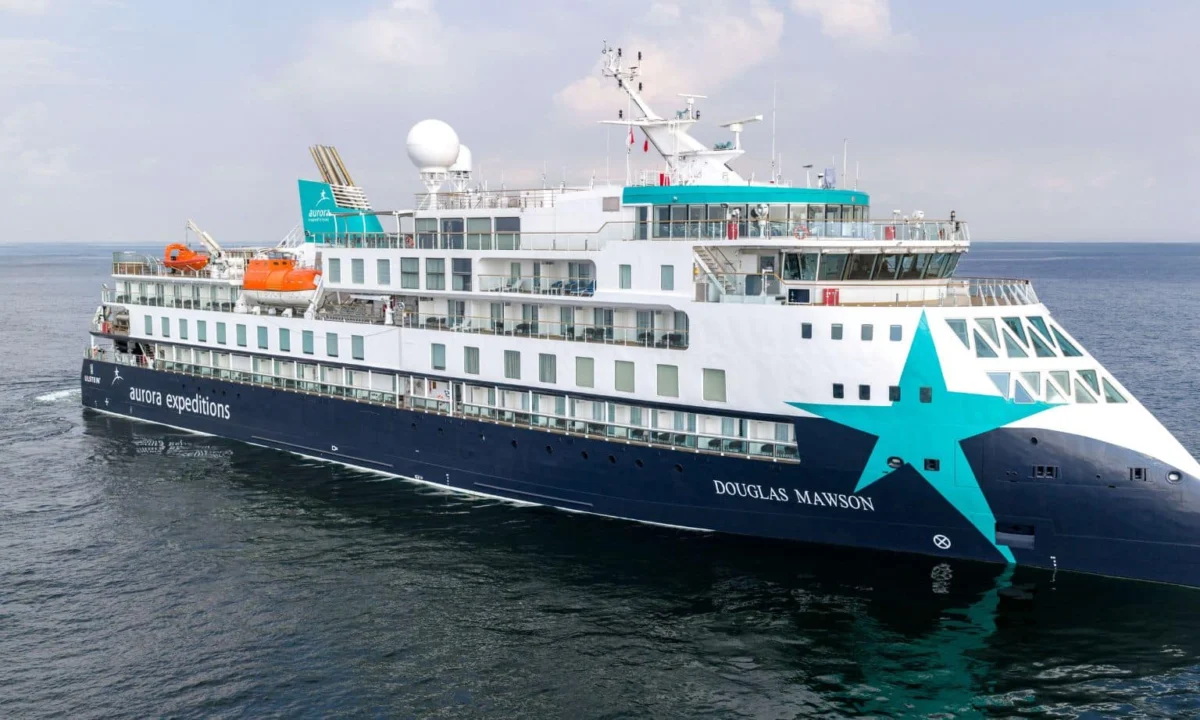
Aurora Expeditions’ purpose-built expedition vessel, the Douglas Mawson, has achieved a significant recognition, being named among TIME Magazine’s World’s Greatest Places for 2026. This esteemed annual list celebrates destinations and travel experiences that are pushing the boundaries of innovation, sustainability, and cultural significance, thereby shaping the future of global tourism. The inclusion of the Douglas Mawson underscores the growing demand for immersive and responsible exploration in some of the planet’s most remote and captivating environments.
A New Era of Expedition Cruising
Launched in November of the previous year, the Douglas Mawson represents Aurora Expeditions’ latest addition to its fleet, embodying the company’s commitment to pioneering new frontiers in expedition travel. As the third vessel in its operational roster, the ship is specifically designed to navigate and explore some of the Earth’s most challenging and pristine regions. With a capacity for only 130 guests, the Douglas Mawson prioritizes an intimate and exclusive expedition experience, offering up to 154 distinct itineraries that promise profound encounters with nature and wildlife. This limited capacity is a deliberate design choice by Aurora Expeditions, aiming to minimize environmental impact and foster deeper connections between guests and the destinations they visit.
The vessel’s design is a testament to modern expedition cruising, blending advanced technology with a focus on environmental stewardship. It is equipped with state-of-the-art navigation and safety systems, crucial for traversing polar waters and other remote areas. Furthermore, the ship’s environmental credentials are a key component of its operational philosophy. Aurora Expeditions has long been a proponent of low-impact tourism, and the Douglas Mawson is built to meet and exceed stringent environmental regulations. This includes advanced waste management systems, fuel-efficient engines, and practices designed to protect fragile ecosystems.
The Significance of TIME’s Recognition
TIME Magazine’s World’s Greatest Places list is widely regarded as a benchmark for exceptional travel experiences. Each year, the publication’s editors and a global network of correspondents identify places and ventures that stand out for their forward-thinking approaches. The criteria for selection are rigorous, encompassing factors such as unique experiences, innovative infrastructure, cultural preservation, and a demonstrable commitment to sustainability. For a vessel like the Douglas Mawson, inclusion on this list signifies more than just a beautiful ship; it highlights its role in redefining what expedition travel can and should be in the 21st century.
"Being recognised by TIME as one of the World’s Greatest Places reflects the growing appetite for meaningful exploration," stated Katie Malone, Chief Marketing Officer at Aurora Expeditions. Her statement emphasizes a key trend in the travel industry: a shift from passive sightseeing to active, educational, and impactful journeys. The Douglas Mawson is positioned as a platform designed precisely for this kind of exploration. Malone further elaborated, "Douglas Mawson was designed as a platform for discovery, bringing together adventure, science and responsible travel in some of the most extraordinary places on Earth." This encapsulates the core mission of Aurora Expeditions and the philosophy embedded in the design and operation of the Douglas Mawson.
Aurora Expeditions: A Legacy of Exploration
This year marks a significant milestone for Aurora Expeditions, as the company celebrates its 35th anniversary of providing unparalleled expedition travel experiences. Founded on the principles of adventure, discovery, and respect for the natural world, Aurora Expeditions has built a reputation for taking travelers to destinations few others can reach. The Douglas Mawson is the latest manifestation of this legacy, joining its sister ships, the Greg Mortimer and the Sylvia Earle, in the company’s fleet. Each vessel is named after pioneering figures in exploration and environmental science, further reinforcing the company’s ethos.
The Greg Mortimer, launched in 2019, was Aurora Expeditions’ first purpose-built expedition ship, introducing innovative features such as the X-Bow design for a smoother ride in rough seas. The Sylvia Earle, named after the renowned marine biologist and conservationist, followed in 2022, continuing the company’s commitment to sustainable and scientific-focused expeditions. The addition of the Douglas Mawson has expanded the company’s capacity and reach, allowing them to offer even more diverse and in-depth exploration opportunities.
The company’s longevity in the competitive expedition cruise market is a testament to its ability to adapt, innovate, and consistently deliver exceptional experiences. Over three and a half decades, Aurora Expeditions has cultivated a deep understanding of the polar regions, South America, and other remote destinations, building strong relationships with local communities and conservation organizations. This extensive experience informs every aspect of their operations, from itinerary planning to onboard lectures and excursions.
Design and Innovation: The Douglas Mawson Advantage
The Douglas Mawson is more than just a mode of transport; it is an integral part of the expedition experience. Its design incorporates several key features that enhance guest comfort, safety, and environmental performance. The ship’s compact size, accommodating 130 guests, allows for greater flexibility in navigating narrower channels and accessing more intimate landing sites, which is crucial for wildlife viewing and immersive exploration. This contrasts with larger cruise ships that often have limitations in reaching truly remote locations.
The vessel’s environmental features are particularly noteworthy. Aurora Expeditions has invested in technologies that reduce the ship’s carbon footprint. This includes advanced hull design for improved fuel efficiency, modern emission control systems, and comprehensive waste and wastewater treatment facilities. The company also adheres to strict operational guidelines to minimize disturbance to marine life and terrestrial environments. For instance, Zodiacs (sturdy inflatable boats) are used for landings, allowing for controlled disembarkation and close-up exploration of shorelines and smaller islands.
The onboard experience on the Douglas Mawson is curated to complement the adventurous nature of the expeditions. Expert guides, naturalists, and historians lead daily lectures and discussions, providing guests with in-depth knowledge about the regions visited, their ecosystems, geology, and human history. This educational component is a cornerstone of Aurora Expeditions’ philosophy, transforming a vacation into a learning journey. The ship’s amenities are designed for comfort and practicality, with well-appointed cabins, observation lounges offering panoramic views, and dining facilities that serve locally inspired cuisine.
Responding to the Growing Demand for Meaningful Travel
The recognition of the Douglas Mawson by TIME Magazine aligns with a broader global trend. Post-pandemic, there has been a marked increase in travelers seeking experiences that offer more than just leisure. They are looking for authenticity, connection, and purpose. Expedition cruising, with its emphasis on nature, culture, and learning, perfectly meets this demand. Travelers are increasingly willing to invest in journeys that offer a deeper understanding of the world and a chance to contribute positively to the places they visit.
Katie Malone’s observation about the "growing appetite for meaningful exploration" is supported by various industry reports. Market research indicates a rising interest in eco-tourism, adventure travel, and educational journeys. Consumers are more informed about environmental issues and are actively seeking travel providers that demonstrate a commitment to sustainability. Companies like Aurora Expeditions, with their focus on responsible tourism and small-group expeditions, are well-positioned to cater to this evolving market.
The inclusion of the Douglas Mawson on TIME’s list also highlights the success of Aurora Expeditions in integrating cutting-edge technology with a deep respect for nature. The ship’s advanced features, coupled with the company’s decades of experience in polar regions, create a compelling proposition for discerning travelers. This blend of innovation and tradition is what sets leading expedition operators apart.
Broader Implications and Future Outlook
The inclusion of the Douglas Mawson on TIME’s World’s Greatest Places list has several significant implications for Aurora Expeditions and the broader expedition travel industry. Firstly, it provides invaluable international exposure, potentially attracting a wider audience of travelers who are inspired by the prospect of exploring unique destinations in a responsible manner. This recognition serves as a powerful endorsement of the company’s operational standards and its commitment to sustainable tourism.
Secondly, it reinforces the trend towards smaller, more specialized expedition vessels. As travelers become more aware of the environmental impact of mass tourism, there is a growing preference for intimate experiences on ships that can navigate sensitive areas with minimal disruption. The Douglas Mawson, with its capacity of 130 guests, exemplifies this model.
Looking ahead, the success of the Douglas Mawson and its accolades are likely to spur further innovation in the expedition cruise sector. We can expect to see more investment in eco-friendly technologies, advanced research capabilities onboard, and enhanced educational programs. The emphasis on responsible travel and conservation is no longer a niche market but a central tenet of modern expedition cruising.
Aurora Expeditions’ journey over the past 35 years, culminating in this prestigious recognition, is a narrative of dedication to exploration, a commitment to sustainability, and a keen understanding of the evolving desires of the modern traveler. The Douglas Mawson stands as a symbol of this evolution, a vessel designed not just to traverse the globe, but to connect humanity with the planet in a more profound and respectful way. As the world continues to seek out authentic and impactful travel experiences, ships like the Douglas Mawson are poised to lead the way, charting a course for a more responsible and enriching future of exploration.


 Budi Mulyono
 Cholid Fahmi Thalib
 Hendra Ismail
 Anjar Salim
 Lukman Taruna Persada Ramadan