
 Anjar Salim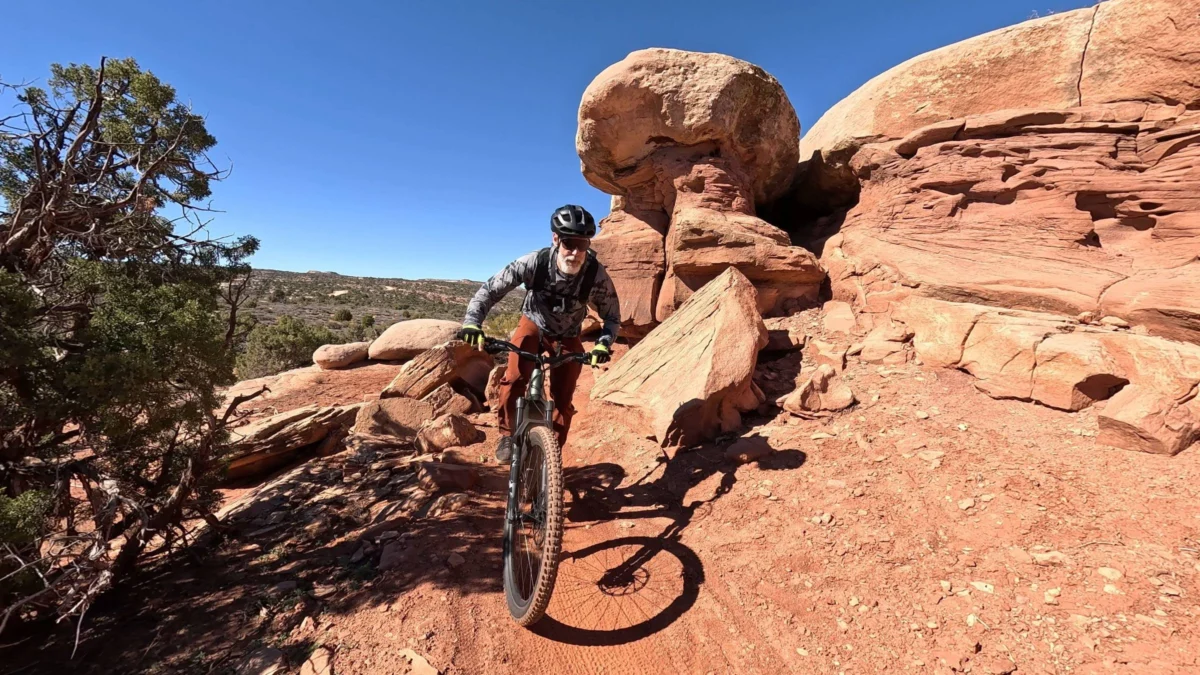
The Bureau of Land Management (BLM) Moab Field Office has officially implemented a landmark regulatory shift, opening more than 200 miles of iconic singletrack trails to Class 1 electric mountain bikes (e-mountain bikes or EMTBs). Effective March 1, 2026, this decision marks one of the most significant expansions of motorized-assist access in the history of American mountain biking, signaling a major evolution in how federal agencies manage emerging recreation technologies on public lands. The new regulations apply specifically to Class 1 e-bikes, defined as bicycles equipped with a motor that provides assistance only when the rider is pedaling and ceases to provide power when the bicycle reaches the speed of 20 mph.
This policy change transforms Moab, Utah—long considered the global epicenter of traditional mountain biking—into a premier destination for the rapidly growing e-bike market. While e-bikes remain largely prohibited on non-motorized singletrack within the National Forest System, the BLM’s decision highlights the agency’s unique "case-by-case" discretionary authority. The move follows years of rigorous environmental assessments, public discourse, and legal maneuvering between outdoor industry advocates and conservation groups.
The Evolution of E-Bike Regulation: A Multi-Year Timeline
The path to the March 2026 implementation began years earlier, rooted in shifting federal priorities regarding outdoor recreation. In 2019, the Department of the Interior issued Secretarial Order 3376, which directed agencies to create a clear definition for e-bikes and seek ways to expand their access to federal lands. This order catalyzed a series of rule-making processes intended to harmonize e-bike regulations with those of traditional, non-motorized bicycles.
By 2021, the BLM had finalized a rule allowing local managers to designate specific trails for e-bike use through the land-use planning process. The Moab Field Office subsequently initiated a comprehensive Environmental Assessment (EA) to study the potential impacts of e-bikes on the fragile high-desert ecosystem. Between 2022 and 2025, the agency fielded thousands of public comments, ranging from enthusiastic support by adaptive cyclists to stern opposition from wilderness advocates concerned about trail overcrowding and environmental degradation.
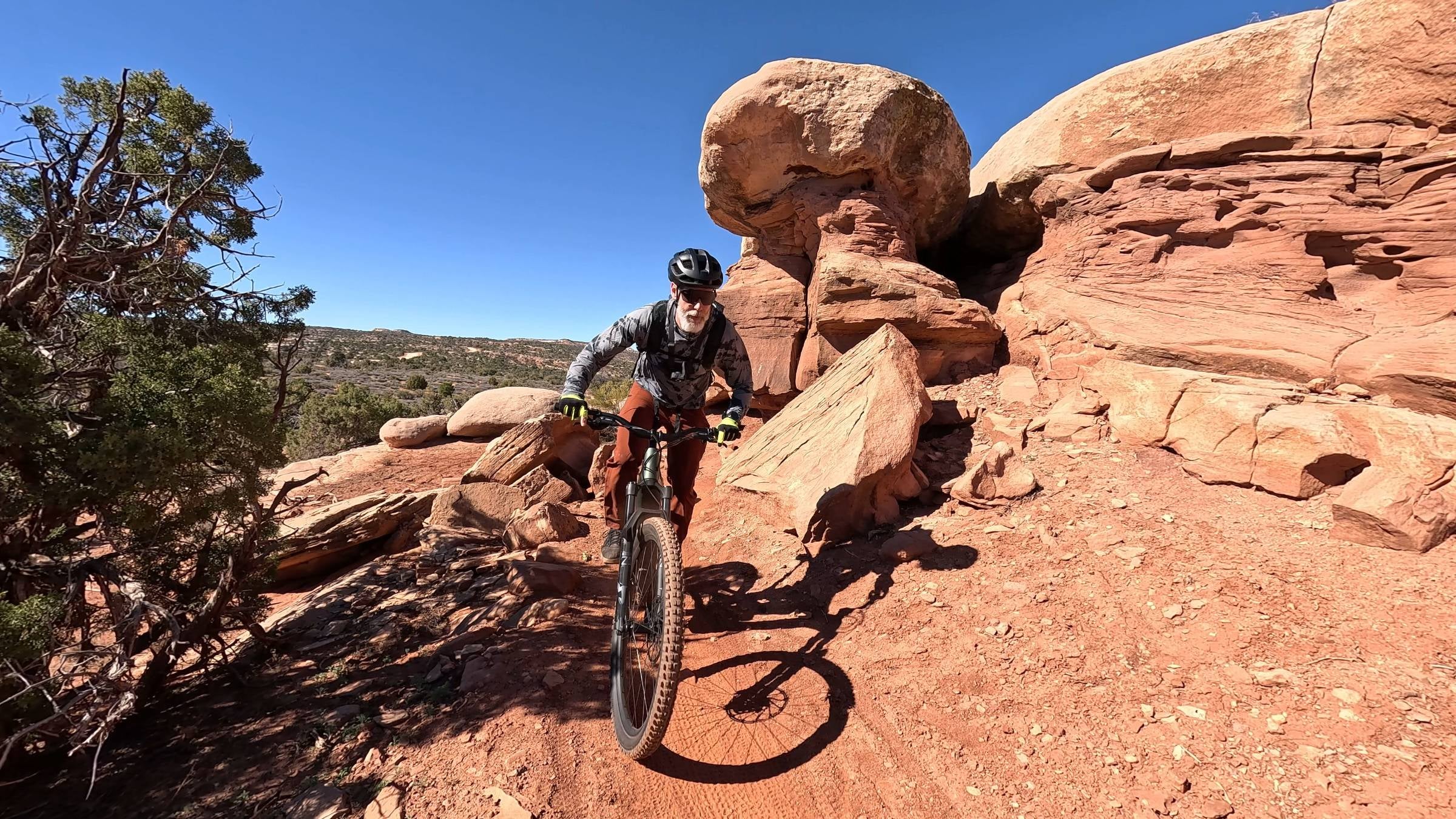
The final decision, signed in late 2025, identified over 200 miles of existing singletrack as suitable for Class 1 use. This includes popular trail systems such as the Magnificent 7, the Klondike Bluffs, and the Amasa Back area. However, the agency maintained closures on several high-traffic or environmentally sensitive routes, including portions of the Porcupine Rim, to preserve the traditional "analog" experience and protect specific geological features.
Technical Analysis and Environmental Impact Studies
Central to the BLM’s decision were findings from several environmental impact studies conducted over the last half-decade. Critics of e-bike expansion often cite concerns regarding soil erosion, wildlife disturbance, and increased wear and tear on trail surfaces due to the added weight and torque of electric motors.
However, BLM data indicates that Class 1 e-bikes and traditional mountain bikes affect trails in remarkably similar ways. A standard high-end EMTB typically weighs between 45 and 55 pounds, approximately 15 to 25 pounds more than a traditional mountain bike. While this weight difference can lead to slightly higher soil displacement during aggressive braking or cornering, the BLM concluded that these impacts are negligible compared to the damage caused by poor trail design and inadequate drainage systems.
Furthermore, because Class 1 bikes require pedaling to engage the motor and lack a throttle, they do not produce the "roosting" or significant tire spinning associated with motorcycles or Class 2 e-bikes (which feature a throttle). The agency’s study determined that the average torque applied to the trail surface by an EMTB rider is generally within the range of a powerful human athlete on a traditional bike. Consequently, the BLM has shifted its management focus toward trail maintenance and user education rather than total prohibition.
Social Inclusivity and the Adaptive Cycling Movement
A primary driver for the policy change was the demand for increased accessibility. For many riders, the introduction of pedal-assist technology is not a matter of convenience but a requirement for participation. The BLM’s Moab Field Office noted that a significant portion of the requests for e-bike access came from individuals with physical disabilities, heart conditions, or age-related mobility issues.
Case studies highlighted during the public comment period included riders like Jason Graham, a former competitive racer diagnosed with a nervous system disorder that limits his heart rate. For Graham and others with similar conditions, the ability to engage motor assistance during steep climbs prevents medical emergencies while allowing them to remain active in the sport. Under previous regulations, such riders often required specific medical waivers or doctor’s notes to use e-bikes on singletrack—a process critics described as cumbersome and exclusionary.
The new regulations effectively democratize the Moab trail experience, allowing multi-generational groups and riders of varying fitness levels to explore the backcountry together. This "inclusive" approach is expected to broaden the demographic of trail users, potentially increasing the political and financial support for public land conservation.
Economic Implications for the Moab Region
Moab’s economy is heavily reliant on outdoor tourism, with mountain biking contributing hundreds of millions of dollars in annual revenue to Grand County. Local business owners have largely welcomed the BLM’s decision, anticipating a surge in equipment rentals, guided tours, and hospitality spending.
Retailers like Moab Cyclery have already expanded their fleets to include high-performance EMTBs, such as the Specialized Turbo Levo. These bikes, which retail for several thousand dollars, command higher rental fees than traditional bikes, often exceeding $125 per day. The expansion of e-bike access is also expected to increase the "length of stay" for visitors. Because e-bikes allow riders to cover more ground with less fatigue, tourists who might have previously biked for two days may now extend their trips to four or five days, exploring more distant trail systems like the Jurassic or Magnificent 7.
The hospitality sector is also adapting. New developments, such as the Slackline Moab (part of the Outset Collection by Hilton), have designed their facilities specifically for the modern mountain biker. Features such as ground-floor "bike-in" rooms with high-amperage charging stations and on-site gear shops reflect the industry’s pivot toward the e-bike consumer.
Legal Challenges and User Conflict Concerns
Despite the official implementation, the decision remains a point of contention. Organizations such as Wilderness Watch and various "quiet use" advocacy groups have historically argued that e-bikes are motorized vehicles and should be restricted to roads and trails already designated for motorized use. They contend that the introduction of motors into non-motorized spaces violates the spirit of the Wilderness Act and changes the fundamental nature of the backcountry experience.
Concerns regarding "speed differentials" also persist. While Class 1 bikes are capped at 20 mph, they allow riders to maintain much higher speeds on uphill sections than traditional bikers. This creates a new dynamic of "uphill passing," which can lead to conflict on narrow, bi-directional trails. The BLM has addressed this by implementing new "Trail Etiquette" guidelines, emphasizing that e-bike riders must yield to all other non-motorized users and maintain controlled speeds in congested areas.
Strategic Trail Recommendations for E-Mountain Bikers
With over 200 miles of newly legal terrain, the BLM has highlighted several systems that are particularly well-suited for e-bike exploration:
The Magnificent 7 System
Located between Moab and Canyonlands National Park, this system offers expansive views and varied terrain. The Getaway Trail serves as an ideal introductory route, featuring flowy singletrack and large sections of desert "slickrock." The pedal assist is particularly beneficial here for navigating the "punchy" climbs and sandy washes that can often exhaust traditional riders.
The Jurassic Trail System
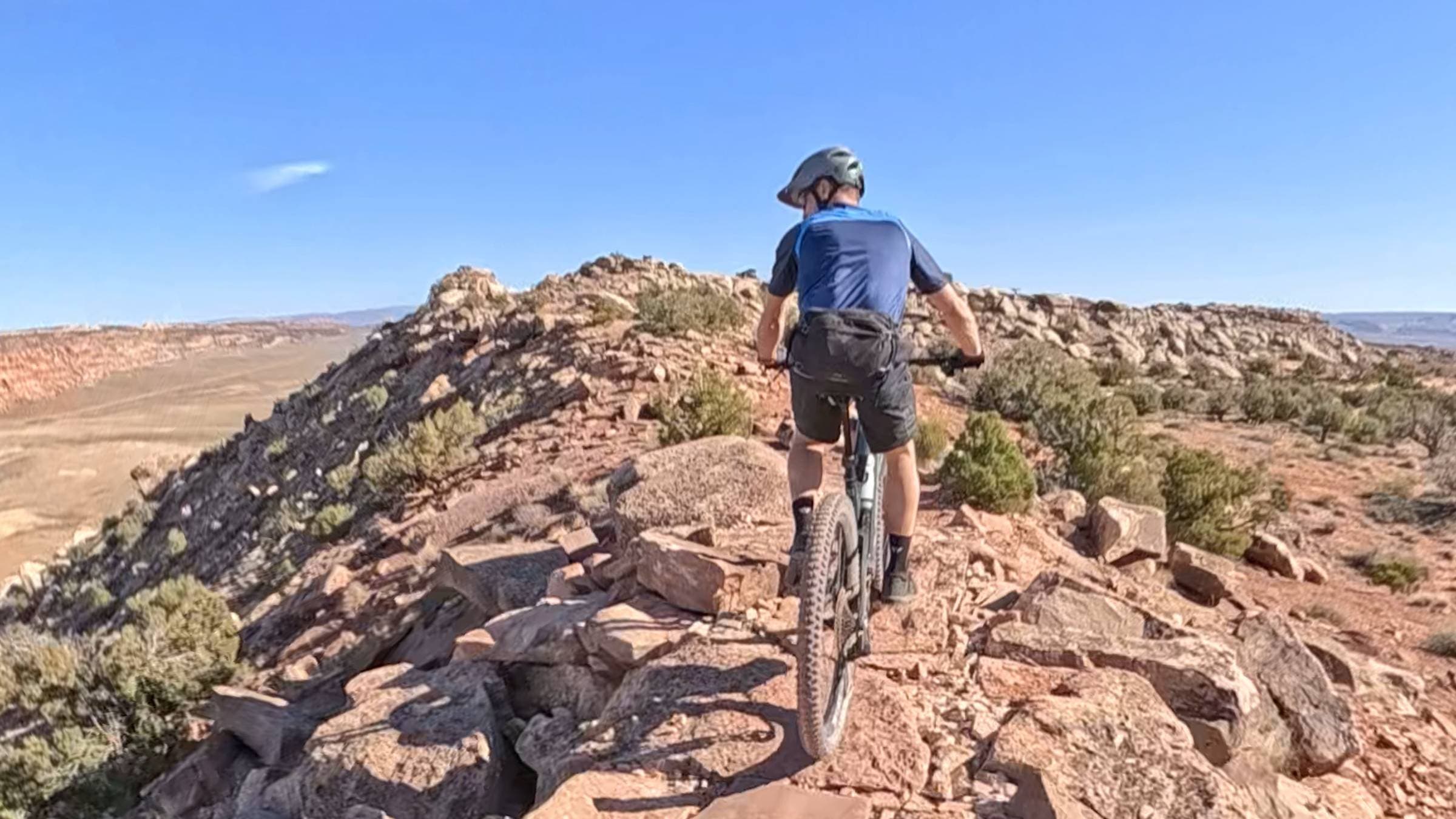
Situated north of town near Arches National Park, this system includes the Alaska Trail. This 4-mile ridge-line route offers some of the most dramatic views in the region. The approach to Alaska requires a significant climb that is made much more accessible via e-bike, allowing riders to save their energy for the technical boulder navigation and descent.
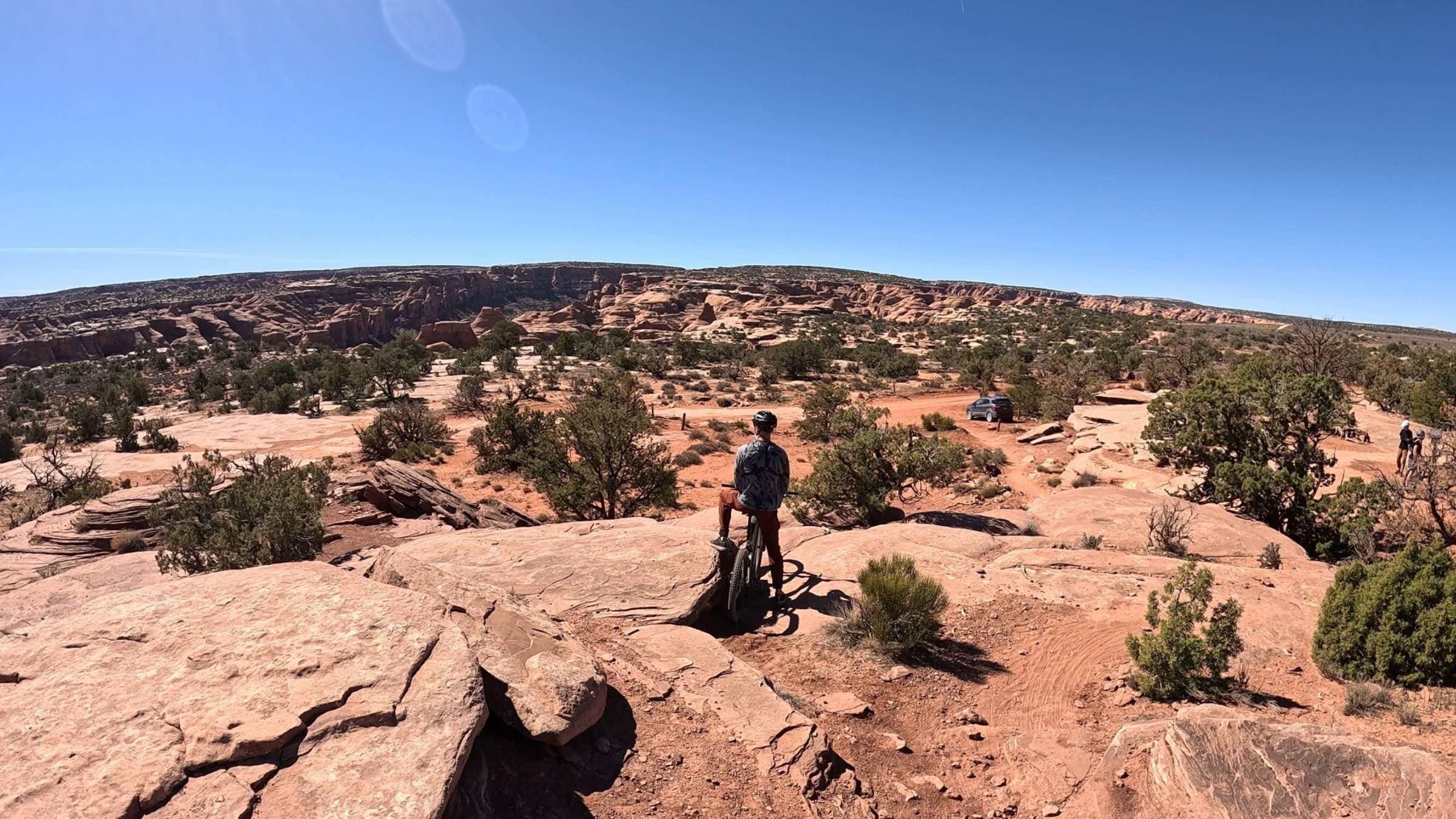
The Amasa Back System
For advanced riders, the Captain Ahab trail remains the gold standard of technical Moab riding. While extremely demanding, the use of an EMTB allows experts to session difficult features and complete the grueling 8-mile loop with enough energy to maintain focus on the high-exposure descents.
Conclusion and Future Outlook
The BLM’s decision to open Moab’s singletrack to Class 1 e-bikes represents a pivotal moment in public land management. By prioritizing inclusivity and acknowledging the minimal environmental difference between analog and Class 1 bikes, the agency has set a precedent that other field offices may soon follow.
As the 2026 season progresses, the BLM will continue to monitor trail conditions and user interactions. The success of this initiative will likely depend on the "Self-Regulation" of the mountain biking community—specifically, whether e-bike riders adhere to speed limits and yield the right-of-way. If successful, Moab may not only remain the mountain biking capital of the world but also become the blueprint for how motorized-assist technology can be integrated into the wilderness without compromising the integrity of the outdoor experience.


 Chandra Hamzah
 Budi Mulyono
 Tatiana Tantri Indah Sari