
 Anjar Salim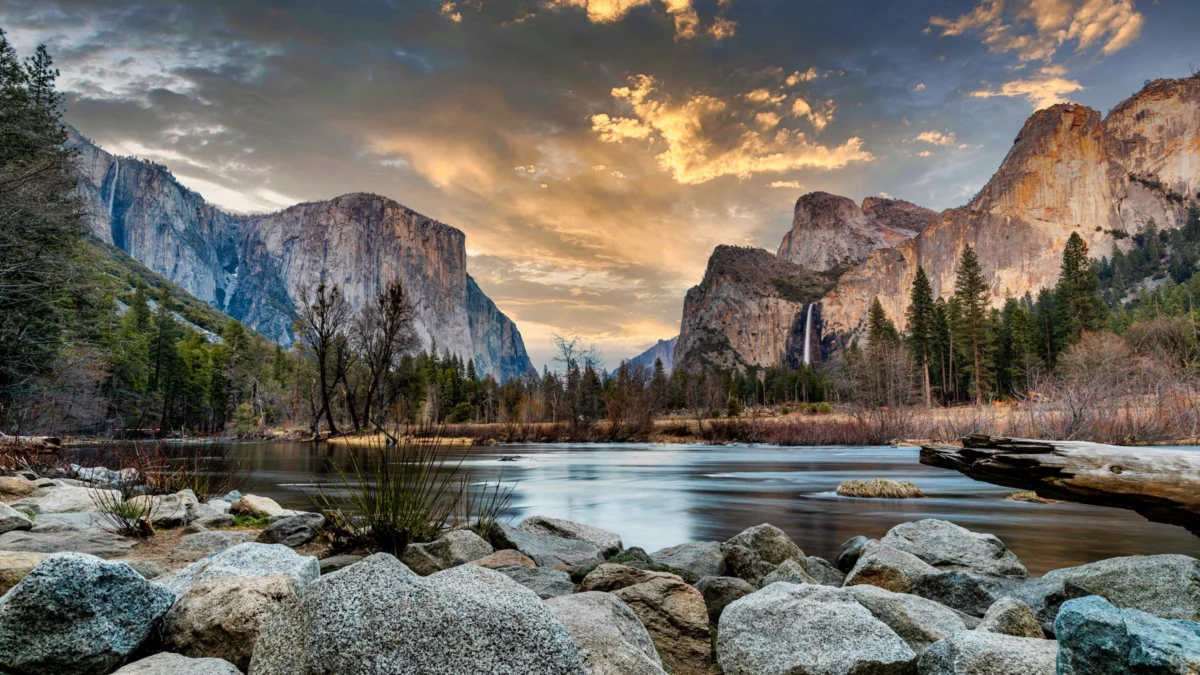
The Bureau of Land Management (BLM) is currently advancing a comprehensive and controversial federal plan to authorize oil and gas leasing, including hydraulic fracturing, across more than one million acres of public land throughout California. The proposal, which has drawn significant scrutiny from environmental advocates, local governments, and outdoor industry leaders, targets vast swaths of territory stretching from the San Francisco Bay Area to Santa Barbara and the Central Valley. Of particular concern to conservationists is the proximity of the proposed drilling sites to some of the nation’s most iconic protected areas, including Yosemite National Park, Sequoia National Park, and the Carrizo Plain National Monument.
The Trump administration’s initiative represents a significant shift in federal land management priorities within the state, seeking to unlock mineral resources on lands that have been largely shielded from new extraction activities for years due to legal challenges and environmental concerns. According to the BLM, the move is part of a broader federal strategy to bolster domestic energy production and utilize the "split-estate" mineral rights held by the federal government. However, the plan has met with fierce resistance; by March 2026, nearly 200,000 Californians had submitted formal comments to the BLM, the vast majority of which voiced opposition to the expansion of fossil fuel infrastructure on public lands.
Historical Context and Regulatory Chronology
The current push to open California’s public lands to energy extraction is the latest chapter in a protracted legal and administrative battle that began during the first Trump administration. In 2019, the BLM initially unveiled plans to open these territories to leasing. The proposal was immediately met with litigation from a coalition of environmental groups and the State of California, who argued that the federal government had failed to adequately assess the long-term impacts of fracking on air quality, groundwater, and climate change.
Following these legal challenges, the plans were suspended. Courts ruled that the BLM’s environmental impact statements were insufficient under the National Environmental Policy Act (NEPA), specifically regarding the risks posed by hydraulic fracturing. This led to a multi-year hiatus during which the agency was required to conduct supplemental environmental analyses.
In January 2026, the BLM released its updated assessments, claiming to have addressed the previous legal deficiencies. These new documents serve as the foundation for the current proposal. The publication of these assessments triggered a 30-day public comment period, which saw an unprecedented volume of feedback. Organizations such as the Center for Biological Diversity (CBD) and the Sierra Club have already labeled the 2026 assessments as "inadequate," suggesting that the stage is set for a new round of litigation once the final Record of Decision is published, which is expected in July 2026.
Geographic Scope and the "Split-Estate" Conflict
The proposal is divided primarily into two distinct management plans: one overseen by the BLM’s Bakersfield Field Office and the other by the Central Coast Field Office. Together, these plans encompass roughly 1.2 million acres of federal mineral estate.
The Bakersfield plan is particularly expansive, covering eight counties in the San Joaquin Valley and the Southern Sierra Nevada. This region includes lands directly adjacent to the Sierra National Forest and within a ten-mile radius of Yosemite National Park’s western boundary. Furthermore, the plan identifies leasing opportunities on the borders of Sequoia and Kings Canyon National Parks and the Carrizo Plain National Monument, the latter of which is known for its high concentration of endangered species and cultural heritage sites.
The Central Coast plan covers land in the Monterey, Santa Cruz, and Santa Barbara regions. A significant portion of the land involved in these proposals is classified as "split-estate." This legal arrangement occurs when the federal government owns the subsurface mineral rights while the surface rights are held by private individuals, corporations, or the state government. This creates a complex regulatory environment where federal energy priorities can clash directly with the land-use preferences of private owners or local conservation mandates.
Environmental and Economic Implications
The primary technical concern cited by opponents is the use of hydraulic fracturing, or fracking. This process involves injecting high-pressure fluid into subterranean rock formations to release oil and gas. In California’s seismically active and water-scarce environment, fracking is a point of intense debate. Critics point to the potential for groundwater contamination and the significant volumes of water required for operations—a resource that is increasingly precious in the state’s Central Valley.
From an ecological perspective, the targeted lands provide vital corridors for endemic species. The Center for Biological Diversity has noted that many of the proposed areas serve as "buffer zones" for national parks. Cooper Kass, an attorney for the CBD, emphasized that the proximity of industrial drilling to these protected areas could lead to habitat fragmentation, noise pollution, and diminished air quality, all of which threaten the integrity of the ecosystems within the park boundaries.
The economic debate is equally polarized. Proponents of the plan, including industry trade groups and federal officials, argue that increased drilling will generate high-paying jobs and provide a steady stream of revenue through lease sales and royalties. Conversely, leaders in California’s outdoor recreation and tourism sectors argue that the industrialization of public lands poses a direct threat to the state’s "green economy."
Ryan Gellert, CEO of Patagonia, highlighted this tension, noting that California’s public lands bolster local economies by supporting a multi-billion dollar outdoor industry. "Our public lands and waters should be preserved for the use of the public, not offered up for sale to oil and gas companies," Gellert stated. The argument posits that the long-term economic value of tourism and recreation in areas like the Los Padres National Forest and near Yosemite far outweighs the short-term gains of oil extraction.
Official Responses and Public Sentiment
The Bureau of Land Management has maintained a neutral administrative stance in its public communications, emphasizing its duty to manage public lands for "multiple use" as mandated by the Federal Land Policy and Management Act. Kate Miyamoto, a BLM public affairs specialist, confirmed that the agency is currently in the process of reviewing the 200,000 comments received.
"The BLM welcomes public input and considers new or unique information as part of its decision-making," Miyamoto stated. "The BLM will review, consider, and respond to these comments in the final decision, ensuring public involvement in federal actions."
Despite this assurance, environmental groups remain skeptical. The Los Padres ForestWatch, a regional conservation group, has utilized interactive mapping technology to show the public exactly where the drilling could occur. Their analysis suggests that the current proposal does not do enough to protect sensitive watersheds or high-visibility "viewsheds" that are essential to the visitor experience in national forests and monuments.
The sheer volume of public comments—nearly 200,000 in just two months—indicates a high level of civic engagement and a widespread desire among Californians to maintain the status quo of conservation rather than expansion. This public pressure is likely to influence the state government’s response, as California has historically used its own regulatory powers (such as those granted by the California Environmental Quality Act) to challenge federal energy policies that conflict with state climate goals.
Future Outlook and Legal Forecast
As the BLM moves toward its July 2026 deadline for a final decision, the legal landscape appears increasingly volatile. If the agency proceeds with the current plans, it is highly probable that a coalition of environmental organizations and state agencies will file new lawsuits to halt the leasing process. These legal challenges would likely focus on whether the 2026 environmental assessments truly accounted for the cumulative impacts of methane leaks, seismic risks, and the carbon footprint of the proposed extraction.
The outcome of this federal plan will have profound implications for the future of land management in the United States. It tests the limits of the executive branch’s power to prioritize resource extraction over conservation and recreational use on lands that are situated in the shadow of the nation’s most "protected" landscapes.
For the residents of the Central Coast and the San Joaquin Valley, the stakes are immediate. The decision will determine whether their local landscapes remain focused on agriculture, tourism, and conservation, or whether they will see a resurgence of industrial fossil fuel production. With the final decision just months away, the tension between federal energy mandates and local environmental preservation remains one of the most significant policy conflicts in the American West.


 Chandra Hamzah
 Budi Mulyono

 Tatiana Tantri Indah Sari