
 Chandra Hamzah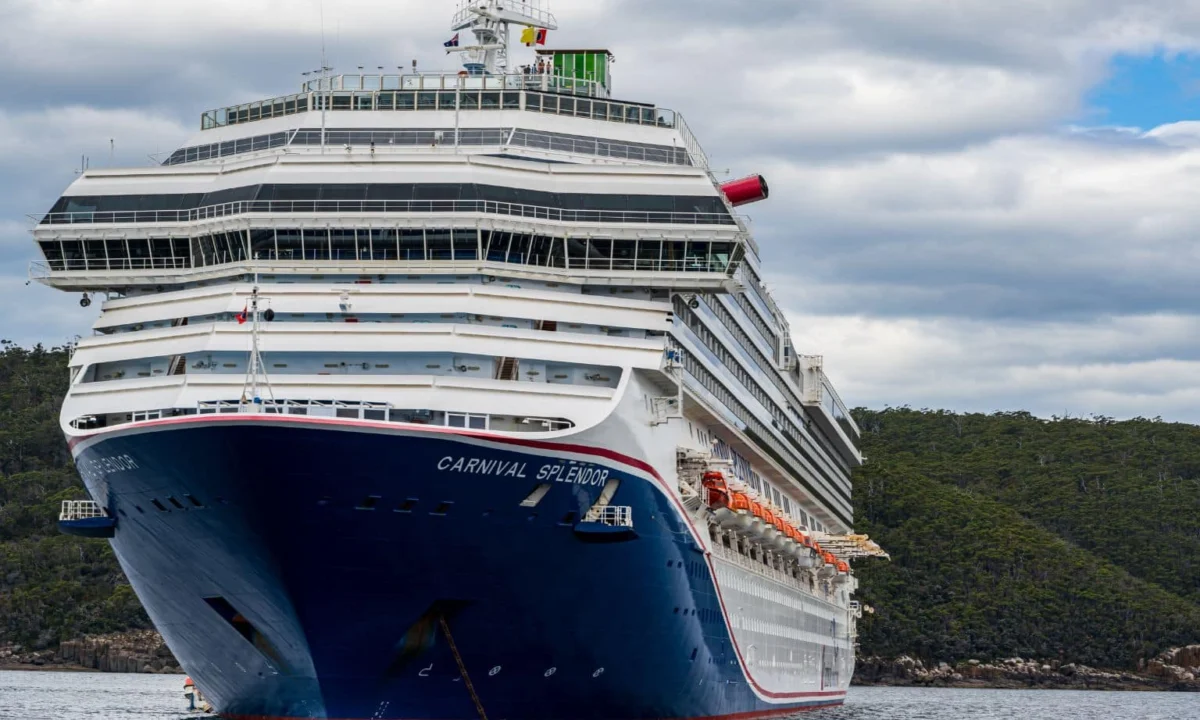
Carnival Cruise Line has officially informed passengers booked on a specific 2027 voyage aboard the Carnival Splendor that their cruise has been cancelled due to a private charter of the vessel. The affected sailing was scheduled to depart from Sydney, Australia, on October 12, 2027, embarking on a 10-night round-trip itinerary to New Zealand, specifically focusing on the North Island. This abrupt cancellation, occurring more than two years in advance of the scheduled departure, has understandably caused significant disruption and disappointment for the affected guests.
The cruise line communicated the cancellation via email to all booked passengers, stating, "We are very sorry to inform you that the ship has been chartered and your cruise has been cancelled." At present, the identity of the entity that has chartered the Carnival Splendor remains undisclosed. However, it is understood that the ship is still expected to undertake the planned route around the North Island of New Zealand, but this itinerary will now be exclusively for the private charter group and will not be available to the general public.
Background and Chronology of the Cancellation
The cancellation of the October 12, 2027, sailing of the Carnival Splendor represents a significant disruption for a segment of Carnival’s clientele who had planned their holidays well in advance. The decision to charter out a ship that already has public bookings is a practice that, while not entirely uncommon in the cruise industry, is often met with frustration by affected passengers.
The timeline of events leading to this announcement likely involved negotiations for the private charter, which eventually culminated in a decision to reallocate the Carnival Splendor for this exclusive event. Once the charter agreement was finalized and confirmed, Carnival Cruise Line initiated the process of notifying the impacted passengers. The lead time of over two years for this notification suggests an effort to provide passengers with ample opportunity to make alternative arrangements, although the nature of the cancellation still presents considerable challenges.
The Carnival Splendor is a significant vessel within the Carnival fleet, known for its extensive amenities and capacity. Its deployment on a New Zealand itinerary from Sydney is a strategic choice for the cruise line, aiming to capitalize on the growing demand for voyages to the Southern Hemisphere’s scenic destinations. Cancellations of this nature can have a ripple effect, impacting not only the direct passengers but also potentially influencing future booking patterns and perceptions of the cruise line’s reliability.
Support and Compensation for Affected Passengers
Carnival Cruise Line has outlined a compensation package for guests whose bookings have been cancelled. Passengers are being offered two primary options: a full refund of their cruise fare and any pre-purchased items, or a protected rate to rebook on an alternative cruise. Additionally, for those who choose to rebook, Carnival is offering a $100 onboard credit as an incentive.
The decision to offer a protected rate aims to mitigate the financial impact of rebooking, particularly in instances where alternative itineraries or similar voyages may have increased in price since the original booking. The onboard credit further encourages passengers to remain loyal to the Carnival brand. However, for guests who opt for a full refund and choose not to rebook, the process is designed to be straightforward, with automatic full refunds being processed.
The effectiveness of these compensation measures is often judged by the passengers themselves. While a full refund is a fair resolution, the opportunity to rebook at a protected rate and with additional credit addresses the inconvenience and potential loss of value associated with the cancellation. The success of these rebooking incentives will depend on the availability of suitable alternative cruises and the perceived value of the offer in comparison to the original booking.
New Zealand as a Cruise Destination: A Broader Perspective
New Zealand, or Aotearoa, as it is known in Māori, is a sought-after cruise destination, celebrated for its dramatic landscapes, from fjords and glaciers to geothermal wonders and vibrant cities. However, cruise itineraries to New Zealand, particularly those departing from Australia, are not as abundant as those to more established regions like the South Pacific. This relative scarcity can make finding a comparable replacement cruise more challenging for passengers.
Carnival Cruise Line has historically offered some of the most competitively priced cruises to New Zealand from Australia. In comparison, other major cruise lines such as Royal Caribbean and Princess often command significantly higher fares for similar itineraries, sometimes nearly double the price. This price differential is a crucial factor for many passengers when choosing their cruise holidays. The cancellation of a Carnival New Zealand sailing means that some passengers may find it financially prohibitive to secure a similar experience with other cruise lines.
Adding to the available options, another Carnival ship, the Carnival Adventure, is slated to operate some homeported cruises out of New Zealand in 2027. While this presents an alternative for those eager to visit Aotearoa, the logistics and cost implications need careful consideration. The expense of flights to New Zealand, combined with the cruise fare and potential land-based activities, could ultimately make such an option more costly than the original Sydney-departing Carnival Splendor voyage. This highlights the unique value proposition that Carnival often provides for New Zealand itineraries.
The Economics of Private Charters in the Cruise Industry
The practice of chartering out cruise ships is a well-established and often lucrative aspect of the maritime industry. Cruise lines can generate substantial revenue by leasing their vessels to third-party organizations for private events, corporate functions, music festivals, or other specialized group travel. These charters typically involve a fixed fee paid by the charterer to the cruise line, which can be highly advantageous, especially during periods when direct passenger bookings might be less robust or when the charterer offers a premium for exclusive use.
The Carnival Splendor‘s cancellation for a private charter is a testament to the financial incentives that such arrangements can provide. While cruise lines strive to maintain a consistent public schedule, the financial benefits of a private charter can sometimes outweigh the complexities of managing existing bookings. The timing of this particular charter, occurring on a ship with pre-existing public itineraries, points to a situation where the charter offer was sufficiently attractive to warrant the disruption.
It is noteworthy that such charters are frequently associated with themed music events. Carnival ships have, in the past, been utilized for specialized cruises such as "Rock the Boat" or heavy metal-themed voyages, which attract dedicated fan bases and generate significant revenue streams. The specific nature of the charter for the Carnival Splendor‘s October 2027 sailing remains unknown, but it is plausible that it falls into one of these specialized categories, or a unique corporate or group incentive program.
Passenger Reactions and Concerns
The cancellation has understandably sparked a range of reactions from passengers who had booked the affected cruise. Many have expressed their disappointment and frustration, particularly regarding the perceived priority given to commercial interests over existing customer commitments. The sentiment is that while chartering is a business practice, its implementation at the expense of loyal customers who booked well in advance can erode trust.
Kerry Yates voiced a common sentiment, stating, "Carnival is all about money. I just don’t think it’s right (even though it’s in their contract) to cancel a cruise because someone wants to charter it." This highlights a key point of contention: the contractual right of the cruise line versus the ethical implications of disrupting long-held travel plans.
Kylie Lucas echoed this sentiment, questioning the logistics: "How can they charter it out if it’s already booked by guests? Seriously lift your game Carnival this is BS." This reaction points to a feeling of being disregarded and a desire for greater transparency and consideration from the cruise line.
Mel Guy elaborated on the practical difficulties faced by families and individuals who plan holidays far in advance. "Many employees like myself have restricted windows to book leave in," he explained. "Booking that far ahead is the only way we could line up leave in my family so I would not be impressed." This underscores the significant planning required for many passengers, especially those with rigid work schedules, making rebooking a complex and potentially unfeasible task.
Furthermore, Guy raised concerns about the rebooking process itself, suggesting that Carnival may not be making it easy for passengers to find suitable alternatives. He noted that "Their call centre is difficult to get through to and they have a small window [of time] to do it. They would obviously prefer refunding deposits so that people have to pay the inflated new prices to book again." This implies a suspicion that the compensation offered, while appearing generous on the surface, might be designed to subtly encourage refunds rather than seamless rebookings, potentially benefiting the cruise line through subsequent, higher-priced bookings.
Analysis of Implications
The cancellation of a public cruise due to a private charter, especially with such a significant lead time, raises several implications for Carnival Cruise Line and the wider cruise industry:
- Customer Trust and Loyalty: While cruise lines have contractual clauses that allow for such cancellations, a repeated pattern of such disruptions could erode customer trust and loyalty. Passengers who feel undervalued or inconvenienced may seek alternative cruise lines for future bookings.
- Competitive Positioning: As noted, Carnival often offers a more accessible price point for certain destinations like New Zealand. If passengers are unable to secure comparable value due to cancellations or the need to book with more expensive lines, Carnival’s competitive edge in these markets could be diminished.
- Operational and Financial Strategy: The decision to charter out a ship with existing bookings suggests a calculated financial strategy. However, the potential for negative publicity and customer dissatisfaction must be weighed against the immediate financial gains of a charter. A balance is crucial to maintain long-term brand health.
- Industry Standards: While private charters are a reality, the way they are managed, particularly concerning pre-booked passengers, can set precedents. Transparent communication, fair compensation, and genuine efforts to facilitate alternative arrangements are key to maintaining industry standards and passenger satisfaction.
Carnival Cruise Line, like all major cruise operators, navigates a complex business environment where balancing revenue generation with customer experience is paramount. The Carnival Splendor incident serves as a reminder of the delicate equilibrium required to manage these competing interests effectively. The coming months will likely reveal more about the identity of the charterer and the nature of their exclusive voyage, while passengers affected by the cancellation will be making crucial decisions about their future holiday plans.



 Anjar Salim
 Budi Mulyono

 Tatiana Tantri Indah Sari