Chandra Hamzah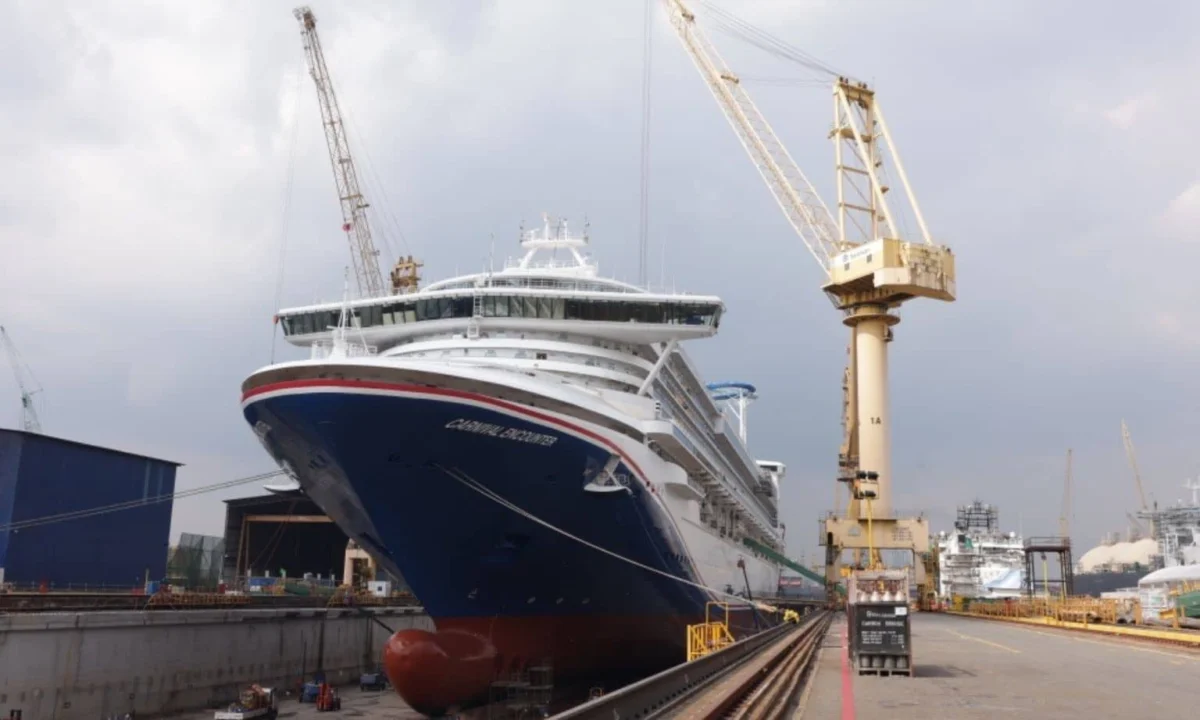
Passengers returning from a significant three-week, $65 million dry dock refurbishment of Carnival Encounter in Singapore have expressed widespread disappointment, citing ongoing construction, incomplete renovations, and persistent maintenance issues. Despite the substantial investment aimed at modernizing the vessel, initial reports from guests suggest a stark contrast between expectations and the reality onboard, raising questions about the effectiveness and execution of the extensive upgrade.
The Carnival Encounter, a vessel within the Carnival Cruise Line fleet, underwent its extensive dry dock period in Singapore. This process, typically designed to refresh and enhance passenger amenities, was intended to introduce new features such as spa suites and upgraded pool areas, including faster waterslides. However, contrary to the anticipated unveiling of a revitalized ship, a growing chorus of passenger feedback indicates that the work is far from complete, leaving many guests feeling let down by the experience.
Passenger Accounts Paint a Bleak Picture
Popular Australian cruise bloggers, Deb and Matt Chat, have been instrumental in collating and disseminating passenger feedback. Their summary, based on direct communications from individuals who have recently disembarked from the Carnival Encounter, paints a concerning picture. "Passengers returning from the ship’s dry dock are reporting incomplete renovations, leaks in cabins and areas of the ship still resembling a construction site," they stated. This sentiment was echoed by Deb, who added, "There are a lot of disappointed people. There are some saying ‘yay’ for the upgrades that they’ve done, but people were expecting more."
Specific issues highlighted by passengers include the Byron Bay pool area, which reportedly remains a "construction zone or building site." Further compounding the passenger experience, the ship’s lifts have been sequentially taken offline for upgrades to Carnival’s Safety Systems. While these behind-the-scenes improvements are noted, their impact on passenger flow and accessibility during the transition has been a source of inconvenience.
The issues extend beyond public areas. Numerous cabins are reported to have "leaking ceilings, toilets not fully functioning and rooms covered in mold." These are fundamental comfort and hygiene issues that directly impact the guest experience, particularly after a significant refurbishment intended to improve such aspects.
Even seemingly completed aesthetic upgrades have faced criticism. While the seats in the Marquee Theatre have been recovered, the accompanying tables have not, leading to an inconsistent and unfinished appearance. A persistent problem with the carpets in public areas, described as "still very sticky," has also been highlighted. An explanation offered suggests that the carpets were scotch-guarded prior to the protective plastic covering being laid down, trapping a sticky residue.
The pool areas on Deck 14, which were reportedly painted with new astroturf, have also encountered functional problems. Passengers report that the drainage systems were not adequately repaired, leading to flooding even with minimal water. These ongoing issues have resulted in "lines for guest services with people making their concerns known daily," indicating a significant level of passenger dissatisfaction.
Timeline of the Refurbishment and Initial Deployments
The Carnival Encounter’s dry dock period in Singapore concluded recently, with the vessel now undertaking its return voyage to Australia. This immediate post-refurbishment period is critical for assessing the success of the invested capital. The ship’s deployment schedule typically involves sailing to and from Australia, catering to the Australian and New Zealand cruise market.
The $65 million investment underscores Carnival Cruise Line’s commitment to maintaining and upgrading its fleet. Dry docks are a standard and essential part of cruise ship operations, allowing for necessary maintenance, regulatory compliance, and the implementation of new features. The duration of three weeks is substantial, suggesting a comprehensive overhaul was planned. However, the reported outcomes suggest a potential disconnect between the project’s scope and its execution.
Passenger Perspectives and Future Implications
The general sentiment among affected passengers appears to be one of bewilderment regarding the allocation of funds. A comment on Deb and Matt’s platform succinctly captured this: "I wonder where the $65 million went." This question resonates with the passengers who are experiencing the shortcomings firsthand.
Leanda Robbins, another passenger currently onboard, provided further details, corroborating the lack of upgrades to seating in the Marquee show lounge. She also touched upon Carnival’s strategy of differentiating the Encounter and Adventure ships by retaining three included restaurants, noting that this approach is set to change with the expiration of Luke’s contract in early May, leading to the introduction of a steakhouse and burger bar. Robbins also speculated on the continued presence of a New Zealand ice cream contract, suggesting it might not be economically viable for Carnival to terminate it early. She expressed a personal preference for the Encounter retaining some ties to its P&O heritage, acknowledging P&O’s significant history in Australia and New Zealand.
Robbins further suggested that changes might be implemented on the Adventure ship, particularly as it is slated for a six-month deployment in America. She anticipates that American passengers might expect the full suite of standard Carnival offerings, which could necessitate further adjustments.
Carnival Cruise Line’s Response and Future Oversight
As of the publication of this article, Carnival Cruise Line has not issued a formal public statement addressing the specific passenger complaints regarding the Carnival Encounter’s post-refurbishment condition. However, in the cruise industry, it is standard practice for cruise lines to investigate passenger feedback and address issues. Typically, a cruise line would dispatch a senior management team or technical surveyors to assess the situation onboard.
Given the reported scale of the issues, it is probable that Carnival’s operational and technical teams are actively reviewing the reports from the ship and the dry dock. The company will likely be assessing the contractor’s performance and the final inspection protocols that were in place. The swiftness and nature of any official response, as well as the corrective actions taken, will be crucial in rebuilding passenger confidence.
The implications of this situation extend beyond the immediate passenger experience. A costly refurbishment that fails to meet expectations can damage a cruise line’s reputation, particularly in a competitive market. Word-of-mouth, amplified by social media and cruise blogs, can significantly influence booking decisions. Passengers who have invested in a cruise expecting a premium experience and encounter unfinished work or ongoing problems may be hesitant to book with the same cruise line in the future.
Broader Industry Context and Future Outlook
The cruise industry relies heavily on maintaining high standards of onboard experience. Refurbishments are a critical component of this, ensuring that vessels remain attractive and competitive. The significant investment in the Carnival Encounter signals a commitment to the Australian market. However, the reported shortcomings highlight the complexities of large-scale marine refurbishment projects. These projects involve numerous contractors, intricate technical work, and tight deadlines, all of which can contribute to unforeseen challenges.
Cruise Passenger magazine is scheduled to have its own representatives onboard the Carnival Encounter in the coming weeks to provide an independent assessment, complete with imagery and footage. This firsthand review will offer further insight into the ship’s condition and the effectiveness of the completed upgrades.
The ongoing dialogue between passengers and cruise lines is vital for driving improvements. The active engagement of readers and their willingness to share their experiences, as facilitated by publications like Cruise Passenger, serves as a crucial feedback loop for the industry. The company’s subsequent actions will be closely watched by both consumers and industry observers, as they will shape perceptions of Carnival Cruise Line’s commitment to quality and passenger satisfaction in the wake of this significant refurbishment. The ultimate success of the $65 million investment will be measured not only by the physical changes to the ship but by the renewed trust and satisfaction of its passengers.
Your Voice Matters: Continued Feedback Encouraged
Cruise Passenger values the insights and experiences of its readers. The "Your Say" column aims to highlight the most pertinent issues and discussions within the Australian cruise community. Readers are encouraged to continue sharing their comments and feedback on all published stories. The best contributions will be selected and featured in this ongoing column, fostering a robust and informed dialogue about the state of cruising.



 Anjar Salim
 Tatiana Tantri Indah Sari
 Walid Sujud Trenggono
 Budi Mulyono