Budi Mulyono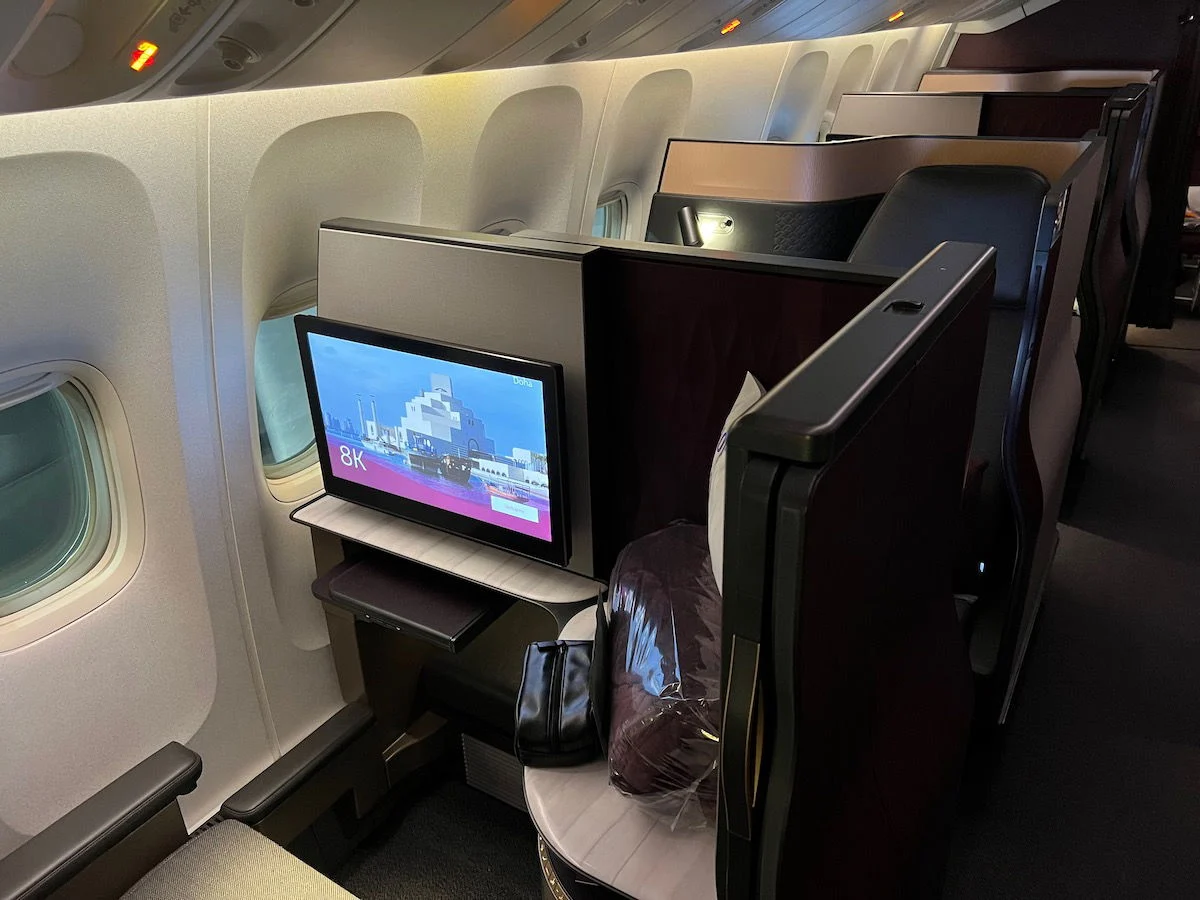
The intersection of digital content creation and commercial aviation has reached a new point of friction following a series of incidents involving Qatar Airways cabin crew and a prominent travel influencer. Ed Soto, a points-and-travel content creator, recently utilized social media to voice his dissatisfaction after being instructed by airline staff to cease filming on three out of four consecutive flights. This dispute highlights a growing tension within the aviation industry: the conflict between an influencer’s desire to document "luxury experiences" and the airline’s mandate to protect the privacy of its employees and passengers while maintaining operational security.
The Incident: A Chronology of Conflict
Over a two-week period, Ed Soto and his spouse traveled on four separate Qatar Airways flights, primarily in premium cabins. According to statements released by Soto on his Instagram platform, cabin crew members intervened during the boarding process on three of these four journeys. The influencer reported that the crew’s "attitude" was a primary source of frustration, claiming that their requests to stop recording disrupted the premium "experience" for which he had paid.
The conflict centered on the influencers’ method of documentation. Video footage shared by Soto showed a "convoy" approach to filming, where one individual records the other walking into the aircraft. This method often captures the faces of cabin crew standing at the galley to greet passengers, as well as other travelers already seated or stowing luggage. Soto argued that as a Business and First Class passenger, the ability to record the journey is an integral part of the holiday experience. He further asserted that crews should allow filming to continue and only request the blurring of faces after the fact, rather than interrupting the recording process in real-time.
Despite these claims, the footage eventually uploaded to social media by the influencer contained the clear, unblurred faces of the very crew members who had requested privacy. This sparked a significant debate among travel professionals and the general public regarding the ethics of "Main Character Syndrome" in shared public and semi-private spaces.
Airline Policy and the Legal Landscape of In-Flight Filming
While influencers often view the aircraft cabin as a backdrop for commercial or personal content, airlines view it as a workplace and a secure environment. Qatar Airways, like many international carriers, maintains strict internal policies regarding the photography and filming of its staff and equipment.
Contract of Carriage and Privacy
When a passenger purchases a ticket, they enter into a "Contract of Carriage." While these documents are lengthy, they generally grant the airline the right to refuse service or intervene if a passenger’s conduct interferes with the duties of the crew or the privacy of others. Most major carriers, including United Airlines, American Airlines, and Delta, have explicit policies stating that photography or filming of airline personnel, equipment, or other passengers without express consent is prohibited.
Qatari Law and Privacy Regulations
The incident took place on a carrier headquartered in Doha, Qatar. It is critical to note that Qatari law regarding privacy is significantly more stringent than that of the United States or the United Kingdom. Under the Qatari Penal Code and the 2014 Cybercrime Prevention Law, photographing or filming individuals in public or private spaces without their consent—and subsequently posting those images online—can be a criminal offense. Specifically, Article 8 of the Cybercrime Law provides for penalties for anyone who violates social values or publishes news, photos, or even personal comments related to the private life of individuals, even if the information is true.
For Qatar Airways crew, the request for a passenger to stop filming is not merely a matter of "attitude" or personal preference; it is often a matter of adhering to national legal standards and corporate security protocols.
The Rise of the Influencer Economy in Aviation
The aviation industry has had a complex relationship with influencers over the last decade. On one hand, high-quality "trip reports" and cabin reviews serve as free marketing, showcasing the lie-flat seats, gourmet dining, and amenity kits of premium cabins. Qatar Airways has frequently won "World’s Best Airline" accolades from Skytrax, and digital media has played a significant role in cementing its reputation for luxury.
However, the "influencer economy" has also led to a saturation of content that can impede airline operations. The process of "meticulous documentation" often involves:
- Delayed Boarding: Influencers often stop in jet bridges or galleys to get the perfect "walk-on" shot, obstructing the flow of other passengers.
- Privacy Breaches: High-net-worth individuals and celebrities often fly in Business and First Class specifically for the privacy and anonymity it affords. The presence of cameras can compromise this expectation.
- Crew Harassment: Cabin crew are safety professionals first and service providers second. Being treated as "background extras" in a passenger’s social media production can detract from their ability to monitor the cabin for safety hazards or security threats.
Comparative Analysis: Industry Standards and Responses
To understand the broader context of the Qatar Airways incident, it is helpful to look at how other global carriers handle similar situations.
- United Airlines: The carrier’s policy states that "Photography and video recording are permitted if the person being recorded is a willing participant. If a crew member or passenger asks not to be recorded, the passenger must stop immediately."
- Emirates: As a regional competitor to Qatar Airways, Emirates also emphasizes the privacy of its crew. While they often encourage "lifestyle" shots of the food and seats, they have been known to intervene if filming becomes intrusive to the crew’s workflow.
- The "Vlogger" Defense: Many professional travel vloggers, such as Sam Chui or Ben Schlappig (the founder of One Mile at a Time), have established a protocol of asking for permission before the flight begins. This proactive approach usually results in a more cooperative relationship between the creator and the crew.
In the case of Ed Soto, the fact that the intervention occurred on three out of four flights suggests a consistent enforcement of policy by Qatar Airways rather than an isolated incident of "bad service." From a journalistic perspective, the repetition of the event indicates that the influencer was likely flagged or that his filming style was consistently violating the airline’s standard operating procedures.
Labor Perspectives: The Right to a Private Workplace
The Association of Flight Attendants (AFA) and other global labor unions have increasingly voiced concerns about the "non-consensual filming" of transport workers. In the age of viral videos, crew members often fear that a single misunderstood interaction, captured out of context and edited for social media engagement, could lead to disciplinary action or online harassment.
The sentiment among aviation professionals is that the cabin is a workplace, not a public park. When an influencer claims that a crew member’s request for privacy "ruins the excitement" of a trip, it creates a lopsided dynamic where the passenger’s "excitement" is prioritized over the employee’s legal right to privacy and a focused work environment.
Broader Implications for the Future of Travel
The dispute between Qatar Airways and the influencer community serves as a harbinger for potential changes in how airlines manage digital media. As cameras become more discreet and the drive for "viral content" increases, several outcomes are possible:
- Stricter Enforcement of No-Filming Zones: Airlines may begin to implement stricter "no-filming" policies during critical phases of flight, such as boarding and deplaning, to ensure safety and privacy.
- Permit Systems for Creators: Much like professional photographers must obtain permits for commercial shoots in public parks or landmarks, airlines may require influencers to apply for "media clearance" if they intend to film for commercial social media accounts.
- Tiered Privacy Standards: Premium cabins may see a "blackout" on filming to protect the high-paying clientele who demand absolute discretion.
Conclusion
The conflict involving Ed Soto and Qatar Airways is more than a disagreement over "customer service." It is a fundamental clash between the modern digital culture of constant documentation and the traditional requirements of aviation safety, employee rights, and regional law. While influencers argue that their content brings value to the airline brand, the airline’s primary obligation remains the safety and privacy of all individuals on board.
The data suggests that as long as influencers continue to prioritize "the shot" over the consent of those around them, the friction between content creators and airline crews will only intensify. For the traveling public, the takeaway is clear: while documenting a luxury flight is a common desire, the rules of the cabin—and the privacy of the people working within it—remain paramount, regardless of the passenger’s social media following or the price of their ticket.


 Walid Sujud Trenggono
 Anjar Salim
 Chandra Hamzah