
 Diana Nuri Rohmawati
The persistent belief that international travel remains an exclusive luxury for the wealthy has come under renewed scrutiny following a viral resurgence of discourse surrounding budget-friendly exploration. When the digital platform Earth Porm recently republished a comprehensive guide titled The Ultimate Guide to Traveling When You’re Broke, the ensuing public reaction revealed a deep-seated cynicism regarding the safety and financial feasibility of global mobility. This phenomenon highlights a significant gap between the reality of modern travel infrastructure and public perception, which is often shaped by outdated marketing and sensationalized media narratives.

Despite the proliferation of digital resources and the democratization of the travel industry, a substantial segment of the population continues to view abroad experiences as inherently expensive, dangerous, and unattainable. Industry analysts suggest that these misconceptions act as a psychological barrier, preventing millions from engaging in cross-cultural exchange. To address these concerns, a systematic debunking of the seven most prevalent travel myths is necessary to provide a clearer picture of the contemporary tourism landscape.
The Financial Realities of Modern Global Tourism
The primary myth deterring prospective travelers is the notion that significant wealth is a prerequisite for international exploration. Historically, the travel industry was built upon a luxury-first model, where marketing campaigns equated successful vacations with high-end resorts and expensive guided tours. However, data from the World Tourism Organization (UNWTO) suggests a pivot toward the "experience economy," where value-based travel is the fastest-growing sector.

The reality of 21st-century travel is that it does not require a trust fund or a high-salaried position. Economic analysts point out that with the rise of budget airlines, such as Ryanair in Europe and AirAsia in the Pacific, the cost of transit has plummeted in real terms over the last three decades. Furthermore, the development of the sharing economy allows travelers to bypass traditional hotel costs. Strategic financial planning—prioritizing savings and utilizing budget-tracking tools—enables individuals earning minimum wage to fund long-term trips. The transition from a consumer-focused mindset to a resource-focused one is the key differentiator for the modern budget traveler.
The Mechanics of Travel Credit and Financial Health
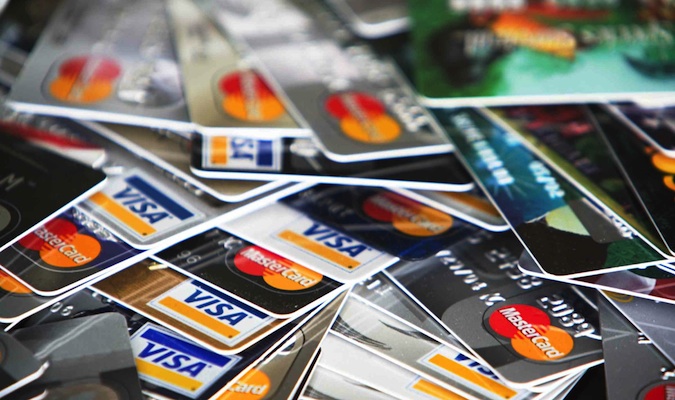
A significant point of contention in the travel community is the use of travel credit cards, often referred to as "travel hacking." Critics frequently claim that the process of opening multiple accounts to accrue points and miles for free flights and accommodation will irreparably damage an individual’s credit score.

Financial data, however, contradicts this fear. While a "hard inquiry" on a credit report during a card application typically results in a temporary dip of five to ten points, the long-term impact of responsible credit management is overwhelmingly positive. According to FICO scoring models, 35% of a credit score is determined by payment history, and 30% is determined by the credit utilization ratio. By increasing the total available credit and maintaining a consistent payment schedule, "travel hackers" often see their credit scores rise into the "excellent" range (750-850). The strategic use of regular expenses—such as groceries and utilities—to earn rewards points has become a legitimate financial strategy for reducing travel overhead without increasing personal debt.
Safety and the Evolution of the Sharing Economy
The perceived danger of the sharing economy, specifically platforms like Couchsurfing, remains a significant deterrent. Couchsurfing, which facilitates cultural exchange by allowing travelers to stay with locals for free, is often viewed with suspicion by those accustomed to traditional hospitality.
Safety data from these platforms indicates that incidents of crime are statistically rare, often lower than those found in the traditional hotel industry. The security of these platforms relies on a robust system of peer reviews and verified profiles. Much like the transition seen with Airbnb and Uber, the initial social resistance to staying with "strangers" is gradually being replaced by an understanding of community-based security. Analysts note that most participants in the sharing economy are motivated by a genuine desire for cultural connection rather than criminal intent. As long as travelers exercise standard precautions—reading historical reviews and maintaining situational awareness—these platforms offer a safe and cost-effective alternative to commercial lodging.
The Historical Stigmatization of Hitchhiking
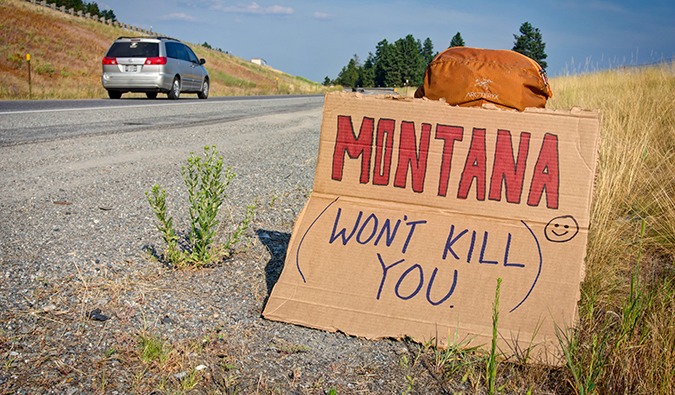
Perhaps no travel method is more maligned than hitchhiking, which is frequently associated with extreme danger in Western popular culture. This perception is not accidental but is the result of a coordinated historical narrative. In the 1950s, the Federal Bureau of Investigation (FBI) in the United States launched a campaign to discourage hitchhiking. This initiative was partially motivated by political concerns, as civil rights activists were frequently using hitchhiking to travel to rallies and protests.

The FBI’s messaging successfully embedded the idea that hitchhikers and drivers were predominantly predatory, a narrative that was later amplified by the "slasher" film genre of the 1970s and 80s. In reality, hitchhiking remains a common and culturally accepted mode of transport in many parts of the world, including New Zealand, Iceland, and portions of Central Europe and South America. While it requires a high degree of discretion and "gut instinct," it is not the statistical death trap that media portrayals suggest. Modern hitchhikers often utilize digital tools and social networks to vet routes and share their GPS locations with friends, adding a layer of contemporary security to a traditional practice.
Addressing the Gender Safety Gap in Solo Travel
The narrative that travel is uniquely dangerous for women is a persistent theme in international reporting. This "if it bleeds, it leads" approach to journalism focuses exclusively on negative outliers, creating a distorted perception of risk. While female travelers do face specific challenges and must often navigate different cultural expectations regarding gender, the suggestion that solo female travel is inherently reckless is factually unsupported.
According to the Global Peace Index, many popular travel destinations, such as Rwanda, Portugal, and Japan, maintain lower violent crime rates than major metropolitan areas in the United States or the United Kingdom. Independent female creators and travelers have increasingly used social media to document their experiences, providing a counter-narrative to traditional media. These sources emphasize that with proper research into local customs and the selection of reputable accommodations, women can—and do—travel to every corner of the globe safely. The growth of "women-only" hostels and travel groups has further enhanced the support network available to solo female explorers.
Demographic Diversity in the Backpacking Community
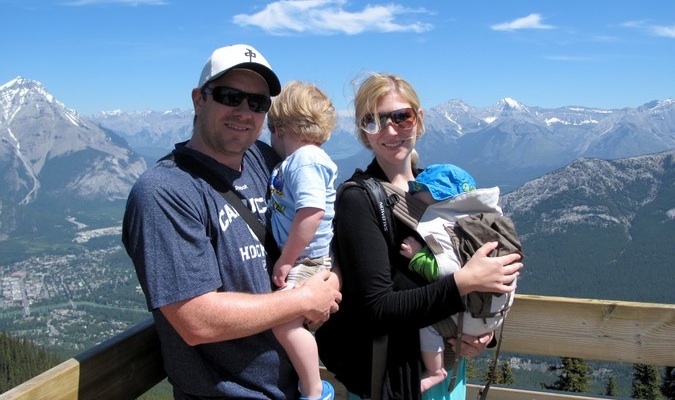
A common misconception is that budget travel is a "rite of passage" reserved exclusively for those in their early twenties. This age-based gatekeeping ignores the growing demographic of "Silver Nomads"—retirees who utilize their pensions to travel the world—and families who choose "world-schooling" over traditional domestic lives.

While the requirements for comfort and healthcare may evolve with age, the fundamental principles of budget travel remain applicable. Hostels have adapted to this demographic shift by offering private rooms, and many seniors utilize recreational vehicles (RVs) or long-term apartment rentals to manage costs. Market research indicates that the "50-plus" travel market is one of the most lucrative and fastest-growing segments of the industry, as older travelers often have more time for the "slow travel" techniques that keep costs low, such as taking trains instead of flights or cooking their own meals.
The Reality of International Labor Markets
The final myth suggests that working abroad is a bureaucratic impossibility for the average person. While high-level corporate transfers do require extensive visa sponsorship, the "backpacker economy" relies on a different set of rules. Many countries, including Australia, New Zealand, Canada, and several European nations, offer "Working Holiday Visas" to individuals under 30 or 35, allowing them to fund their travels through seasonal labor in hospitality, agriculture, or tourism.
Furthermore, the rise of the "Digital Nomad Visa" in over 40 countries has formalized the process for remote workers to live abroad legally. For those without remote careers, opportunities in English language instruction (TEFL), au pair placements, and volunteer exchanges (such as WWOOFing) provide viable pathways to sustain long-term international stays. These roles do not typically require a prestigious resume but rather a willingness to adapt and a commitment to the local community.
Broader Implications for the Future of Travel
The debunking of these myths is more than an exercise in travel logistics; it is a necessary step in fostering a more interconnected global society. When individuals believe that the world is too expensive or too dangerous to explore, they remain confined to their own cultural bubbles, which can exacerbate xenophobia and social isolation.

The data indicates that the primary obstacles to travel are often psychological rather than financial or physical. As the global travel infrastructure continues to mature, the emphasis will likely shift from "if" one can travel to "how" one can travel most effectively. By utilizing tools like Skyscanner for transit, Booking.com or Hostelworld for lodging, and comprehensive travel insurance for risk management, the modern traveler can navigate the globe with a level of security and affordability that was previously unimaginable.
In conclusion, the democratization of travel is a tangible reality supported by economic data and historical context. The shift away from luxury-dominated narratives toward a model of accessible, informed, and safe exploration allows for a broader spectrum of the population to participate in the global experience. As misconceptions continue to be challenged by factual analysis and real-world testimony, the barriers to the world’s most transformative experiences will continue to fall.




 Anjar Salim
 Chandra Hamzah
 Budi Mulyono

 Tatiana Tantri Indah Sari