
 Budi Mulyono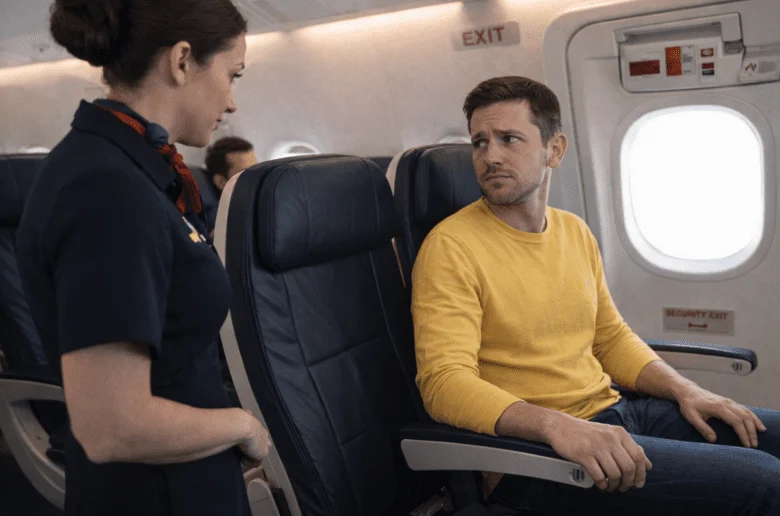
A recent incident involving a Delta Air Lines passenger has sparked a significant debate regarding the intersection of aviation safety regulations and cabin service protocols. The controversy began when a passenger, seated in an emergency exit row, was reportedly denied alcoholic beverage service by a flight attendant who cited a non-existent carrier policy. This event, which gained traction on social media platforms, highlights the complexities of federal aviation mandates, the discretionary power of cabin crews, and the ongoing challenges airlines face in managing passenger behavior amid a rise in inflight incidents.
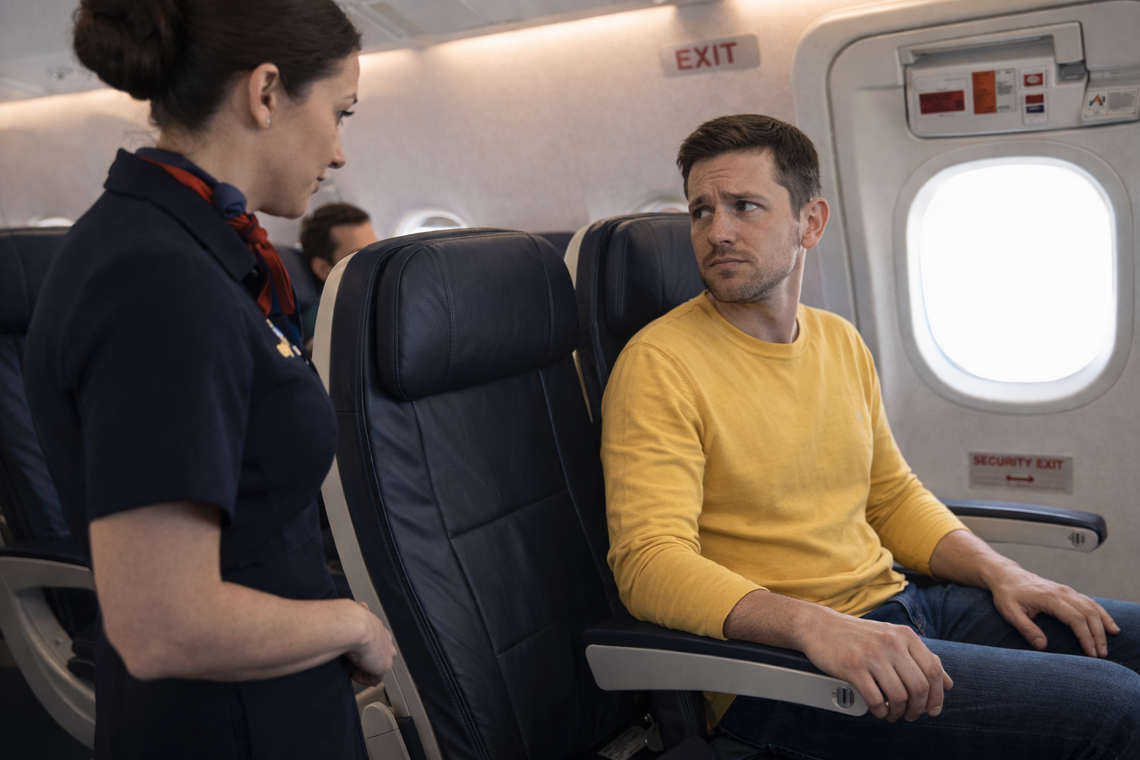
The incident was brought to light by a passenger using the pseudonym @Technical_Weird-4859 on the social media platform Reddit. According to the traveler’s account, they were seated in the emergency exit row of a Delta flight—a section typically offering increased legroom in exchange for the passenger’s commitment to assist in the event of an emergency evacuation. When the beverage service reached their row, the passenger requested a glass of wine. The flight attendant allegedly refused the request, stating that Delta policy prohibits the consumption of alcohol by passengers occupying exit row seats. The passenger noted that they were completely sober at the time of the request and questioned whether this represented a shift in Delta’s operational guidelines.
Federal Regulations and Exit Row Criteria
To understand the context of this incident, it is necessary to examine the federal framework governing emergency exit seating. The Federal Aviation Administration (FAA) maintains strict criteria under Title 14 of the Code of Federal Regulations (CFR) Part 121.585. These regulations are designed to ensure that individuals seated next to emergency exits are physically capable and mentally prepared to operate the exit doors and direct passenger flow during a crisis.
According to the FAA and Delta Air Lines’ official seating policies, a passenger in an exit row must meet several specific requirements. They must be at least 15 years of age and possess the physical strength and mobility to lift and maneuver exit doors, which can weigh upwards of 50 pounds. Furthermore, they must be able to read and understand instructions related to emergency evacuation and be capable of communicating those instructions to other passengers. Critically, the passenger must not have any condition—such as a visual or hearing impairment or the responsibility of caring for a small child—that would hinder their ability to perform these duties.
Crucially, neither the FAA nor Delta’s public-facing terms and conditions explicitly forbid the service of alcohol to passengers in these seats. The primary legal restriction regarding alcohol on aircraft is found in 14 CFR 121.575, which states that no certificate holder may serve any alcoholic beverage to any person who "appears to be intoxicated."
The Scope of Flight Attendant Discretion
While official written policy may not prohibit alcohol in exit rows, flight attendants are granted broad discretionary authority to ensure the safety of the flight. Flight attendants serve as the primary safety officers in the cabin, and their judgment is often the final word in operational matters. In the wake of the Reddit disclosure, several individuals claiming to be veteran flight attendants provided insight into the internal culture of cabin management.
A purported Delta flight attendant based in Atlanta clarified that while there is no formal "dry exit row" policy, crew members are increasingly wary of the risks associated with alcohol consumption. The attendant noted that while passengers can generally be served, the rise in unruly passenger incidents—often fueled by alcohol—has led some crew members to adopt more conservative service postures. If a flight attendant perceives that a passenger’s reaction time or cognitive function might be even slightly compromised by alcohol, they may choose to withhold service to ensure the integrity of the emergency exit responsibilities.
This discretion, however, can lead to inconsistencies in passenger experience. Other travelers responding to the incident reported vastly different treatments, with some receiving complimentary alcoholic beverages as a gesture of appreciation for occupying the exit row, while others faced similar denials based on the individual preferences of the crew on duty.
Chronology of the Rise in Inflight Incidents
The backdrop to this specific incident is a multi-year trend of increasing tension within aircraft cabins. The FAA reported a dramatic spike in unruly passenger reports starting in 2021. While the number of reported incidents has decreased from the record highs of the pandemic era, the figures remain significantly elevated compared to pre-2020 levels.
In 2021, the FAA recorded nearly 6,000 reports of unruly passengers, a staggering number that prompted the agency to implement a "Zero Tolerance" policy. By 2023, the number of incidents had stabilized at approximately 2,000 annually, but a substantial portion of these cases involved alcohol-related disturbances. The FAA has the authority to issue civil penalties of up to $37,000 per violation, and in many cases, alcohol consumption at airport bars prior to boarding or the illicit consumption of "duty-free" alcohol on board was a contributing factor.
The aviation industry has also noted a rise in physical and verbal assaults against crew members. These statistics provide a logical, if not formal, justification for why a flight attendant might feel compelled to limit alcohol service in the most safety-critical seats on the aircraft.
Liability and the Safety Debate
The incident has reignited a debate among aviation safety experts and the traveling public regarding whether exit rows should, in fact, be designated as alcohol-free zones. From a liability standpoint, the arguments are compelling. Should an emergency occur requiring the deployment of an exit slide, the airline could face significant legal scrutiny if the individual tasked with opening the door was found to have a measurable blood-alcohol content.
The physiological effects of alcohol are also amplified at high altitudes. Due to lower oxygen levels in a pressurized cabin—a condition known as mild hypoxia—the body’s ability to process alcohol is altered, often making a single drink feel more potent than it would at sea level. For a passenger in a standard seat, this might result in nothing more than a nap; for a passenger in an exit row, it could mean the difference between a successful evacuation and a catastrophic delay.
Opponents of a "dry exit row" policy argue that such a rule would be an overreach, punishing responsible adults for the potential actions of a few. They suggest that the current system of flight attendant discretion is sufficient to identify and manage intoxicated individuals without the need for a blanket ban. However, the lack of a clear, standardized policy leads to the type of confusion and frustration experienced by the Delta passenger in this case.
Delta Air Lines’ Response and Industry Implications
Delta Air Lines has historically positioned itself as a premium carrier with a focus on both safety and customer service. While the airline has not issued a formal press release regarding this specific social media thread, its internal communications generally emphasize adherence to FAA guidelines while empowering crews to make safety-based decisions.
The incident serves as a reminder of the "contract of carriage" that exists between an airline and its passengers. When a traveler selects an exit row seat, they are entering into a specific safety agreement. While that agreement does not currently include a sobriety clause beyond the standard "not intoxicated" rule, the evolving landscape of cabin safety suggests that passengers may need to expect more rigorous oversight in these rows.
Industry analysts suggest that if incidents of this nature continue to cause friction, major carriers may eventually move toward formalizing alcohol restrictions for exit row occupants to remove the burden of discretion from the flight attendants. Such a move would align with the "safety-first" culture of modern aviation but would likely be met with resistance from frequent flyers who value the perks of exit row seating.
Conclusion and Future Outlook
The case of the denied wine on a Delta flight is more than a simple service grievance; it is a reflection of the ongoing tension between passenger comfort and the uncompromising demands of aviation safety. As the FAA continues to monitor cabin environments and airlines seek to protect their crews from unruly behavior, the definition of "able-bodied" in the exit row may continue to narrow.
For now, passengers seated in these critical areas should remain aware that their "job" as an emergency assistant takes precedence over their status as a customer. While a glass of wine may not be prohibited by the letter of the law, the spirit of the law requires a level of readiness that flight attendants are tasked with protecting. As this incident demonstrates, the "mileage may vary" when it comes to how individual crews interpret that responsibility, making clear communication and professional conduct essential for both staff and travelers alike.




 Anjar Salim
 Chandra Hamzah
 Tatiana Tantri Indah Sari
 Walid Sujud Trenggono