
 Budi Mulyono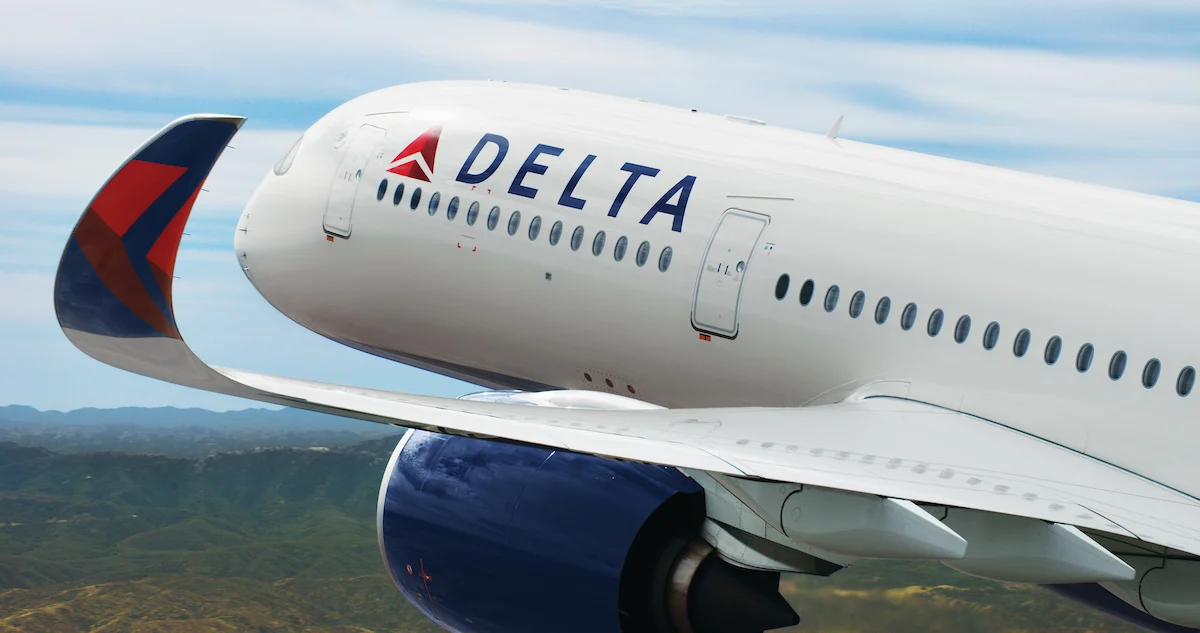
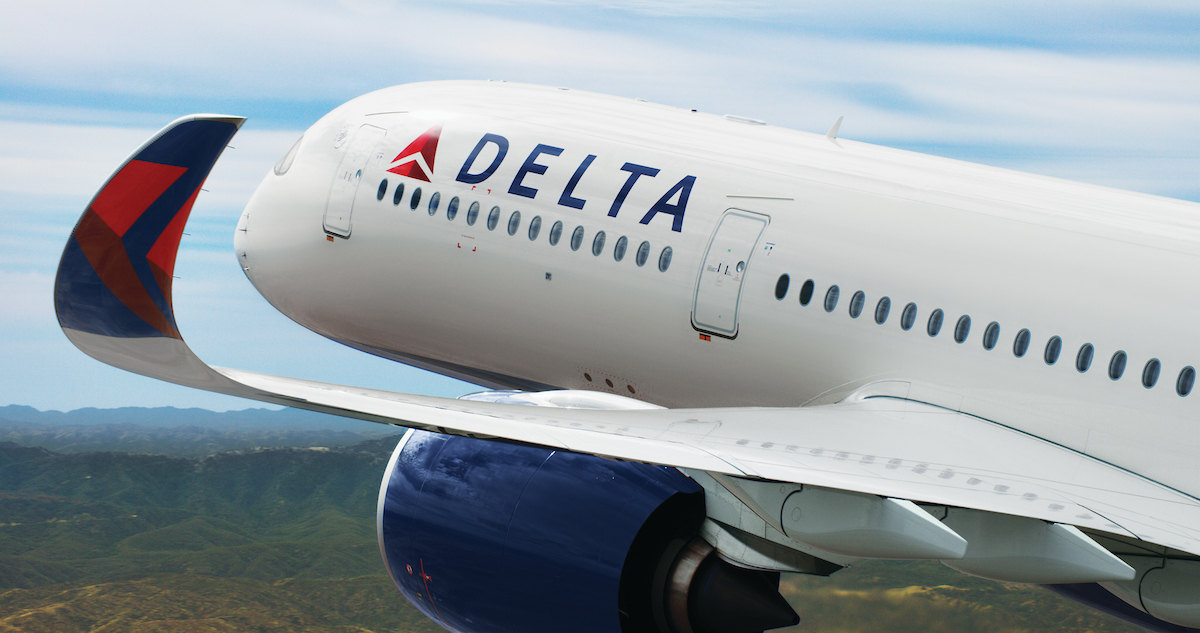
Delta Air Lines’ SkyMiles program has officially been named the most valuable airline loyalty program in the world, reaching an estimated valuation of more than $31 billion according to the 2026 On Point Loyalty Top 100 report. This comprehensive annual assessment, which evaluates the financial health and market influence of airline frequent flyer programs (FFPs) across the globe, places Delta at the pinnacle of a rapidly appreciating sector. The ranking further solidifies the dominance of United States-based carriers in the loyalty space, with American Airlines’ AAdvantage program securing the second position at an estimated $26 billion, followed closely by United Airlines’ MileagePlus at more than $25 billion.
The combined valuation of these three programs—exceeding $82 billion—underscores a fundamental shift in the aviation industry’s business model. Once considered ancillary marketing tools designed to encourage repeat business, loyalty programs have transformed into the primary financial engines for major carriers. In many instances, the standalone valuation of these programs now rivals or exceeds the market capitalization of the airlines’ actual flight operations.
The Strategic Evolution of Airline Loyalty Programs
The rise of the "Big Three" US loyalty programs is the result of a multi-decade evolution that began with the deregulation of the airline industry in the late 1970s. American Airlines launched the first modern frequent flyer program, AAdvantage, in 1981, followed shortly by United and Delta. Initially, these programs were simple: passengers earned one mile for every mile flown, which could eventually be redeemed for a free seat.
However, the 21st century brought a shift toward revenue-based models, where miles are earned based on the price of the ticket rather than the distance traveled. This transition allowed airlines to reward their most profitable customers more effectively. Simultaneously, the programs expanded into vast "ecosystems" through partnerships. Today, the majority of "miles" in circulation are not earned in the air but on the ground through co-branded credit card spending, hotel stays, car rentals, and retail purchases.
This evolution reached a critical turning point during the COVID-19 pandemic. When global travel came to a near-standstill in 2020, airlines faced unprecedented liquidity crises. To survive, carriers leveraged their loyalty programs as collateral to secure billions of dollars in financing. Delta Air Lines, for instance, raised $9 billion in 2020 by pledging its SkyMiles program as security. These transactions provided investors with a rare look at the internal economics of loyalty programs, revealing high-profit margins and predictable cash flows that are largely insulated from the volatility of fuel prices and labor costs.
Detailed Findings of the 2026 On Point Loyalty Report
The 2026 On Point Loyalty report analyzed more than 170 airline programs worldwide, utilizing a proprietary methodology that considers airline financial performance, program structure, member engagement, and regional macroeconomic conditions. The report indicates a continued upward trajectory for the industry, with 62 of the analyzed programs seeing a significant increase in valuation compared to the 2023-2024 period.
The growth is attributed to several factors:
- Increased Credit Card Spend: In the US, co-branded credit cards—particularly those issued by American Express for Delta and Chase for United—have seen record-breaking transaction volumes.
- Premium Travel Demand: A post-pandemic surge in demand for premium cabins (First and Business Class) has funneled more high-value travelers into these loyalty tiers.
- Digital Integration: Enhanced mobile apps and AI-driven personalization have made it easier for members to track and redeem miles, increasing the "stickiness" of the programs.
Behind the top three US carriers, the global landscape remains diverse. International Airlines Group (IAG), which owns British Airways and Iberia, saw its Avios program rank fourth with a valuation exceeding $10 billion. Avios is unique in its "multi-brand" approach, serving as a unified currency across several different airlines. Southwest Airlines’ Rapid Rewards followed closely, valued between $8 billion and $9 billion, reflecting the carrier’s strong domestic footprint in the United States.
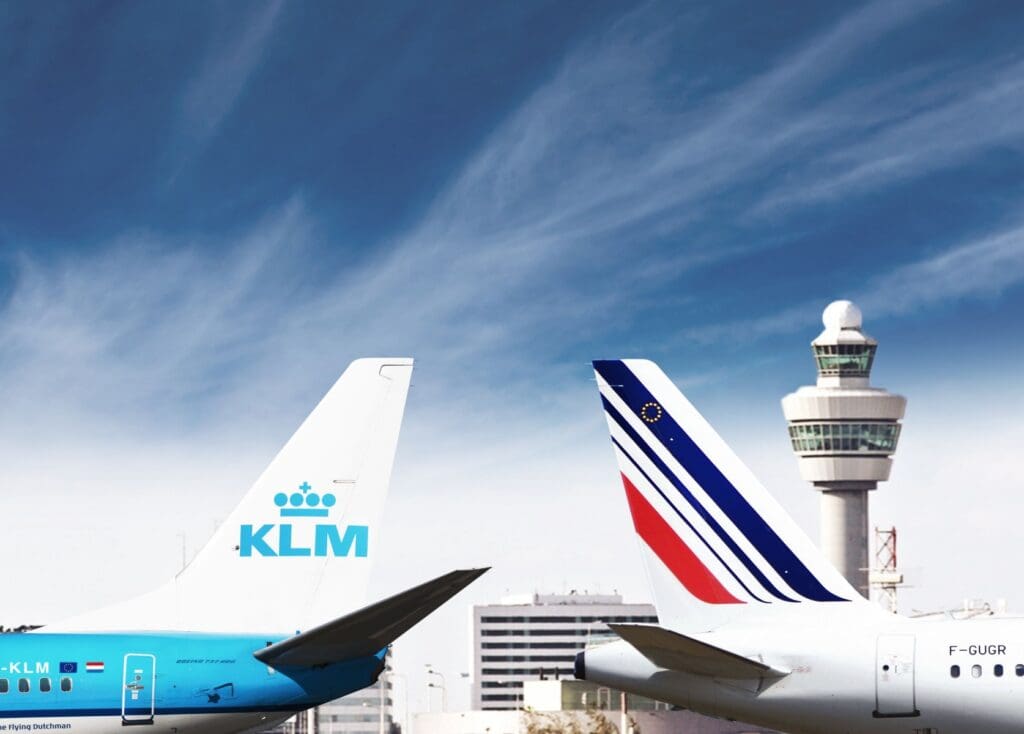
In Europe, the Lufthansa Group’s Miles & More and the Air France-KLM Flying Blue program maintain strong valuations, though they operate in a more regulated environment regarding interchange fees (the fees banks pay to airlines for miles), which limits the massive revenue seen by their US counterparts. In the Asia-Pacific region, Qantas Frequent Flyer remains a standout performer, often cited as one of the most sophisticated loyalty businesses in the world due to its extensive retail and health insurance partnerships.
Financial Mechanics: Why Miles are More Profitable than Flights
To understand why Delta SkyMiles is worth $31 billion, it is necessary to examine the "selling" of miles. Airlines do not just give miles away; they sell them in bulk to financial institutions like American Express, Citi, and Chase. These banks then distribute the miles to consumers as rewards for spending.
For the airline, this is a high-margin business. The cost of "producing" a mile is negligible, while the revenue from selling it to a bank is immediate. Furthermore, airlines benefit from "breakage"—the percentage of miles that are earned but never redeemed. Even when miles are redeemed, the airline controls the "price" of the seat in miles, allowing them to manage inventory and ensure that redemptions occur on flights that would otherwise have empty seats.
Industry analysts suggest that for some major carriers, the profit margin on loyalty programs can exceed 50%, whereas the margin on flying operations often fluctuates between 5% and 10% depending on economic conditions. This disparity has led some financial experts to describe modern airlines as "banks that happen to fly planes."
Industry Reactions and Regulatory Scrutiny
While the high valuations are a boon for airline shareholders, they have also attracted the attention of regulators. In the United States, the Department of Transportation (DOT) and the Consumer Financial Protection Bureau (CFPB) held a joint hearing in 2024 to investigate the transparency and fairness of loyalty programs. Concerns were raised regarding "devaluation"—the practice of airlines increasing the number of miles required for a reward flight without prior notice—and the complexity of redeeming miles for actual value.
In response to these concerns, airline executives have defended the programs as essential components of the consumer economy. In recent earnings calls, Delta leadership has emphasized that SkyMiles is not just a frequent flyer program but a "lifestyle brand" that provides value through everyday spending. Similarly, American Airlines has restructured its program to focus on "Loyalty Points," streamlining the path to elite status through non-flying activities.
While official statements from the airlines regarding the specific On Point Loyalty valuations are rare due to the proprietary nature of their internal data, the general consensus among industry leaders is that these programs are the bedrock of their long-term enterprise value.
Chronology of Major Loyalty Program Milestones
- 1981: American Airlines launches AAdvantage; United follows with MileagePlus.
- 1987: Delta acquires Western Airlines and expands its "Frequent Flyer" program into the modern SkyMiles precursor.
- 2000s: Shift from "miles flown" to "dollars spent" begins to take root in program terms and conditions.
- 2014-2015: Major US carriers (Delta, United, American) officially transition to revenue-based mileage earning.
- 2020: The pandemic forces airlines to use loyalty programs as collateral for government and private loans, revealing their true market value.
- 2024: US Department of Transportation begins formal inquiries into the competitive practices of airline loyalty programs.
- 2026: On Point Loyalty report confirms Delta SkyMiles as the first program to exceed a $30 billion valuation.
Future Implications and Market Outlook
The continued growth of loyalty program valuations suggests that the aviation industry will continue to diversify its revenue streams. We are likely to see airlines moving further into the fintech space, offering more sophisticated financial products, such as "buy now, pay later" schemes integrated with mileage earning, and expanded retail marketplaces.
However, challenges remain. Macroeconomic shifts, such as a potential decrease in consumer spending or changes in credit card interchange fee regulations, could impact the revenue airlines receive from their banking partners. Additionally, as programs become more valuable, the pressure to maintain member trust will intensify. If members perceive that miles are becoming impossible to use or are being devalued too rapidly, the "loyalty" aspect of the program—and thus its value—could erode.
For now, the 2026 rankings highlight a clear reality: the data and the "currency" generated by frequent flyers are among the most valuable assets in the modern global economy. As Delta, American, and United continue to leverage these platforms, the gap between US carriers and the rest of the world in terms of loyalty-driven profitability appears set to widen. The aviation industry is no longer just about transportation; it is about the management of a massive, global digital currency ecosystem that influences how millions of people spend, save, and travel every day.



 Anjar Salim
 Chandra Hamzah

 Walid Sujud Trenggono