
 Chandra Hamzah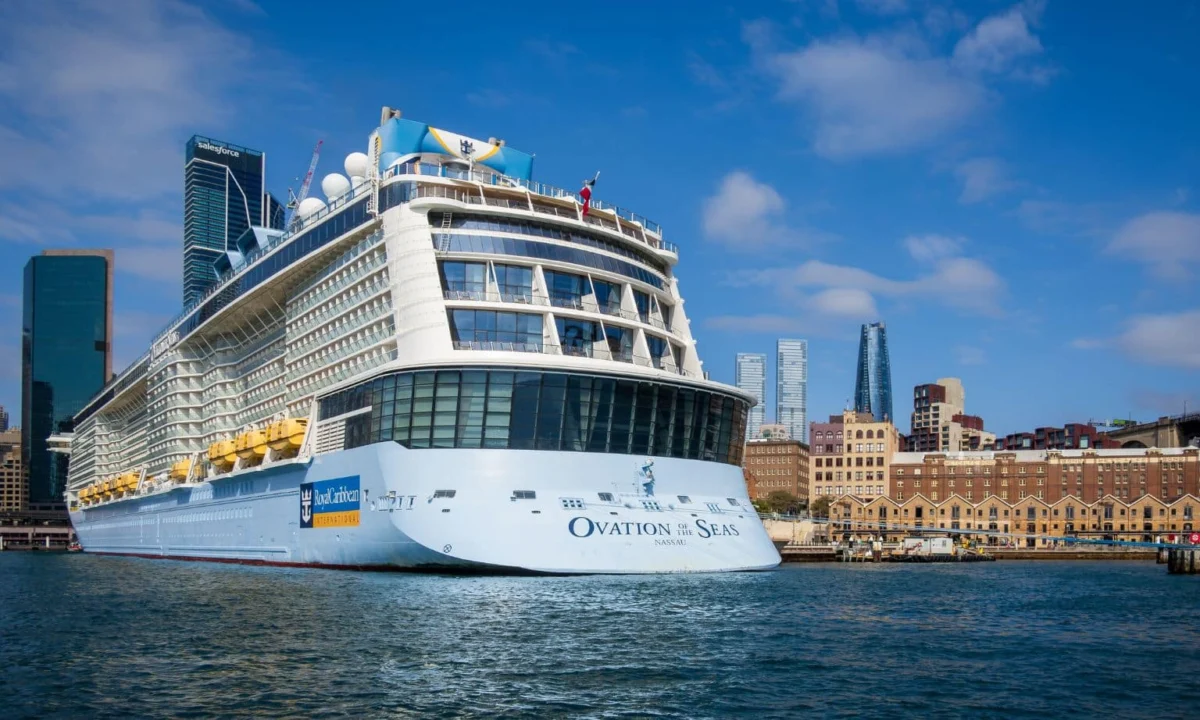
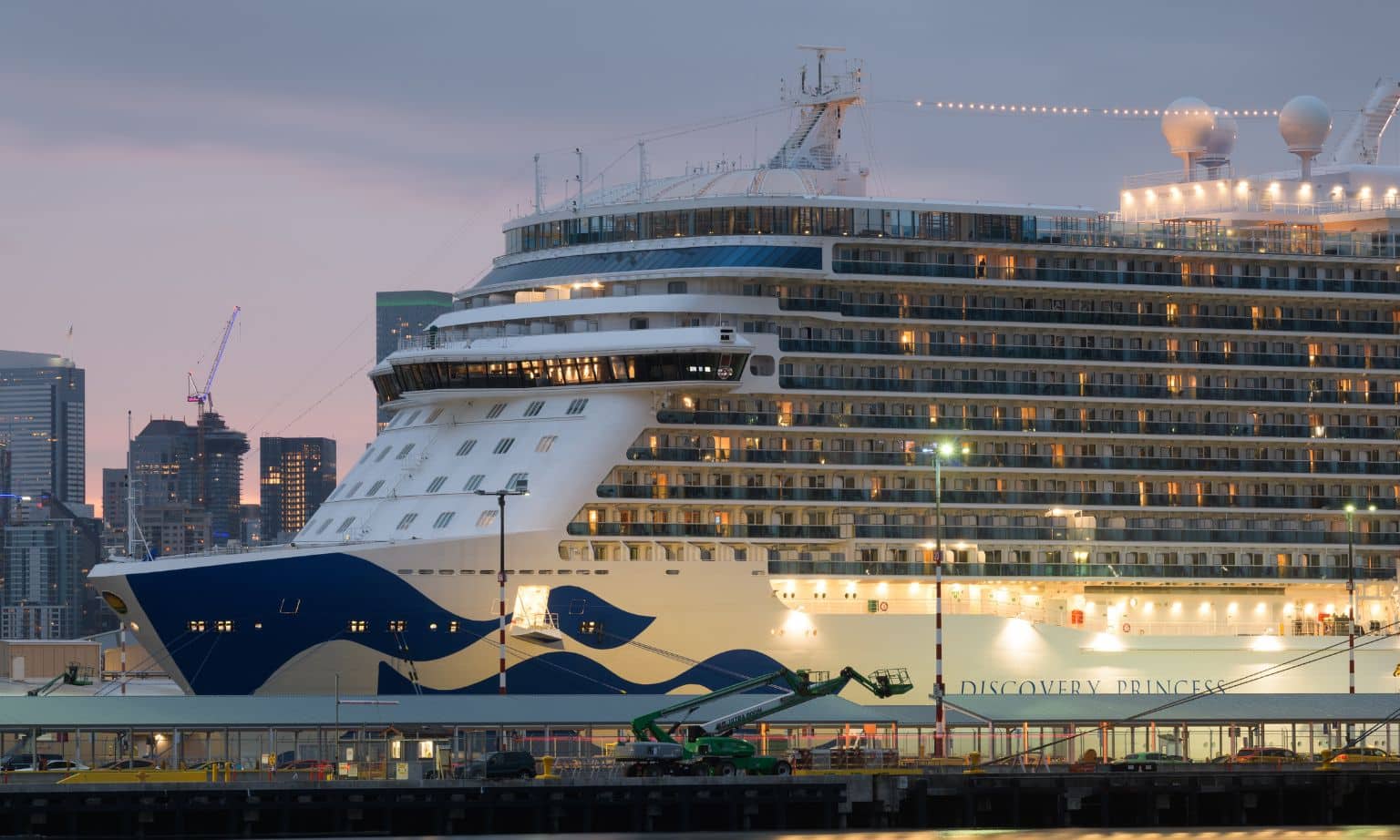
The recent celebration of the Discovery Princess‘s fourth birthday in Australian waters, while a festive occasion, has inadvertently highlighted a significant and growing concern within the Australian cruise market: the diminishing presence of newly constructed cruise vessels. As the Discovery Princess prepares to depart Sydney for its final local sailing before returning to the United States, its departure signifies more than just the conclusion of its maiden and only Australian season. It underscores a trend where Australia is increasingly becoming a destination for older tonnage, rather than a showcase for the latest advancements in cruise ship technology and design.
The arrival of the Discovery Princess earlier this year was met with considerable anticipation. As the third newest vessel in the Princess Cruises fleet, its presence represented a rare opportunity for Australian cruisers to experience a contemporary ship, complete with modern amenities, innovative entertainment venues, and updated cabin designs. This influx of new hardware is typically a significant drawcard, promising a superior onboard experience and aligning with the expectations of a sophisticated and growing cruise demographic. However, the Discovery Princess‘s brief four-month season, culminating in its imminent departure, has left many enthusiasts questioning the long-term viability of attracting cutting-edge vessels to Australian shores.
A Shift Towards Older Vessels: The Data Tells a Stark Story
The trend is not isolated to Princess Cruises. Analysis of upcoming cruise season deployments, particularly for the 2027/28 season, reveals a concerning pattern. Of the large cruise ships (defined as those with a passenger capacity exceeding 2,000), a mere three are slated to have been built within the last two decades. This figure is particularly striking when considering the dynamic nature of the global cruise industry, which consistently introduces new and technologically advanced ships.
A detailed examination of the projected fleet composition for the 2027/28 Australian season paints a clear picture:
- Anthem of the Seas (Built 2015) will be 13 years old.
- Voyager of the Seas (Built 1999) will be 29 years old.
- Celebrity Edge (Built 2018) will be 10 years old.
- Carnival Splendor (Built 2007) will be 21 years old.
- Carnival Luminosa (Built 2008) will be 20 years old.
- Carnival Encounter (Built 2001) will be 27 years old.
- Carnival Adventure (Built 2000) will be 28 years old.
- Westerdam (Built 2003) will be 25 years old.
- Norwegian Spirit (Built 1998) will be 30 years old.
- Grand Princess (Built 1997) will be 31 years old.
- Royal Princess (Built 2011) will be 17 years old.
- Sapphire Princess (Built 2004) will be 24 years old.
The data indicates that only Celebrity Edge, Anthem of the Seas, and Royal Princess will be less than 20 years old by the end of the 2027/28 season. Significantly, none of these are under a decade old. This suggests a substantial aging of the Australian cruise fleet.
The average age of large cruise ships operating in Australia during the 2027/28 season is projected to be around 23 years. This is a stark contrast to the Discovery Princess‘s celebratory fourth birthday, underscoring the broader trend. Furthermore, a staggering 50% of these large vessels will be 25 years or older, with Sapphire Princess narrowly avoiding this threshold.
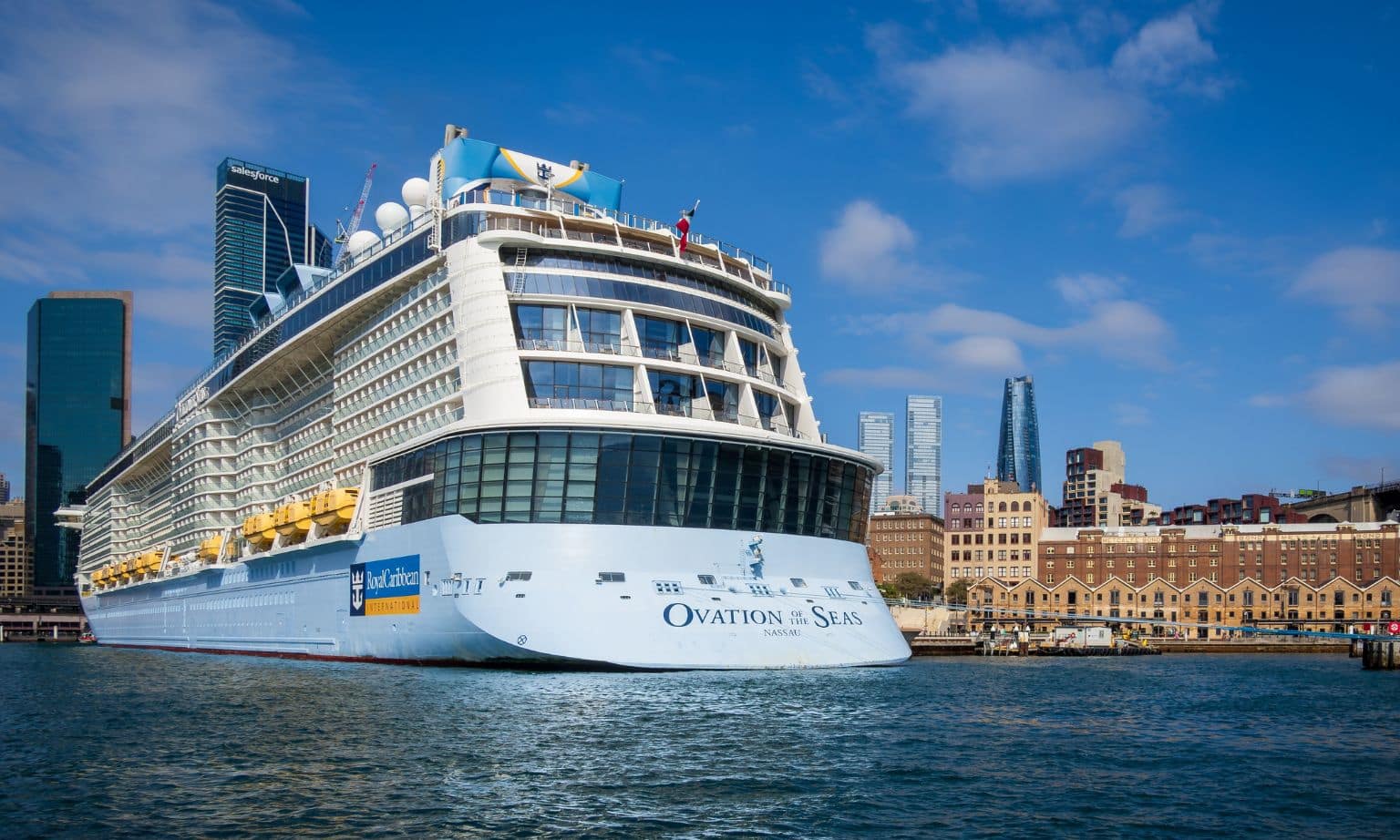
This situation stands in contrast to major cruise markets like the Caribbean, where newer, more technologically advanced ships are routinely deployed. The departure of vessels like Quantum and Ovation of the Seas, replaced by older counterparts such as Anthem and Voyager, further exemplifies this pattern. Even newer entrants like Virgin Voyages, which have signaled interest in the Australian market, have yet to materialize with their contemporary fleet, leaving a void for those seeking the latest cruise experiences.
The Economic Realities: Why Newer Ships Bypass Australia
The reasons behind this phenomenon are multifaceted, primarily rooted in the economic considerations that guide global cruise line deployment strategies. Cruise lines prioritize placing their newest and most profitable assets in regions that offer the highest return on investment. The Caribbean consistently ranks as a prime destination due to several favorable factors:
- Lower Port Fees and Operational Costs: Many Caribbean ports have competitive fee structures, reducing the overhead for cruise operators.
- Strong Demand and Willingness to Spend: The large North American market is a significant driver of cruise demand, with passengers often willing to pay premium prices for new and luxurious experiences.
- Shorter Itineraries and Quick Turnarounds: The geographical proximity of Caribbean destinations allows for shorter cruise durations, facilitating rapid ship turnover and maximizing passenger capacity. This model is highly efficient for generating revenue.
In contrast, Australia presents a different economic landscape for cruise operators. The cost of operations Down Under is considerably higher, attributed to several factors:
- Elevated Port Charges: Australian ports often levy higher fees compared to other popular cruising regions.
- Regulatory Compliance Costs: Adhering to Australian maritime regulations can also contribute to increased operational expenses.
- Significant Distances and Fuel Consumption: The geographical isolation of Australia necessitates longer sea passages, leading to substantially higher fuel costs.
These economic deterrents make Australia a less financially attractive deployment for the newest and most expensive vessels. Cruise lines, in their pursuit of profitability, tend to view Australia as a market where older, depreciated assets can still generate revenue, rather than a prime location to showcase their latest innovations.
The Impact on the Australian Cruise Consumer
For Australian cruise enthusiasts, this trend translates into a limited selection of the most modern ships. While older ships often come with the potential for more affordable fares, a significant segment of the market desires the cutting-edge amenities, advanced entertainment, and contemporary design that new vessels offer. The option to travel overseas for a cruise on a newer ship is available, but this often incurs substantial additional costs, including international airfare, accommodation, and local transport, making it a less budget-friendly alternative.
The loyalty of the Australian cruise market is undeniable. Australia is recognized as one of the world’s significant cruise markets, boasting a substantial base of repeat cruisers who contribute consistently to the industry’s success. This dedicated demographic would undoubtedly welcome more frequent rotations of newer vessels. While older ships possess their own unique charm and are appreciated, the desire for at least ships that are newer to the Australian market, even if not brand new from the shipyard, remains a strong sentiment.
A Need for Strategic Re-evaluation
The departure of Discovery Princess and the projected aging of the Australian cruise fleet signal a critical juncture for the industry. While the economic realities are clear, there is a compelling argument for cruise lines to re-evaluate their deployment strategies for the Australian market. Australia’s robust cruise demand and the inherent loyalty of its cruisers represent a valuable asset that could be further leveraged.
For luxury cruise lines, which cater to a niche market willing to pay premium prices, the deployment of newer vessels has historically been more feasible. These lines can absorb higher operational costs by charging higher fares, making the Australian market viable for ships built within the last few years. However, the broader mass-market segment is currently underserved in terms of experiencing the latest cruise ship offerings.
The implication of the current trend is that Australia risks becoming a repository for older cruise ship inventory. While this might offer short-term cost benefits for cruise lines, it could ultimately lead to a stagnation of the market and a disconnect with the evolving expectations of modern cruisers. A more balanced approach, incorporating a greater rotation of newer vessels, would not only satisfy consumer demand but also invigorate the Australian cruise sector and solidify its position as a key global market. The celebration of the Discovery Princess‘s fourth birthday, bittersweet in its context, serves as a poignant reminder of what the Australian cruise landscape is potentially losing and what it needs to cultivate for sustained growth and passenger satisfaction.



 Anjar Salim
 Budi Mulyono

 Tatiana Tantri Indah Sari