
 Cholid Fahmi Thalib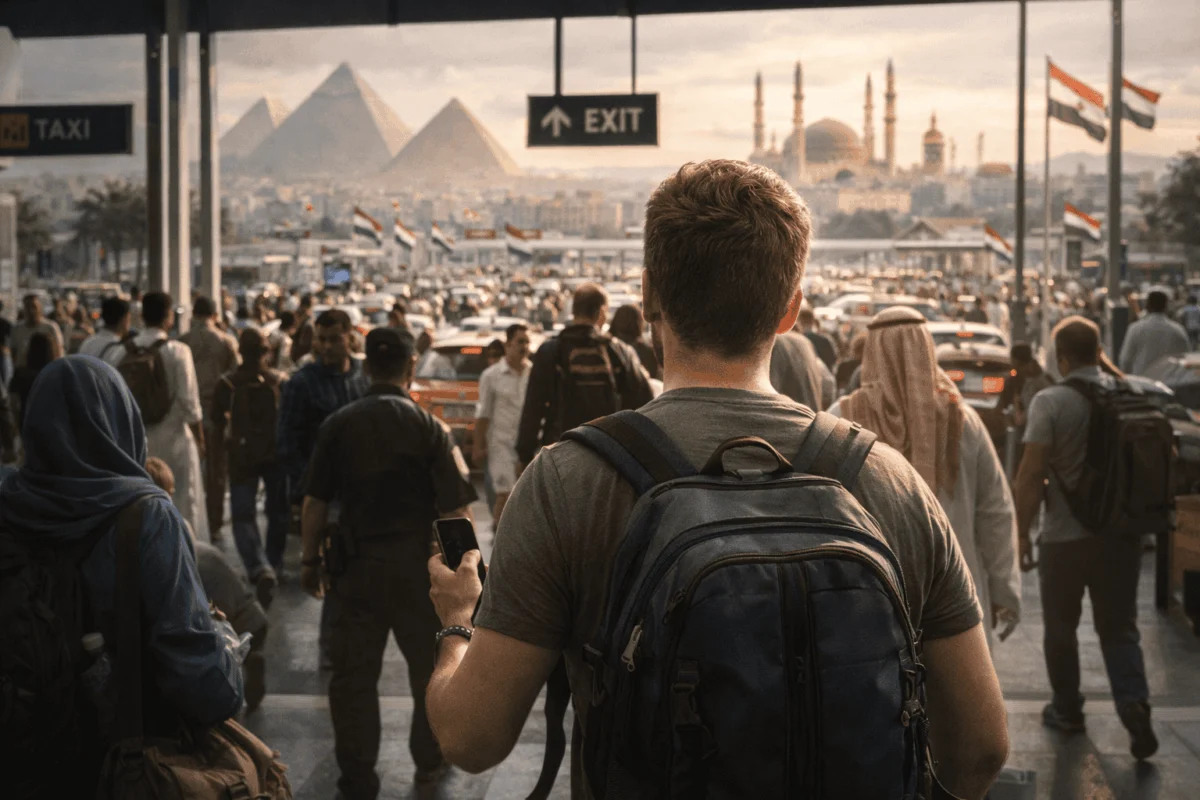
Traveling to Egypt, a nation nestled within the African continent, often conjures a potent mix of anticipation and apprehension for first-time visitors. Preconceived notions, frequently shaped by media narratives and anecdotal warnings, can cast a long shadow, leading to a state of mental preparedness that often grapples with the sheer dynamism of the destination. This internal tension between excitement and anxiety is a common precursor to arrival, but the true narrative of Egypt begins to unfold only when one steps onto its soil, prompting a rapid recalibration of expectations. This piece aims to offer an unvarnished perspective, moving beyond glossy brochures to explore the palpable realities of Egypt, from its disorienting initial impressions to its profound human connections, and why so many first-time visitors depart with a resounding declaration: "I didn’t expect this at all."
The Initial Sensory Overload: From Perceived Chaos to Emerging Order
The prevailing image of Egypt prior to arrival often leans towards the intense, the chaotic, and perhaps even the intimidating. While certain aspects of its bustling urban environments can indeed be overwhelming, the fear often cultivated in anticipation tends to be far more potent than the reality on the ground. Upon exiting the airport, visitors are immediately immersed in a symphony of sensory stimuli. The air vibrates with the incessant chorus of car horns, the animated calls of vendors, and the melodic strains of music emanating from open windows. The atmosphere itself feels denser, carrying the palpable warmth of the sun, the fine dust of the desert, and the constant hum of activity. This initial deluge can be disorienting, leading to fleeting moments of doubt about the decision to visit.
However, this sensation of being overwhelmed is often transient. A subtle shift begins to occur as one observes the underlying order within the apparent chaos. Amidst the constant motion, there is a discernible flow. People navigate their surroundings with purpose, and systems, though perhaps unfamiliar in their execution, are demonstrably in place. This realization allows for a gradual easing of tension. Egypt, in its unvarnished authenticity, is not attempting to deter visitors; rather, it is simply presenting itself as it is, a vibrant tapestry of life unfolding at its own pace.
The First Day’s Impact: Adaptation and the Dawn of Curiosity
The inaugural 24 hours in Egypt can feel like a whirlwind, a period of intense adjustment characterized by fatigue, sensory overload, and the challenge of processing an entirely different rhythm of life. Mundane tasks, such as crossing a busy street, can transform into what feels like an extreme sport, with traffic regulations appearing more as suggestions than strict mandates. The concept of personal space also undergoes a redefinition, differing significantly from norms in many Western cultures.
Yet, human adaptability is a remarkable force. The process of acclimatization often occurs at a pace that surprises even the most apprehensive traveler. By the close of that initial day, the anxieties that seemed so pressing just hours earlier often dissolve into amusement. Patterns begin to emerge: understanding when to proceed, when to pause, and how to effectively signal for transportation. While the initial discomfort is undeniable, it proves to be far from unmanageable. As this initial shock subsides, a powerful sense of curiosity takes root, driving further exploration and engagement with the unique environment.
Unforeseen Encounters: The Nuances of Culture Shock
Culture shock in Egypt typically manifests not through grand, dramatic events, but through a series of small, unexpected interactions that subtly alter one’s perspective. The directness of communication is often one of the first notable differences. Conversations can initiate spontaneously, with strangers readily inquiring about one’s origin, travel plans, and overall impression of Egypt. While this initial openness might initially feel intrusive, it quickly evolves into a perception of genuine human connection.
The perception of time is also notably more fluid. Plans are subject to change, and delays are an accepted part of daily life. Attempting to rigidly adhere to a Western-style schedule often leads to frustration; embracing a more flexible approach proves far more conducive to a positive experience. Furthermore, unexpected assistance frequently materializes when it is most needed. A local might offer directions without prompting, a shopkeeper may provide guidance without any expectation of a purchase, or a family might extend an invitation for tea simply out of warmth and hospitality. These seemingly minor gestures significantly soften the edges of the unfamiliar and contribute to a growing sense of comfort.
Navigating the Labyrinth: Transportation and Emerging Confidence
The intricacies of transportation often represent a primary concern for those embarking on their first journey to Egypt. The visual impression of Egyptian roads can be daunting, with vehicles moving in seemingly unconventional patterns. Train travel retains a classic, perhaps even vintage, charm, and while ride-sharing applications are available and functional, they do not always operate with seamless efficiency.
Initially, travelers may find themselves meticulously overthinking every aspect of their transit: assessing the safety of a particular taxi, negotiating fares, or questioning their directional choices. However, with time and experience, a quiet confidence begins to develop. The realization dawns that the drivers are, for the most part, individuals diligently performing their jobs. A working knowledge of typical fare costs is acquired, and the panic that once accompanied navigation app reroutes gradually dissipates. Many experienced travelers recommend engaging with firsthand accounts of daily life and transportation logistics from local sources before arrival. Platforms such as Inside Egypt (inside-egypt.com) can provide invaluable, understated insights, transforming the initial days from a process of hesitant guesswork into an active exploration.
Safety and Awareness: A Pragmatic Approach
The question of safety in Egypt is one that is frequently contemplated, even if not always explicitly voiced. The experience of safety can indeed differ from that in many Western destinations, but this difference does not inherently equate to danger. Tourist zones are visibly supported by security personnel, and locals often exhibit a protective demeanor towards visitors. Statistically, significant safety incidents affecting tourists are less prevalent than media portrayals might suggest. For instance, data from the Egyptian Ministry of Tourism and Antiquities consistently indicates a robust influx of international visitors, with the vast majority experiencing safe and positive journeys.
Nevertheless, the application of common sense remains paramount. This involves a heightened sense of awareness, refraining from ostentatious displays of wealth, and trusting one’s intuition. The fundamental safety protocols applicable in any unfamiliar environment are equally relevant in Egypt. What often proves to be a profound revelation for first-time visitors is the swiftness with which initial apprehension gives way to a sense of comfort, familiarity, and ultimately, ease.
The Enduring Impression: The Power of Human Connection
While Egypt’s iconic monuments are undeniably awe-inspiring, it is the interactions with its people that tend to leave the most indelible mark on visitors. Conversations are a constant thread woven through the fabric of daily life, occurring in taxis, within bustling cafes, and during moments of waiting. The Egyptian people are often characterized by their curiosity, their conversational nature, and a genuine interest in the experiences of others. A palpable sense of pride emanates when they discuss their country, often balanced with candid acknowledgments of its challenges.
Hospitality in Egypt is not a performative gesture; it is deeply ingrained in the culture. This is evident in the simple acts of offering extra food, pulling up an extra chair without being asked, or a stranger offering assistance without any expectation of reciprocation. These cumulative moments of human connection profoundly shape the visitor’s perception and memory of the country, resonating long after departure.
Beyond the Monuments: A Living, Breathing Nation
The initial encounter with monumental wonders like the Pyramids of Giza is a profound experience. Their sheer scale and antiquity are almost unfathomable, creating a surreal sense of awe. However, a surprising aspect for many first-time travelers is how these iconic landmarks seamlessly integrate into the rhythm of contemporary Egyptian life. Busy thoroughfares often run adjacent to ancient ruins, children play football in the shadows of historical marvels, and contemporary cafes sit in close proximity to temples predating recorded history.
Egypt is not a nation preserved in amber; it is a vibrant, complex, and thoroughly modern entity that simultaneously honors its past. This dynamic interplay between the ancient and the modern imbues the country with a palpable sense of reality, transforming it from a mere postcard image into a living, breathing experience.
The Emotional Spectrum: Navigating the highs and lows
The experience of traveling through Egypt can be emotionally potent, characterized by a distinct oscillation between exhilaration and exhaustion. One moment, a traveler might feel overwhelmed and fatigued by the intensity of their surroundings, questioning the ease of their journey. The very next moment, they might find themselves in a serene and beautiful setting, overcome with a profound sense of gratitude for the opportunity to be there.
This emotional variability can catch many first-time visitors by surprise. Egypt does not offer a gentle introduction; it demands engagement, patience, and at times, a degree of humility. However, the rewards are commensurate. The journey offers profound moments of awe, provides invaluable perspective, and generates a wealth of stories that will be recounted for years to come.
Common Misconceptions and the Art of Letting Go
A frequent misstep for first-time travelers is the attempt to exert excessive control over their Egyptian experience. This often manifests as over-scheduling, rigid adherence to timetables, and an expectation of absolute punctuality and adherence to pre-defined plans. Such an approach is often counterproductive.
Egypt thrives on flexibility. It is a destination that rewards those who can accommodate unforeseen delays, embrace detours, and engage in spontaneous conversations. When one shifts from a mindset of simply "checking off boxes" to one of attentive observation and engagement, the experience deepens significantly. Another common error is the tendency to compare Egypt to other travel destinations, attempting to interpret it through a preconceived framework. However, Egypt possesses a unique identity that stands entirely on its own merits.
The Verdict: Is a First Trip to Egypt Worth It?
The ultimate value of a first trip to Egypt hinges on an individual’s expectations and openness to the travel experience. For those who require predictability and a seamless flow, Egypt will undoubtedly present challenges. However, for travelers who embrace a degree of discomfort, cultivate curiosity, and remain receptive to moments that defy neat categorization, Egypt offers an experience that is nothing short of unforgettable.
The initial journey is rarely, if ever, perfect. It is often marked by confusion, occasional exhaustion, but invariably, it is profoundly memorable. The expectation should not be to comprehend every facet of the nation; indeed, such comprehensive understanding is not the objective. It is precisely this element of the unknown, the unresolved, that contributes to its lasting impact.
Egypt does not aim to impress with polite deference. Instead, it meets travelers where they are, acknowledging its own complexities and inviting a reevaluation of one’s perspective on the world. The question of whether one would return is often answered implicitly, before the plane has even completed its ascent homeward. The allure of Egypt lies not just in its ancient wonders, but in its vibrant present and the transformative power of its people, creating a journey that resonates long after the passport is stamped and the souvenirs are unpacked.




 Anjar Salim
 Chandra Hamzah
 Budi Mulyono

 Tatiana Tantri Indah Sari