
 Tatiana Tantri Indah Sari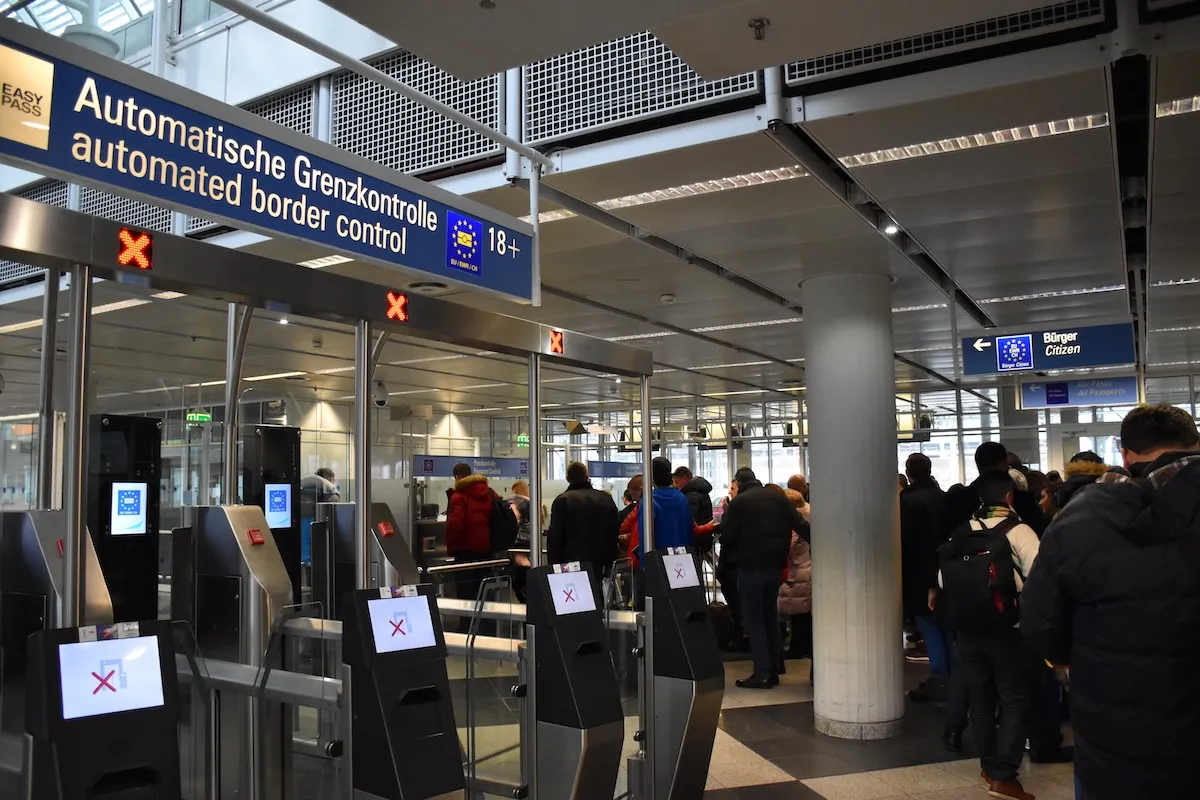
The European Union is on the cusp of fully implementing its ambitious new Entry/Exit System (EES) across the 29-member Schengen area, a move set to profoundly reshape border control for non-EU citizens. With a full launch anticipated by April 10, following a gradual rollout that commenced in October, the system introduces stringent new requirements, including the mandatory collection of biometric data. This significant shift has already prompted lengthy wait times for international visitors at some points of entry during its initial phases, leading trade groups to issue warnings that full implementation could exacerbate these delays, potentially causing considerable disruption for travelers and operational challenges for transport hubs.
The Genesis of EES: Enhancing Border Security and Efficiency
The development of the Entry/Exit System has been a cornerstone of the EU’s broader strategy to fortify its external borders and modernize its approach to immigration and security. Conceived over a decade ago, EES is designed to register electronically all non-EU citizens who cross the external borders of the Schengen area for short stays (up to 90 days within any 180-day period). Its primary objectives are multifaceted: to enhance the security of the Schengen area by accurately tracking entries and exits, identifying overstayers, and facilitating the detection of individuals who may pose security risks. Furthermore, it aims to streamline border checks by eventually replacing manual passport stamping with an automated, digital process, theoretically leading to more efficient processing once the initial teething issues are resolved.
The impetus for EES stemmed from a growing recognition of the limitations of the previous manual system, which relied heavily on physical passport stamps. This method was prone to inconsistencies, lacked real-time data on overstays, and presented challenges in accurately monitoring the movement of millions of third-country nationals entering and exiting the Schengen zone annually. With an estimated 400 million border crossings by non-EU citizens into the Schengen area recorded in 2022 alone, the need for a more robust, digital solution became increasingly apparent, particularly in the wake of heightened security concerns and challenges related to irregular migration flows.
Operational Mechanics: How the New System Works
Under the new EES framework, travelers from outside the EU visiting for up to 90 days will be subject to a comprehensive data collection process upon entry. This marks a significant departure from previous procedures and is central to the system’s ability to create a detailed digital record for each non-EU visitor.
- Biometric Data Collection: A cornerstone of EES is the mandatory provision of biometric data. Upon their first entry into the Schengen area under EES, travelers will be required to provide fingerprints and a facial image. These biometrics will be stored securely in the EES database and linked to their travel record. The collection process is expected to occur at designated kiosks or directly with border guards, utilizing specialized equipment. For subsequent entries, travelers may only need to re-verify their biometrics, assuming no significant changes have occurred. This requirement aims to enhance identity verification and prevent the fraudulent use of travel documents.
- Comprehensive Personal Information: Beyond biometrics, other essential personal information is also required upon entry. This includes data extracted directly from travel documents, such as passport numbers, nationality, date of birth, and validity periods. Crucially, the system will meticulously record the dates and locations for each entry and exit, creating an accurate chronology of a traveler’s movements within the Schengen area. Additionally, information regarding whether a traveler has previously been refused entry will also be logged, providing border authorities with a more complete risk assessment profile.
- Cessation of Passport Stamping: One of the most noticeable changes for travelers will be the discontinuation of physical passport stamping. Member states will no longer stamp passports for non-EU visitors subject to EES. Instead, all entry and exit records will be digital, stored within the centralized EES database. This digital record will automatically calculate the length of stay, alerting authorities if a traveler approaches or exceeds the permissible 90-day limit within a 180-day period. This transition is intended to eliminate the administrative burden associated with manual stamping, reduce errors, and provide a real-time overview of compliance with short-stay rules.
The system will be deployed at all external air, land, and sea borders of the Schengen area. This means that travelers entering via major international airports, crossing land borders with non-EU countries, or arriving by ferry will all be processed through EES. The implementation requires significant upgrades to existing border infrastructure, including the installation of new biometric scanners, self-service kiosks, and integrated software systems.
A Phased Rollout: Timeline and Implementation Challenges
The journey to EES full implementation has been marked by a protracted timeline and several delays, reflecting the immense technical and logistical complexities involved in deploying such a vast and integrated system across multiple sovereign states. Initially envisioned for launch as early as 2020, the system’s deployment faced postponements due to challenges related to software development, hardware procurement, and the need for extensive coordination among 29 different national border authorities. The COVID-19 pandemic also contributed to these delays, shifting focus and resources.
A "gradual rollout" began in October, allowing some member states and border points to pilot the system and address initial technical glitches and operational bottlenecks. This phased approach was crucial for identifying unforeseen issues before a full-scale launch. However, even during this preliminary period, reports of increased processing times began to emerge from various entry points, particularly at busy international airports and land borders. Border agencies and transport operators have been working to train staff, adapt infrastructure, and inform travelers about the upcoming changes. The April 10 target date for full implementation signifies a critical juncture, moving from a testing phase to comprehensive operational status across the entire Schengen external border.
Industry Reactions and Traveler Concerns
The impending full launch of EES has elicited a spectrum of reactions, particularly from the travel and tourism industry, which anticipates both the long-term benefits of enhanced security and the immediate challenges posed by the transition.
- Warnings from Trade Groups: Leading trade groups, representing airlines, airports, and the broader tourism sector, have been vocal in their warnings regarding potential disruptions. Organizations such as Airlines for Europe (A4E) and Airports Council International (ACI Europe) have consistently highlighted concerns about the impact of EES on passenger processing times. They argue that the initial biometric data collection process, particularly during peak travel seasons, could lead to significant queues and delays, potentially deterring travelers and impacting operational efficiency. Some estimates suggest that processing times for first-time EES users could increase by 50% or more compared to the previous manual system, moving from a few seconds to several minutes per passenger.
- Airline and Airport Preparedness: Airlines and airports have invested heavily in preparing for EES, from upgrading check-in systems to integrating with border control technology. However, there remains an apprehension that even with extensive preparations, the sheer volume of travelers, particularly at major hubs like Frankfurt, Paris Charles de Gaulle, Amsterdam Schiphol, and Madrid Barajas, could overwhelm initial capacity. There are calls for clear communication campaigns targeted at travelers to ensure they are aware of the new requirements and can prepare accordingly, potentially by arriving earlier for flights or familiarizing themselves with the process. The effective deployment of self-service kiosks and clear signage will be crucial in managing passenger flow.
- The Traveler Experience: For millions of non-EU citizens who regularly visit the Schengen area, EES represents a fundamental change to their travel experience. While some may appreciate the long-term promise of quicker, more efficient digital border checks, the initial phase is likely to be characterized by unfamiliarity and potentially longer waits. Concerns about privacy, particularly regarding the collection and storage of biometric data, have also been raised by traveler advocacy groups, although EU officials emphasize the robust data protection measures in place under the General Data Protection Regulation (GDPR). The shift will require travelers to be more proactive in understanding and complying with the new entry procedures.
Broader Implications: Security, Economy, and Data Privacy
The full implementation of EES carries significant implications across several critical domains, extending beyond mere border processing.
- Strengthening External Borders: From a security perspective, EES is poised to be a game-changer. By creating a comprehensive digital record of all non-EU entries and exits, the system will significantly enhance the EU’s ability to monitor who enters and leaves its territory. This precise tracking will allow border authorities to identify individuals who overstay their authorized period more efficiently, contributing to the fight against irregular migration. Moreover, by linking biometric data to travel records, EES will bolster efforts to combat document fraud and identity theft, making it harder for individuals with malicious intent to enter the Schengen area undetected. It provides law enforcement agencies with a more robust tool for identifying potential threats and maintaining internal security.
- Economic Considerations for Tourism: The economic impact of EES, particularly on the vital tourism sector, is a subject of ongoing debate. While the long-term goal is to streamline travel and potentially boost visitor numbers by making the Schengen area more secure, initial delays could have adverse effects. Europe is a top global tourist destination, attracting hundreds of millions of international visitors annually, contributing significantly to national GDPs. Should prolonged wait times at airports and other entry points become a persistent issue, it could deter some travelers, particularly those on shorter trips or business travelers for whom time is a critical factor. Trade groups have warned that even a small percentage drop in visitor numbers due to perceived hassle could translate into billions of euros in lost revenue across the bloc. Therefore, the efficiency of implementation and effective communication will be crucial in mitigating potential negative economic consequences.
- Addressing Data Protection and Privacy: The collection and storage of extensive personal and biometric data raise legitimate concerns about data protection and privacy. The EU has emphasized that EES is designed and implemented in full compliance with its stringent data protection laws, including the GDPR. This means that data collected will be stored securely, accessed only by authorized personnel for specified purposes (border control, law enforcement), and retained only for a limited period (typically three years from the last exit or one year from the last entry if no exit is recorded, or five years if an overstay is detected). Transparency regarding data use, traveler rights to access and rectify their data, and independent oversight mechanisms are critical components aimed at reassuring the public and upholding fundamental rights.
Looking Ahead: EES as a Precursor to ETIAS
The Entry/Exit System is not an isolated initiative but forms a critical component of a broader, integrated border management strategy for the European Union. Its full operationalization sets the stage for the launch of the European Travel Information and Authorisation System (ETIAS), which is expected to come into effect in mid-2025.
ETIAS will require visa-exempt non-EU travelers to obtain a travel authorization online before their trip to the Schengen area. This system is analogous to the United States’ ESTA or Canada’s eTA. While EES collects data upon arrival, ETIAS will provide a pre-travel screening mechanism, further enhancing security by identifying potential risks before travelers even depart for Europe. The two systems are designed to work in tandem: ETIAS will ensure that only authorized travelers arrive at the border, and EES will then record their exact entry and exit details, along with biometrics. This integrated approach aims to create a multi-layered security framework, allowing for a more proactive and efficient management of external borders, ultimately striving for a balance between facilitating legitimate travel and safeguarding the security of the Schengen area.
In conclusion, the full implementation of the EU’s Entry/Exit System marks a monumental shift in how the bloc manages its external borders. While promising enhanced security and greater efficiency in the long term, the immediate transition period is likely to test the resilience of infrastructure, the patience of travelers, and the preparedness of border authorities and the travel industry alike. Its success will hinge on seamless operational execution, effective public communication, and continuous adaptation to ensure that the benefits of a more secure and streamlined border system outweigh the initial challenges.




 Anjar Salim
 Chandra Hamzah

 Budi Mulyono