
 Diana Nuri Rohmawati
The tourism landscape in Tokyo has undergone a significant transformation over the last decade, shifting from traditional monument-based sightseeing toward a model of "experiential travel." As Japan continues to see record-breaking numbers of international visitors—with the Japan National Tourism Organization (JNTO) reporting over 3 million monthly arrivals in early 2024—the demand for authentic, localized interactions has surged. This evolution is most visible in the rise of curated "Experiences," a sector of the travel market that bypasses standardized tour buses in favor of small-group sessions led by local experts, artisans, and long-term residents. These programs, often facilitated by platforms like Airbnb, focus on the city’s multifaceted identity, ranging from its ancient culinary traditions to its underground subcultures.
The Strategic Importance of Culinary Tourism
Food remains the primary driver for international interest in Japan, and Tokyo serves as the nation’s gastronomic epicenter. Culinary experiences have moved beyond mere consumption to include educational components that highlight the technical precision required in Japanese cuisine. One of the most prominent examples of this trend is the professionalization of sushi-making classes. Unlike basic cooking demonstrations, high-tier experiences are now being conducted within active omakase restaurants. These sessions, often led by trained sushi masters or senior apprentices, provide participants with insights into the chemistry of rice seasoning, the physics of fish slicing, and the cultural philosophy of seasonal ingredients.
Similarly, the "ramen tour" has become a staple of the experiential market. Ramen, which evolved from a Chinese-influenced wheat noodle dish into a symbol of Japanese regional identity, is now analyzed through its various broth bases—tonkotsu (pork bone), shoyu (soy sauce), shio (salt), and miso. Guided tours in neighborhoods like Shinjuku and Shibuya allow visitors to observe the "ramen boom" firsthand, examining how modern trends and fusion styles have integrated with classic preparation methods. This shift toward deep-dive culinary education reflects a broader global trend where travelers seek to understand the "why" behind the dish rather than just the "what."
Navigating the Izakaya Culture and Nightlife Economy
Tokyo’s nightlife, particularly the izakaya (Japanese gastropub) culture, has traditionally been perceived as intimidating for non-Japanese speakers due to unwritten social codes and language barriers. However, the emergence of local-led nightlife tours has effectively bridged this gap. In districts such as Shibuya and Shinjuku, these tours provide access to non-tourist-centric establishments that are often hidden in narrow alleyways or upper-floor spaces.
Industry data suggests that the "unlimited" model—where a flat fee covers food and beverages—has become increasingly popular among younger travelers. Hosts such as Suemi and her associates in Shibuya have pioneered formats that combine social drinking with cultural education, specifically regarding sake (nihonshu). These sessions often include detailed visual explanations of the fermentation process, the grading system of rice polishing, and the regional flavor profiles of various prefectures. By utilizing local guides who possess conversational English skills and a deep understanding of social dynamics, these experiences demystify the "salaryman" culture and the etiquette of communal dining in Japan.
Historical Preservation and the Shitamachi Aesthetic
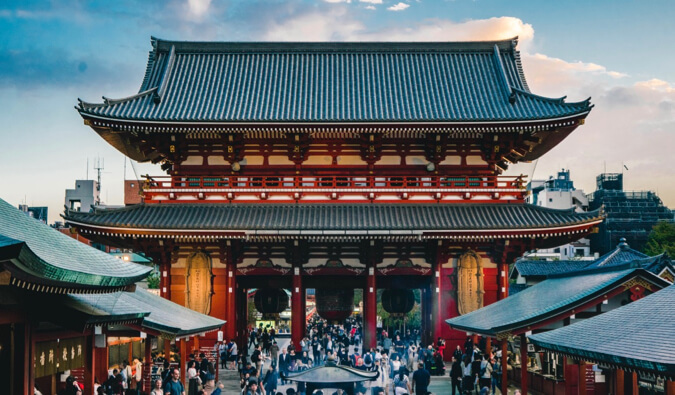
While Tokyo is often synonymous with neon lights and futuristic skyscrapers, there is a growing interest in its "Shitamachi" or "low city" history. This refers to the traditional areas of Tokyo that were historically home to the merchant and artisan classes. Educational walking tours have become a vital tool for preserving and promoting the history of the Edo period and the subsequent Meiji Restoration.
Tours focusing on neighborhoods like Yanaka and Nezu offer a stark contrast to the rapid modernization of central Tokyo. The Nezu Shrine, with its distinctive tunnel of red torii gates, and the preserved streets of Yanaka provide a backdrop for discussions on how the role of the samurai changed as Japan modernized. These tours are frequently led by lecturers and specialists in Japanese history, ensuring that the information shared is rooted in academic fact rather than folklore. This academic approach to tourism caters to a demographic of travelers who prioritize intellectual engagement and a nuanced understanding of a city’s chronological development.
The Rise of Modern Subcultures: Coffee and Street Art
Tokyo’s ability to adopt and refine foreign concepts is evident in its burgeoning specialty coffee scene and its underground street art culture. The "Coffee Culture Tour" has emerged as a way to explore under-visited neighborhoods like Jimbocho and Kanda. These areas are historical hubs for kissaten (traditional Japanese coffee shops), which emphasize a meticulous, slow-brewed approach to service. The transition from these old-school establishments to the modern "third-wave" specialty cafes illustrates Tokyo’s unique ability to blend tradition with contemporary trends.
In contrast, the street art scene in Tokyo operates under a different set of social and legal constraints compared to Western cities. In Japan, public murals are often viewed through a lens of strict urban management, making street art a largely underground or highly regulated activity. Tours in Shibuya and Harajuku that focus on this medium provide a rare look at how artists navigate these restrictions. By showcasing murals hidden in alleyways and explaining the context of their creation, these experiences offer a counter-narrative to the image of Tokyo as a purely conformist society.
Traditional Arts in a Modern Context: The Matcha Ceremony
The Japanese tea ceremony, or chanoyu, remains one of the most recognizable aspects of the country’s cultural heritage. However, the full ceremony can be lengthy and formal, which may be inaccessible to the average tourist. The adaptation of this tradition into a one-hour "Organic Matcha Tea Ceremony" experience represents a successful middle ground.
These sessions typically cover the history of matcha, its health benefits, and the step-by-step process of traditional preparation. By focusing on the whisking technique and the sensory experience of the tea in a calm setting, these experiences provide a brief but impactful immersion into Japanese aesthetics and mindfulness. This format reflects the broader trend of "micro-experiences," which allow travelers to sample high-depth cultural activities without committing to an entire day of programming.
Economic Impact and Logistical Considerations
The surge in experiential tourism has significant economic implications for local residents. Unlike traditional hotel-and-bus tourism, where profits are often centralized within large corporations, the Airbnb Experience model allows for a more decentralized distribution of wealth. Local guides, small restaurant owners, and independent artisans benefit directly from the influx of visitors.
For the traveler, navigating this ecosystem requires a strategic approach to logistics. The Japan Rail (JR) Pass remains a critical component for those looking to expand their itinerary beyond Tokyo, though recent price adjustments have prompted travelers to calculate its value more carefully. Digital platforms like Skyscanner and Booking.com continue to dominate the planning phase, while the rise of specialized travel insurance reflects a growing awareness of the need for comprehensive protection against cancellations and medical emergencies.
Broader Implications for the Future of Travel
The success of these localized experiences in Tokyo suggests a permanent shift in the global travel industry. The "cookie-cutter" tour is being replaced by the "curated" experience. This shift is driven by a desire for personalization, a focus on niche interests, and an appetite for social interaction with locals.
For Tokyo, a city that feels "endlessly deep," this model of tourism is particularly effective. It allows the city to reveal its layers—from the technicality of a sushi chef’s knife to the historical significance of a hidden shrine—in a way that is manageable for the visitor but respectful of the local culture. As Japan works toward its national goal of attracting 60 million annual visitors by 2030, the continued development of high-quality, education-based experiences will be essential in managing the flow of tourists and ensuring that the benefits of tourism are felt across all sectors of society.
In conclusion, the diversification of Tokyo’s tourism offerings through experiential platforms has provided a more nuanced and sustainable way for visitors to engage with the city. By prioritizing local expertise and cultural depth, these tours offer a front-row seat to the authentic heart of Japan, ensuring that the "endless depth" of Tokyo remains accessible to all who wish to explore it.




 Anjar Salim
 Chandra Hamzah
 Budi Mulyono

 Tatiana Tantri Indah Sari