
 Walid Sujud Trenggono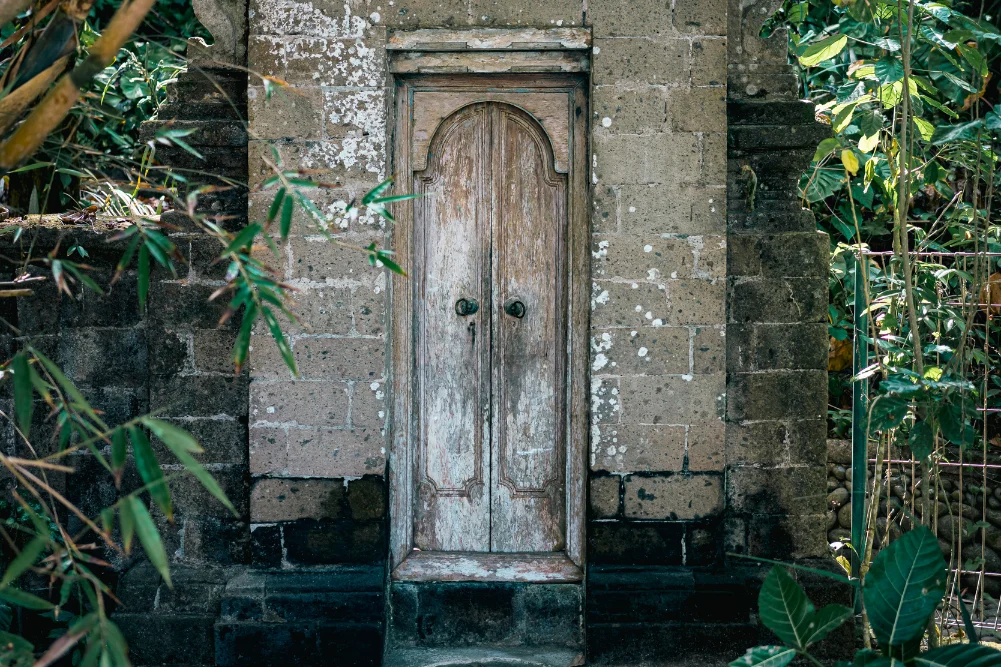
The traditional tourism epicenter of Bali, concentrated in the southern regency of Badung, is increasingly being challenged by a burgeoning interest in the island’s rugged western coastline. As the "hello mister" hustle of Denpasar and the saturated streets of Kuta drive seasoned travelers toward more remote experiences, the west coast—specifically the regions of Balian and Medewi—has emerged as a sanctuary for those seeking "authentic" Indonesia. This shift represents a broader trend in global travel toward "slow tourism," where the value is placed on cultural immersion, uncrowded natural landscapes, and sustainable engagement with local communities.
The Geographic Pivot: Beyond the Denpasar Hustle
For decades, the trajectory of Balinese tourism was predictable: arrivals at I Gusti Ngurah Rai International Airport would filter into the immediate vicinities of Kuta, Seminyak, and Canggu. However, recent data from the Bali Provincial Tourism Office indicates a growing dispersal of visitors into the Tabanan and Jembrana regencies. Balian Beach, located approximately 60 kilometers west of the airport, serves as the primary gateway to this frontier.
The transition from the urban sprawl of southern Bali to the west coast is marked by a dramatic change in scenery. Within a two-hour drive, the concrete landscape gives way to the verdant rice paddies of Lalanglinggah and the towering silhouettes of the Batukaru mountain range. Unlike the white-sand beaches of the Bukit Peninsula, the west coast is characterized by its volcanic origins. The sand here is a glistening charcoal grey, a result of basaltic minerals from the island’s volcanic peaks being washed down to the sea by sacred rivers.
Balian Beach: The Intersection of Volcanic Landscapes and Surf Culture
Balian Beach has long been a whispered secret among the international surfing community, yet it remains largely "untrammelled" by mainstream standards. The beach is defined by its sea-ravaged volcanic crags and a river mouth that provides a consistent, year-round swell.
The surf at Balian is divided into three primary breaks, offering a rare inclusivity for various skill levels. The "Peak" is a reliable A-frame that breaks slowly to the left and barrels to the right. Across the river, a break known as "Ketuts" offers a more intense, high-performance right-hand ride. To the far west, gentler "tumblers" provide an ideal environment for novice surfers and those practicing longboarding.
However, the river mouth geography introduces a unique biological factor: the presence of bull sharks. Local surf guides and marine biologists note that these apex predators are most active following heavy torrential downpours, which wash silt and organic matter into the ocean. While incidents are rare, the "all-knowing" local surfing community maintains a strict protocol of avoiding the water during these high-turbidity events, a testament to the respectful coexistence between the locals and their environment.
The Socio-Economic Fabric of Lalanglinggah Village
The village of Lalanglinggah, which encompasses the Balian Beach area, offers a stark contrast to the commercialized hubs of the south. Here, traditional Balinese compounds—rectangular walled structures designed to house multiple generations and their respective family temples—vastly outnumber tourist guesthouses.
Economic data from the region suggests that while tourism is an increasing contributor to the local GDP, agriculture remains the backbone of the community. Travelers often find themselves sharing the landscape with rice planters who maintain the irrigation systems (Subak) that have been recognized by UNESCO as World Heritage sites.
Local business owners, such as those operating the Pondok Hari Baik villas or the Balian Surf School, emphasize a model of "Community-Based Tourism" (CBT). This approach ensures that the economic benefits of tourism are distributed among the villagers. For instance, the inclusion of traditional Indonesian breakfasts—featuring nasi goreng (fried rice) and mie goreng (fried noodles)—prepared by local staff using village-sourced ingredients, is a standard practice that supports local supply chains.
Climatology and the Mechanics of the West Coast Swell
The viability of the west coast as a premier destination is dictated by specific meteorological patterns. The most favorable conditions occur during the dry season, which spans from April to October. During this window, the southeasterly trade winds are offshore for the west coast, carving out clean, "fun-riding" waves.
A critical factor in Balian’s consistency is the early morning convection breeze. Cool mountain air from the interior of the island blows offshore until approximately noon, when the trade winds typically kick in and create "choppy" conditions. Furthermore, the confluence of the sacred Balian River with the Indian Ocean magnifies even the smallest swells, ensuring that the beach remains a viable surfing destination even when other parts of the island are "flat."
The Wellness Frontier: Integrating Yoga and Traditional Living
As the surfing crowd established a foothold in Balian, a secondary wave of "wellness tourists" followed. This demographic is drawn to the region’s tranquility and the lack of a pervasive nightlife scene. Establishments like Balian Spirit Yoga, led by local instructors such as Nicky Sudianta, have become central to the area’s identity.
The wellness offerings in Balian are often more rigorous and traditional than the "commercial yoga" found in Ubud. Sessions are typically held in open-air shalas overlooking the ocean, integrating Hatha and Vinyasa flows with the natural rhythms of the coastline. The use of traditional singing bowls and a focus on "intentional movement" reflect a desire to preserve the spiritual essence of Balinese culture amidst the pressures of modernization.
The Medewi Extension: Yeh Sumbul and the Longest Left
An hour further west from Balian lies the village of Yeh Sumbul and the legendary point break of Medewi. This area represents the "deep west," where infrastructure is even more sparse and the "au-natural" beachfront extends for nearly 20 kilometers.
Medewi is home to Bali’s longest left-hand wave, a ride that can span up to 300 meters on a good day. Unlike the sandy bottoms of Balian, Medewi features a boulder-strewn shoreline, requiring a higher degree of technical skill and physical endurance. The accommodation in Yeh Sumbul, such as West Break Bali, often leans toward "surf camp" styles—budget-friendly, functional, and deeply integrated into the local Muslim-majority community that characterizes this part of the island.
The culinary scene in Yeh Sumbul is similarly authentic, with warungs (small, family-run cafes) like Nal’s Kitchen and Holy Tree serving traditional staples such as Gado-Gado (vegetables with peanut sauce) and fresh coconuts. This area serves as a case study in how tourism can exist without the "mould and incense" luxury of five-star resorts, appealing instead to a demographic that prioritizes the "soul-restoring" quality of the adventure.
Logistics and Infrastructure: Navigating the West Coast
The isolation of the west coast is its primary draw, but it also presents logistical challenges. Transportation is largely dependent on private drivers, Grab cars, or local buses. The two-to-three-hour journey from Denpasar involves navigating the main coastal highway, which is a primary artery for heavy freight trucks traveling between Bali and Java.
Key Travel Data:
- Distance from Denpasar Airport: 60km (Balian), 85km (Medewi).
- Optimal Season: April to October (Dry Season).
- Average Accommodation Cost: $45 – $100 per night for mid-range villas.
- Local Transport: Scooter rentals are common (approx. $5-$10 per day), though the highway is not recommended for inexperienced riders.
Analysis: The Future of Bali’s Off-the-Beaten-Path Destinations
The tension between development and preservation is the central theme of Bali’s west coast. While the lack of nightlife and high-end shopping keeps visitor numbers in check, the region is at a crossroads. There is an "untamed aura" that remains, but as the south becomes increasingly over-touristed, the pressure to develop the west will inevitably mount.
The "balance" found by travelers—the ability to enjoy a "Goldilocks-right" surf session in the morning and a traditional meal in a village setting in the evening—is a fragile one. The success of Balian and Medewi as sustainable alternatives to Kuta depends on the continued implementation of community-led tourism initiatives and the preservation of the "authentic" Balinese vibe.
As the global travel market continues to shift toward meaningful, low-impact experiences, Bali’s west coast stands as a testament to the island’s enduring diversity. It is a region where the "sum of its hotspots" is less important than the "untarnished" wilderness that remains. For the modern traveler, the journey to the west is more than a physical relocation; it is a mindset shift that values the "unhurried scene" over the "hustle," ensuring that the true spirit of Bali survives in its wilder, more remote corners.


 Anjar Salim
 Chandra Hamzah
 Budi Mulyono

 Tatiana Tantri Indah Sari