Hendra Ismail
This week’s global hospitality headlines offer a diverse landscape, from the enduring allure of cinematic design and the ethical considerations in architectural practice to the pioneering spirit of industry legends and the surprising resurgence of private shelters. The hospitality sector, ever-evolving, finds itself at the intersection of cultural trends, social responsibility, and innovative lifestyle offerings. These developments paint a compelling picture of the industry’s current trajectory and future possibilities.
Cinematic Set Design and Its Influence on Hospitality Spaces
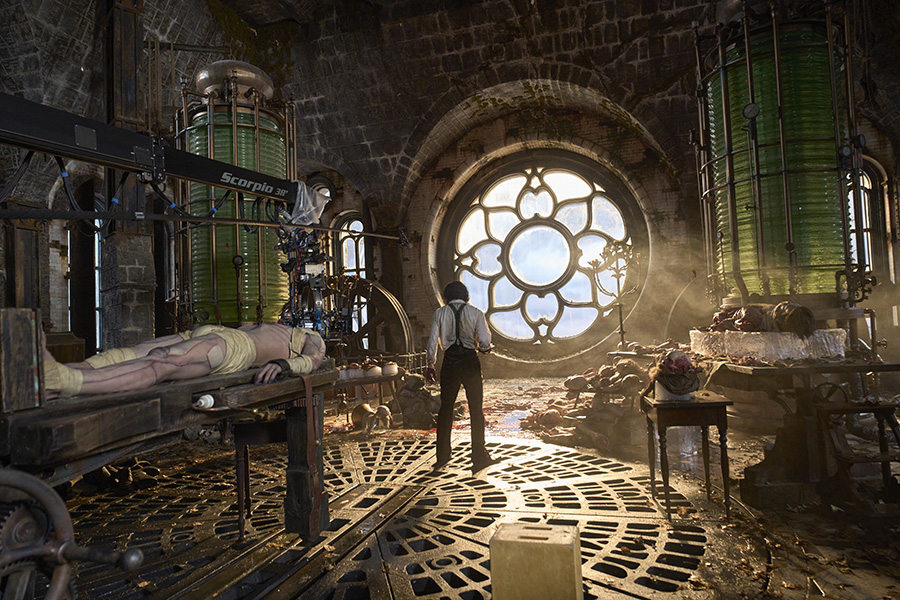
The recent 98th Academy Awards celebrated outstanding artistic achievements, with Guillermo del Toro’s "Frankenstein" clinching the Oscar for Best Art Direction. This prestigious recognition highlights the intricate and immersive worlds crafted by production designers, elements that often hold significant inspiration for the hospitality industry. The film’s triumph underscores the power of environment to transport audiences, a principle directly transferable to hotel design, restaurant ambiance, and bar experiences.
"Frankenstein’s" meticulously detailed sets, ranging from a Gothic English laboratory to a stark Arctic cargo ship, demonstrate a profound understanding of atmosphere and narrative. This level of detail and storytelling is increasingly sought after in hospitality, where guests expect more than just a place to stay or dine, but an experience that engages their senses and imagination. The success of such designs in film suggests a growing appetite among consumers for environments that offer depth, character, and a sense of escape.
The competitive field of Oscar-nominated productions further illustrates the breadth of creative vision impacting the industry. "Sinners," with its Southern Gothic backdrop, showcased how regional aesthetics and mood can anchor a narrative and create a visceral experience. Similarly, "Hamnet" meticulously recreated historical settings, including Shakespeare’s Globe Theatre, emphasizing the importance of authenticity and place. These examples demonstrate how historical and cultural references can be leveraged to create compelling and memorable spaces within hospitality.
"Marty Supreme" journeyed through contrasting environments, from the claustrophobia of postwar New York to the vibrant theatrical athletic theaters of Japan, proving that a diverse range of settings can contribute to a rich narrative. The ability to evoke distinct atmospheres and transition between them seamlessly is a testament to the skill of production designers. This adaptability and environmental storytelling are key considerations for hospitality venues aiming to cater to diverse guest preferences and create varied experiences within a single location.
"One Battle After Another" offered a unique perspective by reinterpreting contemporary or near-future settings, suggesting that even familiar environments, when viewed through a specific lens, can be transformed into compelling cinematic backdrops. This approach to design, which finds the extraordinary within the ordinary, can inspire hospitality designers to reimagine everyday spaces and imbue them with novel appeal.
While the Academy recognized a spectrum of imaginative worlds, the omission of the meticulous recreation of Linda Rosenkrantz’s Manhattan loft in "Peter Hujar’s Day" from award consideration serves as a reminder that even highly detailed and atmospheric residential designs, which often influence interior design trends in hospitality, can sometimes be overlooked in major awards. Nevertheless, the overall trend of recognizing immersive and narrative-driven set design points to a significant influence on how we perceive and create experiential spaces, including those in the hospitality sector. The attention to detail, historical accuracy, and emotional resonance found in these Oscar-nominated films can serve as a blueprint for creating unique and memorable guest experiences.
DLR Group Faces Scrutiny Over ICE Detention Center Involvement
A significant ethical dilemma has emerged for DLR Group, an architecture and design firm, following reports by Mother Jones regarding its role in the conversion of a correctional facility in Watonga, Oklahoma, into an Immigration and Customs Enforcement (ICE) detention center. This development has ignited a firestorm of criticism and raised profound questions about the responsibilities of design professionals in projects with significant social and humanitarian implications.
According to Dezeen, DLR Group employees reportedly became aware of the firm’s involvement as a subcontractor for the overhaul of the Diamondback Correctional Facility through public sources, a situation that allegedly contrasted with internal communications. This revelation has placed the firm under intense scrutiny, prompting a reassessment of its ethical guidelines and public commitments. The architecture industry, like many others, is increasingly being held accountable for the societal impact of its work, and DLR Group’s situation is a stark example of this trend.
In response to the backlash, DLR Group has articulated a commitment to cease working on the design of ICE detainment or deportation facilities moving forward. This decision, while a significant step, follows a period where the firm had previously established a dedicated service arm focused on criminal justice design. The firm also announced a donation of $300,000 from profits generated by the Oklahoma project. This financial contribution, while intended to address some of the concerns, has been met with mixed reactions, with some viewing it as a necessary acknowledgment of the project’s controversial nature and others questioning its sufficiency in rectifying the ethical concerns.
The implications of this incident extend beyond DLR Group, casting a wider net over the architectural profession’s engagement with sensitive projects. It underscores the growing imperative for firms to conduct thorough due diligence, engage in transparent communication with their staff and the public, and establish clear ethical frameworks for all their endeavors. The industry is being pushed to consider the broader societal consequences of their designs, moving beyond purely aesthetic or functional considerations to encompass human rights and ethical responsibility. As the conversation around corporate social responsibility intensifies, design firms will likely face increased pressure to align their projects with values that promote human dignity and ethical practices.
Adrian Zecha Ventures into Luxury Farm Resort in Japan
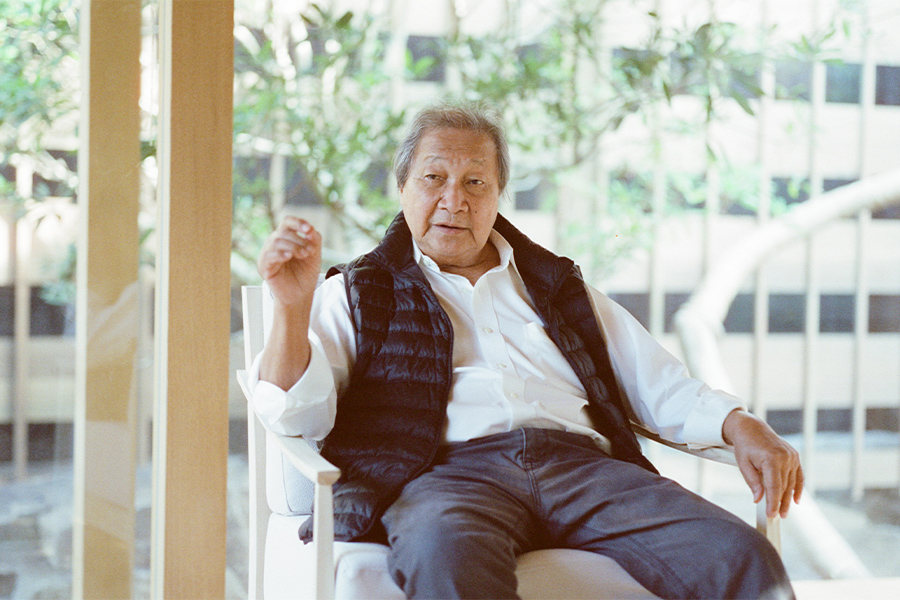
Hospitality titan Adrian Zecha, renowned for co-founding the iconic Aman resorts, is embarking on a new venture that blends luxury with agrarian life. In partnership with Azumi Japan and the East Japan Railway Company, Zecha is set to launch Azuma Farm Koiwai, a distinctive luxury resort situated on the historic 20-acre Koiwai Farm in the Iwate Prefecture. Scheduled to open next month, this project signals a return to fundamental principles of hospitality, emphasizing tranquility, natural beauty, and a connection to the land.
Hypebeast reports that the resort will feature 24 villa-style guestrooms, each designed with warm wood interiors to complement the rustic charm of the farm setting. The architectural vision for Azuma Farm Koiwai is helmed by Shiro Miura of Rokkaku-ya, a Kyoto-based architect known for his sensitive approach to Japanese craftsmanship. Miura’s design philosophy is expected to highlight the intrinsic beauty of the farm and its surroundings, creating a harmonious integration of architecture and nature.
This initiative by Zecha represents a significant departure from the ultra-luxury, often secluded resorts for which he is best known. By focusing on an operational farm, Azuma Farm Koiwai aims to offer guests an immersive experience in agrarian life, potentially including opportunities to engage with the farm’s activities, produce, and the surrounding natural landscape. This move aligns with a broader trend in luxury travel towards authentic experiences, sustainability, and a deeper connection with local culture and environment.

The choice of Koiwai Farm, a historic and well-established agricultural site, provides a rich narrative and a picturesque setting for the resort. The partnership with the East Japan Railway Company also suggests a strategic approach to accessibility and integration within the region, potentially drawing on existing tourism infrastructure. This venture is poised to attract discerning travelers seeking a unique blend of luxury, wellness, and authentic rural engagement, further diversifying the luxury hospitality landscape.
The Resurgence of Private Bunkers: A Response to Societal Anxieties
In an era marked by a confluence of global challenges, from housing crises and economic instability to climate change and geopolitical tensions, the market for private bunkers has experienced a dramatic surge. Dwell magazine delves into this burgeoning trend, exploring the motivations and diverse clientele driving the increased demand for secure, subterranean living spaces. The phenomenon reflects a growing sense of unease and a desire for personal security and self-sufficiency.
Since 2018, residential bunker sales have reportedly seen a staggering 1,000 percent increase. This surge spans a wide spectrum of buyers, from ultra-high-net-worth individuals seeking elaborate, fortified residences to more common citizens investing in smaller-scale protective structures. The appeal of bunkers has expanded beyond the traditional Cold War fallout shelter model, evolving into sophisticated, often luxurious, living environments designed to withstand a variety of potential threats.
The article by Angella d’Avignon highlights Vivos xPoint, described as the "largest survival community on earth." This expansive South Dakota development features 575 concrete-and-steel bunkers spread across an area comparable in size to Manhattan. The cost of entry into this unique community is substantial, with an upfront payment of $55,000 and annual rent of $1,091. Furthermore, the estimated $250,000 required for a full interior fit-out underscores the significant investment involved in creating a personalized bunker haven.
The rising popularity of bunkers can be attributed to several factors. The persistent housing affordability crisis in many urban centers pushes individuals to seek alternative living arrangements, and fortified underground homes offer a unique, albeit expensive, solution for some. More broadly, a palpable sense of societal anxiety, amplified by constant news cycles detailing global crises, fuels a desire for personal safety and control. Climate change concerns, including extreme weather events and potential resource scarcity, also contribute to the appeal of self-contained, resilient living spaces.
While the trend of bunker construction and sales is undeniably a reflection of contemporary anxieties, it also presents opportunities for the construction and design industries. Companies specializing in subterranean construction, advanced life-support systems, and bespoke interior design for secure environments are experiencing unprecedented demand. This niche market, once confined to speculative fiction and doomsday preparedness, has firmly entered the mainstream, offering a fascinating glimpse into the evolving priorities and concerns of a segment of the global population.
Finalists Announced for the 22nd Annual HD Awards
Hospitality Design (HD) has officially unveiled the extensive list of finalists for its prestigious 22nd Annual HD Awards. This year’s competition saw an impressive influx of over 1,000 entries, meticulously evaluated by dual judging panels comprising industry leaders and design experts. The rigorous selection process has identified the most innovative and impactful projects and products across 34 distinct project categories and 15 product categories.
The HD Awards are a cornerstone event in the hospitality design calendar, celebrating excellence in creativity, functionality, and forward-thinking design within the sector. The finalists represent a diverse array of projects, from cutting-edge hotel interiors and groundbreaking public spaces to innovative restaurant and bar designs, and sophisticated product offerings that enhance the guest experience.
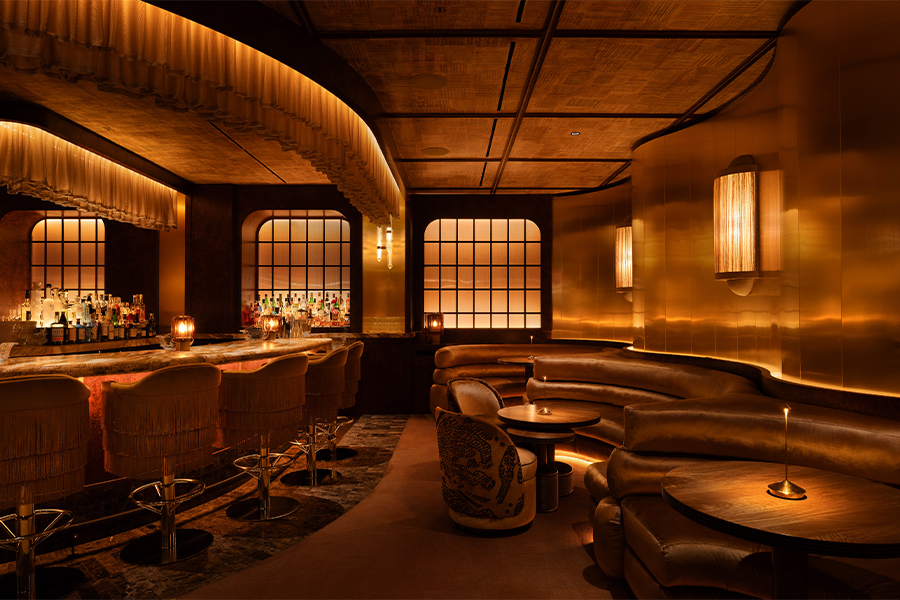
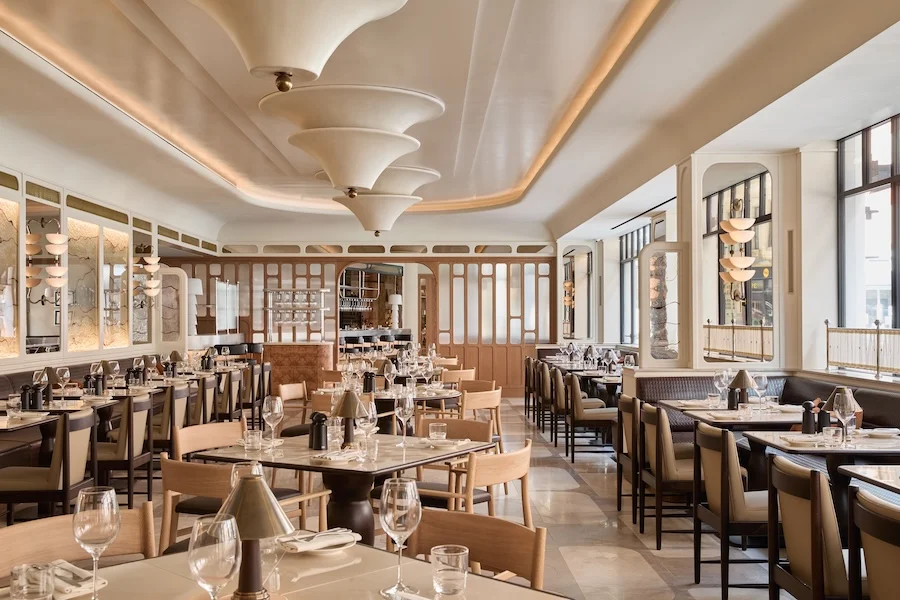
Notable finalists include the Filthy Martini Bar in Phoenix, recognized in the Bar, Club + Lounge category, and the Jumeirah Marsa Al Arab in Dubai, a contender in the Luxury Hotel Public Space category. These selections highlight the dynamic nature of contemporary hospitality design, pushing boundaries in aesthetics and guest engagement.
The winners of the 22nd Annual HD Awards will be announced on May 5th during an exclusive ceremony held as part of the renowned HD Expo + Conference in Las Vegas. This event serves as a crucial platform for networking, trend forecasting, and celebrating the achievements of the hospitality design community. Attendees of the awards ceremony will have the opportunity to connect with peers, designers, and industry stakeholders, and to gain insights into the future direction of hospitality spaces. Tickets for this highly anticipated event are currently available for purchase, offering an opportunity to witness the recognition of the industry’s most outstanding talents. The anticipation is building as the industry awaits the reveal of the 2026 award recipients, poised to set new benchmarks for design innovation and excellence.

 Anjar Salim
 Chandra Hamzah
 Tatiana Tantri Indah Sari
 Walid Sujud Trenggono
 Budi Mulyono