
 Hendra Ismail
A look at the must-read news stories impacting the hospitality industry this week.
The hospitality industry is a dynamic and ever-evolving sector, constantly shaped by architectural innovations, philanthropic endeavors, global economic trends, and evolving consumer priorities. This week’s news cycle offers a compelling snapshot of these forces, from the expansion of significant cultural institutions to the intricate relationship between urban development and cultural identity, and the burgeoning focus on health and well-being within the built environment. As we navigate the latter half of March 2026, several key developments are capturing the attention of industry professionals, designers, and stakeholders worldwide.
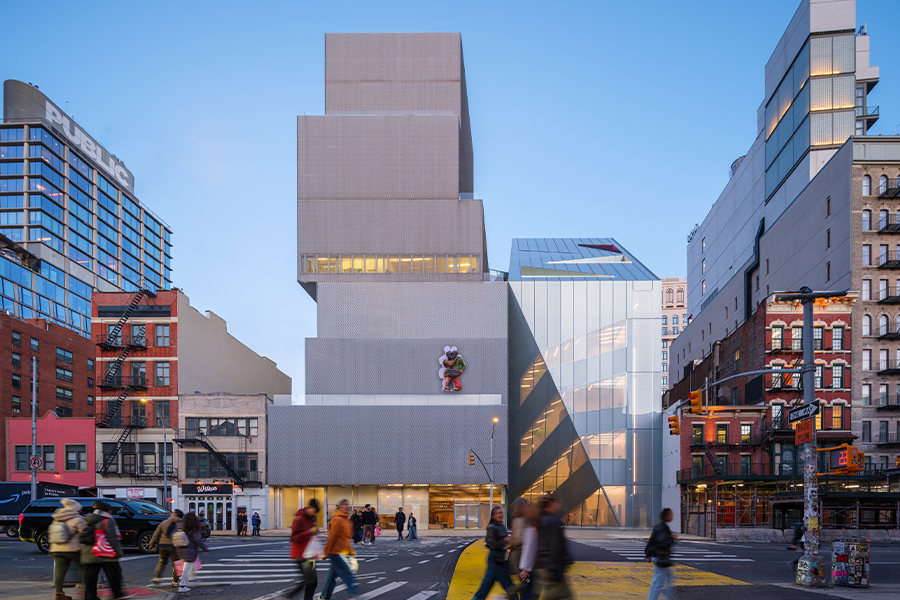
New Museum Unveils Expanded Cultural Hub on New York’s Lower East Side
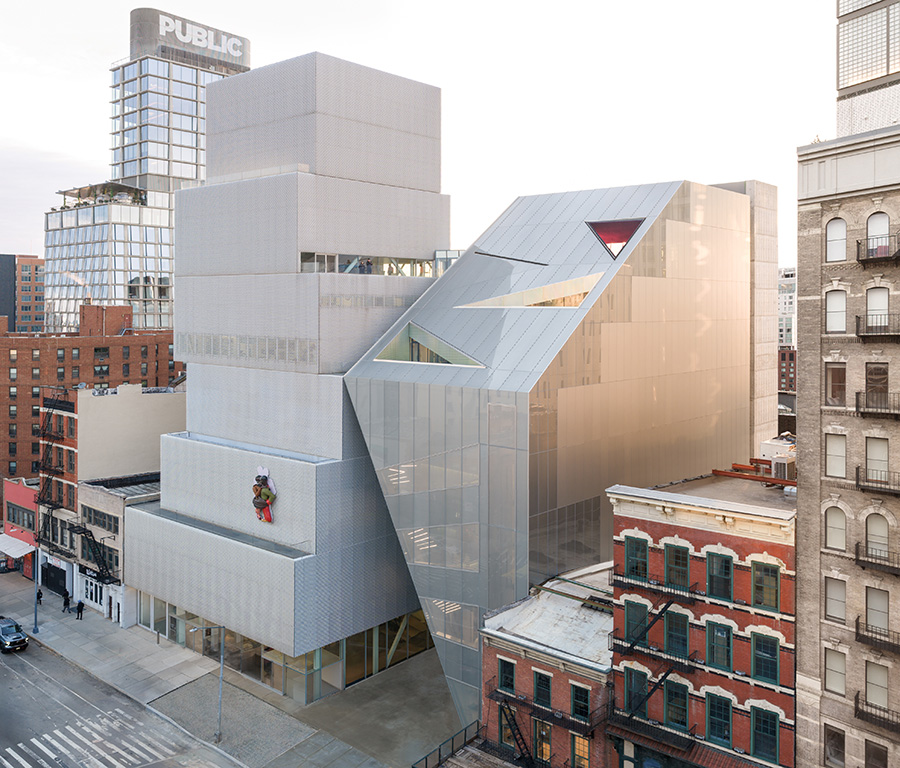
New York City’s Lower East Side is celebrating the much-anticipated reopening of the New Museum, following a four-year renovation and expansion project helmed by the architectural firms OMA and Cooper Robertson. This significant undertaking has not only amplified the museum’s physical presence but also enhanced its capacity to engage with contemporary art and its public. The expansion introduces an additional 10,450 square feet of gallery space, effectively doubling the exhibition capacity across the museum’s second, third, and fourth floors. Crucially, these newly expanded galleries are now seamlessly integrated with the adjacent SANAA-designed building, fostering a more cohesive and expansive exhibition experience.
The logistical enhancements are equally noteworthy. Two new passenger elevators and a thoughtfully designed atrium staircase have been implemented to streamline visitor circulation, reducing wait times and improving overall accessibility. These architectural interventions also create new opportunities for site-specific installations, further enriching the visitor journey. The expanded lobby, now spanning both structures, serves as a vibrant nexus for the museum’s public programming. It features an augmented reality-enhanced bookstore, offering an innovative retail experience, a full-service restaurant designed to cater to museum patrons and local diners alike, and a flexible event space poised to host a diverse range of public lectures, panels, and special gatherings. Furthermore, the museum’s uppermost floors now boast accessible terraces, providing visitors with panoramic views of the Manhattan skyline, complemented by an enlarged Sky Room on the seventh floor, a space designed for both intimate contemplation and larger events. This expansion represents a significant investment in the cultural landscape of New York, promising to draw both local and international audiences seeking cutting-edge artistic experiences and elevated hospitality offerings. The strategic integration of art, dining, retail, and public space positions the New Museum as a multifaceted destination, reflecting a growing trend in cultural institutions to offer a more holistic visitor experience.
Michael Hsu Office of Architecture Extends Pro Bono Design Services to Texas Nonprofits
In a testament to the power of design for social good, the Houston-based Michael Hsu Office of Architecture (MHOA) has announced the continuation of its "Design for All Partnership" for 2026. This philanthropic initiative offers $20,000 worth of pro bono design and consultation services to a deserving nonprofit organization within Texas. This marks a significant commitment from MHOA, building on the success of previous iterations of the program.
The application window for eligible organizations, located within a 50-mile radius of Houston, Austin, or Dallas-Fort Worth, is now open, with applications due by May 15th. The selected recipient will be announced on June 26th, marking a pivotal moment for the chosen nonprofit as they prepare to embark on a transformative design journey. Past beneficiaries of this program, such as American YouthWorks and Central Texas Table of Grace, have demonstrably benefited from MHOA’s expertise, showcasing the tangible impact of architectural and design pro bono services on community infrastructure and operational effectiveness. This initiative underscores a growing awareness within the architectural and design communities of their responsibility to contribute to the social fabric of their regions, leveraging professional skills to support organizations that often operate with limited resources but have profound community impact. The "Design for All Partnership" not only provides critical design expertise but also serves as a catalyst for organizational growth and enhanced public service delivery.

Africa’s Soaring Skylines: A Dialogue on Growth, Identity, and Urban Development
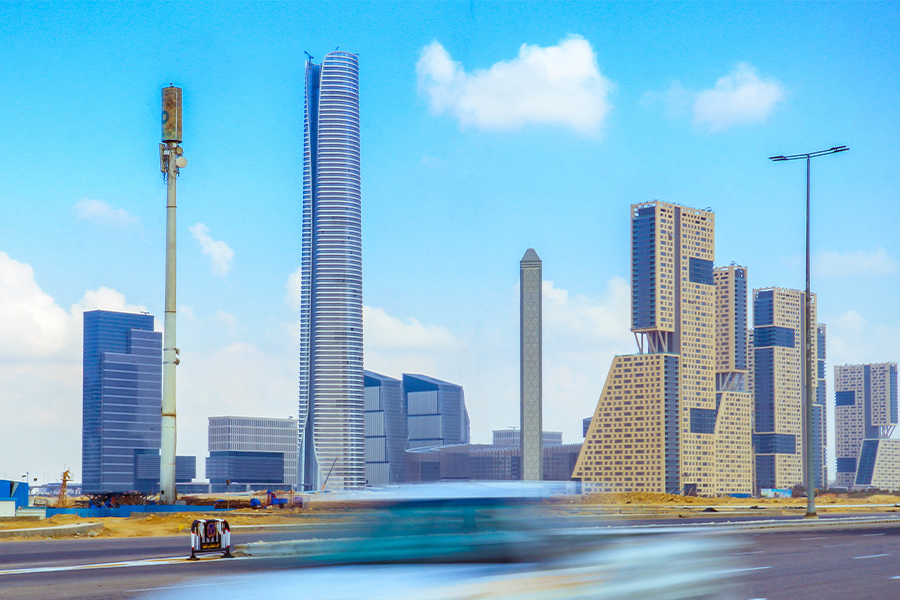
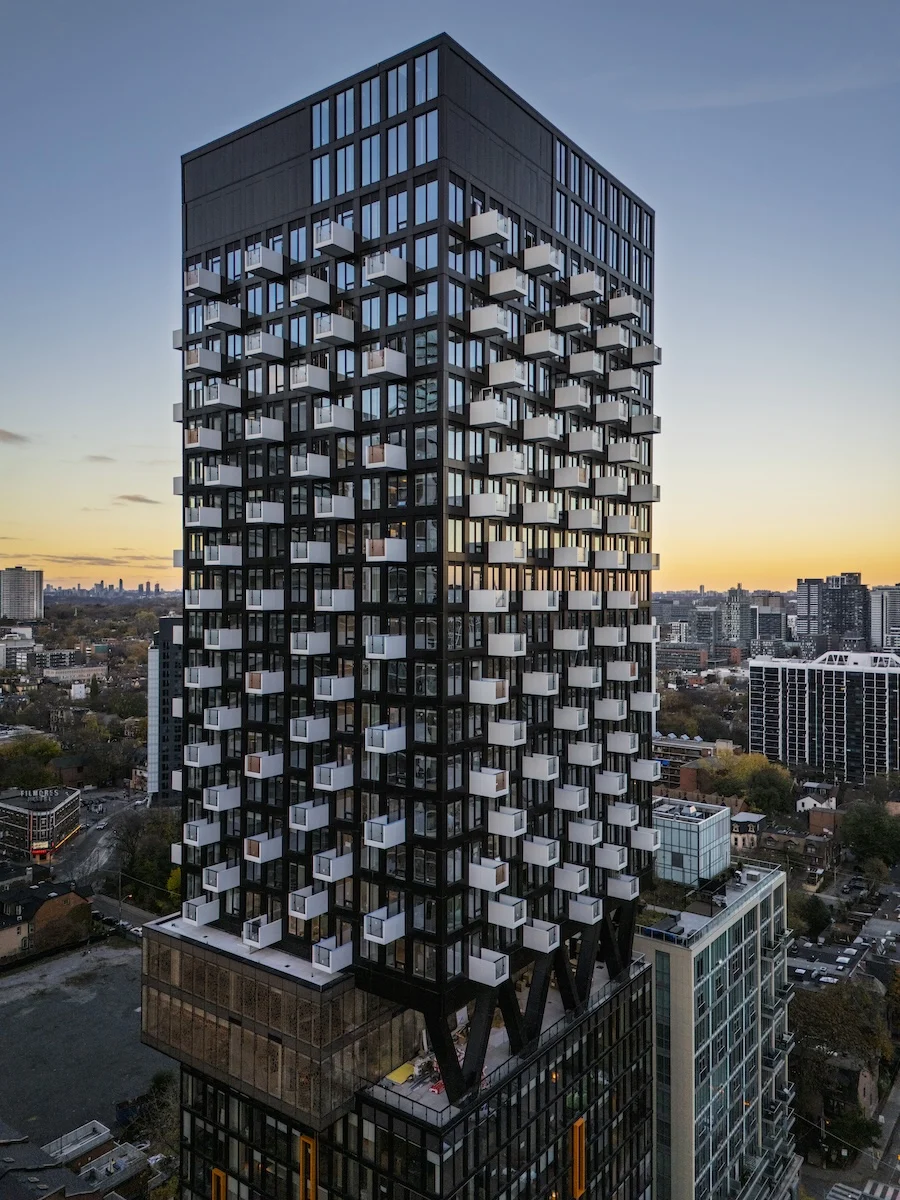
The rapid proliferation of supertall skyscrapers across the African continent is igniting a critical debate regarding urban development, economic aspirations, and the assertion of cultural identity. As the 1,381-foot-tall Tour F in Abidjan, designed by Lebanese-Ivorian architect Pierre Fakhoury, is slated for completion later this year, it is set to claim the title of Africa’s tallest building. This ambitious project will supersede the Iconic Tower in Egypt, a 1,293-foot-tall marvel that became the continent’s first supertall skyscraper upon its completion in 2024. The Iconic Tower, in turn, had dethroned the Carlton Centre in Johannesburg, which had held the distinction of Africa’s tallest building for nearly five decades.
This surge in supertall constructions is widely interpreted as a visual manifestation of Africa’s burgeoning economic growth and ongoing developmental momentum. However, the Pan-African Biennale of Architecture has raised pertinent questions about the contextual relevance and cultural resonance of these monumental structures. Critics, as reported by Dezeen, suggest that such projects might sometimes overlook or disregard local traditions, vernacular architectural styles, and even the practicalities of existing infrastructure, such as electrical grid capacity. Compounding this discourse is the significant role of Chinese developers and construction companies in driving much of this recent development. This external influence, the Biennale argues, further accentuates the need for new construction to more authentically reflect and celebrate African cultural identities. While these modern mixed-use, residential, and office towers undoubtedly symbolize economic confidence and progress for many, they also serve as potent symbols of prestige and global integration. The architectural landscape of Africa is thus becoming a complex canvas where economic ambition, global connectivity, and the preservation and expression of distinct cultural narratives are in constant dialogue. The implications for the hospitality sector are substantial, as these new urban landmarks often include hotels, luxury residences, and commercial spaces, shaping the future of tourism and business travel across the continent.
The Built Environment as a Catalyst for Health and Longevity
Beyond fleeting wellness trends and products, the fundamental design of our living and working spaces is emerging as a critical determinant of long-term health and well-being. An insightful piece in AD Pro delves into the profound impact of the built environment on our longevity, exploring how the materials we touch, the air we breathe, and the spatial configurations that guide our daily routines can either support or undermine our health. This comprehensive investigation highlights the importance of selecting healthier materials, implementing thoughtful spatial planning solutions, and embracing science-led design decisions.
Simultaneously, the luxury travel market is witnessing a sophisticated evolution in how affluent travelers approach health and longevity. A report from Condé Nast Traveler from the previous year detailed a spectrum of advanced wellness practices being embraced by elite business travelers. These include cutting-edge amenities such as infrared saunas, advanced breathwork techniques, and cryotherapy, alongside other "biohacking" methodologies. These offerings provide immediate, tangible benefits and cater to a discerning clientele seeking to optimize their physical and mental performance. The hospitality industry is increasingly recognizing this demand, with projects like The Estate by sbe—a luxury hotel platform co-founded by Sam Nazarian, Tony Robbins, and Marc Anthony, centered on preventative medicine and longevity—poised to redefine guest experiences. The upcoming launch of its first location at Los Angeles’ Century Plaza exemplifies this trend, integrating holistic wellness into the very fabric of the hospitality offering. This convergence of health-focused design principles and luxury wellness experiences signals a significant shift in how the hospitality sector is conceptualizing guest comfort, engagement, and, ultimately, the long-term value proposition it offers.

HD Expo + Conference: A Glimpse into the Future of Hospitality Design
With the HD Expo + Conference less than six weeks away, the comprehensive agenda for this premier event promises an in-depth exploration of the most pressing trends and innovative solutions shaping the hospitality industry. Scheduled to take place at Mandalay Bay, the conference will commence with signature programs such as HD University and the esteemed Women in Design Awards Breakfast, setting a tone of professional development and recognition.
Tuesday, May 5th, will feature a series of compelling show floor panels, including "Wellness by Design: Seamless Technology Experiences from Hotel to Home," examining the integration of technology in creating healthier living and hospitality environments. "Beyond Aesthetics: Identity, Soul, and Revenue – The New Hospitality Equation" will delve into the multifaceted drivers of successful hospitality design, while "In the Principal’s Office: Words of Wisdom from Designers at the Helm" will offer invaluable insights from leading figures in the field. Dr. Gautam Gulati of The Well Home is scheduled to participate in two sessions on Wednesday, May 6th, focusing on the critical intersection of health and hospitality. Additional sessions on Wednesday include "Beyond Buzzwords: Generational Shifts and the Future of Hospitality," addressing evolving consumer demographics, and "Designing at the Edge: Global Lessons in Hospitality from Netflix’s Restaurants on the Edge," exploring innovative F&B concepts. The conference will conclude on Thursday, May 7th, with sessions such as "Ageless Travel: Hospitality and Amenity Design for Longevity Enthusiasts and Active Mature Travelers," and "Hospitality as Ecosystems: Rethinking Space, Culture, and Connection," underscoring the industry’s commitment to inclusivity and holistic design. Registration for this essential event, offering a vital platform for networking, learning, and discovery, is now open. The robust programming reflects a sector deeply invested in innovation, sustainability, and the evolving needs of the modern traveler.


 Anjar Salim
 Chandra Hamzah
 Budi Mulyono

 Tatiana Tantri Indah Sari