Budi Mulyono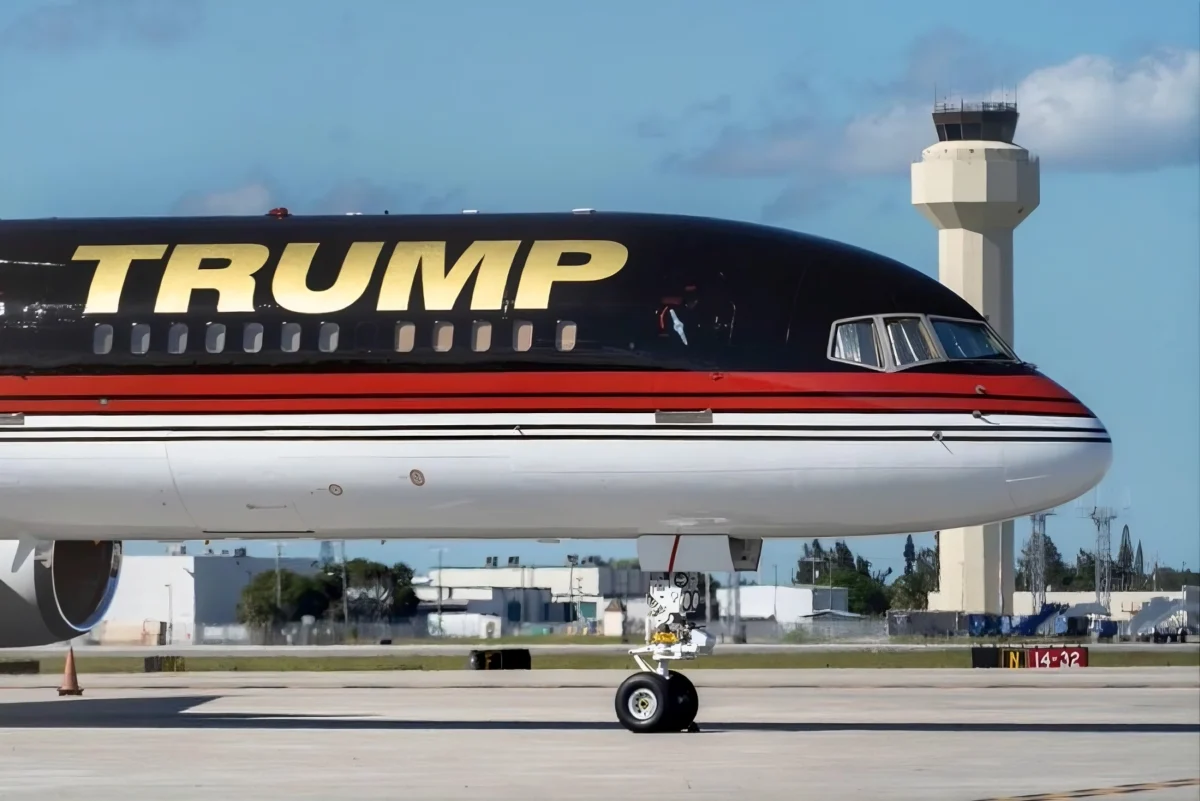
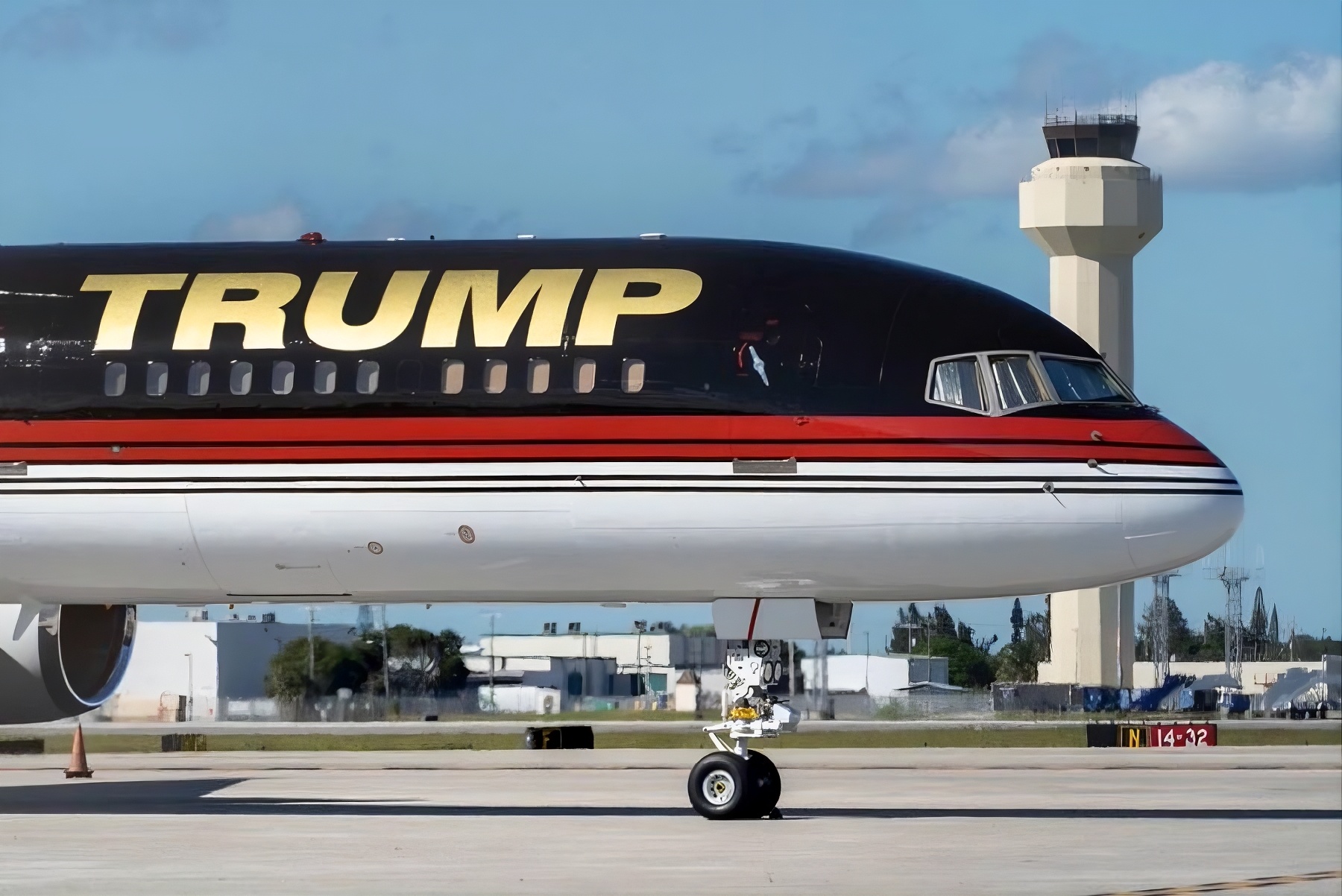
Governor Ron DeSantis officially signed House Bill 919 into law on March 30, 2026, marking a significant shift in the branding of South Florida’s aviation infrastructure. The legislation mandates the renaming of Palm Beach International Airport (PBI) to the "President Donald J. Trump International Airport." The signing follows the bill’s passage in the Florida Legislature last month and its formal transmission to the Governor’s office earlier today. The move solidifies the 45th President’s legacy in his home state, specifically in the county that houses his Mar-a-Lago residence, which has long served as a secondary center of gravity for American political activity.
The announcement was met with immediate celebration from the Trump family and their political allies. Eric Trump, Executive Vice President of the Trump Organization, took to social media to herald the decision, expressing gratitude toward Governor DeSantis, State Representative Meg Weinberger—the bill’s primary sponsor—and the Florida House of Representatives. In his statement, Eric Trump noted the pride he felt in playing a role in the transition, characterizing the overwhelming legislative support as a testament to his father’s impact on the region and the nation.
The Legislative Framework of House Bill 919
House Bill 919 was designed specifically to facilitate the rebranding of one of Florida’s busiest transit hubs. The legislation provides the legal authority for state and local authorities to begin the transition from the "Palm Beach International" moniker to the new presidential designation. Crucially, the bill includes specific provisions regarding the use of the former President’s name. Under the terms of the law, an agreement must be reached with Donald J. Trump to permit the use of his name for the facility.
One of the most notable aspects of the legislation is the prohibition of financial compensation for the naming rights. Unlike private sector naming rights deals—common in sports stadiums and arenas—the law stipulates that the President cannot be paid for the use of his name on the public infrastructure. This provision was included to navigate potential ethical concerns regarding the enrichment of a political figure through the use of public assets.
While the Governor’s signature concludes the state-level legislative process, the transition is not instantaneous. Aviation experts note that several administrative and regulatory hurdles remain before the signage at the airport is physically altered. The Federal Aviation Administration (FAA) must formally acknowledge the name change in its national database, and international aviation charts must be updated to reflect the new designation.
Chronology of the Renaming Initiative
The drive to name an airport after Donald J. Trump began shortly after he left office in 2021. Throughout his post-presidency, various Republican lawmakers at both the state and federal levels proposed different facilities for the honor. The timeline of the Palm Beach renaming reflects a multi-year effort to align the President’s legacy with his primary place of residence.
- January 2021 – December 2023: Initial discussions regarding the naming of a major Florida airport after Trump circulate among state GOP leaders. Proposals included Miami International and Orlando International, though these faced significant local opposition.
- January 2024: Florida legislators began narrowing their focus to Palm Beach International Airport, citing Trump’s residency in Palm Beach and the airport’s role as the primary arrival point for his domestic and international travels.
- February 2026: House Bill 919 is formally introduced in the Florida House of Representatives by Representative Meg Weinberger. The bill gains rapid momentum, supported by a Republican supermajority.
- February 2026: The Florida House and Senate pass the bill following robust debate regarding the costs of rebranding and the precedent of naming infrastructure after active political figures.
- March 30, 2026: The bill is formally transmitted to Governor Ron DeSantis, who signs it into law within hours of receipt.
Aviation Logistics and Federal Oversight
The renaming of a major international airport is a complex logistical undertaking that extends far beyond replacing physical signs on a terminal. Palm Beach International Airport currently operates under the IATA code "PBI" and the ICAO code "KPBI." While the name of the airport will change to President Donald J. Trump International Airport, the three-letter identification codes are likely to remain the same to avoid massive disruptions to global flight booking systems, air traffic control protocols, and baggage handling software.
The FAA maintains strict guidelines for airport naming. According to FAA Order 5090.5, the agency generally defers to local and state authorities regarding the naming of facilities, provided that the name change does not create "operational confusion." This is a significant factor in the aviation community; if multiple airports were to share similar names, it could lead to pilot errors or passenger displacement.
The rebranding will require updates to:
- Electronic Flight Bags (EFBs): Digital charts used by pilots worldwide must be synchronized.
- Ground Signage: Directional signs on Interstate 95 and Southern Boulevard will need to be replaced by the Florida Department of Transportation (FDOT).
- Terminal Branding: Interior digital displays, static signage, and airport employee uniforms will undergo a phased rollout of the new branding.
- FAA Sectional Charts: Federal mapping for civil aviation must be reprinted and redistributed.
Supporting Data: Palm Beach International Airport Profile
Palm Beach International Airport is a vital economic engine for the South Florida region. Understanding the scale of the facility provides context for the significance of the renaming.
- Passenger Volume: In recent years, PBI has handled between 7 million and 8 million passengers annually, making it the third busiest airport in the South Florida metropolitan area, following Miami (MIA) and Fort Lauderdale-Hollywood (FLL).
- Economic Impact: The airport contributes an estimated $4.6 billion annually to the regional economy, supporting over 25,000 jobs directly and indirectly.
- Carrier Presence: Major airlines operating out of the facility include Delta Air Lines, JetBlue, American Airlines, and United Airlines. The airport is also a major hub for general aviation, frequently hosting private aircraft for high-net-worth individuals residing in Palm Beach.
- Infrastructure: The airport features a 600,000-square-foot terminal and three runways, the longest of which is 10,000 feet, capable of handling large long-haul aircraft.
The renaming is expected to draw a mix of increased tourism from supporters of the former President and potential boycotts from political opponents, though historical data on renamed airports suggests that political naming rarely has a long-term impact on total passenger throughput.
Historical Precedent for Presidential Airport Naming
Naming major airports after U.S. Presidents is a long-standing tradition in American civil engineering and politics. The decision to rename PBI follows a path cleared by several other major hubs:
- John F. Kennedy International Airport (JFK): Formerly Idlewild Airport, it was renamed in December 1963, just weeks after the President’s assassination.
- Ronald Reagan Washington National Airport (DCA): Renamed in 1998 via federal legislation signed by President Bill Clinton, despite significant local opposition in the District of Columbia and Virginia.
- George Bush Intercontinental Airport (IAH): Renamed in 1997 to honor the 41st President, George H.W. Bush, while he was still alive and residing in Houston.
- Bill and Hillary Clinton National Airport (LIT): The Little Rock, Arkansas airport was renamed in 2012 to honor both the 42nd President and the then-Secretary of State.
- Abraham Lincoln Capital Airport (SPI): Located in Springfield, Illinois, honoring the 16th President.
The case of President Donald J. Trump International Airport is unique in that the renaming occurred while the namesake remains a highly active and central figure in national politics. While George H.W. Bush and Bill Clinton were honored post-presidency, the timing of the PBI renaming has sparked discussions about the politicization of public spaces.
Official Responses and Public Discourse
The reaction to the signing of HB 919 has split largely along partisan lines. Proponents of the bill argue that Donald J. Trump is Florida’s most prominent resident and that his contributions to the state—both as a businessman and as President—merit such a high-profile honor.
"President Trump has been a champion for Florida," said Representative Meg Weinberger during the legislative session. "Renaming this airport is a fitting tribute to a leader who has made Palm Beach his home and has brought unprecedented attention and economic interest to our community."
Conversely, critics have raised concerns regarding the costs associated with the rebranding, which are estimated to be in the hundreds of thousands of dollars. Local officials in Palm Beach County, which leans more Democratic than the state as a whole, have expressed reservations about the unilateral nature of the state-led renaming. Some members of the Palm Beach County Commission argued that the decision should have remained a local matter rather than a mandate from Tallahassee.
The aviation community has expressed a more pragmatic concern: the potential for confusion with other proposed "Trump" airports. Earlier this year, a group of federal lawmakers introduced a bill in the U.S. House of Representatives to rename Washington Dulles International Airport (IAD) after Trump. Aviation safety experts have noted that having two major airports on the East Coast named "Trump International" could lead to "call sign confusion" for pilots and administrative errors for travel agencies.
Broader Impact and Implications
The renaming of Palm Beach International Airport is more than a symbolic gesture; it reflects the shifting political geography of the United States. Florida’s evolution into a solid Republican stronghold has allowed for legislative actions that might be untenable in more contested states.
From a marketing perspective, the airport will now become a landmark for the "MAGA" movement, potentially attracting travelers who wish to fly into a facility bearing the former President’s name. For the Trump Organization, the renaming provides a massive, state-sanctioned branding boost that reinforces the Trump brand’s association with luxury and international travel.
For Governor Ron DeSantis, signing the bill reinforces his alliance with the Trump base. While the two leaders have had a complex relationship, the signing of HB 919 serves as a signal of party unity in Florida.
As the physical transition begins, the eyes of the aviation world will be on South Florida to see how the rebranding is executed. The success of the President Donald J. Trump International Airport will likely be measured not by the name on the terminal, but by its continued ability to serve as a gateway for millions of travelers and a pillar of the Florida economy. With the FAA’s pending approval and the legal frameworks now in place, the transformation of PBI into a presidential namesake is officially underway.



 Anjar Salim
 Chandra Hamzah
 Tatiana Tantri Indah Sari
 Walid Sujud Trenggono