
 Anjar Salim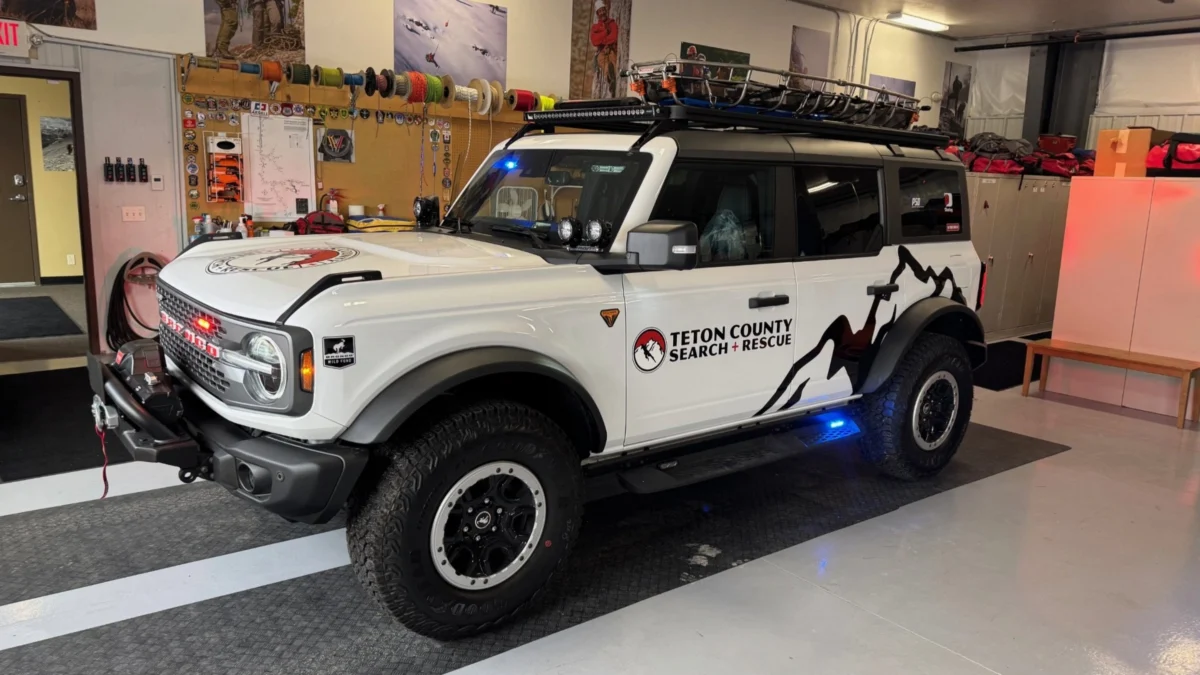
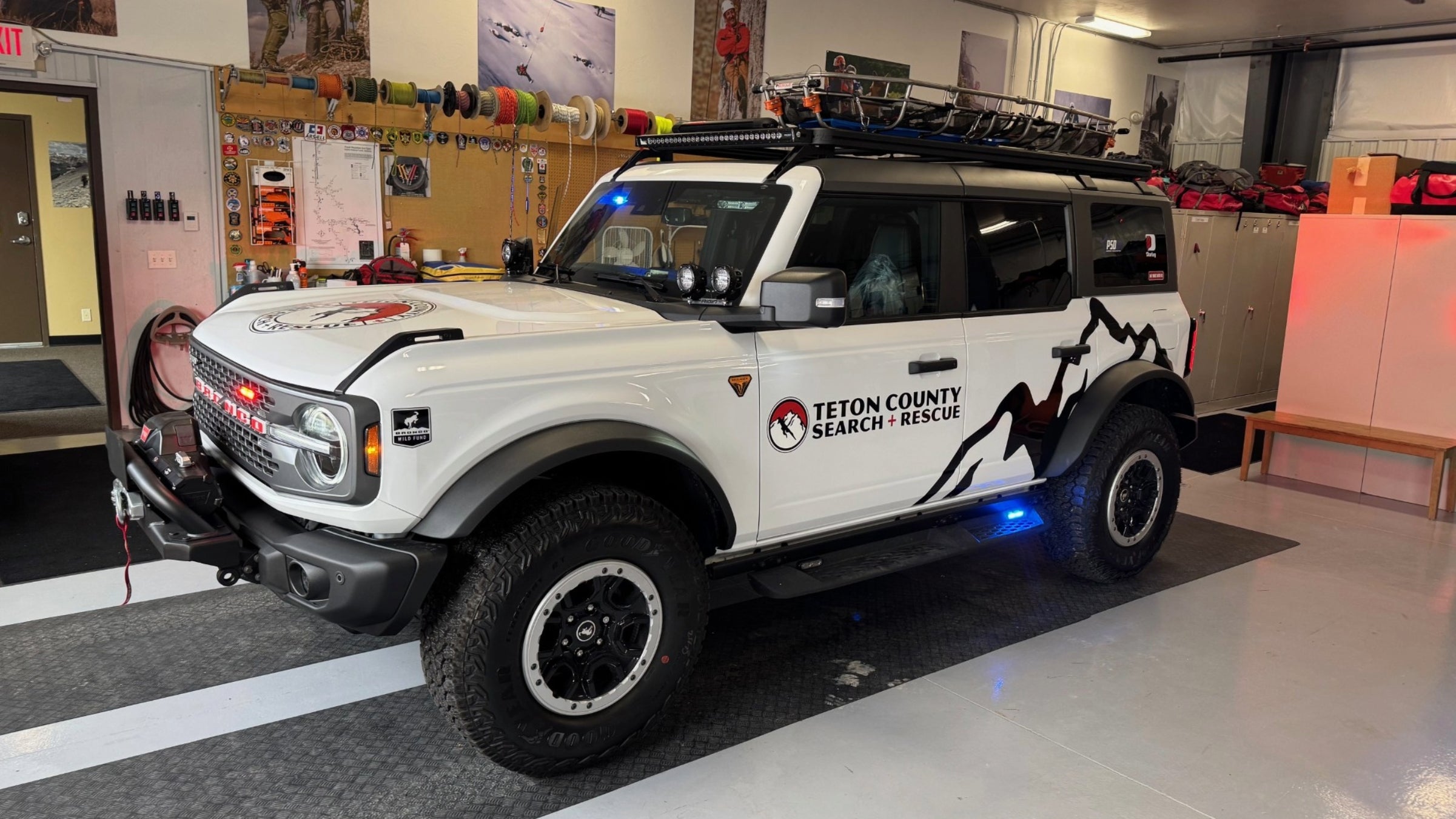
The rugged landscape of Teton County, Wyoming, characterized by its sheer alpine faces, deep ravines, and unpredictable weather patterns, has long been recognized as one of the most challenging environments for emergency response operations in the United States. In a significant development for regional public safety, Teton County Search and Rescue (TCSAR) has integrated a specially customized Ford Bronco® Badlands® into its fleet, a move aimed at addressing a critical gap in backcountry accessibility and communication. The acquisition, facilitated through the Ford Bronco® "Answer the Call" grant program in partnership with the National Association for Search and Rescue (NASAR), comes at a time when the agency is facing a dual crisis: a record-breaking surge in rescue calls and tightening municipal budgets.
The Growing Crisis in the Backcountry
For over two decades, Teton County has seen a steady increase in the demand for search and rescue services, but the last five years have marked a transformative shift in the volume and complexity of these operations. According to Teton County Sheriff Matt Carr, the "post-COVID" era has brought an unprecedented influx of residents and tourists to the Jackson area, many of whom lack the technical experience required for the high-altitude terrain of the Teton Range and the Gros Ventre mountains.
Data from the region indicates that the spike in emergency calls that began in 2020 has not regressed to pre-pandemic levels. Instead, the baseline for annual rescues has shifted upward. This trend is not unique to Wyoming; national parks and wilderness areas across the Mountain West have reported similar surges. However, Teton County’s situation is exacerbated by the extreme nature of its topography. Unlike flatter recreational areas, a "simple" hike in the Tetons can quickly evolve into a technical rescue involving vertical rope work or swiftwater extraction.
Compounding the logistical strain is a shifting economic landscape. While the demand for services has skyrocketed, Wyoming’s county budgets have faced increasing pressure due to fluctuations in state revenue and rising operational costs. This has left agencies like TCSAR, which relies heavily on a dedicated core of unpaid volunteers, in a precarious position where they have the manpower but often lack the specialized equipment necessary to execute missions safely and efficiently.
A Strategic Partnership: Ford and NASAR
The delivery of the specialized Bronco® is the culmination of a process that began in the fall of 2025. Ford Motor Company reached out to TCSAR to propose a partnership through its "Answer the Call" initiative. The program was inspired by Ford CEO Jim Farley’s firsthand observations of search and rescue teams utilizing the Bronco platform to navigate terrain that sidelined traditional response vehicles.
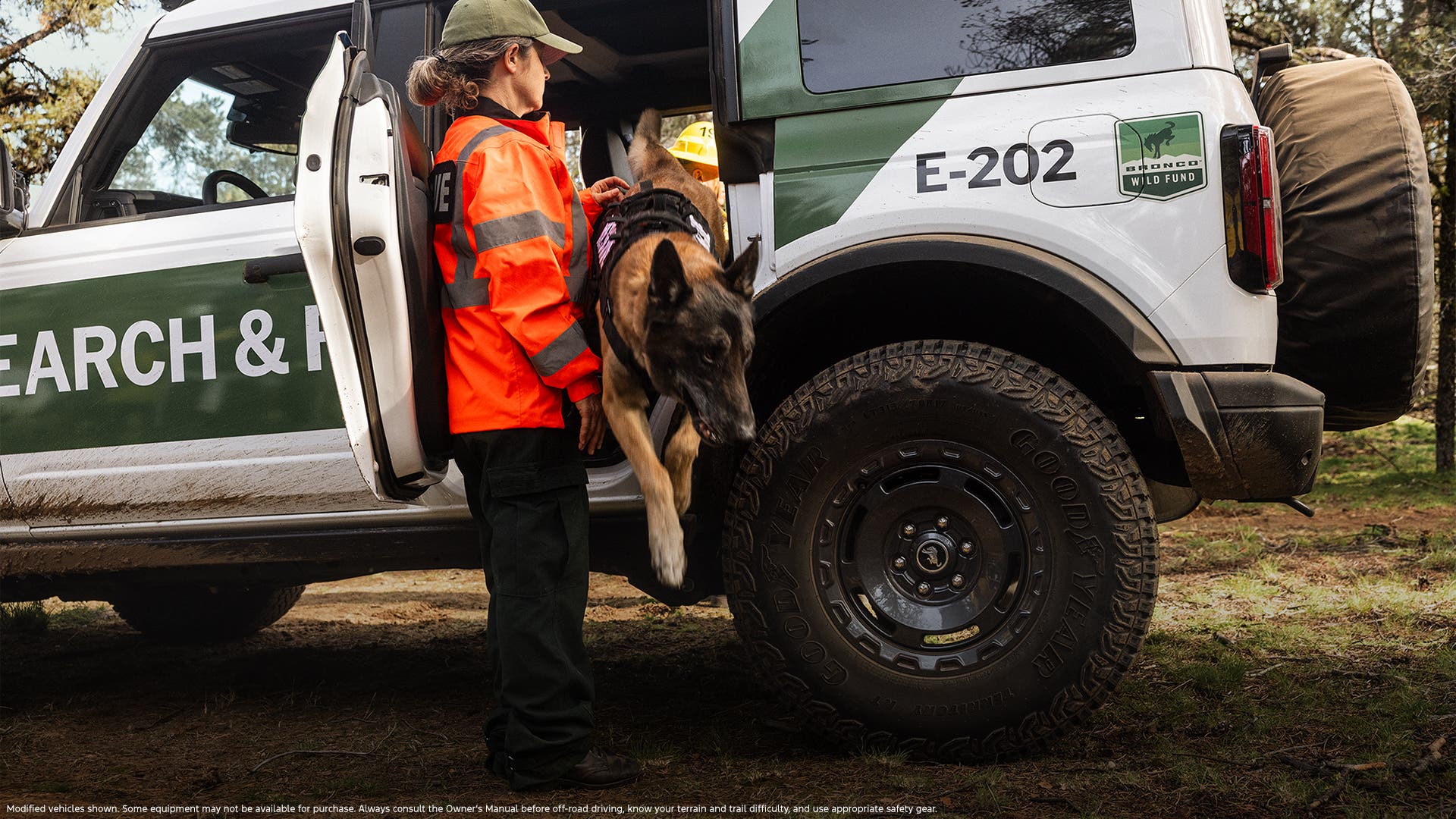
To ensure the vehicles reached the teams with the greatest need, Ford partnered with the National Association for Search and Rescue (NASAR). This organization serves as a central hub for SAR standards and advocacy in the United States, providing the expertise needed to vet applicants and determine which agencies would benefit most from a purpose-built off-road vehicle. For TCSAR, which has historically been selective about corporate sponsorships, the "Answer the Call" grant represented a rare alignment of philanthropic intent and operational utility.
Sheriff Carr noted that the partnership felt "genuine," emphasizing that the donation was provided as a gift to the community rather than a marketing-heavy endorsement deal. The primary goal was to provide a tool that could withstand the rigors of the Wyoming wilderness while offering modern technological solutions to age-old rescue problems.
Technical Specifications and Customizations
The vehicle provided to TCSAR is not a standard showroom model; it is a Bronco® Badlands® trim that has been extensively modified to serve as a mobile command center and a rapid-response extraction unit. The modifications were designed based on direct feedback from the rescuers who operate in the Teton backcountry.
Key features of the TCSAR Bronco include:
- Starlink Connectivity: Perhaps the most critical upgrade is the integrated Starlink satellite system. Teton County’s mountainous terrain creates significant "dead zones" where traditional radio signals and cellular service are non-existent. The Starlink integration allows the Bronco to act as a communication hub, providing high-speed internet and satellite-linked communications to teams deep in the wilderness.
- Rescue Litter Roof Mount: The vehicle is equipped with a specialized roof rack designed to securely transport a rescue litter (stretcher). This allows for the rapid transport of injured subjects over rugged forest service roads where a traditional ambulance cannot travel.
- Auxiliary Power Systems: A massive auxiliary battery system was installed to power medical equipment, communication arrays, and high-intensity scene lighting without draining the vehicle’s primary starting battery.
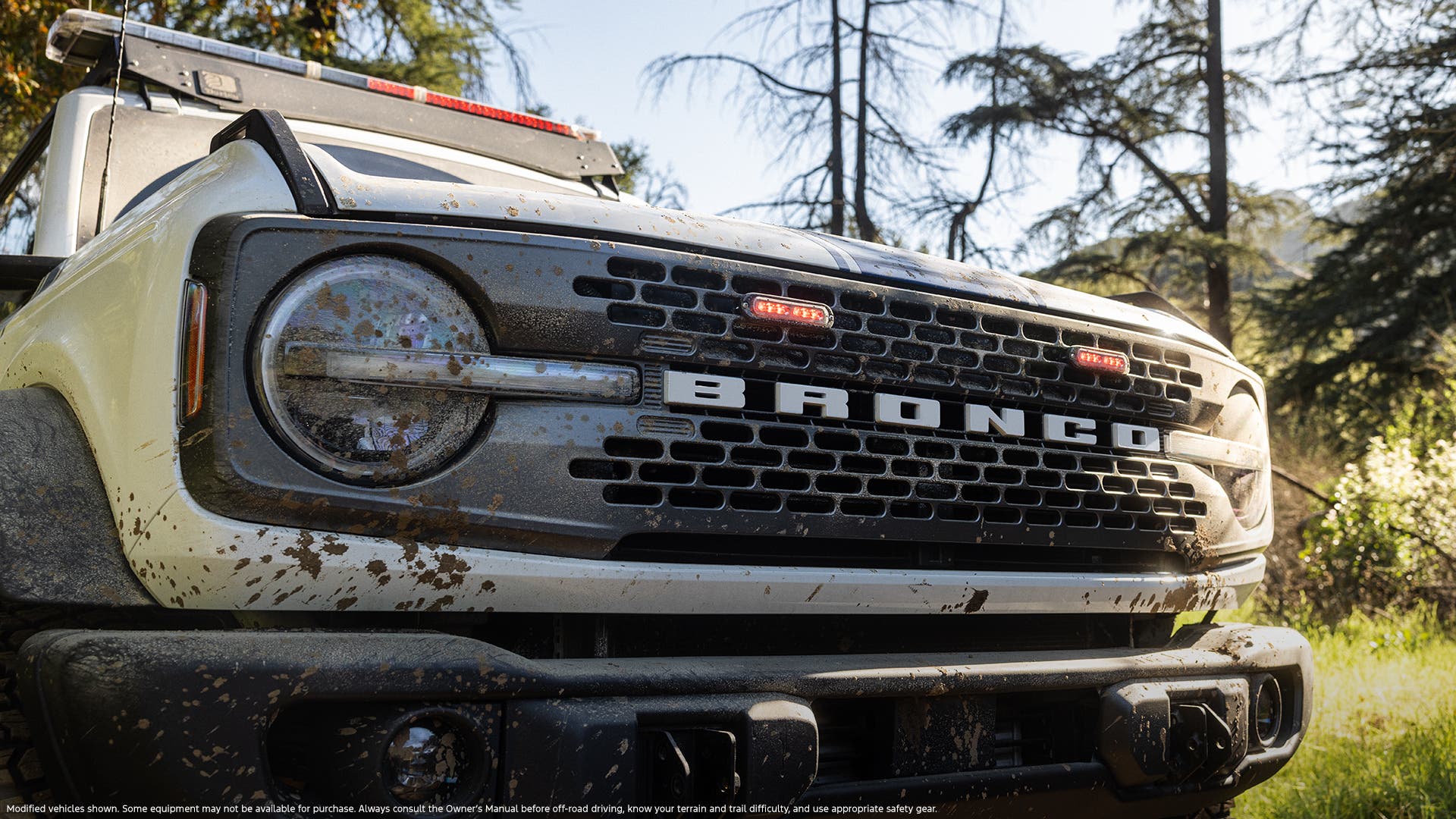
- Off-Road Lighting and Winch: Mirror-mounted off-road lights provide 360-degree visibility during night operations, which are common in SAR. The heavy-duty winch is utilized not only for vehicle recovery but also as an anchor point for rope systems or for clearing debris from blocked access trails.
These features transform the vehicle from a simple transport asset into a multi-functional tool capable of managing a large-scale search operation from the trailhead.
Operational Impact: Filling the "Weather Gap"
One of the most significant implications of this new asset is its ability to operate when aerial assets are grounded. Teton County Search and Rescue frequently utilizes helicopters for high-altitude extractions, as they offer the fastest route to a patient. However, the Tetons are notorious for "storm cycles"—periods of heavy snow, high winds, and low visibility that make flying impossible.
During these windows, ground teams are the only option. Historically, reaching remote areas during a storm meant long, grueling approaches on foot or via snowmobile, which could delay medical intervention for hours. The Bronco’s 4×4 capabilities and specialized equipment allow rescuers to push further into the backcountry via rutted tracks and decommissioned roads, significantly shortening the "last mile" that volunteers must cover on foot.
Furthermore, the vehicle addresses a common hurdle for SAR volunteers. Most members of the team use their personal vehicles to reach staging areas. While many residents in Jackson drive capable SUVs, few personal vehicles are equipped with the winches, heavy-duty suspension, and communication gear necessary for a primary response unit. The dedicated Bronco ensures that the team always has a "mission-ready" vehicle available, regardless of which volunteers are on call.
Broader Implications for Emergency Services
The donation to Teton County is part of a broader trend in which private-sector technology and resources are increasingly being used to supplement overextended public safety infrastructure. As outdoor recreation continues to grow as a pillar of the American economy, the "infrastructure" of the outdoors—which includes search and rescue—is under mounting pressure.
Analysis suggests that public-private partnerships like the one between Ford and NASAR may become a vital model for rural counties. In states like Wyoming, where the tax base is small but the geographic area of responsibility is vast, traditional funding models are often insufficient to keep pace with technological advancements. The integration of satellite internet and advanced off-road platforms into SAR operations represents a "force multiplier," allowing a small team of volunteers to monitor and manage a larger area with greater precision.
The success of this program in Teton County will likely be watched closely by other high-volume SAR teams across the Pacific Northwest and the Rockies. If the Bronco proves as effective as anticipated during the upcoming summer peak season, it could serve as a blueprint for how automotive manufacturers and emergency service organizations can collaborate to improve wilderness safety.
Looking Ahead to the Summer Season
As the snow begins to melt and the summer hiking and climbing season approaches, TCSAR is preparing for what is expected to be another record-breaking year. The arrival of the Bronco is timed to coincide with the busiest months for the agency, typically June through September.
The vehicle will be stationed at the TCSAR facility in Jackson, ready to deploy at a moment’s notice. Beyond its role in active rescues, the vehicle will also serve as a platform for community outreach and backcountry safety education. By maintaining a visible presence at popular trailheads, the agency hopes to engage with recreationists before they head into the high country, potentially preventing emergencies before they occur.
For Sheriff Carr and his team, the new vehicle is more than just a piece of equipment; it is a recognition of the vital service provided by the county’s volunteers. "We’re looking forward to using the vehicle to help keep our community safe," Carr stated. "It really couldn’t have come at a better time." As the demands on search and rescue teams continue to evolve, the integration of specialized, high-capability vehicles like the Bronco Badlands represents a necessary step forward in the ongoing effort to protect those who venture into America’s most unforgiving landscapes.

 Chandra Hamzah
 Gabriela Annisa
 Susilo Edi Turonggo
 Tatiana Tantri Indah Sari
 Hendra Ismail