Dwi Wanna
The allure of France, with its rich cultural tapestry, world-renowned cuisine, and iconic cityscapes, continues to draw individuals from across the globe. For many Americans, the dream of an extended stay in the Hexagon is not merely a fleeting fantasy but a tangible aspiration. However, the practicalities of such a move, particularly without a dedicated digital nomad visa, can present a complex web of regulations and requirements. This article delves into the primary pathways available for U.S. citizens seeking to reside in France for periods exceeding the standard tourist visa limitations, offering a comprehensive guide to the available options and the procedural nuances involved.
The Enduring Appeal of France
France has long captivated the imagination of travelers, and for many, the initial enchantment blossoms into a desire for a more profound connection. The author’s own journey, beginning with an immersive experience in Bordeaux and culminating in an almost homecoming-like feeling upon arriving in Paris, mirrors the sentiment of countless visitors. The vibrant energy of Paris, the exquisite flavors of French gastronomy, and the warmth of its people create an undeniable magnetism. This persistent attraction has led many to consider relocating, seeking not only a change of scenery but also an opportunity for personal and professional growth.
The desire to move to France is often fueled by a confluence of factors. For some, it’s a yearning to escape the escalating costs of living and the perceived creative stagnation in their home countries, particularly in major hubs like New York City. The rapid evolution of industries, including the burgeoning influence of Artificial Intelligence on creative professions, can also prompt a reevaluation of career trajectories and geographical bases. In this context, France emerges as a compelling alternative, offering a potentially more affordable cost of living compared to certain U.S. cities, an existing network of friends, the opportunity to master the French language, and a strategic location for further European exploration. Furthermore, a change of environment is widely recognized as a potent catalyst for creativity, making France an ideal setting for aspiring authors, artists, and entrepreneurs.
Navigating the Visa Landscape
The absence of a specific digital nomad visa in France presents a unique challenge for individuals whose work is location-independent. Standard Schengen tourist visas typically limit stays to 90 days within a 180-day period, rendering them insufficient for extended residency. Consequently, prospective residents must explore alternative visa categories that accommodate longer durations. For American citizens, and by extension likely for those from other developed nations such as Canada, Australia, and New Zealand, several primary avenues exist, each with its distinct eligibility criteria, application processes, and associated benefits and restrictions.
The Student Visa: An Academic Gateway
One of the more accessible routes for extended stays is the student visa. This pathway requires enrollment in a full-time academic program at a recognized French educational institution. Applicants must demonstrate sufficient financial means to support themselves throughout their studies, with a minimum of approximately 600 Euros per month typically required. The application process for a student visa is generally considered straightforward, provided the applicant secures admission to an accredited school. A significant advantage of this visa is the provision for part-time employment, allowing students to supplement their income.
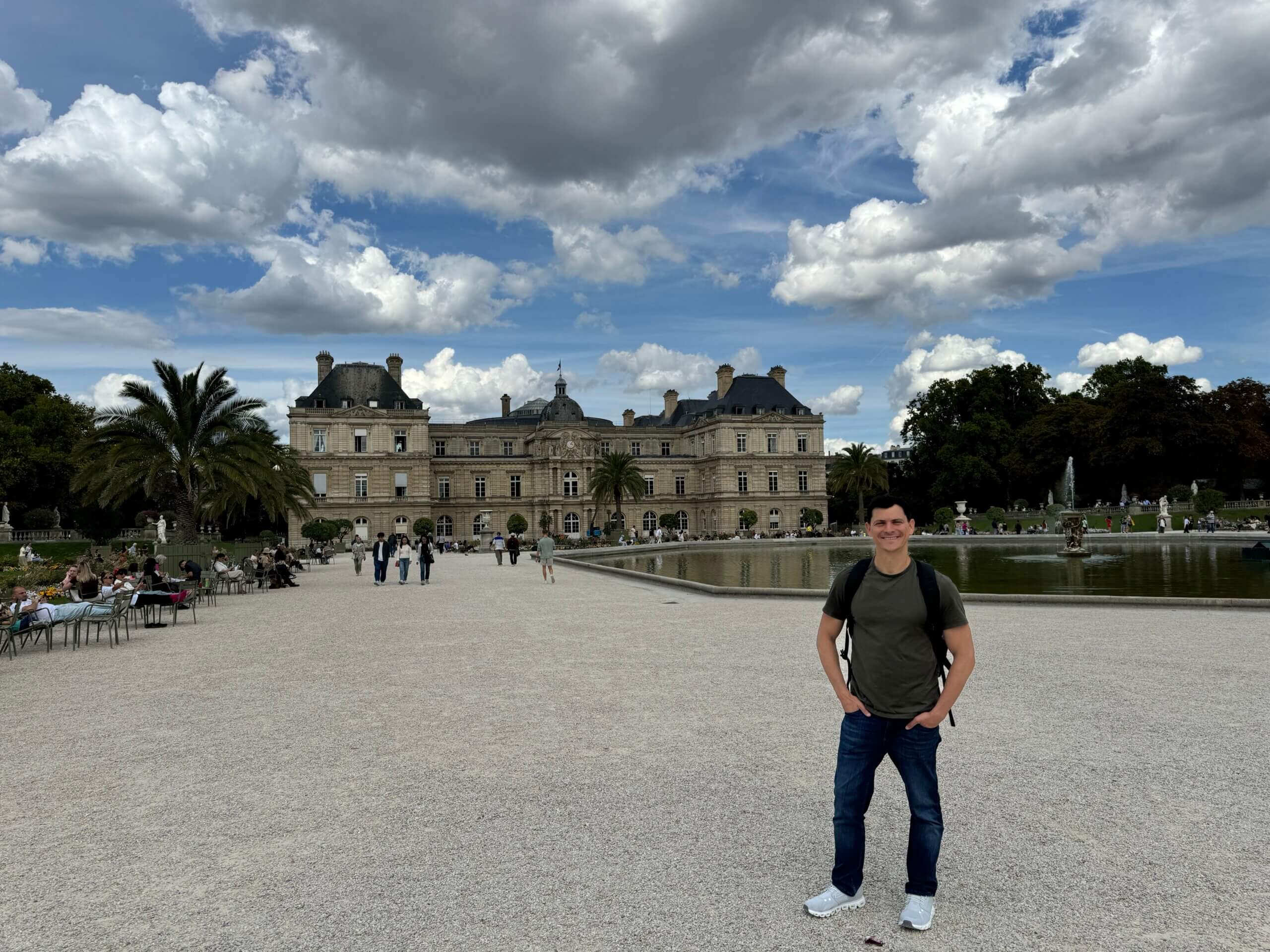
Crucially, the student visa is contingent upon active participation in the academic program. Should a student withdraw or cease their studies, the visa becomes void. However, upon completion of their program, there is often a provision to transition to a "job seeker’s" visa, which can grant an additional six months or more in France, depending on the duration of the original study program. This offers a structured approach for those wishing to gain French language proficiency or pursue specialized training while maintaining legal residency.
The Entrepreneur Visa: For the Aspiring Business Owner
For individuals with a robust business plan and the intention to establish a commercial enterprise in France, the entrepreneur visa presents a viable, albeit more demanding, option. This visa category necessitates a comprehensive application process that can span several months. Key requirements include the establishment of a business entity within France, a demonstrable revenue stream, and at least one French client. The applicant’s business must be capable of providing full-time support, with income meeting or exceeding the French minimum wage.
The French authorities conduct a thorough scrutiny of an applicant’s financial assets and overall financial standing. Registration of the business in France and adherence to French tax regulations are mandatory. While this visa offers a direct route to establishing a professional presence, the extensive paperwork and stringent financial requirements can be a significant hurdle.
The Talent Visa: Recognizing Expertise and Cultural Contribution
France also offers a "talent" visa, designed for individuals recognized as experts in their respective fields, possessing verifiable accreditations and accolades. This visa is particularly advantageous for those planning a long-term commitment to France and intending to engage in professional activities within the country. Similar to the entrepreneur visa, a demonstrable source of income and a plan for physical business operations in France are necessary.
For individuals in the arts and cultural sectors, the application for a talent visa requires demonstrating how they will contribute to the "culture of France." While this visa category may align with the qualifications of many highly skilled professionals and creatives, the application process is often time-consuming, and the focus on physical business operations and direct contributions to French society means it might not be suitable for those seeking to work remotely for non-French entities.
The Long-Term Visitor Visa (VLS-TS Visiteur): A Flexible Option for Independent Means
For individuals who do not intend to work in France or establish a business but wish to reside there for an extended period, the long-term visitor visa, officially known as the VLS-TS visiteur, emerges as a practical choice. This visa permits a stay of up to 12 months and is renewable within France, offering a significant degree of flexibility. However, it is important to note that this visa strictly prohibits any form of physical employment within France and excludes the holder from the French social welfare system.

This visa category is frequently utilized by Americans and retirees who possess passive income or substantial retirement savings. It facilitates essential financial arrangements, such as opening a French bank account, and can be renewed indefinitely, making it a sustainable option for long-term residency. The core requirement for this visa revolves around demonstrating self-sufficiency, ensuring that the applicant will not become a financial burden on the French state.
Understanding the Nuances of Remote Work
A significant point of discussion and potential confusion surrounding the long-term visitor visa pertains to remote work. While the visa explicitly forbids physical employment in France, the burgeoning reality of the digital economy has created a considerable gray area. Many creators and digital nomads successfully obtain this visa while continuing to earn income from sources outside of France. The French tax office has, in the past, stated its position that remote work is taxable, but official legislation codifying this remains underdeveloped.
The visa application process itself requires applicants to disclose their intended means of support. Acknowledging income derived from sources such as blogs or published works is permissible, as the system often interprets "work" as physical labor that could displace a French citizen. Therefore, engaging in activities like writing a blog, authoring a book, or managing an online business, where the work is not physically performed in France and does not compete with the local workforce, is generally not considered a violation of the visa’s terms.
However, the legal interpretation of "work" in the context of remote employment remains complex. For clarity and to navigate potential ambiguities, consulting with an immigration lawyer specializing in Franco-American law is highly recommended. Such professionals can provide expert guidance on individual circumstances and ensure compliance with current regulations.
The Application Process for the VLS-TS Visiteur
The application for the VLS-TS visiteur visa is generally streamlined. It begins with an online application submitted through the official French government visa portal. Upon completion, applicants are directed to the TLScontact website, a third-party company that manages appointment scheduling. This process involves submitting documentation to TLScontact, which then forwards the application to the French consulate for final approval.
The crucial elements of the application are demonstrating secured accommodation for the initial 90 days of the stay and proving sufficient financial resources to cover living expenses without recourse to public funds. While specific requirements are outlined on the government website, it is often advisable to provide more comprehensive documentation than strictly mandated. This can include proof of accommodation, bank statements detailing sufficient funds, tax returns, and letters of employment or income verification. The additional documentation serves to reinforce the applicant’s financial stability and reduce the risk of application denial, which is often attributed to insufficient income or accommodation issues.

At the appointment, an agent verifies the submitted paperwork, collects biometric data, and processes the visa fees. While the official processing time for the visa is up to 15 days, many applicants report receiving their passports back with the visa within a week. The period of waiting for passport return can be a source of anxiety, as the final decision is only revealed upon receipt. However, thorough preparation, particularly concerning financial proof and accommodation arrangements, significantly increases the likelihood of a positive outcome.
Upon receiving the visa, the holder can enter France any time after the visa’s start date. Within 90 days of arrival, it is mandatory to register the visa with the relevant state authorities, a process that involves obtaining a QR code and following provided instructions. This registration formalizes the long-term visa status and allows the individual to reside in France, and by extension, within the Schengen Area, for the duration of the visa’s validity.
Broader Implications and Considerations
The increasing desire among Americans to live extended periods in France underscores a broader trend of global mobility facilitated by remote work and a growing appreciation for diverse lifestyles. While France offers attractive visa options, the process requires diligent planning and adherence to regulations. The absence of a dedicated digital nomad visa necessitates a creative approach, often leveraging existing categories like the long-term visitor visa.
The implications of this trend extend beyond individual aspirations. It highlights the evolving nature of work and the need for immigration policies to adapt to the digital age. As more countries recognize the economic and cultural benefits of attracting individuals with independent means, the landscape of international residency is likely to continue transforming.
For those contemplating a move to France, it is imperative to approach the process with thorough research and, where necessary, professional legal counsel. Understanding the specific requirements of each visa category, meticulously preparing all documentation, and staying informed about any changes in immigration policy are key to a successful transition. The allure of France remains strong, and for those willing to navigate its administrative pathways, the dream of an extended sojourn can indeed become a reality.



 Anjar Salim
 Chandra Hamzah
 Tatiana Tantri Indah Sari
 Walid Sujud Trenggono
 Budi Mulyono