
 Anjar Salim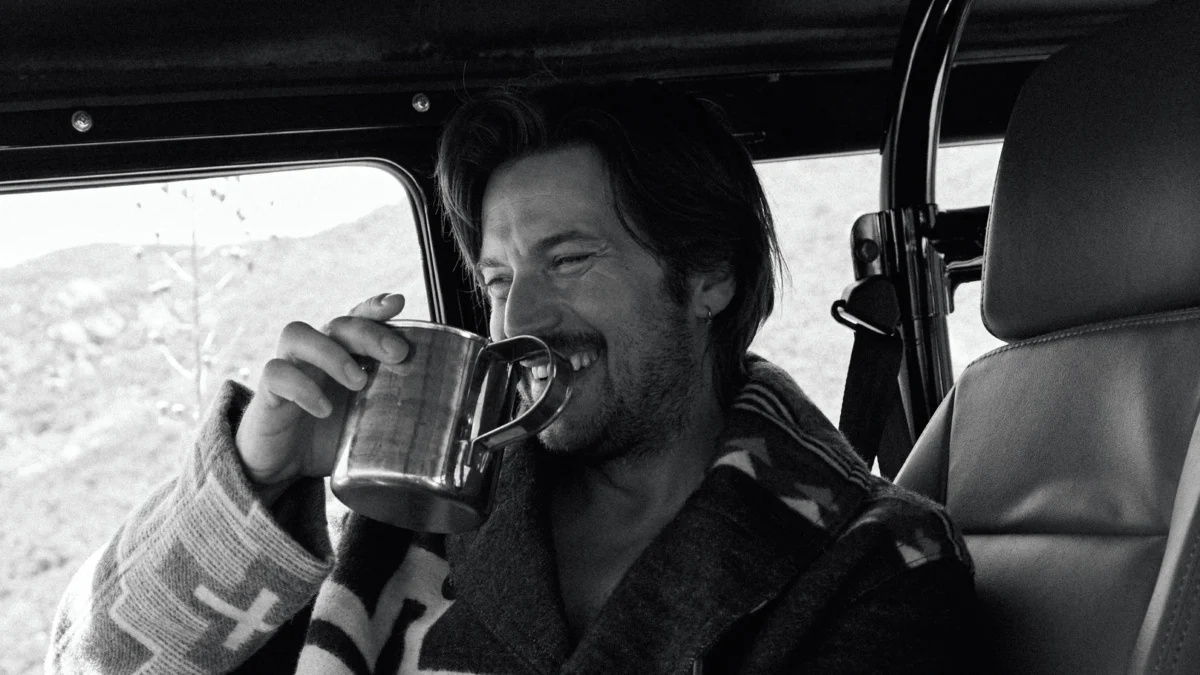
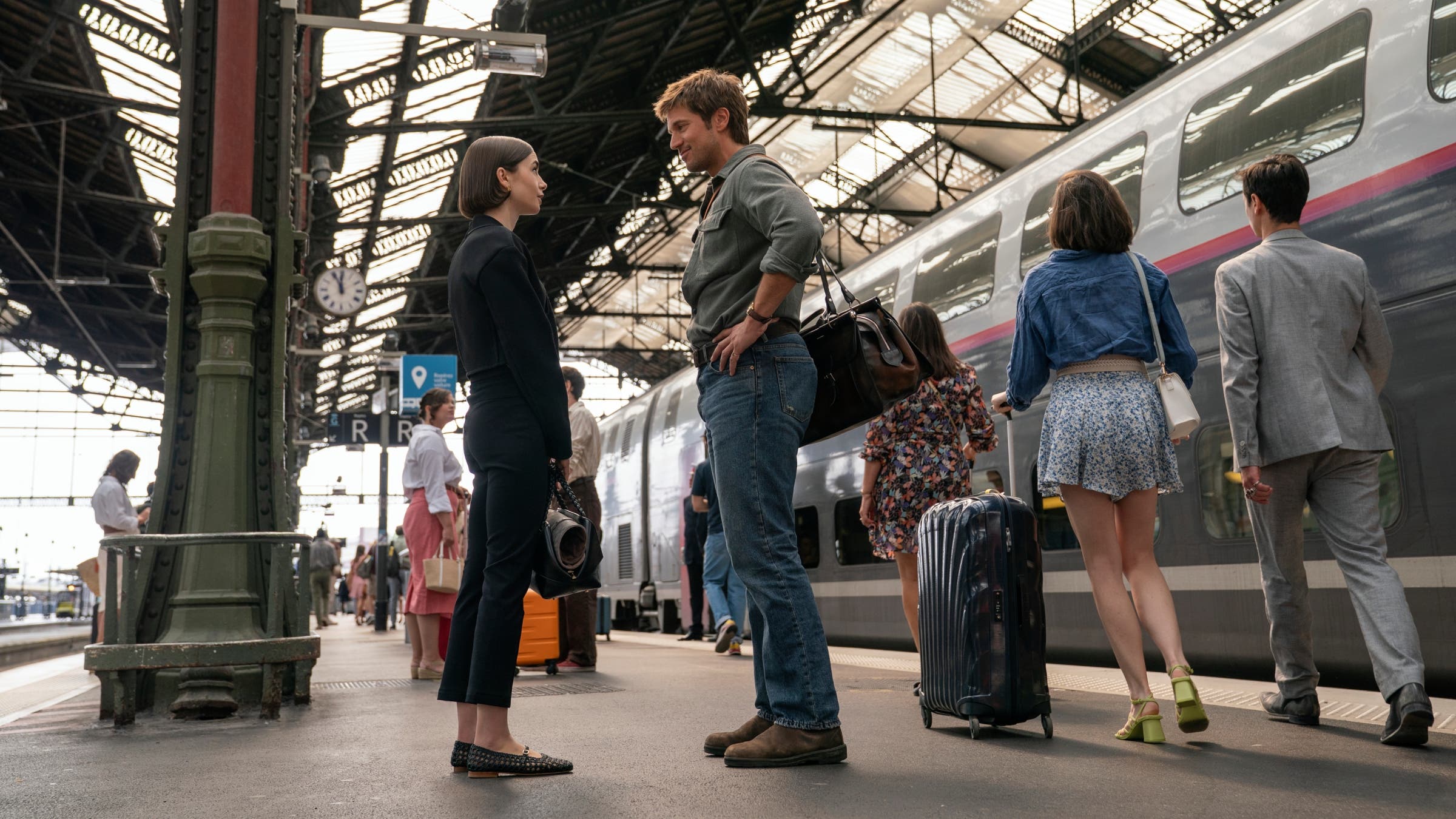
Lucas Bravo, the 37-year-old French actor widely recognized for his portrayal of the chef Gabriel in the Netflix global phenomenon Emily in Paris, has revealed a personal history defined by extreme outdoor survival and a deliberate pursuit of environmental hardship. In a comprehensive discussion regarding his life outside the film industry, Bravo detailed a series of formative experiences that range from a solitary week living in the infamous "Into the Wild" bus in the Alaskan interior to participating in scientific expeditions near the North Pole. These revelations offer a stark contrast to the polished, urbanite image associated with his television persona, highlighting a deep-seated commitment to wilderness immersion as a tool for psychological resilience and perspective.
Bravo’s affinity for the outdoors is not merely recreational but serves as a philosophical framework for navigating the pressures of high-profile celebrity and the complexities of modern society. By seeking out environments where fear is an inevitable component of the experience, the actor argues that individuals can cultivate a sense of independence and strength that is often suppressed by the conveniences of contemporary city life. As Emily in Paris prepares for its sixth season following a January renewal, Bravo continues to balance his professional commitments with a rigorous schedule of high-stakes adventure.
The Formative Years and the Alaska Expedition
The roots of Bravo’s nomadic and adventurous spirit can be traced to his childhood. As the son of Daniel Bravo, a professional French international soccer player, Lucas Bravo’s early life was characterized by frequent relocation across Europe. This upbringing in cities such as Monaco, Nice, Lyon, Marseille, and Parma—often residing in secluded villages or remote houses—instilled a comfort with isolation and change. However, it was the 2007 film Into the Wild, directed by Sean Penn and based on Jon Krakauer’s non-fiction book, that served as the catalyst for his most significant early expedition.
Upon graduating, Bravo traveled from Seattle to Fairbanks, Alaska, eventually hitchhiking to the town of Healy. From there, he trekked into the tundra of the Denali region to locate the "Magic Bus" (Bus 142), the site where Chris McCandless lived and ultimately perished in 1992. Bravo spent a week living in the bus, which he described as a "chapel" or "sanctuary," finding personal artifacts left behind by McCandless, including carved messages in the metal and bags of rice.
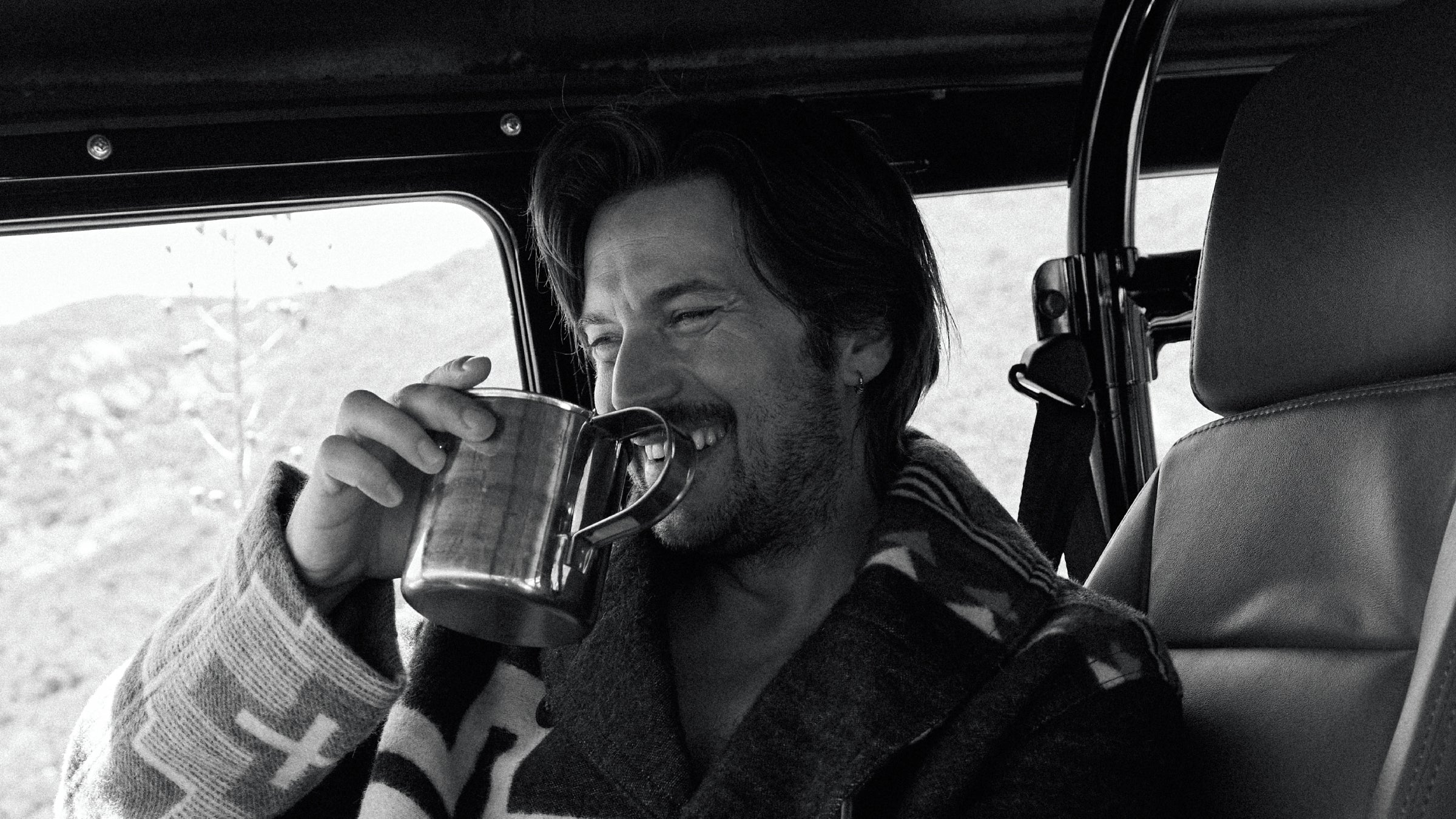
This period was marked by a life-threatening encounter with a grizzly bear. While sleeping in his tent, Bravo recounted hearing a bear consume the food supplies he had attempted to secure in a nearby tree. The incident served as a pivotal realization regarding the inherent dangers of the wild and the necessity of respect for the natural world. Left with minimal supplies, Bravo relied on the remaining rice in the bus and melted snow for hydration, an experience that he credits with shifting his worldview from one of fear to one of cosmic trust.
Chronology of Major Wilderness Milestones
The timeline of Lucas Bravo’s outdoor pursuits demonstrates a progressive escalation in difficulty and geographic diversity:
- Early Childhood (1988–2002): Frequent moves across France and Italy due to his father’s athletic career, fostering an early adaptation to varied environments.
- Post-Graduation (Circa 2008): The Alaska expedition. Bravo successfully locates Bus 142 and survives a week in the wilderness despite a bear encounter and freezing temperatures.
- The Corsica Retreat (Pre-2020): Following a period of professional uncertainty and multiple rounds of auditions for Emily in Paris, Bravo retreated to the mountains of Corsica. Living among wild horses and relying on basic resources, he used the isolation to disconnect from industry pressures before receiving the call that he had been cast as Gabriel.
- The Arctic Expedition (Post-2020): Bravo joined a scientific team in Svalbard, Norway. Traveling by boat toward the North Pole, he assisted in measuring the oxygenation of the Arctic Ocean, a critical metric for monitoring the rate of glacial melt and the impact of climate change on marine ecosystems.
- Future Aspirations: Bravo has identified the summit of Mount Everest as his ultimate mountaineering goal, acknowledging the significant training and preparation required to attempt an ascent of the world’s highest peak.
The Psychology of Fear and Urban Disconnection
A central theme in Bravo’s approach to the outdoors is the intentional embrace of fear. In a society that prioritizes comfort and risk mitigation, Bravo argues that "fear is part and parcel of any outdoor adventurer’s experience." He posits that being in nature and feeling "strong, independent, and fearless" provides a unique psychological strength. This perspective aligns with the "biophilia hypothesis," which suggests that humans possess an innate tendency to seek connections with nature and other forms of life.
Bravo’s return to urban environments like Paris often results in a period of re-adjustment. He notes that basic amenities—running water, refrigeration, and readily available food—are frequently taken for granted by those who have not experienced their absence. To maintain his mental equilibrium within the city, Bravo frequents the Domaniale forest and a local lake, utilizing specific natural features like weeping willow trees as "protective shells" for meditation and breathing exercises. This practice of "earthing" or "grounding"—walking barefoot on natural surfaces—is a key component of his routine for recharging his mental health.
Supporting Data The Impact of Wilderness Tourism and Arctic Change
Bravo’s expeditions touch upon broader environmental and social phenomena. His journey to Bus 142 reflects a larger trend of "Into the Wild" tourism that persisted for decades. According to the Alaska Department of Natural Resources, the bus became a magnet for hikers, many of whom required emergency rescues due to the treacherous terrain and the crossing of the Teklanika River. Between 2009 and 2017 alone, at least 15 bus-related search-and-rescue operations were conducted. In June 2020, citing public safety concerns, the Alaska Army National Guard removed the bus via heavy-lift helicopter; it is now housed at the Museum of the North in Fairbanks. Bravo’s successful navigation of this area occurred before the bus’s removal, placing him among the last generation of adventurers to visit the site in its original location.
Furthermore, Bravo’s participation in Arctic research highlights the critical state of the North Pole’s ecology. Scientific data from the National Snow and Ice Data Center (NSIDC) indicates that Arctic sea ice extent has been declining at a rate of approximately 12% per decade since the late 1970s. The measurement of water oxygenation, which Bravo assisted with, is vital because as ocean temperatures rise, the water’s capacity to hold oxygen decreases, leading to "hypoxic" zones that threaten marine biodiversity.
Practical Survival Advocacy and Essential Skills
Beyond the philosophical benefits, Bravo advocates for the cultivation of specific survival skills for those wishing to "test their mettle" in the outdoors. He emphasizes three core pillars of wilderness preparedness:
- Physical and Mental Endurance: Bravo compares wilderness trekking to running marathons, stating that the "psyche" is often more important than physical strength when stepping outside one’s comfort zone.
- Mastery of the Elements: The ability to generate fire and cook in primitive conditions is cited as a fundamental requirement for survival.
- Essential Gear: Bravo identifies three indispensable tools for any pack: a knife, a means of making fire (such as a permanent match or flint), and, most importantly, a rope. He details the versatility of rope for securing food from predators, constructing shelters, crossing difficult terrain, and lashing materials together.
Broader Impact and Industry Implications
The narrative of the "adventurer-actor" represents a growing trend among high-profile figures who use their platforms to highlight environmental conservation and personal resilience. Bravo’s transition from the mountains of Corsica to the set of a major Netflix production underscores a broader cultural conversation about the necessity of "digital detoxing" and the role of nature in professional success.
Industry analysts suggest that Bravo’s authentic engagement with the outdoors enhances his brand as a versatile and grounded performer. In an era where celebrity images are often meticulously curated, his willingness to discuss moments of "stupidity" and vulnerability in the wild—such as leaving food in his pockets in bear country—resonates with an audience seeking authenticity.
As the sixth season of Emily in Paris enters production, Bravo’s experiences in Alaska and the Arctic serve as a reminder of the stark divide between the scripted drama of television and the unyielding reality of the natural world. For Bravo, the two worlds are not mutually exclusive; rather, the strength gained in the wilderness provides the foundation for his success on the global stage. His ultimate goal of climbing Everest remains a testament to his belief that the most profound human growth occurs at the edge of one’s comfort zone, where the silence of nature replaces the noise of society.

 Chandra Hamzah
 Gabriela Annisa
 Susilo Edi Turonggo
 Tatiana Tantri Indah Sari
 Hendra Ismail