
 Budi Mulyono
The global travel landscape experienced a series of significant developments during the first week of April, characterized by major executive shifts in the airline sector, a tightening of ancillary revenue policies among North American carriers, and renewed political discourse regarding the future of airport security infrastructure. As the industry moves further into the second quarter, these changes signal a broader trend toward unbundled service models in premium cabins and a continued focus on technological integration to enhance the passenger experience. From the acquisition of luxury wellness brands to the introduction of satellite-based connectivity on transatlantic routes, the week’s events underscore a sector in the midst of rapid evolution.
Strategic Leadership Transitions and Corporate Restructuring at Air Canada
A primary focus of the week’s aviation news was the announcement regarding the leadership of Air Canada. The departure of the carrier’s Chief Executive Officer marks a pivotal moment for Canada’s largest airline as it navigates a complex post-pandemic recovery environment. While executive transitions are standard in the corporate lifecycle, this move comes at a time when the carrier is balancing labor negotiations, fleet modernization efforts, and the need to maintain its competitive edge against low-cost entrants in the domestic market.
Industry analysts suggest that the incoming leadership will face the immediate challenge of addressing operational reliability and improving the carrier’s net promoter scores. The transition follows a period of significant capital expenditure, including the acquisition of fuel-efficient Airbus A220 and Boeing 787 aircraft. The change in the C-suite is expected to lead to a review of the airline’s strategic priorities, particularly regarding its international network and its loyalty program, Aeroplan, which remains a significant driver of the company’s valuation.

The Expansion of Ancillary Revenue: Checked Bag Fee Increases
In a move that mirrors recent actions by American Airlines and Alaska Airlines, both United Airlines and JetBlue Airways announced increases to their checked baggage fees. This industry-wide trend reflects the growing pressure on carriers to offset rising operational costs, particularly in relation to labor and aviation fuel.
Under the new fee structures, passengers can expect to pay between $5 and $10 more for both first and second checked bags, depending on the timing of the payment. Typically, these carriers offer a discount for fees paid online at least 24 hours prior to departure, a strategy designed to reduce congestion at airport check-in counters and streamline the boarding process.
Data from the Bureau of Transportation Statistics indicates that baggage fees have become an indispensable revenue stream for major carriers, often totaling billions of dollars annually. For United and JetBlue, these increases are part of a broader "unbundling" strategy, where the base fare remains competitive while specific services are sold as add-ons. This allows the airlines to target price-sensitive travelers while capturing additional margin from those requiring more comprehensive service.
United Airlines and the Introduction of Basic Business Class
United Airlines has furthered its unbundling strategy by rolling out a "Basic Business Class" fare. This product follows the precedent set by international carriers such as Emirates, Qatar Airways, and Finnair, which have introduced restricted premium cabin fares in recent years.
The Basic Business fare is designed to offer the physical comfort of a lie-flat seat or a premium recliner without some of the traditional perks associated with the business class experience. Depending on the specific route and fare rules, these restrictions may include:
- No Lounge Access: Passengers may be barred from United Polaris or United Club lounges.
- Restricted Seat Selection: Seats may be assigned only at check-in, or advanced selection may require an additional fee.
- Reduced Loyalty Earnings: Lower accrual rates for MileagePlus miles and Premier Qualifying Points (PQPs).
- Limited Flexibility: Stricter rules regarding flight changes and cancellations.
This move allows United to compete more effectively for corporate contracts where "lowest logical fare" policies are in place, while still providing a premium onboard experience for the passenger. It also serves as a tool for revenue management to fill premium cabins during off-peak periods without devaluing the standard business class product.
Aviation Infrastructure and the Debate over TSA Privatization
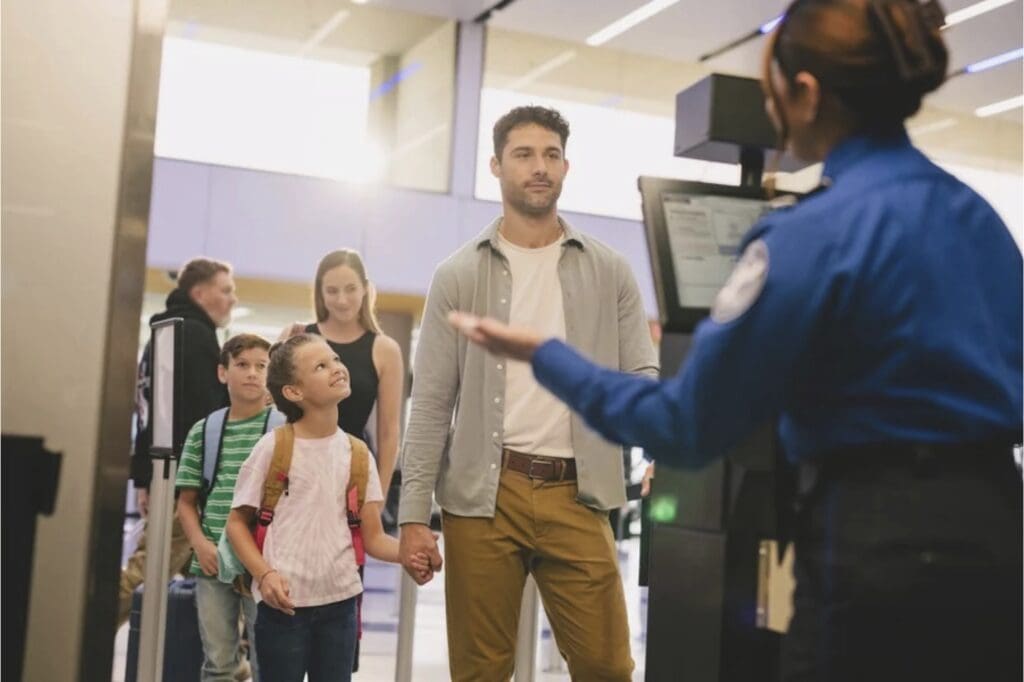
A significant policy discussion emerged this week following proposals to privatize the Transportation Security Administration (TSA). The concept, which has been championed by various political figures, including former President Donald Trump, suggests that shifting airport security from a federal workforce to private contractors could increase efficiency and reduce wait times.
Currently, the TSA operates the Screening Partnership Program (SPP), which allows airports to opt out of federal screening in favor of private companies that operate under TSA oversight. Currently, over 20 airports, including San Francisco International (SFO) and Kansas City International (MCI), utilize this model. Proponents of full privatization argue that private firms are more agile in adopting new technology and managing seasonal staffing fluctuations. Conversely, critics and labor unions express concerns regarding standardized training, national security protocols, and the potential for reduced wages and benefits for security officers.
Technological Advancements: Starlink and Enhanced Connectivity
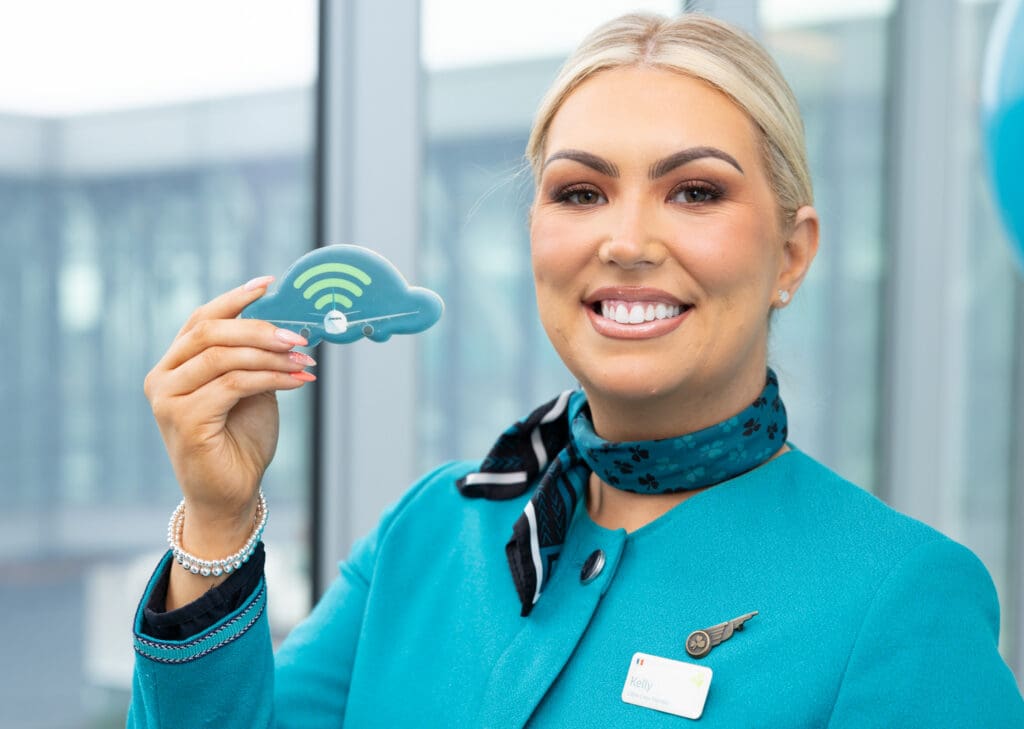
Aerolingus has made headlines by becoming one of the latest carriers to integrate SpaceX’s Starlink satellite internet service. This move is part of a wider industry push to provide "gate-to-gate" high-speed internet that rivals home fiber connections. Starlink’s low-earth orbit (LEO) satellite constellation offers significantly lower latency compared to traditional geostationary satellite providers, making it possible for passengers to engage in video conferencing, live streaming, and online gaming while over the Atlantic.
The adoption of Starlink by Aer Lingus, following similar commitments from Hawaiian Airlines and Qatar Airways, signals a shift in passenger expectations. As business travelers increasingly view high-speed Wi-Fi as a necessity rather than a luxury, carriers are using enhanced connectivity as a key differentiator in the competitive transatlantic market.
Hospitality Trends: Luxury Wellness and Boutique Expansions
The hospitality sector saw major movements this week, led by Marriott International’s acquisition of a luxury wellness brand. This acquisition aligns with the "wellness tourism" boom, a market segment that is projected to reach over $1 trillion globally by 2025. By integrating specialized wellness properties into its Bonvoy portfolio, Marriott aims to capture a larger share of travelers who prioritize health, mindfulness, and longevity-focused amenities during their stays.
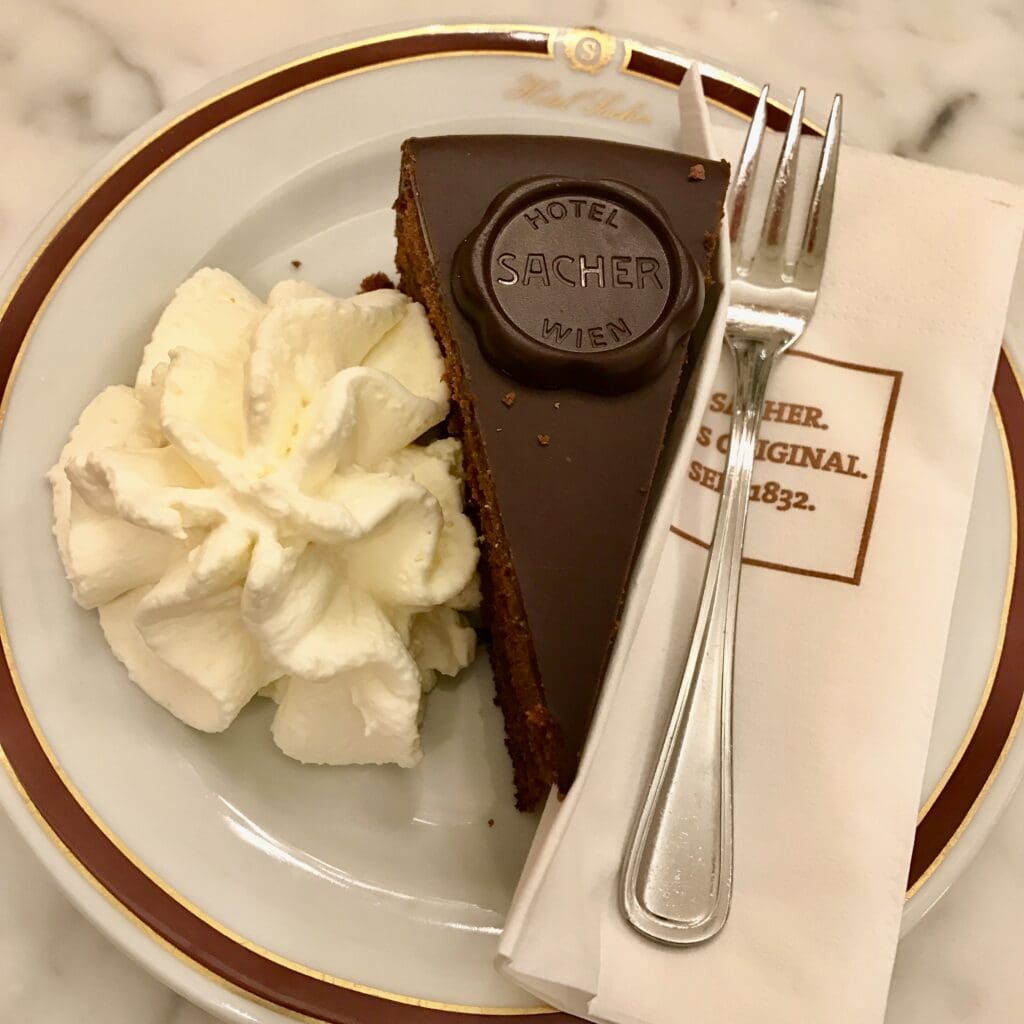
In Europe, the legendary Hotel Sacher is celebrating its 150th anniversary. The hotel, famed for its Sacher Torte and its role as a cultural hub in Vienna, represents the enduring value of heritage brands in a rapidly changing market. Meanwhile, The Standard, a brand known for its avant-garde design and social atmosphere, announced its expansion into Austin, Texas. The move highlights Austin’s continued rise as a premier destination for both tech-sector business and high-end leisure travel.
Ground Transportation and Infrastructure Renaming
The ground transportation sector witnessed a potential consolidation as reports surfaced regarding Uber’s interest in acquiring Blacklane, a global professional chauffeur service. Such an acquisition would allow Uber to solidify its position in the high-end travel market, providing a seamless "door-to-door" premium experience for corporate travelers. This move follows Uber’s broader strategy to transform from a ride-sharing app into a comprehensive travel platform that includes rail, bus, and flight bookings in certain markets.
In regional news, Palm Beach International Airport (PBI) is moving forward with a rebranding and renaming initiative. The proposed changes are intended to better reflect the region’s luxury profile and improve its visibility among international travelers. Rebranding an airport is a multi-year process involving the Federal Aviation Administration (FAA), local government stakeholders, and significant updates to global distribution systems (GDS).
Enhancing the Passenger Experience: Lounge Developments and Culinary Updates
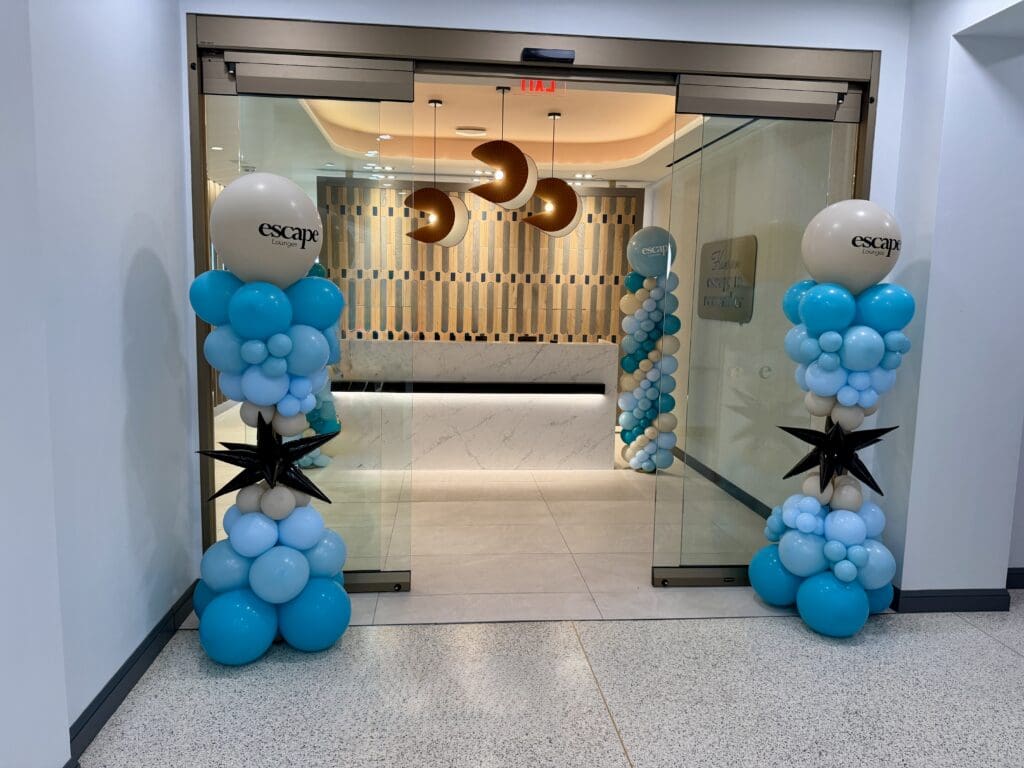
The opening of the new Escape Lounge at Cincinnati/Northern Kentucky International Airport (CVG) marks a significant improvement for travelers in the Midwest. Escape Lounges, part of the CAVU group (a subsidiary of Manchester Airports Group), are designed to offer a premium environment accessible via independent purchase or through premium credit card partnerships, such as the American Express Global Lounge Collection.
American Express continues its aggressive expansion of the Centurion Lounge network, with several new locations and expansions of existing sites underway. These lounges have become a cornerstone of the premium cardmember value proposition, often serving as the primary reason for cardholder retention in a crowded financial services market.
Finally, several major airlines have announced upcoming menu changes for the spring and summer seasons. These updates often focus on regional sourcing, plant-based options, and collaborations with celebrity chefs. As airlines strive to justify premium ticket prices, the quality of the "soft product"—including catering and amenities—remains a critical area of investment.
Conclusion and Broader Implications
The developments of this week reflect a travel industry that is both thriving and under pressure. The increase in baggage fees and the unbundling of business class fares indicate that airlines are prioritizing profitability and revenue diversification in an era of high costs. Simultaneously, the investment in Starlink and luxury hotel brands shows a commitment to meeting the high expectations of modern travelers.
As the industry looks toward the peak summer travel season, the integration of private security models and the continued evolution of ground transport through platforms like Uber will likely remain key topics for stakeholders. For the passenger, these shifts suggest a future of more choices, albeit often at a higher price point, as the travel experience becomes increasingly segmented and technologically driven.




 Anjar Salim
 Chandra Hamzah

 Tatiana Tantri Indah Sari