
 Budi Mulyono
The global aviation industry is currently navigating its most significant operational crisis since the 2020 pandemic as escalating conflict across the Middle East forces the closure of primary transit hubs and the rerouting of thousands of international flights. What began in early 2026 as localized disruptions has evolved into a systemic collapse of the "Mid-East Connect" model, which for decades served as the primary bridge between Europe, Asia, and Oceania. With missile threats, drone incursions, and sudden airspace closures becoming daily occurrences, major international carriers are abandoning the Gulf corridor in favor of longer, more expensive, but safer alternatives.
Chronology of the Escalation
The transition from localized tension to a full-scale aviation emergency occurred over a compressed timeline in early 2026. In late February, the first reports of missile debris falling near civilian infrastructure in the United Arab Emirates surfaced, prompting a flurry of Notices to Air Missions (NOTAMs) from the Federal Aviation Administration (FAA) and the European Union Aviation Safety Agency (EASA).
By March 1, the situation deteriorated as Zayed International Airport in Abu Dhabi (AUH) reported direct interference from drone activity, leading to the first significant suspension of departures. Within 48 hours, the conflict expanded to include the maritime and aerial corridors of the Strait of Hormuz, effectively strangling the logistics of jet fuel delivery and forcing a regional re-evaluation of flight safety. By the end of the first week of March, the traditional hubs of Dubai, Doha, and Bahrain were no longer considered "safe harbors" for civilian transit, leading to the current state of restricted operations and mass cancellations.
Current Operational Status of Regional Hubs
The impact on regional infrastructure has been categorized by aviation analysts into three tiers of risk, ranging from total cessation of commercial activity to high-caution zones requiring constant monitoring.
High-Risk Zones: Total Disruption and Closures
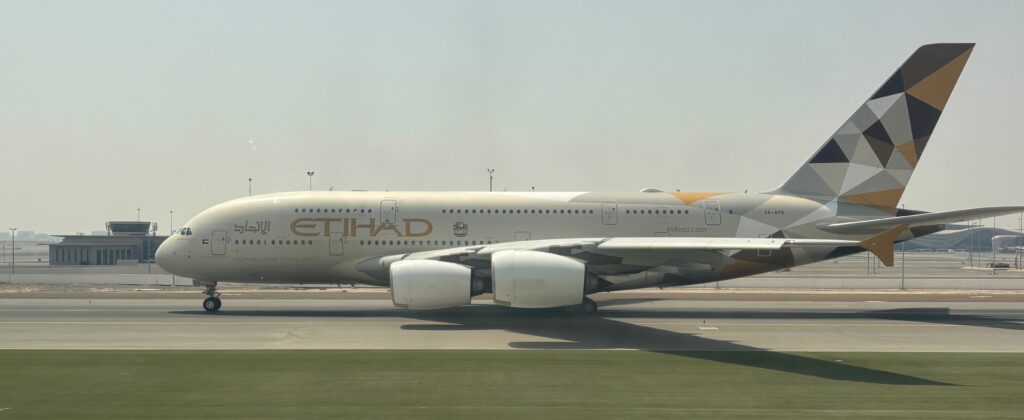
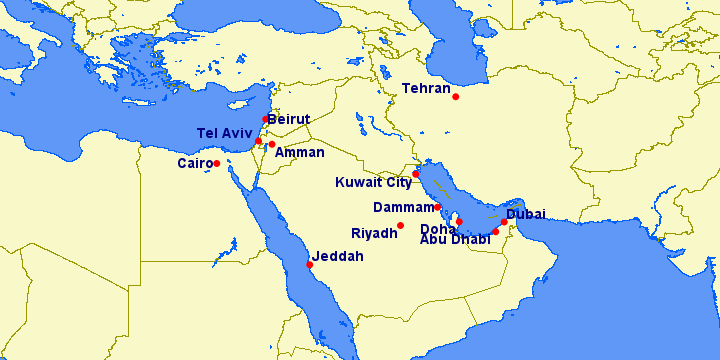
The most severe impact is felt in the central Gulf states. Zayed International Airport (AUH) in Abu Dhabi has faced repeated targeting by Iranian-manufactured drones and missiles. While Etihad Airways has attempted to maintain essential links, the focus has shifted entirely to evacuation and government-mandated travel. Capacity has been reduced by an estimated 70%, with debris from intercepted projectiles causing significant damage to peripheral airport structures.
In Dubai (DXB), the world’s busiest airport for international passenger traffic, the situation remains volatile. Missile and drone attacks on the UAE have repeatedly forced the temporary closure of runways, leading to massive diversions to Al Maktoum International (DWC) or airports in Saudi Arabia. The psychological and economic impact of these disruptions on Emirates and flydubai has been profound, as the "hub and spoke" model relies on precision timing that is currently impossible to maintain.
Bahrain (BAH) and Kuwait (KWI) have effectively ceased traditional commercial operations. Gulf Air has relocated the majority of its fleet to Dammam, Saudi Arabia, to avoid the immediate threat of strikes on Bahraini soil. Similarly, Kuwait International Airport has closed to commercial traffic following repeated drone incursions. Jazeera Airways has established a temporary bus-bridge, transporting passengers from Kuwait City to Qaisumah Airport in Saudi Arabia to facilitate cross-border travel.
In the Levant and Iran, the situation is even more dire. Tel Aviv’s Ben Gurion Airport (TLV) and Tehran’s Imam Khomeini International (IKA) are largely inaccessible to international civilian carriers. While Middle East Airlines continues to operate out of Beirut (BEY), it does so under a "fragile schedule" frequently interrupted by civil unrest and road blockades leading to the terminal.
Tier 2: Cautionary and Alternative Hubs
Airports that were previously secondary players are now being utilized as emergency alternatives. Muscat (MCT) in Oman has emerged as a vital link, with Oman Air expanding capacity to accommodate passengers stranded by the closure of Dubai and Abu Dhabi. However, this has placed an immense strain on Omani infrastructure, leading to delays and fuel rationing.
Amman (AMM) and Cairo (CAI) remain operational but are facing their own challenges. EgyptAir has suspended flights to the most volatile regional cities, and while Cairo is accepting diverted flights, it is not currently viewed as a reliable long-term substitute for the major Gulf hubs due to its own airspace congestion and security protocols.
Supporting Data: The Economic Toll on Global Carriers
The financial implications of the conflict are being felt globally, far beyond the borders of the Middle East. According to data from the International Air Transport Association (IATA), the rerouting of flights around the conflict zone has increased fuel consumption for Europe-to-Asia routes by an average of 15% to 22%.
Specific airline impacts include:
- Ethiopian Airlines: Reports indicate weekly losses in the tens of millions of dollars as its strategic connections through the Middle East are severed.
- Qantas: The flagship Perth-to-London non-stop flight has been forced to add a technical stop in Singapore or Darwin to take on extra fuel, as it can no longer take the most direct path through Middle Eastern airspace.
- European Carriers: Lufthansa Group, Air France-KLM, and Finnair have all announced fuel surcharges. Air France and KLM implemented price hikes on long-haul tickets effective March 11 to offset the cost of longer flight paths.
- Fuel Security: IATA has warned that jet fuel security is at its lowest point in a decade. The collapse of shipping through the Strait of Hormuz has forced a reliance on strategic reserves. Countries like Thailand and Vietnam have issued warnings that fuel rationing for international carriers may begin by mid-April if the blockade continues.
Official Responses and Diplomatic Warnings
Governments worldwide have escalated their travel advisories to the highest levels. The U.S. State Department has issued a "Level 4: Do Not Travel" advisory for several Gulf nations, urging citizens currently in the region to depart via commercial means while they are still available. The Australian Department of Foreign Affairs and Trade (DFAT) has specifically warned citizens to avoid transiting through Gulf states, noting that consular assistance may be limited as embassies reduce staff to essential personnel only.
The Swiss Federal Department of Foreign Affairs has advised against all non-essential travel to the region, echoing a sentiment shared by most EU member states. These advisories have significant legal implications; traveling against government "Do Not Travel" warnings often voids standard travel insurance policies, leaving passengers liable for the total cost of medical emergencies or evacuations.
In a statement, a spokesperson for IATA noted, "The current situation represents a systemic threat to the fluidity of global trade. The Middle East is the world’s most critical transit artery. When that artery is constricted, the entire global network suffers from increased costs, reduced capacity, and diminished safety margins."
Broader Impact and Long-term Implications
The geopolitical shift in aviation is creating a new set of "winners" on the periphery of the crisis. Kenya Airways has seen a surge in demand for its Nairobi hub as an alternative connection point for travel between Europe and Southeast Asia. Similarly, Japanese carriers JAL and ANA are reporting record load factors on their polar routes, which bypass the Middle East entirely to connect Europe with North Asia.
However, the long-term outlook remains grim. Even in the event of an immediate ceasefire, aviation experts suggest it would take months to clear the passenger backlog and years to restore the previous levels of frequency and connectivity. The "Middle East Hub" model, which was built on the premise of regional stability and open skies, is being fundamentally questioned.
The conflict has also exposed the fragility of the global jet fuel supply chain. The move toward "fuel rationing" in Southeast Asia suggests that the aviation industry may be entering an era of permanent volatility. For the average traveler, this translates to higher fares, longer travel times, and a requirement for much more rigorous trip planning.
The human cost of the conflict remains the primary concern for the international community. While the disruption of flight schedules and the loss of airline profits are significant economic markers, they are secondary to the humanitarian crisis unfolding on the ground. As embassies evacuate and airspace remains contested, the global aviation network is being forced to adapt to a world where the once-reliable "shortcuts" through the Middle East are no longer an option. The current crisis is not merely a temporary disruption but a transformative event that will likely redefine international air travel for the next decade.




 Anjar Salim
 Chandra Hamzah


 Tatiana Tantri Indah Sari