Tatiana Tantri Indah Sari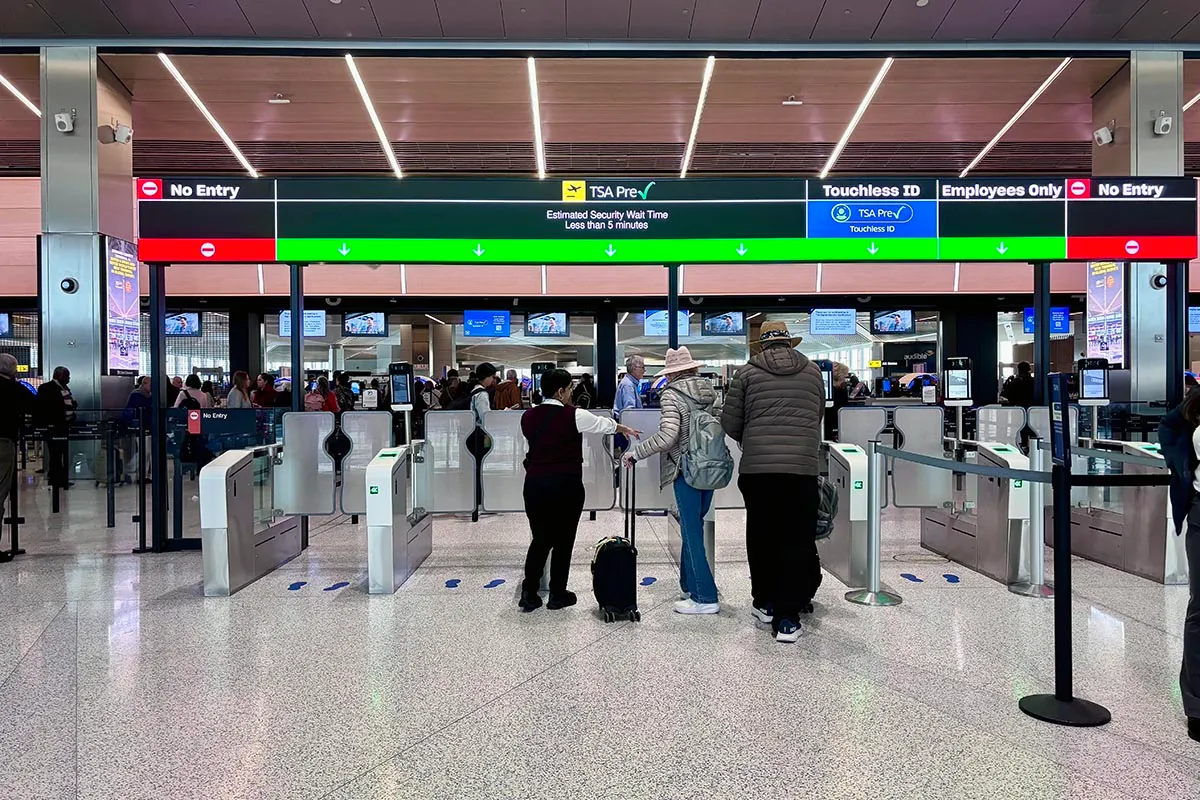
March 20th, 2026, marks a pivotal moment for the global travel industry, grappling with simultaneous, multifaceted crises that underscore its inherent vulnerabilities. The ongoing conflict in Iran has not only destabilized the Middle East but has sent ripple effects throughout international air travel, exposing critical weaknesses in post-pandemic operational and customer service infrastructures. Concurrently, a partial government shutdown in the United States continues to cripple domestic airport operations, leaving essential TSA personnel unpaid and threatening widespread closures. Amidst these compounding challenges, new research from Skift highlights Latin America as a surprisingly resilient and eager travel market, poised to become a key indicator for how artificial intelligence will reshape future trip planning and booking behaviors.
The Iran Conflict: A Global Travel System Under Duress
The military conflict in Iran, which escalated significantly in January 2026, has proven to be a persistent and profoundly disruptive force, far exceeding initial predictions of a swift resolution. As of March 20th, the region remains volatile, challenging the global travel system in ways reminiscent of the early days of the COVID-19 pandemic. The conflict’s primary impact has been the widespread disruption of established airline networks, particularly those connecting Europe and Asia via Middle Eastern airspace. Major carriers have been forced to reroute flights, leading to longer travel times, increased fuel consumption, and significant operational costs. This has translated into higher ticket prices for consumers and strained airline balance sheets already recovering from previous global shocks.
The geopolitical instability has triggered an acute increase in jet fuel prices, a direct consequence of anxieties surrounding oil supply lines and production in a crucial energy-producing region. This surge, estimated by some industry analysts to be as high as 40% for certain airlines, further squeezes operating margins and casts a shadow over the industry’s profitability outlook for the upcoming fiscal quarters. Beyond direct operational costs, the conflict has profoundly impacted passenger confidence, leading to a noticeable downturn in bookings for destinations perceived as being near the conflict zone or requiring transit through affected airspace. Travel insurance policies, particularly "cancel for any reason" options, have seen renewed interest, reflecting a heightened sense of uncertainty among potential travelers.
One of the most revealing aspects of this crisis has been the performance of the travel industry’s much-vaunted post-COVID technological advancements. Many companies, from airlines to online travel agencies (OTAs), invested heavily in AI-powered support tools and automated customer service systems, envisioning them as robust solutions for future disruptions. However, in the face of the Iran conflict, these systems have largely faltered. Travelers stranded by sudden flight cancellations, route changes, or safety concerns required urgent, nuanced, and empathetic human intervention that automated chatbots and AI interfaces struggled to provide. This stark contrast between expectation and reality has generated widespread frustration, with many passengers reporting a desire to speak directly with human agents to resolve complex and often emotionally charged issues. The crisis has served as a critical stress test, revealing that while AI can efficiently handle routine queries, its capacity for crisis management and complex problem-solving in high-stakes human situations remains significantly limited.
The Lingering Shadow of the US Government Shutdown

Adding to the global travel industry’s woes is the ongoing partial government shutdown in the United States, which has largely receded from public attention amidst the international conflict but continues to inflict substantial pain on domestic travel infrastructure. The shutdown stems primarily from an impasse over funding for the Department of Homeland Security (DHS), which includes crucial agencies like Immigration and Customs Enforcement (ICE) and the Transportation Security Administration (TSA). Political factions remain deeply divided on border security and immigration policies, preventing a comprehensive funding agreement for the department.
For weeks, thousands of TSA officers, deemed "essential employees," have been reporting to work without paychecks, operating under the assurance that they will receive back pay once the shutdown concludes. However, the financial strain on these frontline workers is immense and immediate. Many live paycheck to paycheck, and the absence of regular income has created severe hardship, forcing difficult choices between rent, groceries, and other essential expenses. This untenable situation has led to increasing absenteeism among TSA staff, impacting checkpoint efficiency and security screening times at airports nationwide. Reports indicate that some airports are experiencing significantly longer wait times, with potential threats of entire airport sections or even smaller regional airports being forced to close due to insufficient staffing.
The severity of the situation was highlighted by an unusual plea from Denver International Airport, which publicly requested donations in the form of grocery store and gas gift cards for its unpaid TSA agents. This unprecedented call for public assistance underscores the dire circumstances faced by these federal employees and raises ethical questions about the blurring lines between public service and charitable intervention. While the intent was to alleviate immediate hardship, the situation has sparked debate about the implications of such measures on government employee protocols and the perception of bribery or undue influence. The fact that visa gift cards were explicitly excluded from acceptable donations further complicated the optics.
Historically, widespread disruption and passenger dissatisfaction at airports have often been catalysts for swift resolution of government shutdowns. However, the current "outrage fatigue" driven by the simultaneous international crisis has seemingly diluted the public pressure needed to break the political stalemate. The ongoing shutdown thus represents a slow-burning crisis for American travelers and the aviation sector, threatening to undermine the fragile recovery of domestic air travel and impose significant economic costs through delays, cancellations, and reduced passenger confidence. Airlines operating in the U.S. face a double burden: dealing with the global fuel price hike from the Iran conflict and the operational paralysis stemming from domestic political gridlock.
Latin America: A Beacon of Resilience and a Laboratory for AI Travel
In stark contrast to the turbulence gripping other parts of the world, new research from Skift indicates that the Latin American travel market remains remarkably resilient and eager, presenting a unique opportunity for industry growth and innovation. Skift Research conducted an extensive survey across Mexico, Brazil, and Argentina – three of the region’s largest economies and population centers – revealing compelling insights into traveler behavior and preferences.
Despite its own share of recent regional challenges, including significant cartel-related violence in parts of Mexico that impacted tourism zones and the highly publicized US-led intervention targeting Venezuela’s former leader Nicolas Maduro, Latin America’s travel demand has largely weathered these storms. The "cartel thing" in Mexico, while serious, has faded from the immediate travel narrative, and the Venezuelan situation, though geopolitically significant, had a limited direct impact on broader regional travel sentiment compared to the Iran conflict.

The research confirms that Latin American travelers are not only as eager as, but in many cases more eager than, their counterparts in other regions to undertake leisure and business trips. A significant finding is their commitment to increasing travel budgets, with an average planned increase of 8% for the coming year. This robust intent to spend reinforces travel’s position as the top discretionary purchase for many households in the region.
Intriguingly, the United States continues to be the overwhelming top international destination for travelers from Brazil and Mexico, and a strong second for Argentinians (after Brazil). This sustained appeal of the U.S. comes despite ongoing political rhetoric, border security debates, and visa policy complexities that might logically deter travelers. While approximately 60% of Latin American travelers acknowledge that visa and border policies have influenced their travel decisions to the U.S. (ranging from delaying trips to not considering the U.S. at all), a significant portion reported no influence. More critically, Skift’s survey found that the primary friction point for travel to the United States is not political barriers, but rather the cost of travel. Affordability, encompassing airfares, accommodation, and in-destination expenses (such as the rising cost of Broadway shows in New York City), emerged as the dominant concern. This economic sensitivity has made Latin America a fertile ground for financial innovations like "Buy Now, Pay Later" (BNPL) services, which saw early and rapid adoption in the region due to the need to manage costs and lock in exchange rates amidst volatile local economies and high inflation, particularly in countries like Argentina. The region’s early embrace of cryptocurrencies, exemplified by El Salvador’s national adoption of Bitcoin, also stems from this acute awareness of foreign exchange fluctuations and inflation management.
Perhaps the most significant insight from the Skift research pertains to Latin American travelers’ unique digital behavior and its implications for the future of AI in travel planning. Unlike travelers in the Middle East, North America, or Europe, who predominantly use official brand websites for trip planning and booking, Latin Americans show a stark reversal of this trend. Only about 30% of Latin American travelers reported using official brand platforms, compared to 76% in the Middle East, 77% in North America, and 50% in Europe. Instead, nearly 60% of Latin American travelers rely heavily on Google and other search engines, as well as social media, for their travel research and planning – a figure significantly higher than other surveyed regions.
This pronounced reliance on intermediaries and search engines makes Latin America an ideal "experimental market" to observe how AI will truly disrupt travel. While AI-powered customer service tools struggled in the recent crisis due to their inability to handle complex, human-centric issues, AI is already proving highly effective in transforming search patterns and trip planning workflows. Given Latin Americans’ existing preference for search-driven discovery over direct brand engagement, the adoption and impact of AI in this initial phase of the travel journey are expected to be more rapid and seamless in this region. As AI continues to evolve, its influence on how travelers discover, plan, and book trips through search engines and third-party platforms is likely to be felt first and most profoundly in Latin America, offering valuable insights for global travel companies looking to adapt their strategies for the AI era.
A Complex Web of Interconnected Challenges and Opportunities
The events of early 2026 present a complex and often contradictory picture for the global travel industry. On one hand, the Iran conflict and the US government shutdown serve as harsh reminders of the fragility of interconnected global systems and the limitations of current technological fixes in true crisis scenarios. They underscore the enduring need for human resilience, adaptable infrastructure, and robust crisis management protocols. The double blow of geopolitical instability and domestic political paralysis threatens to prolong the industry’s recovery and challenge the financial stability of airlines and airports.
On the other hand, the enduring enthusiasm and unique digital adoption patterns of Latin American travelers offer a compelling narrative of resilience and a glimpse into the future of travel technology. This market’s ability to navigate regional challenges while maintaining a strong desire for international travel, coupled with its distinct approach to digital planning, positions it as a critical barometer for industry trends, particularly concerning the integration of AI. As the world grapples with ongoing uncertainties, the travel industry must learn from its vulnerabilities while strategically investing in markets and technologies that demonstrate both resilience and a forward-looking approach to the evolving landscape of global mobility. The lessons from these crises, both global and regional, will undoubtedly shape the strategic decisions of airlines, hospitality providers, and tech innovators for years to come.




 Anjar Salim
 Chandra Hamzah
 Walid Sujud Trenggono
 Budi Mulyono