
 Tatiana Tantri Indah Sari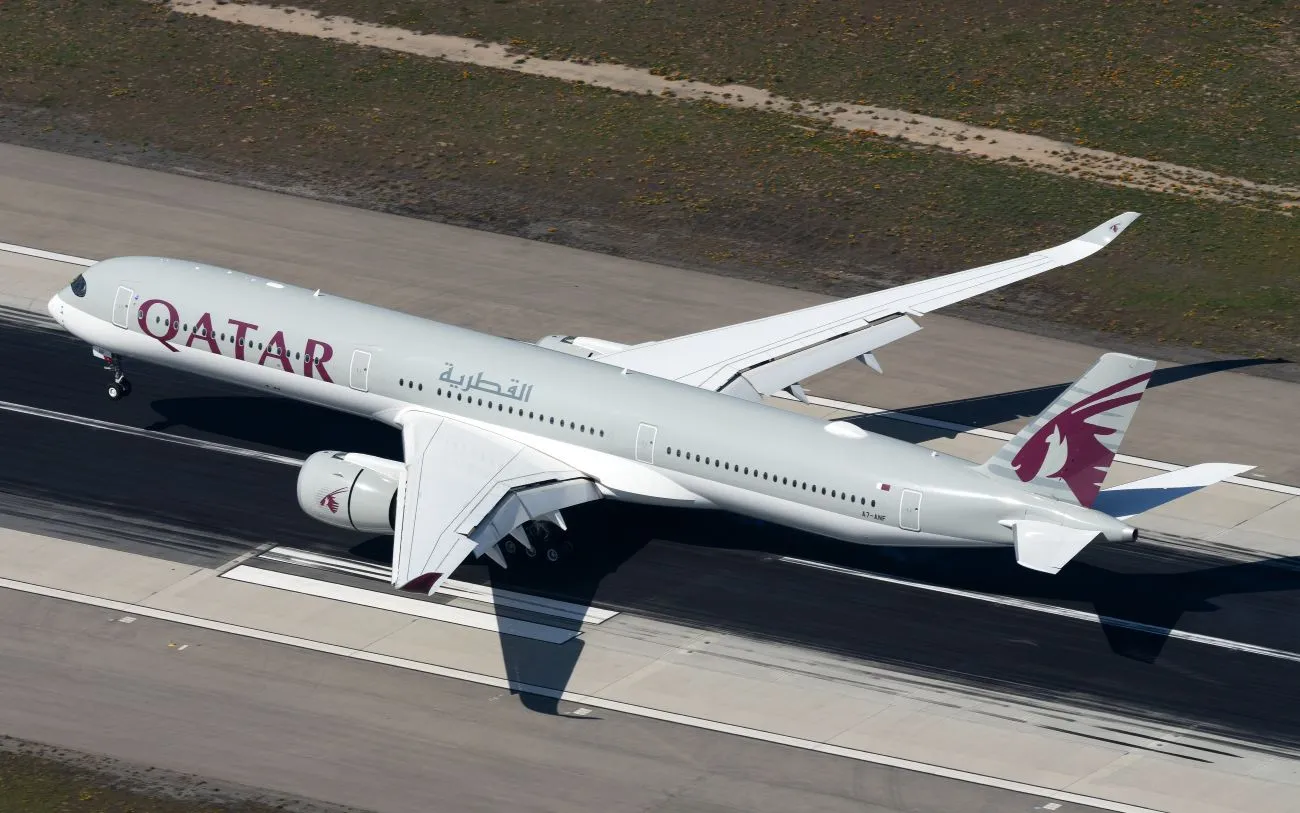
The operational and commercial impact of the ongoing geopolitical tensions, particularly those involving Iran, on Gulf airlines is now visibly manifesting in their highly valued frequent flyer programs. With flights still heavily disrupted and airspace restrictions a persistent challenge, two of the region’s prominent carriers, Etihad Airways and Qatar Airways, have moved proactively to adjust their loyalty schemes, signaling a strategic pivot towards retaining their most valuable customers amidst unprecedented operating conditions. These adjustments underscore the deep connection between geopolitical stability, aviation logistics, and the intricate economics of customer loyalty in the premium travel sector.
The Nexus of Geopolitics and Airspace: A Regional Overview
The Gulf region, a critical global aviation hub, has been a crucible of geopolitical tensions for decades. The "Iran conflict" referenced here encompasses a spectrum of escalating events, including heightened military activity, drone incidents, and a general climate of instability that has, at various points, led to explicit warnings and restrictions regarding airspace usage. A particularly salient period saw the Federal Aviation Administration (FAA) issue Notams (Notices to Airmen) advising U.S. carriers to exercise extreme caution or avoid specific sections of airspace over Iraq and Iran, following incidents like the downing of a Ukrainian passenger jet in January 2020 and various drone encounters. While not directly involving commercial airliners in hostile acts, the perception and potential for risk led to widespread re-routing.
Iranian airspace, specifically, forms a crucial corridor for flights traversing between Europe, North America, and key destinations in Asia, Southeast Asia, and Australia. Its geographical position offers the most direct and fuel-efficient routes for a significant portion of global air traffic. When this airspace becomes restricted or is perceived as unsafe, airlines are compelled to seek alternative flight paths, often involving considerable detours over Saudi Arabia, the United Arab Emirates, Oman, or even further south over the Red Sea. These reroutes, while ensuring passenger safety, come at a substantial cost. Industry analyses indicate that such diversions can add anywhere from 30 minutes to over two hours to flight times, translating directly into increased fuel consumption, higher operational costs, and added strain on crew duty limits. For an industry operating on tight margins, these additional costs, cumulatively, amount to tens of millions of dollars annually for the region’s carriers.
Chronology of Disruption and Response
The current adjustments to frequent flyer programs are not isolated decisions but rather a culmination of sustained operational challenges that have unfolded over time. The most significant disruptions impacting Gulf airspace safety perceptions intensified around late 2019 and early 2020.
- Mid-2019: Escalating tensions in the Strait of Hormuz, including tanker attacks and drone incidents, prompt initial concerns and some voluntary rerouting by airlines.
- January 2020: Following a U.S. drone strike in Baghdad and retaliatory missile strikes by Iran, coupled with the tragic downing of Ukraine International Airlines Flight 752 over Tehran, airspace restrictions become widespread. The FAA issues explicit warnings, leading many global carriers, including the "Big Three" Gulf airlines, to immediately reroute flights away from Iranian and Iraqi airspace.
- Ongoing: While direct military conflict has largely been avoided, the underlying geopolitical instability persists. This means that even as some direct restrictions ease, airlines continue to operate with a heightened sense of caution, often opting for longer, perceived-safer routes. This "new normal" of longer flight times and increased costs solidifies.
- Late 2023 / Early 2024: As the operational impacts become long-term and ingrained, the knock-on effects begin to fully impact passenger behavior. Frequent flyers, particularly business travelers, find themselves flying less or making different routing choices due to extended travel times or perceived uncertainty. This sustained reduction in flying activity directly jeopardizes their ability to retain elite status.
- March 2024 (Approximate): Etihad Airways and Qatar Airways announce their loyalty program adjustments, recognizing that the prolonged disruption requires a strategic response to protect their most valuable customer segments.
The Critical Role of Frequent Flyer Programs
For full-service carriers like Etihad and Qatar Airways, loyalty programs are far more than just perk systems; they are foundational pillars of their commercial strategy. These programs, often structured around tiers (e.g., Silver, Gold, Platinum), are designed to cultivate repeat business, particularly from high-yield passengers who contribute disproportionately to airline revenues. Elite status members typically include business executives, frequent leisure travelers, and high-net-worth individuals who often choose full-service carriers for their premium cabins and extensive global networks.
The benefits of elite status—such as lounge access, priority boarding, extra baggage allowance, complimentary upgrades, and dedicated customer service—are powerful incentives. They create a "sticky" relationship, where customers are incentivized to choose a specific airline, even if alternatives might offer slightly lower fares, to maintain their accumulated benefits. Furthermore, loyalty programs provide airlines with invaluable data on customer preferences and travel patterns, enabling targeted marketing and personalized service. Losing these high-tier members due to circumstances beyond their control (i.e., disrupted flight schedules leading to fewer flown miles or segments) represents a significant long-term commercial threat. These customers are not only less price-sensitive but also act as brand ambassadors and are crucial for the airlines’ premium demand segment, which is integral to their business model.
Etihad Guest’s Proactive Adjustments: A Deep Dive
In a direct response to these pressures, Etihad Airways, through its Etihad Guest program, has outlined specific arrangements designed to mitigate the adverse effects on its members’ status. In a message disseminated to its members on a Wednesday, Arik De, the carrier’s Chief Revenue and Commercial Officer, confirmed a significant adjustment: tier qualification thresholds will be reduced by 25%. This means members will require fewer miles or segments to achieve or retain their current status level. For instance, if a Gold status typically required 50,000 status miles, it would now only require 37,500.
Beyond this blanket reduction, Etihad has also implemented a targeted initiative where some customers will be automatically moved up a tier. This particular move is likely data-driven, targeting members who were very close to qualifying for the next tier or those who have historically demonstrated high value but have been significantly impacted by the recent disruptions. De’s statement, "Your relationship with Etihad…" (truncated in the original excerpt but clearly leading into an assurance of commitment), underscores the airline’s recognition of the value of its loyal customer base and its commitment to nurturing these relationships even during challenging times. This strategy is not merely a gesture of goodwill; it’s a calculated commercial decision to prevent churn among its most profitable customer segments and reinforce brand loyalty.
Qatar Airways’ Parallel Strategy and Industry Context
While specific details were less elaborated in the initial report, Qatar Airways has also announced similar arrangements to make it easier for its customers to retain or upgrade their status. Although the exact mechanics of their adjustments (e.g., percentage reduction in Qpoints/Qmiles, extension of status validity, bonus tier-qualifying activity) have not been fully disclosed, the move indicates a parallel recognition of the problem and a similar strategic imperative. Qatar Airways, a fierce competitor in the Gulf aviation landscape, relies heavily on its Privilege Club members for its premium traffic and global network connectivity. Their decision to align with Etihad’s approach highlights a shared understanding within the region that maintaining customer loyalty is paramount in the face of sustained operational headwinds.
It is noteworthy that Emirates, often considered the third member of the "Big Three" Gulf carriers, was not explicitly mentioned in the initial report regarding similar adjustments. This could indicate several possibilities: either Emirates has not yet announced its strategy, its operational impact from the Iran conflict is proportionally less severe due to its specific route network or fleet capabilities, or it has chosen a different approach to loyalty retention. The competitive dynamic among these three carriers means that proactive measures by one often compel similar responses from the others to avoid losing market share among valuable frequent flyers.
Operational Headwinds: Data and Direct Impact
The decision by Etihad and Qatar Airways is rooted in tangible operational data reflecting the severity of the airspace disruptions. Before the primary airspace restrictions, a typical flight from a European hub like London to a major Asian city such as Singapore would often traverse Iranian airspace. Post-restriction, these flights are now routinely routed further south, adding significant mileage. For instance, a flight from London to Singapore might now take an additional 45-60 minutes, consuming thousands of extra kilograms of jet fuel. Multiplied across hundreds of flights daily for each major carrier, this translates into:
- Increased Fuel Costs: Industry estimates suggest that for a major long-haul airline, a sustained rerouting effort can increase annual fuel expenditure by 5-10%, representing tens of millions of dollars.
- Reduced Aircraft Utilization: Longer flight times mean aircraft spend more time in the air for the same journey, potentially reducing their ability to complete subsequent flights as scheduled, impacting overall fleet efficiency.
- Crew Duty Limits: Extended flight times push crew members closer to their maximum allowable duty periods, sometimes necessitating additional crew or schedule adjustments.
- Hub Connectivity Strain: Delays on inbound flights due to rerouting can cascade through the hub, causing missed connections for passengers and disrupting carefully orchestrated flight schedules. Doha and Abu Dhabi, as major global transfer hubs, are particularly susceptible to these ripple effects.
- Passenger Experience: While safety is paramount, longer flight times, increased instances of delays, and potential re-routing anxieties can diminish the overall passenger experience, potentially impacting future booking decisions.
These factors collectively contribute to a scenario where frequent flyers, faced with longer travel times and less predictable schedules, may naturally reduce their flying frequency, jeopardizing their elite status.
Industry Reactions and Expert Commentary
The loyalty program adjustments by Etihad and Qatar Airways have been met with broad approval from industry analysts and loyalty program experts. "This is a shrewd and necessary move by both airlines," commented Dr. Alex Miller, an aviation strategy consultant. "In times of operational volatility, the impulse might be to cut costs everywhere, but alienating your most loyal and profitable customers would be a catastrophic long-term error. These carriers understand the lifetime value of an elite member and are making a calculated investment in retention."
Customer responses, particularly from those affected, have largely been positive. "I was genuinely worried I wouldn’t maintain my Gold status this year because my business travel has been unpredictable with all the rerouting," said Sarah Al-Mansoori, a frequent business traveler based in Dubai. "Etihad’s announcement is a huge relief. It shows they value my loyalty."
Airline spokespersons, while not directly quoted beyond Arik De, would likely emphasize their commitment to customer satisfaction and loyalty. The message is clear: despite external challenges, the airlines are prioritizing the long-term relationships with their passengers, especially those who contribute significantly to their revenue streams. This approach helps to solidify brand reputation and differentiate them in a highly competitive market.
Broader Implications for Gulf Aviation and Global Connectivity
The strategic adjustments to loyalty programs have broader implications for the Gulf aviation sector and global connectivity:
- Competitive Dynamics: These moves set a precedent. If the geopolitical situation remains unstable, other carriers, including Emirates, might feel compelled to introduce similar measures to remain competitive for the high-value traveler segment. This could lead to a ‘loyalty arms race’ where airlines compete not just on routes and prices but also on the flexibility and generosity of their loyalty programs during crises.
- Passenger Confidence: By demonstrating flexibility and understanding, airlines can bolster passenger confidence. Travelers are more likely to remain loyal to carriers that show empathy and adapt their policies to external circumstances, especially when those circumstances are beyond the passenger’s control.
- Future of Loyalty Programs: This situation might serve as a case study for how loyalty programs evolve in an increasingly unpredictable world. We may see more built-in flexibility or ‘hardship clauses’ in loyalty program terms and conditions to account for widespread disruptions caused by geopolitical events, pandemics, or natural disasters.
- Economic Ripple Effects: The health of Gulf airlines is intrinsically linked to the broader economies of their respective nations, which rely heavily on tourism, business travel, and trade facilitated by air cargo. Maintaining strong loyalty programs helps ensure the continued flow of high-value travelers, thereby supporting these economic pillars.
Conclusion: Navigating Uncertainty with Customer Loyalty at the Forefront
The decision by Etihad Airways and Qatar Airways to adjust their frequent flyer programs is a powerful testament to the intertwined nature of geopolitics, aviation operations, and commercial strategy. In an era marked by persistent regional instability and its direct impact on crucial air corridors, these carriers are demonstrating a strategic understanding that customer loyalty, particularly among their most valuable segments, is a long-term asset worth protecting. By reducing qualification thresholds and facilitating status retention, they are not only mitigating the immediate frustrations of disrupted travel but are also making a calculated investment in their future profitability and market standing. As the aviation industry continues to navigate a complex global landscape, the ability to adapt, empathize, and prioritize the customer relationship will remain a critical determinant of success.




 Anjar Salim
 Chandra Hamzah
 Gabriela Annisa
 Susilo Edi Turonggo
 Hendra Ismail