Anjar Salim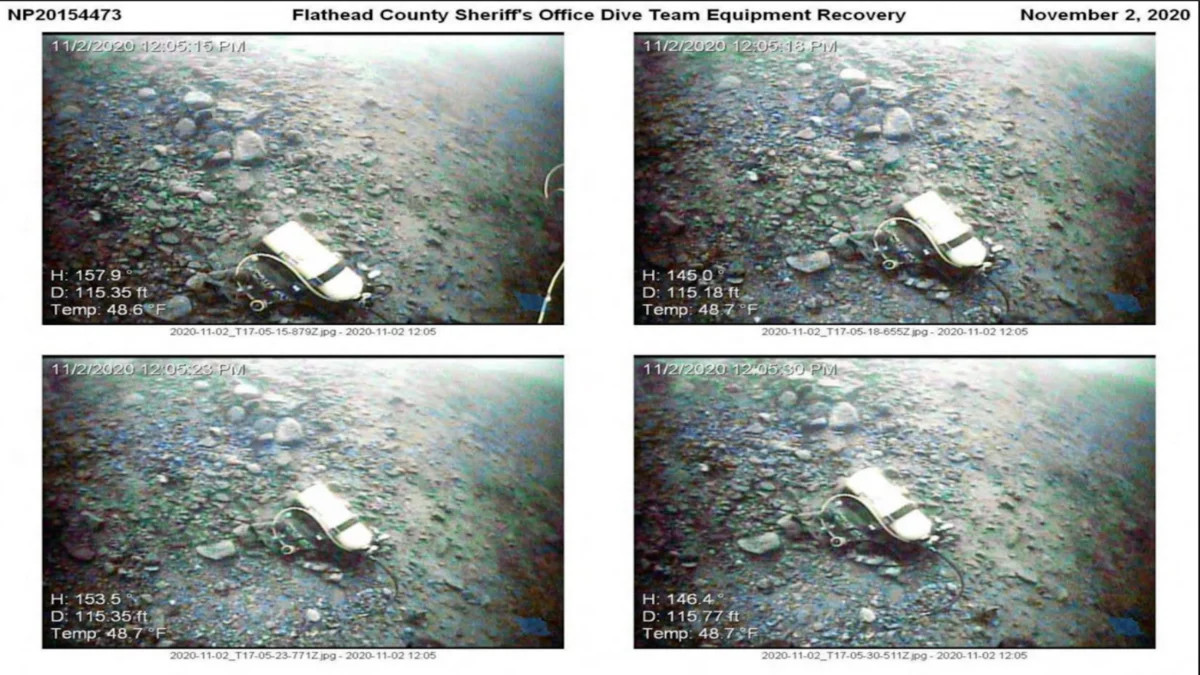
The tranquil, crystalline waters of Lake McDonald in Glacier National Park served as the backdrop for a tragedy on November 1, 2020, that has since ignited a national conversation regarding safety standards within the scuba diving industry. Linnea Mills, an 18-year-old resident of Missoula, Montana, lost her life during what was intended to be a routine certification dive. The incident, characterized by a series of equipment failures and procedural oversights, is the subject of a new documentary, How to Kill a Mermaid: The Linnea Mills Story, which premiered at the Big Sky Film Festival in February 2025. Through a combination of law enforcement body-camera footage, eyewitness testimony, and the victim’s final moments captured on a fellow diver’s camera, the film and subsequent investigations highlight the inherent risks of high-altitude, cold-water diving and the perceived lack of oversight in diver education.
The Fatal Dive: A Chronology of Events
On the afternoon of November 1, 2020, Linnea Mills arrived at the shores of Lake McDonald to complete her Advanced Open Water and drysuit certifications. The conditions were typical for a Montana autumn: the air was crisp, and the water temperature hovered at a frigid 49 degrees Fahrenheit. Accompanying her were an instructor and three other students. The objective was a ten-minute descent to a maximum depth of 60 feet.
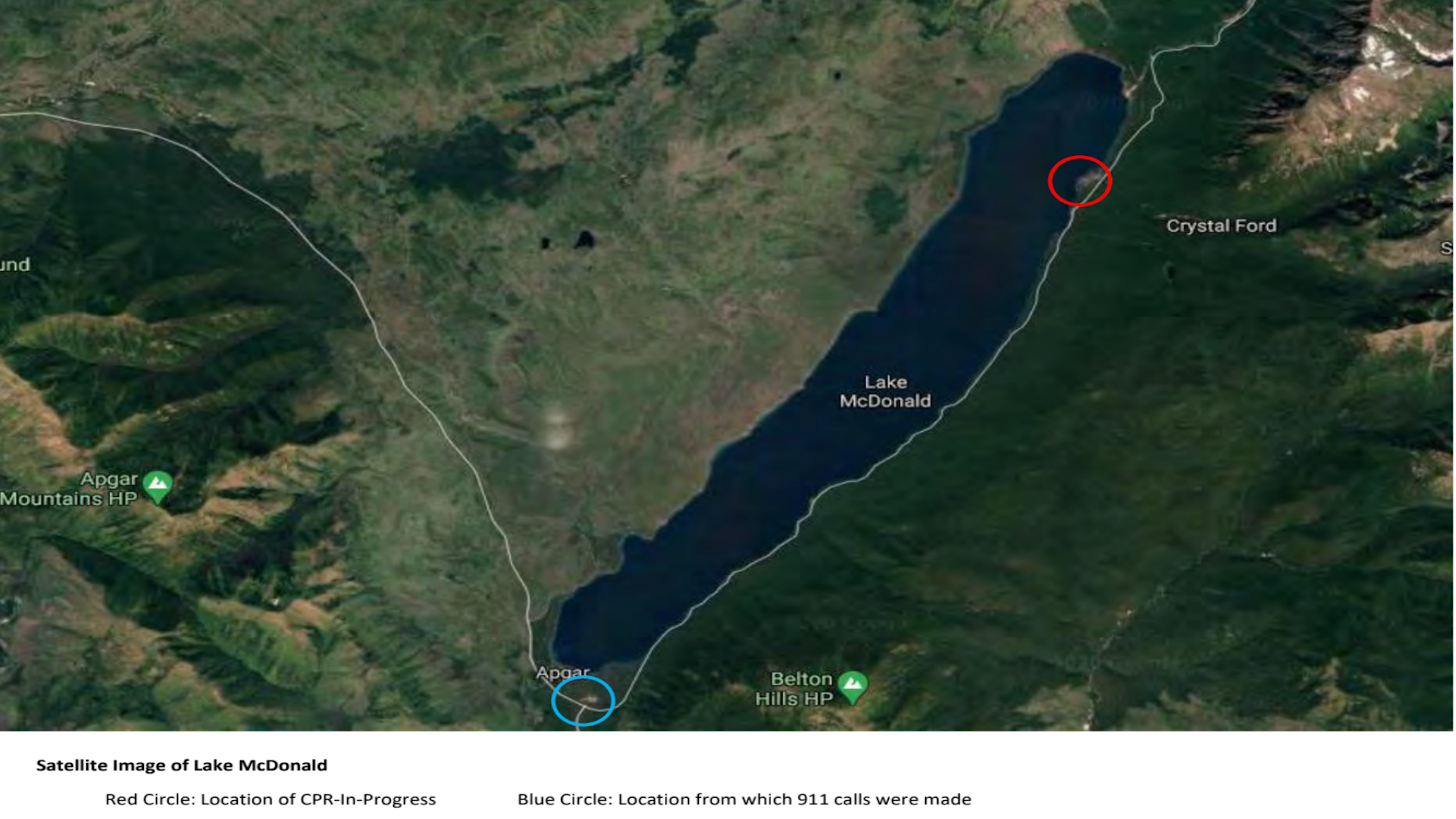
At approximately 5:00 P.M., as the winter sun began to set behind the Rocky Mountains, the group waded into the lake. Lake McDonald is known for its "bathtub" topography—a shallow shelf that extends a short distance from the shore before dropping precipitously into depths reaching nearly 500 feet. This geography, combined with the remote nature of the park and the lack of reliable cellular service, meant that any emergency would be complicated by significant response delays.
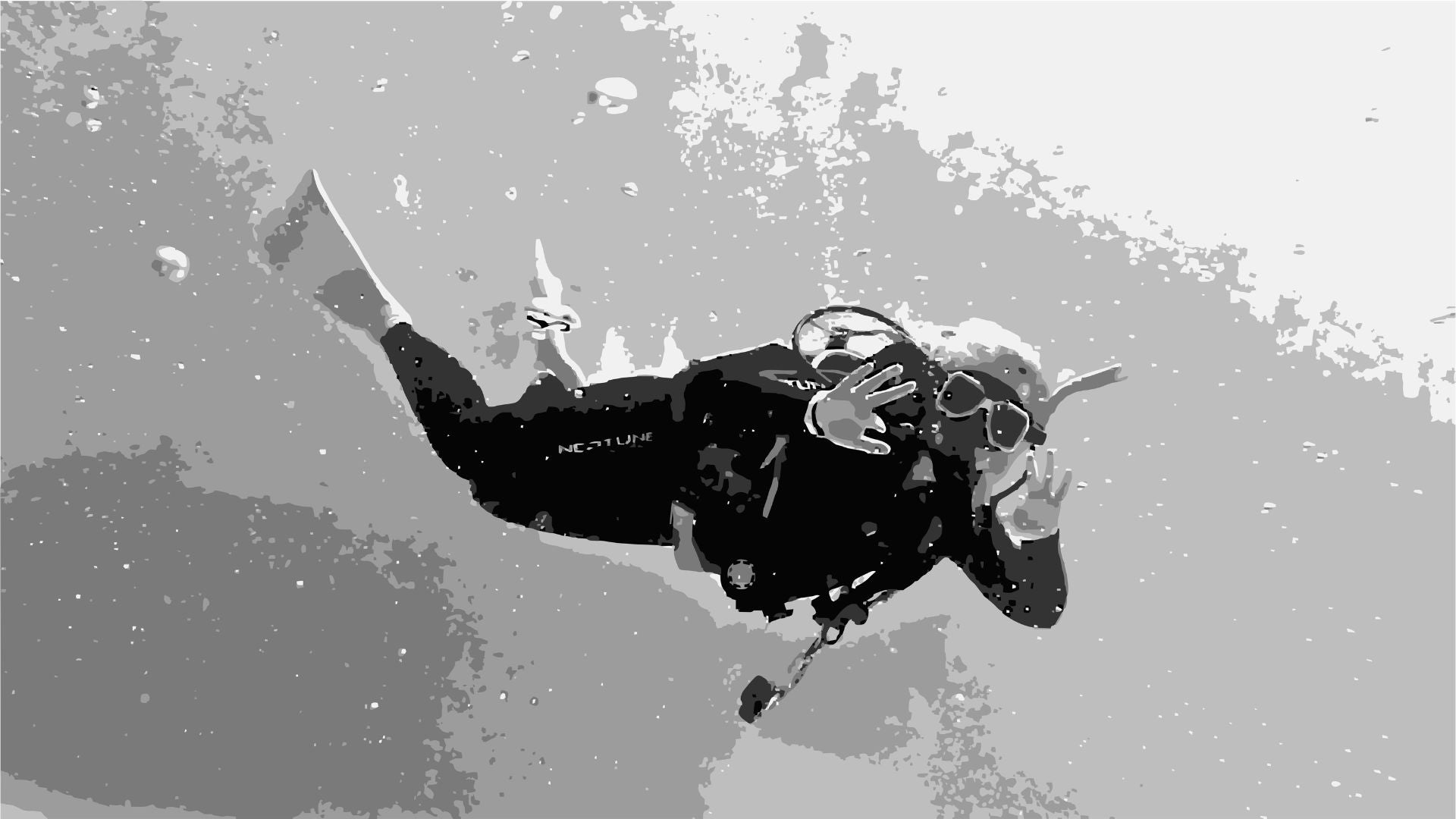
The dive began to unravel almost immediately upon descent. According to National Park Service (NPS) investigation records, Mills began showing signs of distress at a depth of 45 feet. She made a "feeble, reaching gesture" toward her instructor, a signal often associated with buoyancy or breathing difficulties. At 55 feet, she momentarily stabilized on an underwater ledge, signaling for help again. However, she soon lost her footing and slid down the steep embankment into deeper water.
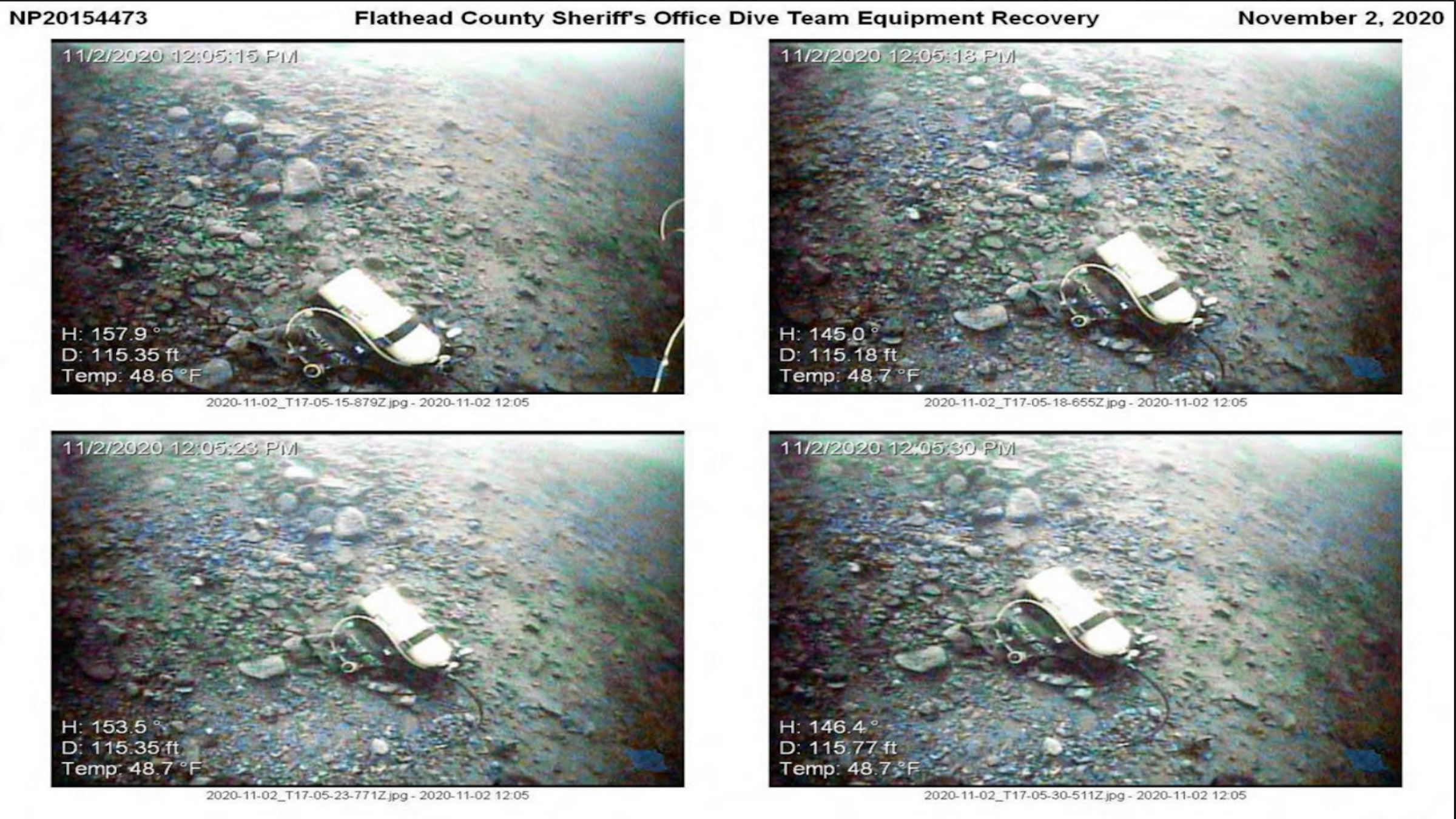
A fellow student, Bob Gentry, witnessed Mills’s struggle and attempted to intervene. He followed her as she sank to the lakebed at 94 feet. By the time he reached her, Mills’s regulator—the device providing her air—was no longer in her mouth. Gentry attempted "buddy breathing," a technique where two divers share a single air source, but the physical constriction of Mills’s equipment made it impossible for her to inhale. Unable to lift her due to the excessive weight she was carrying, and with his own air supply running low, Gentry was forced to surface to seek help. It would be another 20 minutes before the instructor and another student could return to the bottom to recover Mills’s body, which had drifted further down to a depth of 127 feet.
Technical Analysis of Equipment and Training Violations
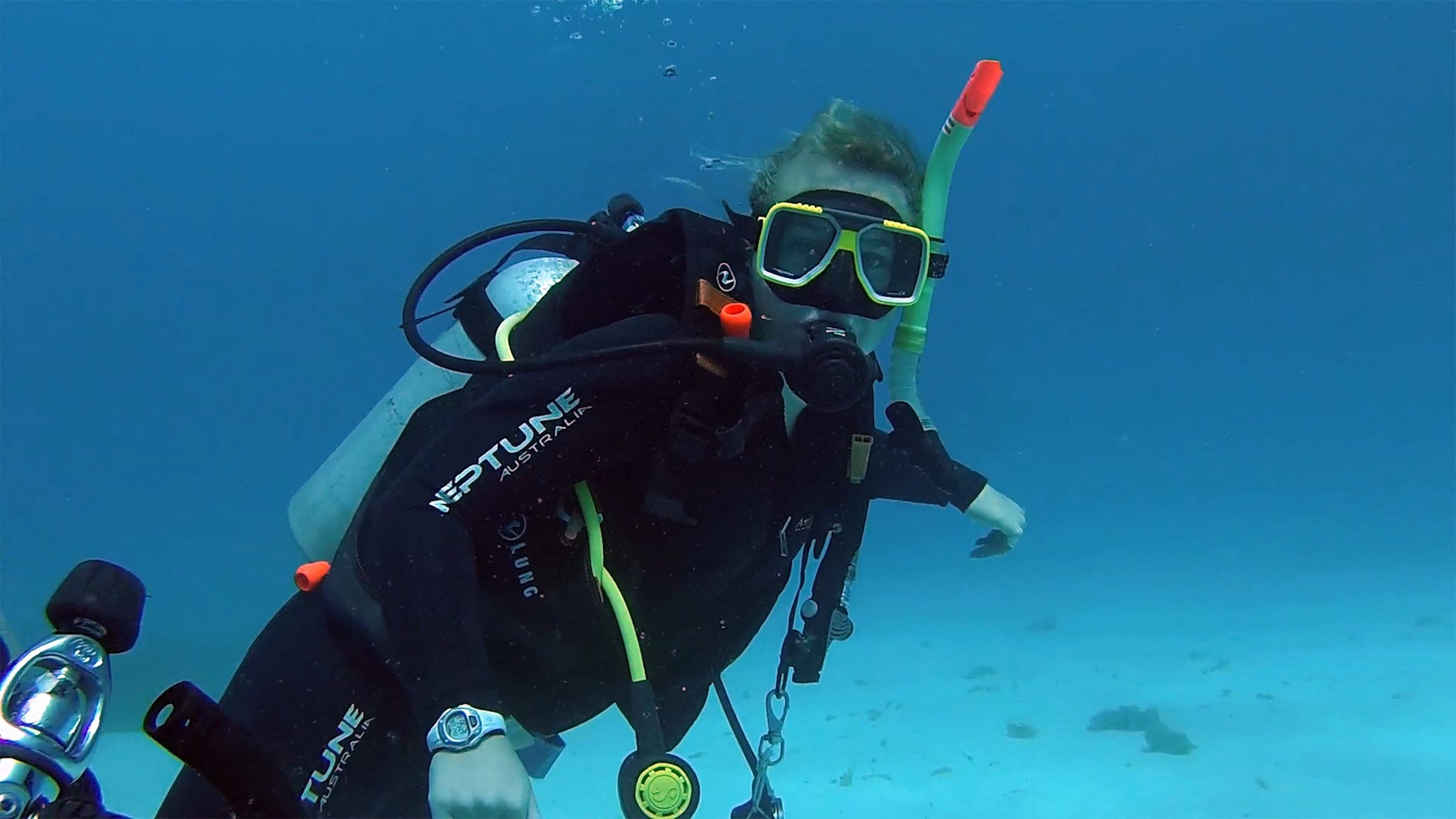
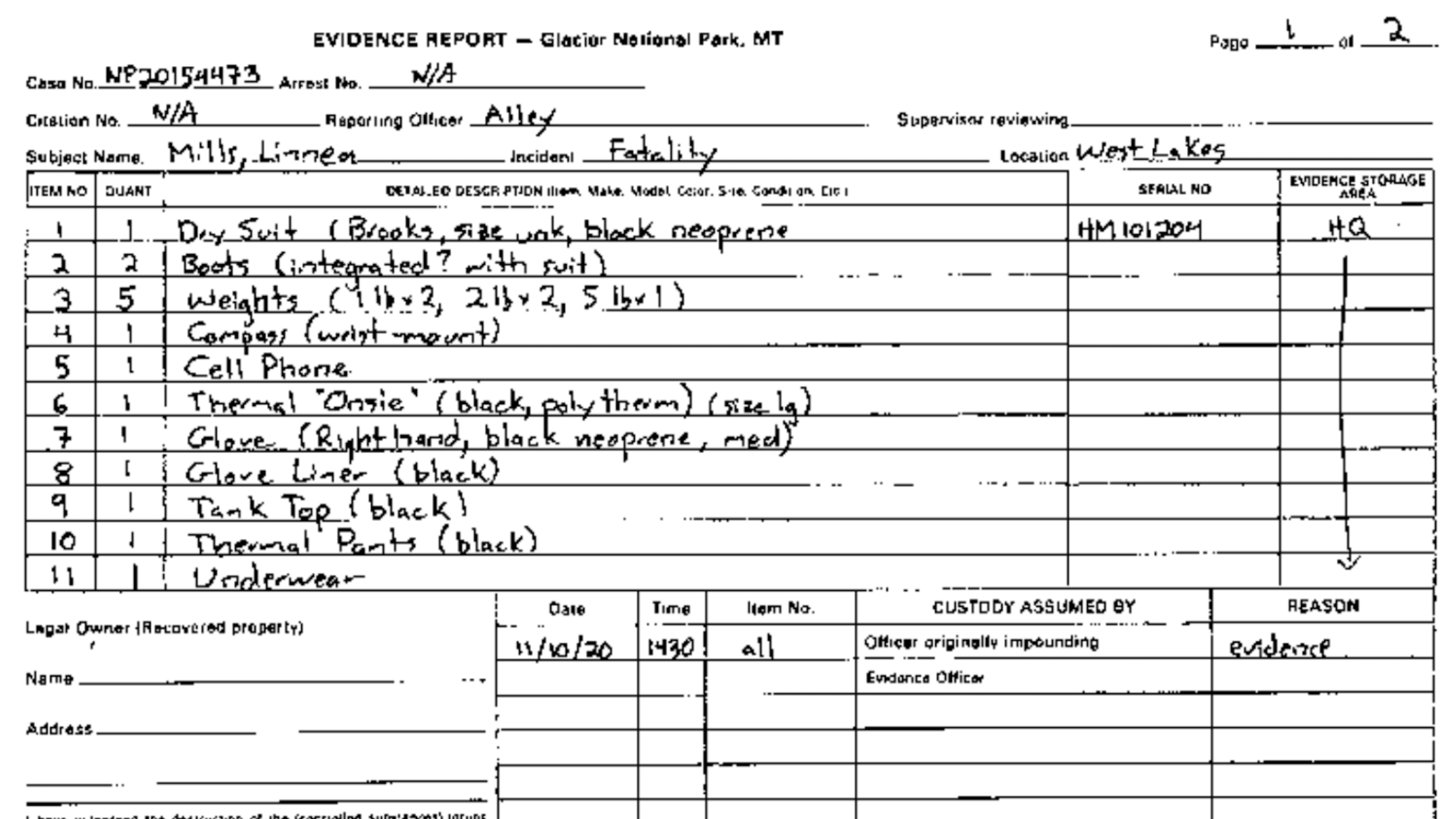
The subsequent investigation conducted by the National Park Service and technical diving experts revealed a "cascading series of errors" regarding the equipment provided to Mills. A drysuit, unlike a standard wetsuit, is designed to keep the diver dry and provide warmth through a layer of air maintained between the suit and the body. However, this requires specialized training and compatible hardware to manage buoyancy and prevent "suit squeeze"—a phenomenon where water pressure compresses the air inside the suit, potentially crushing the diver’s torso and limbs.
According to the NPS report, Mills was a novice who had never used a drysuit prior to the Lake McDonald dive. Standard industry protocols, such as those established by the Professional Association of Diving Instructors (PADI), typically require at least one pool session to familiarize a student with drysuit mechanics before entering open water. This step was reportedly bypassed.
Furthermore, the physical equipment was found to be dangerously mismatched:
- Incompatible Fittings: The hose used to inflate the drysuit utilized metric fittings, while the suit itself was equipped with U.S. standard fittings. This prevented the instructor from connecting the air supply to the suit, leaving Mills unable to add air to compensate for the increasing pressure of the descent.
- Excessive Weighting: For a diver of Mills’s stature in a drysuit, approximately 22 pounds of lead weight is considered standard. Investigators discovered that Mills was carrying 44 pounds of weight. These weights were zippered into her pockets rather than being on a "quick-release" belt, making it nearly impossible for her or a rescuer to shed the weight in an emergency.
- Substandard Regulator: The mouthpiece on Mills’s regulator was made of a plastic not rated for the extreme cold of a Montana lake in November, increasing the risk of mechanical failure or discomfort that could lead to a diver spitting out their air source.
NPS Special Agent Jacob Olson concluded in his report that the instructor violated numerous standard operating procedures, including the use of known faulty equipment and a lack of proper supervision for a student in a high-risk environment.
Legal Outcomes and the Struggle for Accountability
Following the incident, the Mills family pursued legal action against the dive shop and the individuals involved. In 2023, a settlement was reached, the details of which remain confidential. However, despite the findings of the NPS Investigative Services Bureau, criminal charges were never filed.
The federal prosecutor’s office declined to pursue a case, citing the difficulty of proving "beyond a reasonable doubt" that the instructor’s actions rose to the level of criminal culpability, rather than civil negligence. The June 2021 NPS report stated that while the instructor was "negligent—and perhaps grossly so," the agency lacked the necessary evidence to secure a criminal conviction under current federal statutes.
This lack of criminal prosecution has been a point of contention for the Mills family. Scott Mills, Linnea’s father, has publicly called for the U.S. Attorney to reconsider the case, arguing that the investigative report omitted critical information regarding the history of the dive shop. The family’s pursuit of justice is not merely personal; they seek to highlight what they describe as a systemic lack of oversight in the outdoor training industry.
Broader Implications for the Scuba Industry
The death of Linnea Mills is not an isolated incident within the region. In 2019, 40-year-old Jesse Hubbell died during a dive at Canyon Ferry Reservoir in Montana. Hubbell had rented equipment from the same dive shop that instructed Mills, and his death was also linked to equipment failure. More recently, in August 2025, 12-year-old Dylan Harrison died during a certification class in North Texas, an event that has drawn further scrutiny toward the safety protocols of major diving organizations.
The scuba diving industry in the United States is largely self-regulated. Organizations like PADI set standards for training and certification, but they do not have the legal authority of a government regulatory body like the FAA or OSHA. This means that while standards exist on paper, enforcement is often left to individual dive shops and instructors.
Industry analysts suggest that the "pay-to-play" model of scuba certification may contribute to these risks. Instructors are often under pressure to move students through the certification process quickly, sometimes leading to the omission of critical safety steps, such as pool orientations or thorough equipment checks. The Mills case has prompted calls for federal or state-level regulation of diving instructors, particularly those operating in extreme environments like high-altitude lakes or shipwreck sites.
The Legacy of Linnea Mills
In the years since her death, Linnea Mills has become a symbol for dive safety advocacy. Her brother, Nick Mills, has since become a divemaster, a decision he made to honor his sister’s passion for the underwater world while ensuring he possesses the skills to prevent similar tragedies. On the third anniversary of her death, Nick completed the dive in Lake McDonald that his sister was unable to finish, using it as a moment of both remembrance and professional commitment to safety.
The Mills family established The Linnea Foundation, a non-profit organization dedicated to supporting environmental and social causes that Linnea championed during her life. Through the foundation and the documentary How to Kill a Mermaid, the family hopes to educate the public on the importance of vetting diving instructors and demanding rigorous adherence to safety protocols.
Damon Ristau, the filmmaker behind the documentary, emphasizes that the film is not just about a tragic accident, but about the "ripples" one life can leave behind. "Linnea’s story has rippled around the world in a way that hopefully will prevent this sort of thing from happening again," Ristau stated.
As the scuba diving community continues to grapple with these losses, the case of Linnea Mills remains a stark reminder of the unforgiving nature of the water and the life-and-death importance of the equipment and training that allow humans to enter it. For the Mills family, the goal remains a transformation of the industry—moving from a culture of self-regulation to one of rigorous, enforceable accountability.



 Walid Sujud Trenggono
 Budi Mulyono
 Chandra Hamzah