Budi Mulyono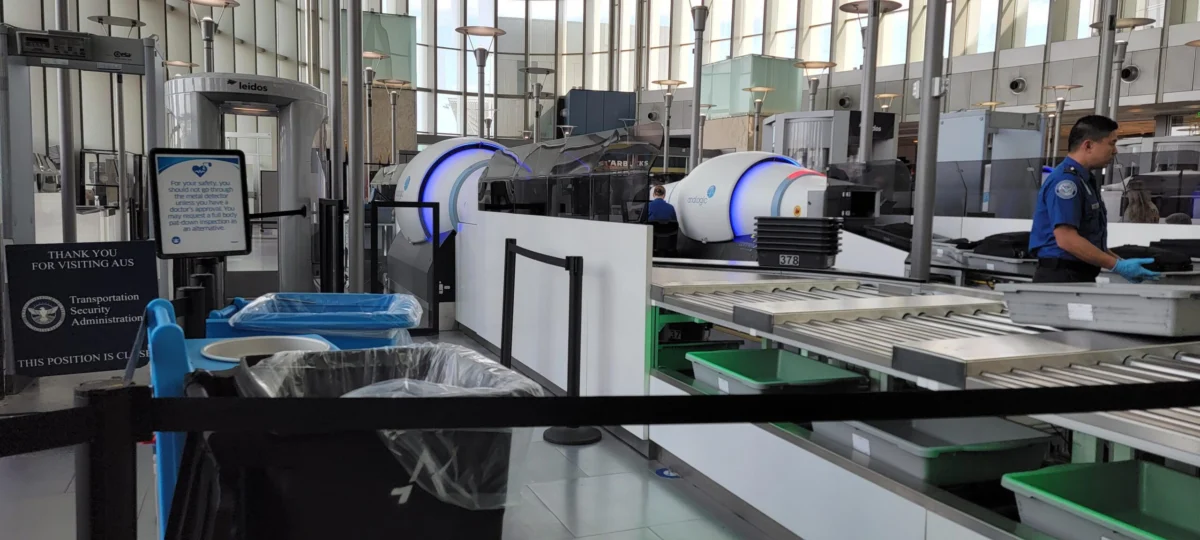
The United States federal government has initiated a controversial deployment of Immigration and Customs Enforcement (ICE) agents to major domestic airport security checkpoints, a move that has sparked significant legal debate and operational confusion among travelers and aviation experts alike. This directive, announced by the executive branch over a recent weekend, initially suggested that ICE personnel would be utilized to alleviate growing wait times at Transportation Security Administration (TSA) screening lanes. However, the deployment has faced immediate scrutiny regarding its legality, as federal statutes strictly govern the qualifications and training required for personnel performing aviation security screening. While the administration has since clarified that ICE agents will serve in "non-screening" support roles, the presence of armed law enforcement officers at domestic checkpoints represents a significant shift in the civilian travel experience and raises critical questions regarding the Fourth Amendment rights of passengers.
The Scope of Deployment and Operational Roles
The deployment currently targets 14 of the nation’s busiest aviation hubs, including Hartsfield-Jackson Atlanta International (ATL), New York’s John F. Kennedy (JFK) and LaGuardia (LGA), Newark Liberty (EWR), Philadelphia International (PHL), Chicago O’Hare (ORD), Louis Armstrong New Orleans (MSY), George Bush Intercontinental (IAH), and Phoenix Sky Harbor (PHX). According to official statements from the Department of Homeland Security (DHS), these agents are tasked with "operational support," which includes crowd control, line management, and general logistics within domestic terminals.
Under 49 U.S. Code § 44901, the law stipulates specific training requirements for any individual operating screening equipment or conducting physical searches of passengers and baggage. TSA screeners must undergo rigorous training on X-ray technology, explosive trace detection, and behavioral observation—protocols that ICE agents, whose primary training focuses on immigration enforcement and criminal investigation, do not possess. Consequently, the administration’s pivot to "line management" is viewed by many legal analysts as a necessary concession to avoid violating federal aviation security laws.
Chronology of the Deployment and the DHS Funding Crisis
The impetus for this deployment is rooted in a broader political and fiscal stalemate regarding the Department of Homeland Security’s budget. The current partial government shutdown centers on a series of proposed reforms to DHS operations. These include measures to prevent the placement of U.S. citizens in immigration detention, the cessation of enforcement actions at "sensitive locations" such as hospitals and childcare facilities, and the implementation of stricter bans on racial profiling. Furthermore, Congressional negotiators have pushed for increased detainee access to legal counsel and the removal of restrictions on Congressional oversight visits to ICE facilities.
The timeline of the current situation unfolded rapidly:
- Friday/Saturday: The President announces via social media that ICE will be utilized to "fix" TSA lines starting the following Monday.
- Sunday: Legal experts and aviation unions raise alarms, noting that ICE agents lack the statutory authority and training to perform TSA screening duties.
- Monday: ICE agents are observed at major airports, including Atlanta, but are restricted to managing queues and directing foot traffic rather than operating scanners.
- Tuesday-Present: Civil rights organizations and traveler advocacy groups issue guidance on the legal distinctions between interacting with TSA personnel versus ICE agents.
Critics of the move argue that the deployment is a retaliatory measure intended to pressure Congress into passing a DHS funding bill without the aforementioned reforms. From an operational standpoint, critics also point out the opportunity cost: ICE agents diverted to airports are being pulled away from their primary duties in human trafficking investigations, narcotics interdiction, and immigration enforcement.
Legal Distinctions: TSA Screeners vs. ICE Agents
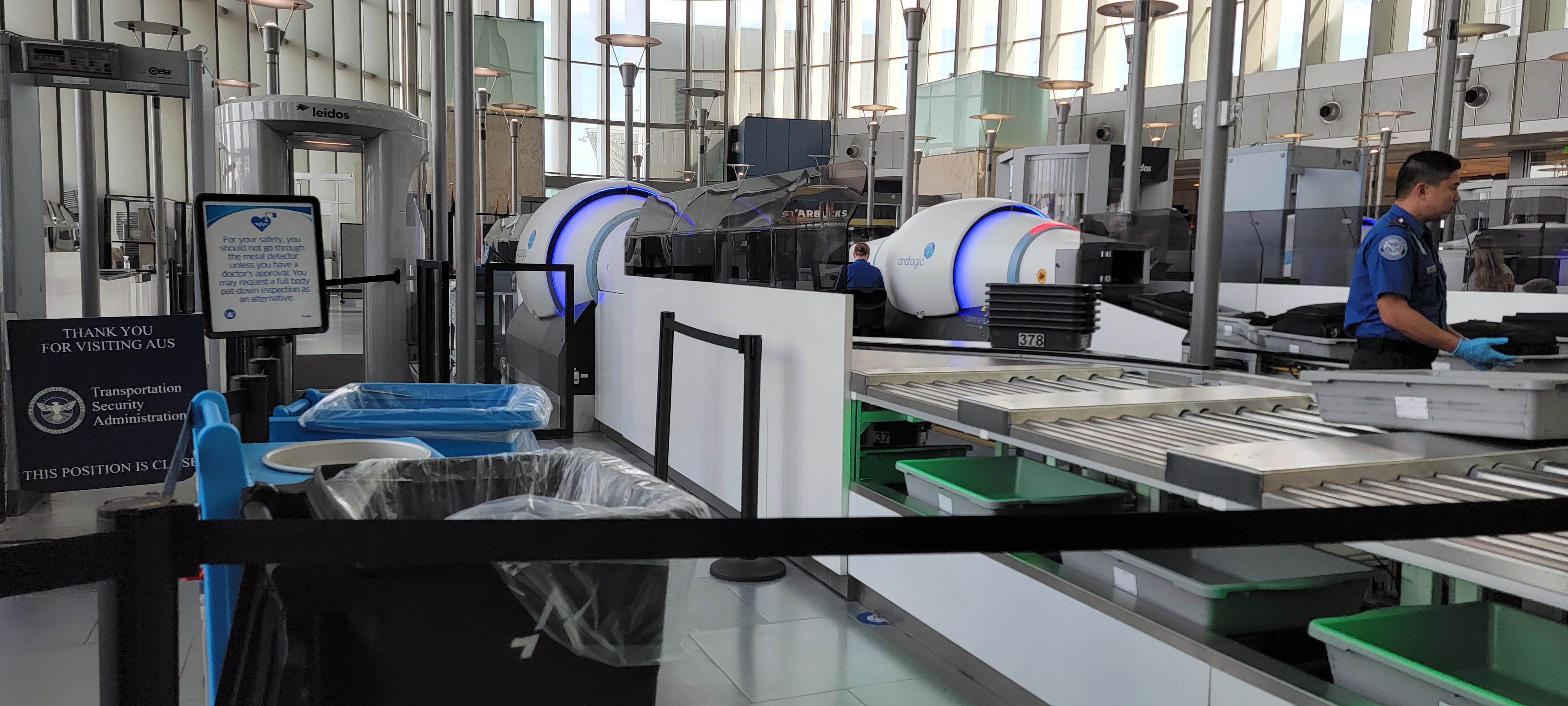
For the average traveler, the most critical takeaway from this deployment is the legal distinction between a TSA "officer" and an ICE "agent." Although TSA employees wear uniforms and are referred to as officers, they are administrative personnel with limited authority. Their power is derived from the "administrative search exception" to the Fourth Amendment, which allows for warrantless searches of passengers and property for the sole purpose of ensuring aviation safety—specifically looking for weapons, explosives, or incendiaries.
In contrast, ICE agents are fully sworn federal law enforcement officers. This status grants them broader powers but also subjects them to different constitutional constraints. Unlike TSA screeners, ICE agents have the authority to make arrests for violations of federal law and to conduct searches for general law enforcement purposes if they have "reasonable articulable suspicion" or "probable cause."
A significant concern for legal scholars is the concept of "qualified immunity." If an ICE agent acting in a TSA support capacity commits a civil rights violation, they may be shielded from personal liability unless it can be proven they violated "clearly established" law. Because the presence of ICE agents at domestic checkpoints is a novel legal scenario, travelers may find it more difficult to seek legal recourse for misconduct compared to traditional TSA interactions.
Surveillance Technology and Biometric Risks
The deployment coincides with the increased use of advanced surveillance tools by ICE. The agency has reportedly utilized mobile biometric scanners capable of capturing facial images and contactless fingerprints. These devices can instantly cross-reference biographical data against federal databases.
Travelers should be aware that ICE’s internal policies regarding "investigations" are broader than those of the TSA. For instance, being the subject of a mere investigation—even if no charges are filed—can lead to the revocation of "Trusted Traveler" status, such as Global Entry or TSA PreCheck. The integration of law enforcement personnel into the checkpoint environment increases the likelihood of "mission creep," where a security screening for flight safety evolves into a general law enforcement sweep or a biometric data collection event.
Supporting Data: Impact on Airport Efficiency and Security
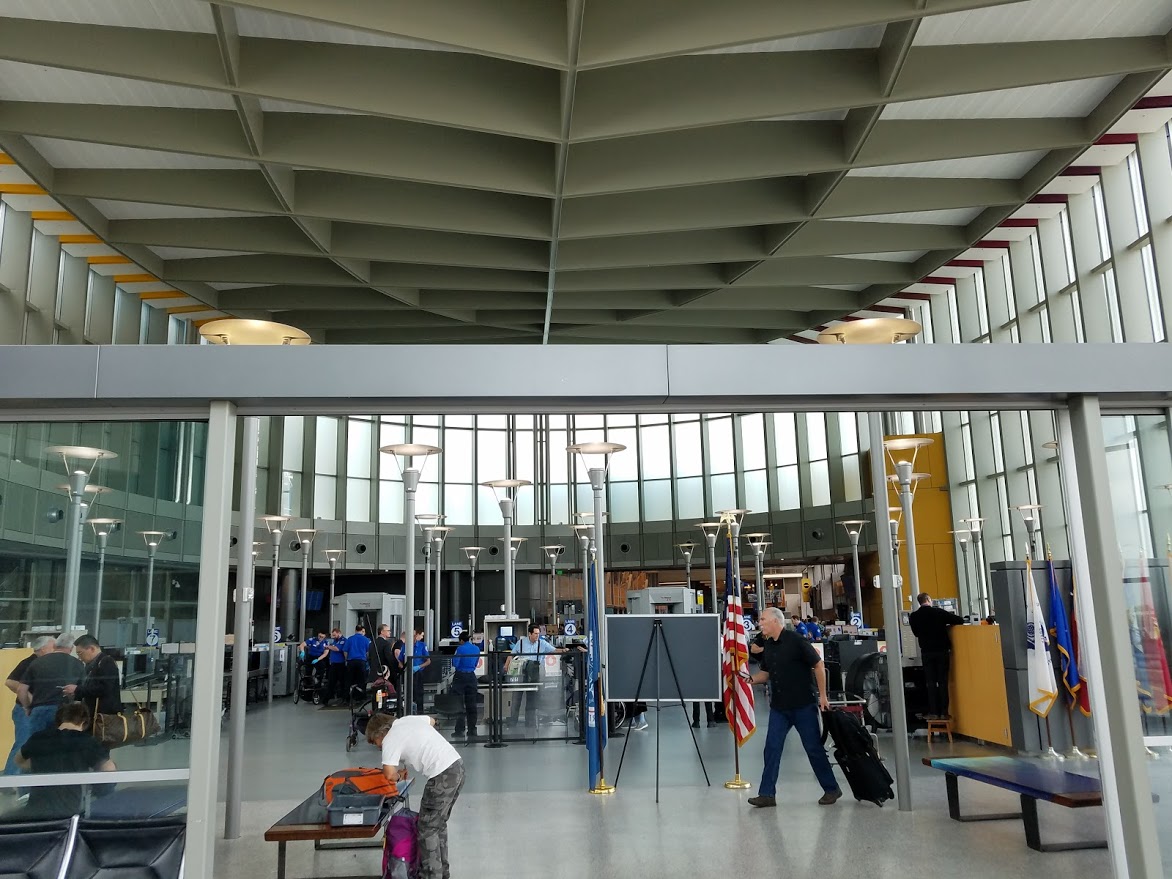
While the administration claimed the deployment would reduce wait times, historical data suggests that adding non-specialized personnel to a technical environment rarely yields efficiency. During previous TSA staffing shortages, the agency utilized "National Deployment Force" teams consisting of trained TSA officers from smaller airports. The use of untrained ICE agents for "crowd control" does not address the bottleneck at the actual X-ray machines, which requires certified operators.
Furthermore, the 14 airports selected represent nearly 40% of all U.S. domestic passenger traffic. In 2023, Hartsfield-Jackson Atlanta alone handled over 100 million passengers. Introducing a secondary agency into this high-pressure environment without integrated communication systems can lead to "inter-agency friction," potentially slowing down the very lines the deployment was meant to accelerate.
Civil Liberties and the "Papers, Please" Precedent
The presence of ICE at domestic checkpoints has drawn comparisons to "internal checkpoints" often found within 100 miles of the U.S. border. Civil liberties organizations, such as the Privacy Coalition and "Papers, Please," have advised travelers to be precise in their interactions.
Legal experts suggest that if a traveler is singled out for a search by an ICE agent at a checkpoint, they should clarify the scope of their consent. A recommended response is: "I consent only to the administrative search required as a condition of boarding my flight. I do not consent to any other search." Furthermore, travelers are encouraged to ask, "Am I free to leave?" and "Why am I being detained?" if an interaction extends beyond the standard screening process.
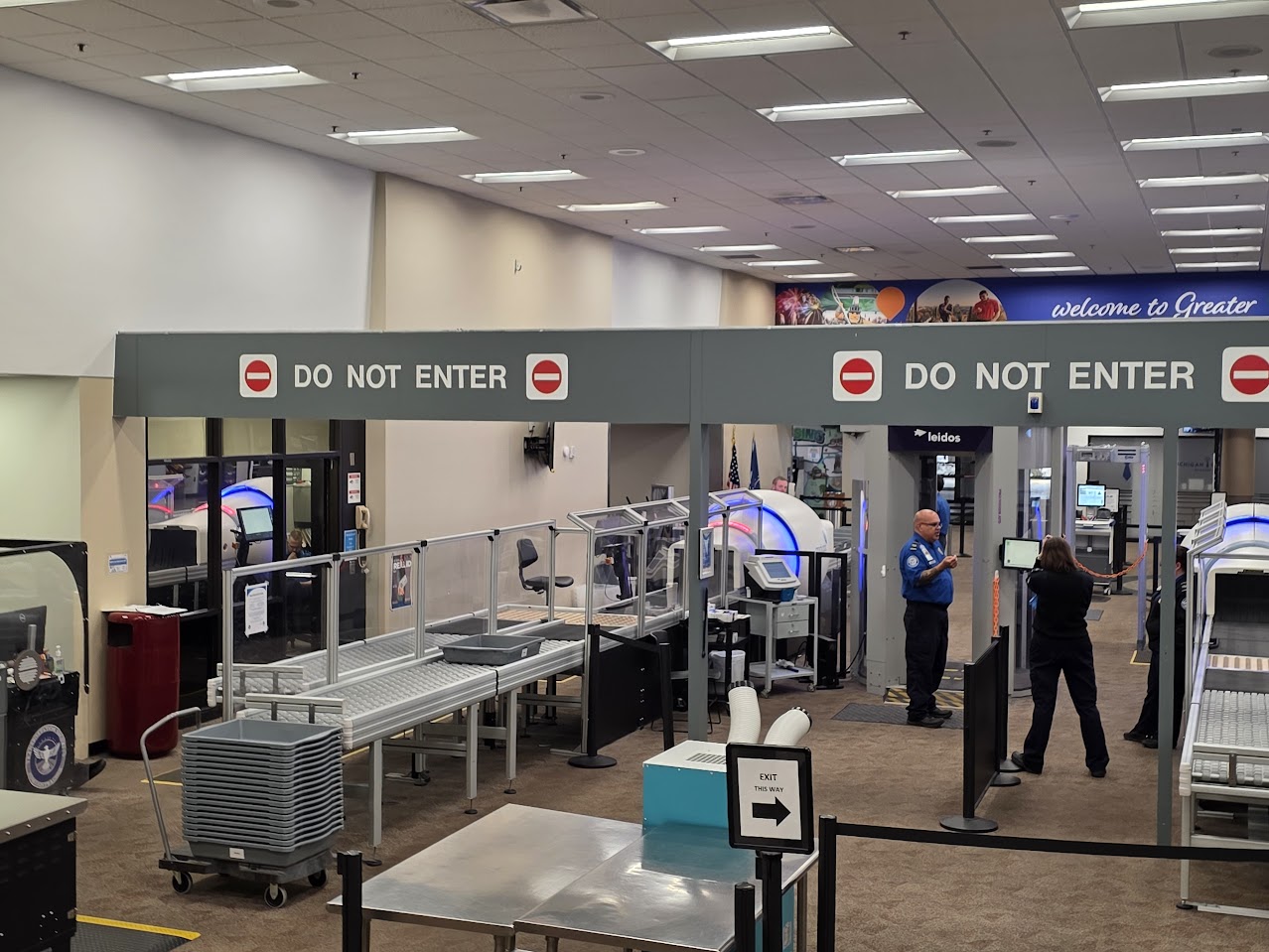
Unlike TSA screeners, who generally cannot physically prevent a passenger from leaving the checkpoint if they choose not to fly (provided no prohibited items have been found), ICE agents have the authority to detain individuals based on suspected violations of federal law, including immigration status.
Broader Implications for the Future of Aviation
The long-term impact of this deployment may be a fundamental shift in the relationship between the federal government and the traveling public. By blurring the lines between administrative safety screenings and criminal law enforcement, the government risks eroding the public trust necessary for efficient aviation security.
From a policy perspective, this event highlights the fragility of the Department of Homeland Security’s operational budget and the degree to which domestic infrastructure can be used as a lever in political negotiations. If the deployment becomes permanent or expands, it could lead to a two-tiered security system where travelers are screened not only for what they are carrying but for who they are and what their legal status is within the country.
As the situation evolves, travelers are advised to remain informed of their rights and to expect potential delays as these two distinct federal agencies attempt to coordinate their disparate missions within the confines of the nation’s airport terminals. The legal challenges currently being prepared by civil rights groups will likely determine whether the presence of ICE at domestic checkpoints becomes a temporary footnote or a lasting transformation of American air travel.



 Anjar Salim
 Chandra Hamzah
 Tatiana Tantri Indah Sari
 Walid Sujud Trenggono