Budi Mulyono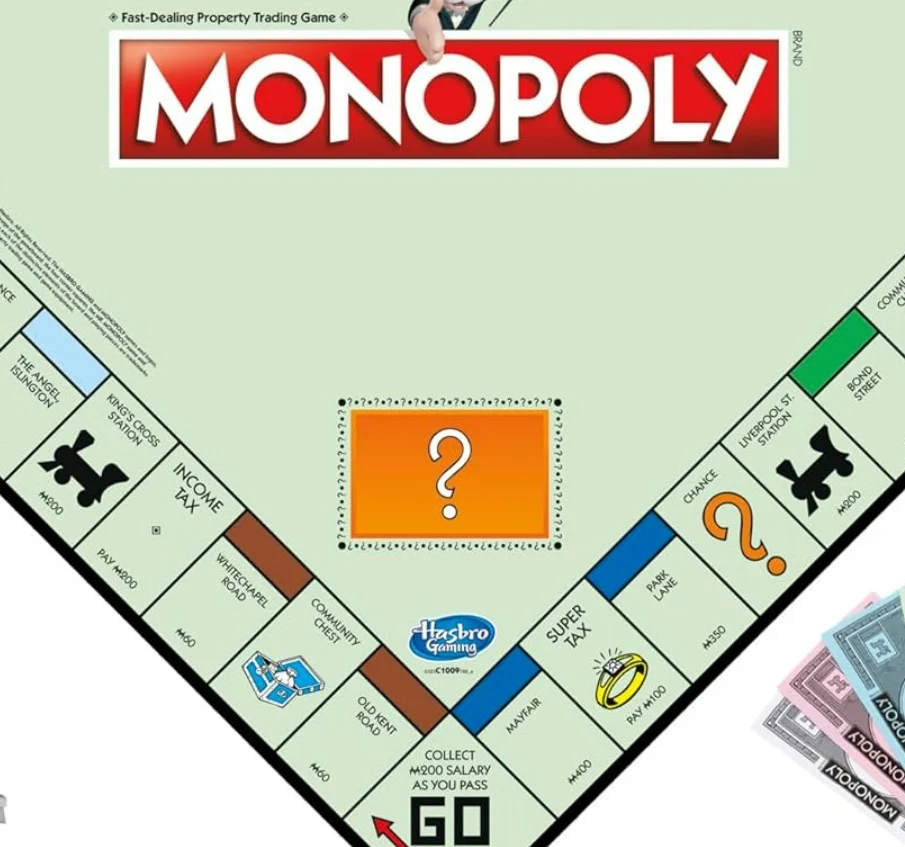
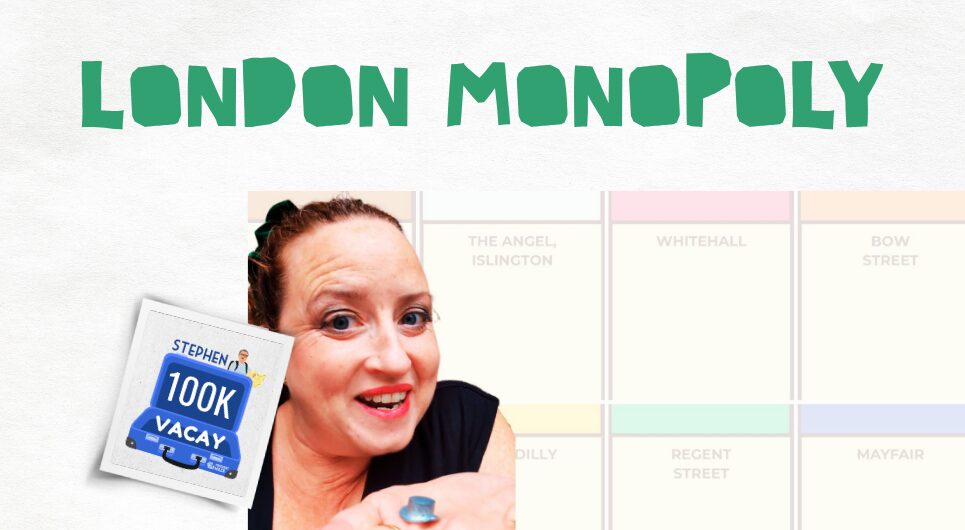
The intersection of travel loyalty programs and experiential tourism has reached a new milestone with the conclusion of the 100K Vacay challenge, an initiative designed to demonstrate the feasibility of international travel using a strictly limited budget of points and miles. A central component of this year’s project involved a comprehensive 12-hour navigational exercise through London, utilizing the traditional UK Monopoly board as a geographic and cultural framework. The project, spearheaded by travel analysts from the Frequent Miler organization, highlights a growing trend in "gamified travel," where participants use arbitrary constraints—such as board game locations—to discover off-the-beaten-path sites that are frequently overlooked by traditional tourism metrics.
The Points Economy and Strategic Travel Planning
The 100K Vacay challenge is a logistical exercise that mandates participants to book flights and multi-night accommodations for two people using fewer than 100,000 loyalty points, supplemented by a modest cash budget for ground expenses. According to industry data, the average cost of a transatlantic trip for two can exceed $4,000 when accounting for last-minute bookings and mid-tier accommodations. By leveraging the "Points and Miles" ecosystem, the participants demonstrated that high-value destinations like London and Munich remain accessible to the "P1 and P2" (Player 1 and Player 2) demographic—a term used in the loyalty community to describe a domestic partnership coordinating credit card rewards.
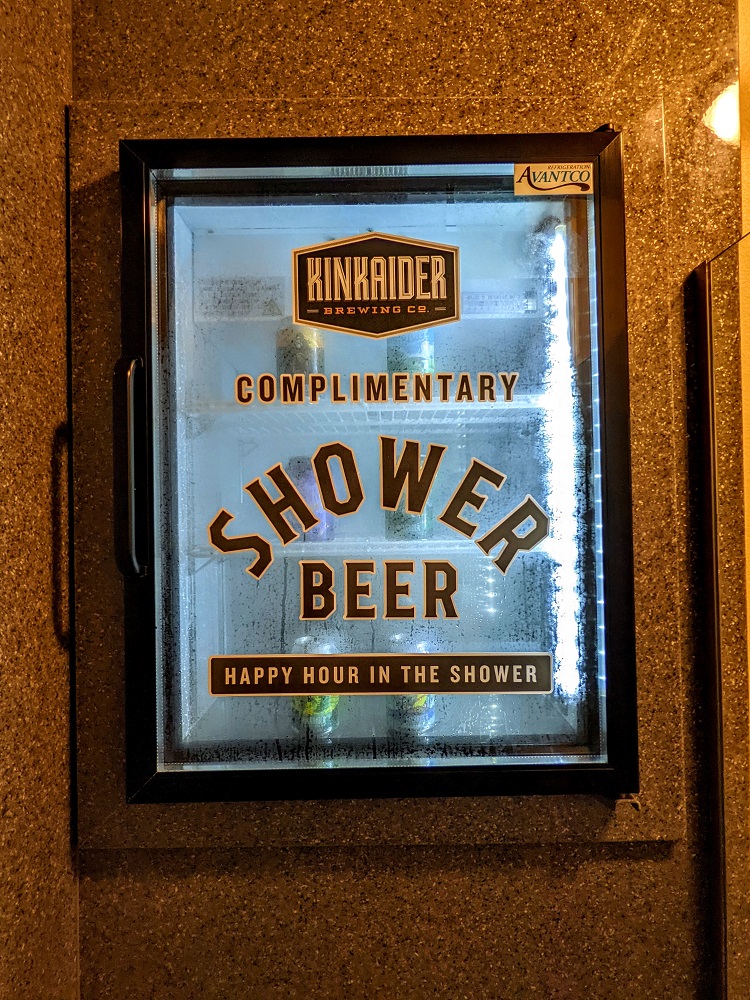
While one half of the traveling pair engaged in a beer-themed cultural immersion at a local brewery, the other participant, Shae Pepper, executed a strategic "Monopoly Board" itinerary. This approach provided a structured method for traversing the city’s socio-economic tiers, from the historically lower-rent districts of the East End to the high-valuation real estate of Mayfair and Park Lane.
The Monopoly Framework for Urban Exploration
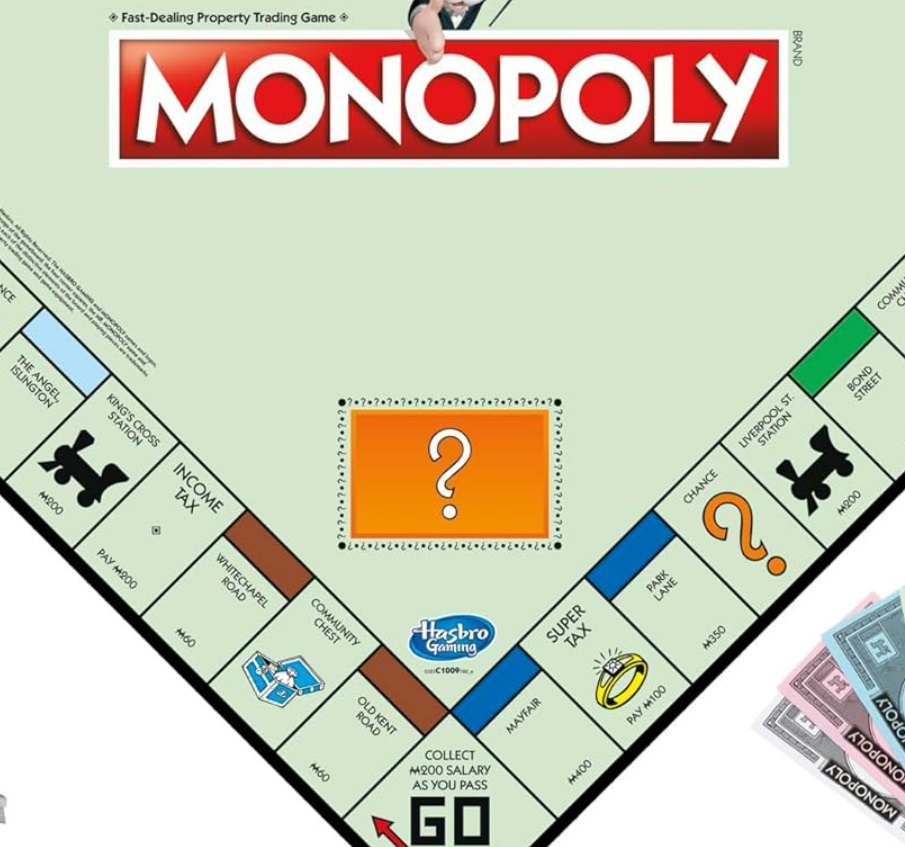
The UK edition of Monopoly, first localized in 1935 by John Waddington Ltd., serves as a historical snapshot of London’s geography. The board is divided into color-coded groups representing different neighborhoods and price points. For the purposes of the challenge, the itinerary was designed to visit at least one location from each color group, along with the four major railway stations and the "Jail" square.
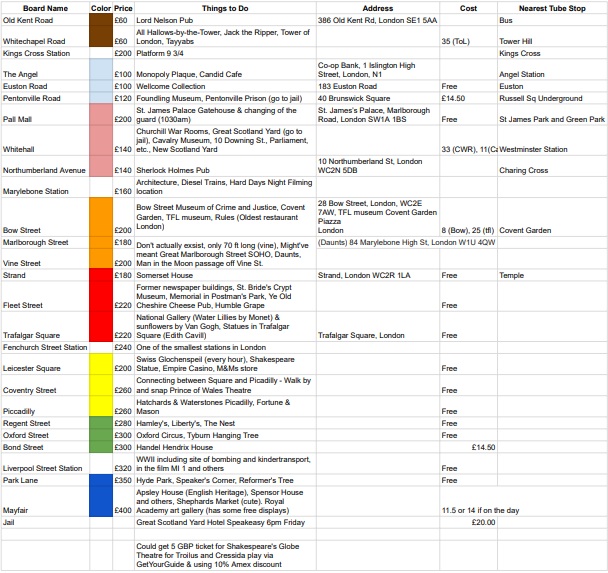
The methodology for the day was governed by two primary constraints: time (a 12-hour window) and budget (minimizing cash outlays to maintain the integrity of the 100K Vacay challenge). This required a sophisticated understanding of Transport for London (TfL) fare structures, including the daily price capping for contactless and Oyster card payments, which limits the cost of unlimited travel within specific zones.
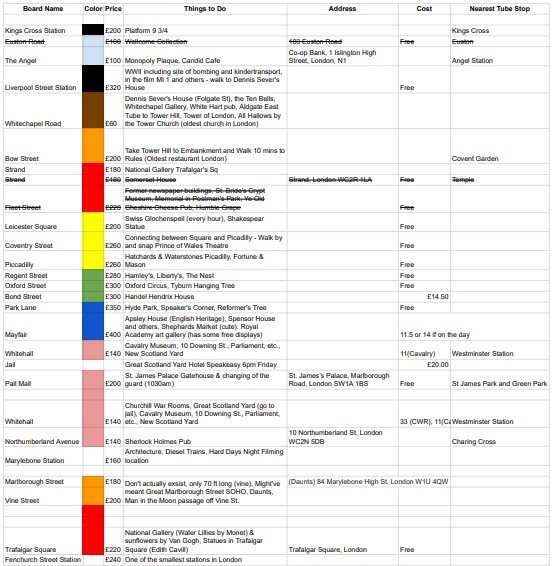
A Chronological Analysis of the 12-Hour Expedition
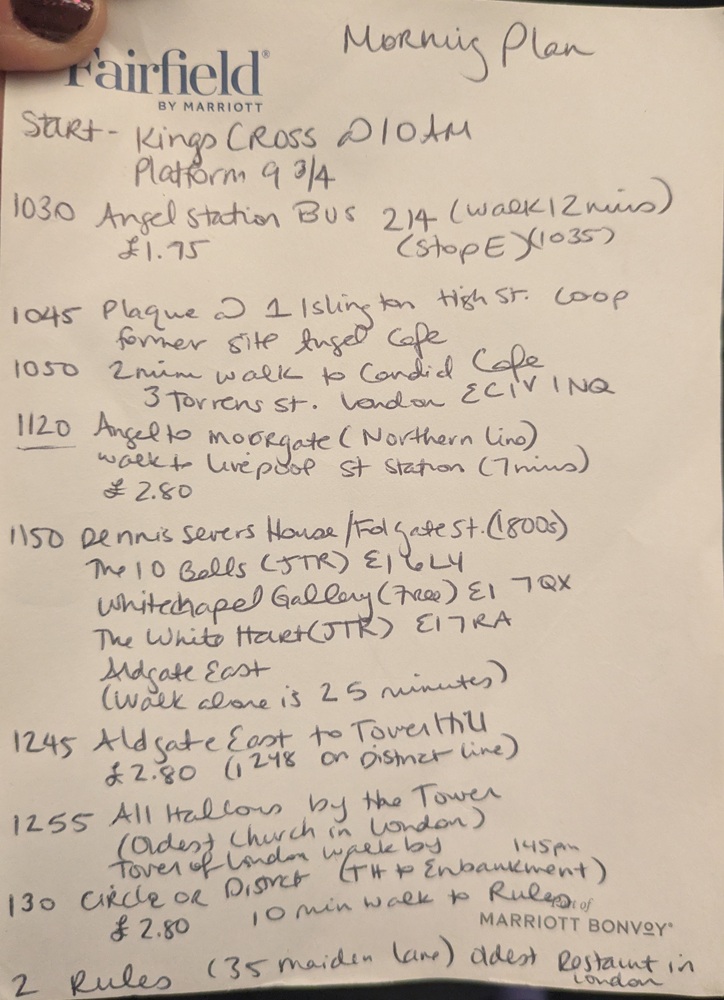
The expedition commenced at 09:10 AM, ahead of the projected schedule, allowing for a more thorough investigation of the selected sites.
Phase I: The Transit Hubs and Light Blue Districts
The journey began at King’s Cross Station, one of the four railway properties on the board. King’s Cross has seen a significant surge in "literary tourism" due to its association with the Harry Potter franchise, specifically Platform 9 ¾. Analysts note that such landmarks act as "gateway sites," drawing visitors who then disperse into the surrounding Islington area.
From King’s Cross, the participant transitioned to the "Light Blue" district, specifically The Angel, Islington. Historically a coaching inn on the Great North Road, The Angel represents the board’s transition from low-tier to mid-tier properties. The itinerary included a failed attempt to locate a specific historical plaque at 1 Islington High Street, highlighting the challenges of urban navigation when searching for minor historical markers.
Phase II: The Brown Tier and East End History
By 11:20 AM, the focus shifted to the "Brown" tier, the lowest-valued properties on the board: Old Kent Road and Whitechapel Road. The participant focused on Whitechapel, a district with significant historical weight. Key stops included:
- The Ten Bells Pub: A site synonymous with the 1888 Jack the Ripper murders.
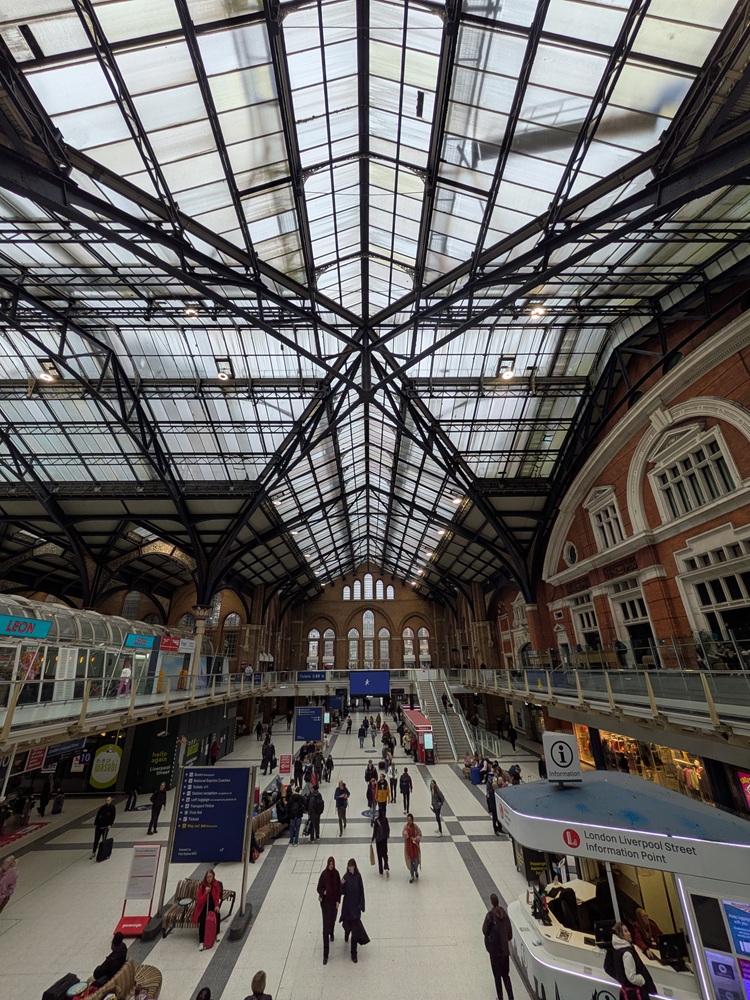
- Liverpool Street Station: A railway hub that serves as a memorial to the Kindertransport, the rescue mission that brought thousands of refugee children to Great Britain from Nazi-controlled territory prior to World War II.
Phase III: The Orange and Red Tiers (Central London)
The midday period was dedicated to the "Orange" and "Red" districts, which represent the commercial heart of the city. A notable logistical choice was dining at Rules on Maiden Lane. Established in 1798, Rules is recognized as the oldest restaurant in London. This choice underscored the challenge’s objective of balancing budget constraints with high-value cultural experiences.
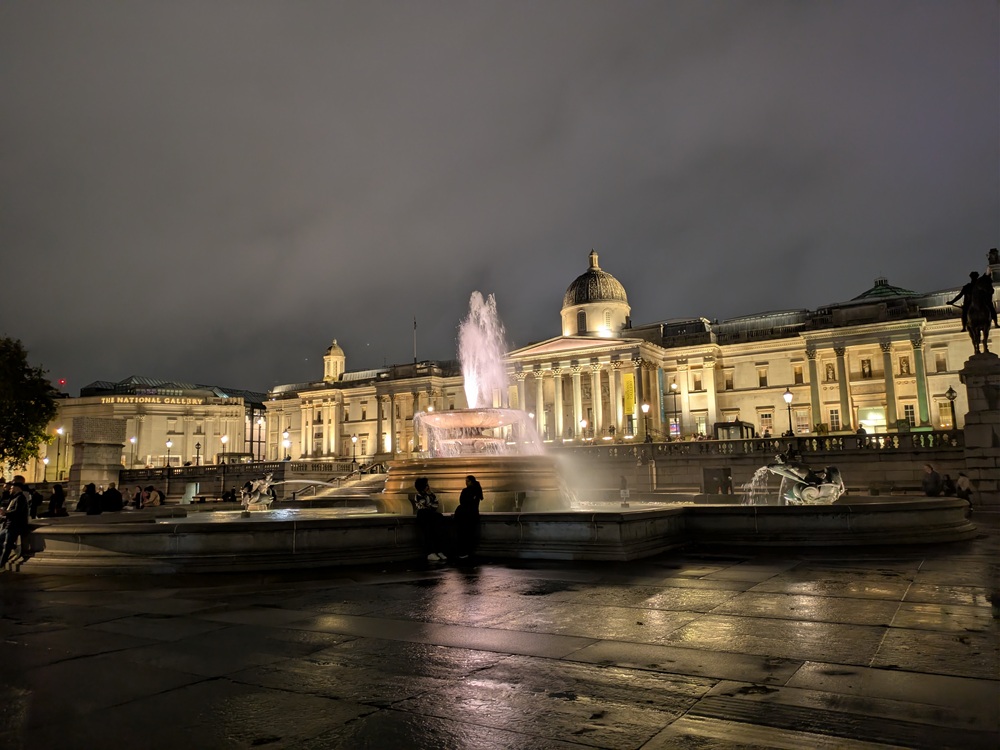
Following lunch, the itinerary moved to the "Red" district, encompassing The Strand, Fleet Street, and Trafalgar Square. A visit to the National Gallery to view Vincent van Gogh’s Sunflowers provided a data point for "free-to-access" high-value tourism, as many of London’s premier museums do not charge for general admission.
Phase IV: The Luxury Tiers and Political Centers
As the expedition entered its final hours, the participant traversed the "Yellow," "Green," and "Dark Blue" districts:
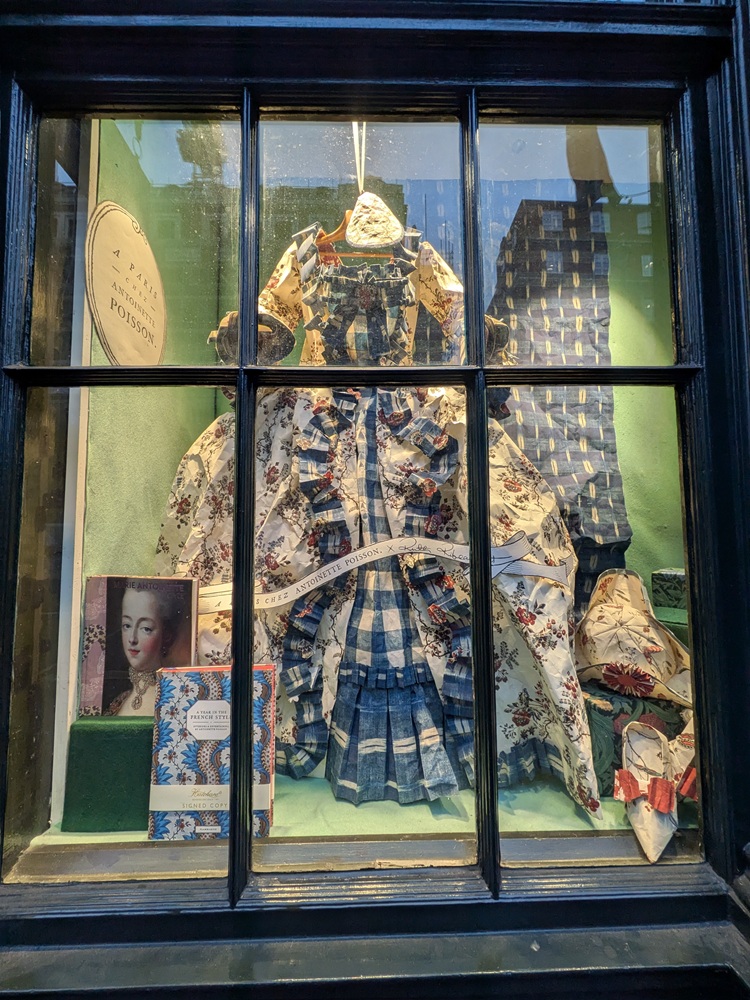
- Yellow (Piccadilly/Leicester Square): Exploration of Hatchards, the UK’s oldest bookstore (est. 1797), and the Swiss Glockenspiel.
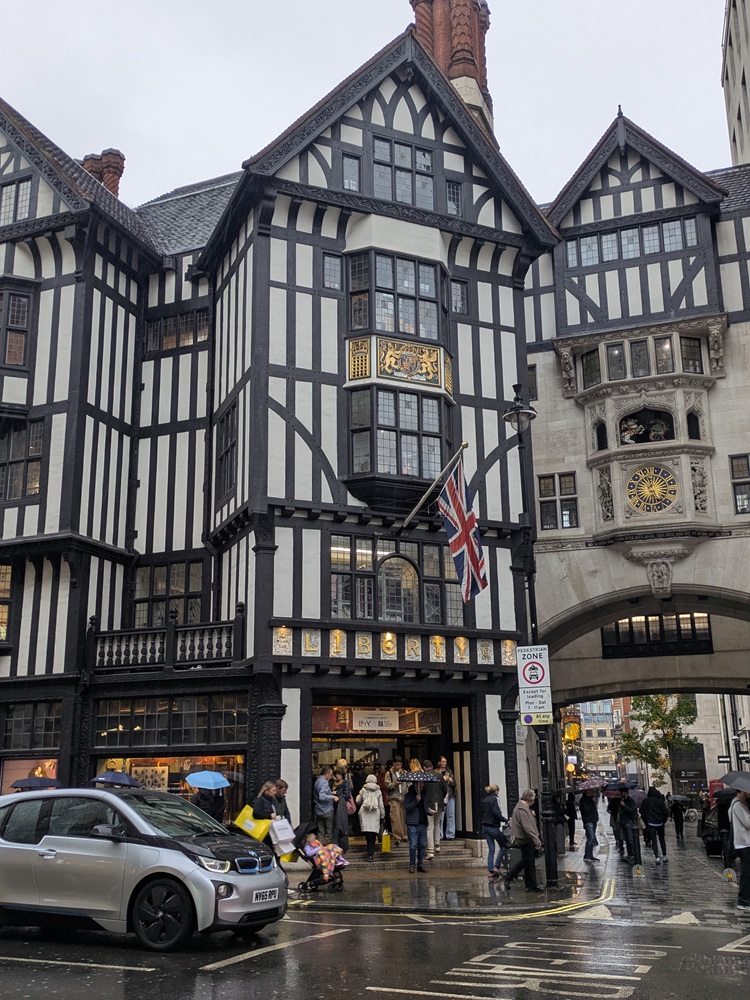
- Green (Regent Street/Oxford Street): A transition through London’s premier shopping thoroughfares, including Liberty London, a Tudor-revival landmark.
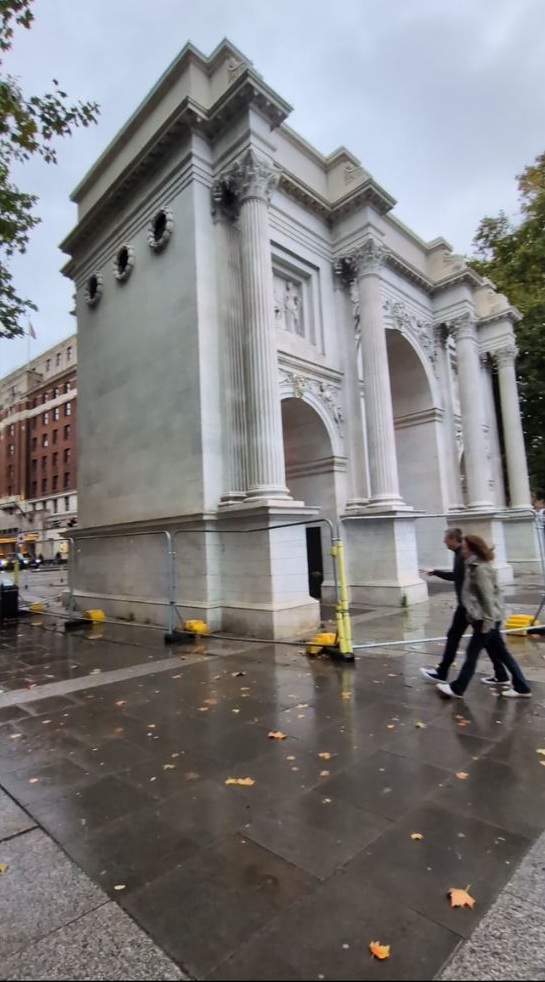
- Dark Blue (Park Lane/Mayfair): The most expensive properties on the board. The participant visited Marble Arch and noted the proximity to high-end hospitality assets, such as the London Hilton on Park Lane.
Logistics and Financial Feasibility
The 12-hour itinerary relied heavily on the efficiency of the London Underground (the Tube) and the bus network. Financial records from the day indicate that the participant spent approximately £15-£20 on transport, staying within the daily cap for Zones 1-2.
A significant "Community Chest" moment occurred when the participant purchased The Big Issue, a street magazine sold by homeless individuals or those at risk of homelessness. This act of social entrepreneurship provided a thematic "Get Out of Jail Free" card, which was later utilized during the visit to New Scotland Yard and the Great Scotland Yard Hotel.
Cultural and Historical Significance of Key Landmarks
The Monopoly-themed route forced an engagement with sites that possess deep historical resonance but are often bypassed by those visiting only the "Big Three" (The Tower of London, Westminster Abbey, and Buckingham Palace).
- The Tyburn Tree: Located near Marble Arch, this site was the primary location for public executions in London for over 600 years. Its inclusion in the itinerary highlights the "Dark Tourism" aspect of London’s history.
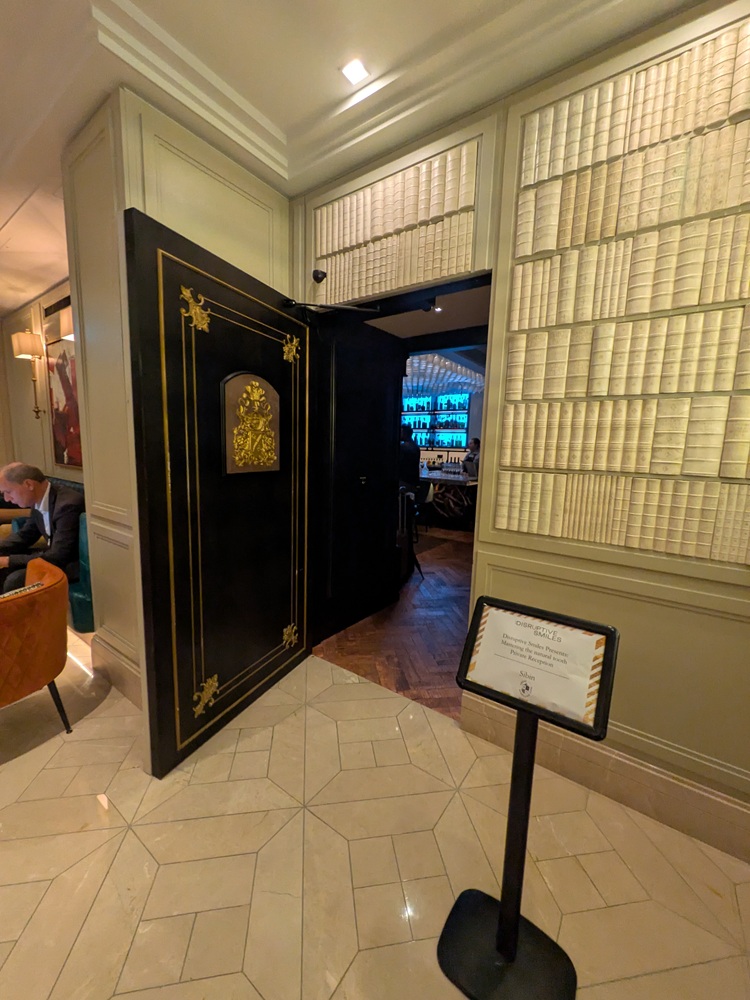
- Great Scotland Yard: Now a luxury Hyatt-branded hotel, the site served as the original headquarters of the Metropolitan Police. The participant’s visit to the "Sibin" speakeasy within the hotel (though closed for a private event) illustrates the adaptive reuse of historical government buildings into commercial hospitality venues.
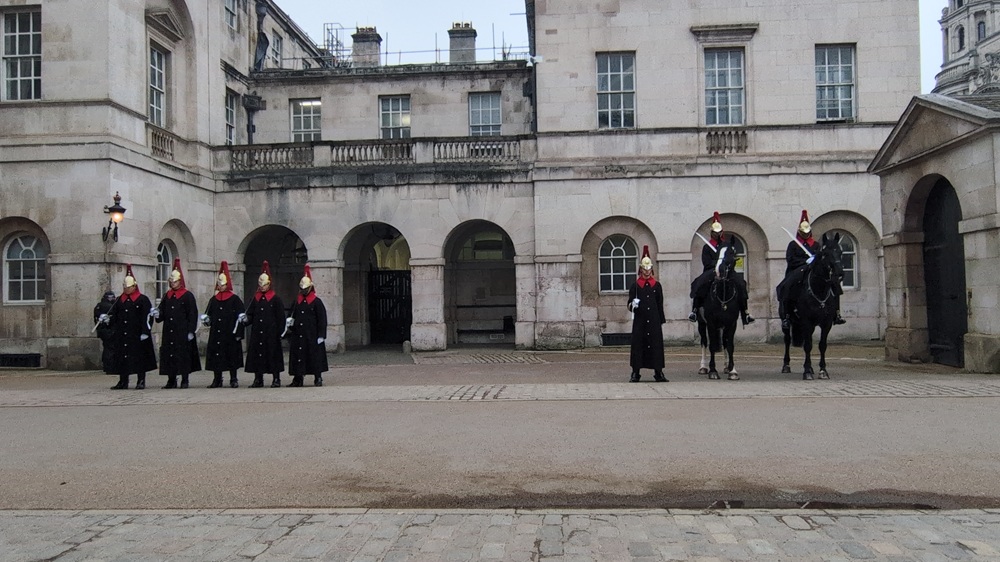
- 10 Downing Street: The visit to the Prime Minister’s residence and the surrounding Whitehall district (the "Pink" tier) connected the board game’s properties to the actual seat of British political power.
Broader Impacts and Industry Implications
The success of the Monopoly-themed London exploration suggests several implications for the future of the travel industry:
- The Rise of Niche Itineraries: Modern travelers are increasingly moving away from standardized tours in favor of personalized, themed "quests." Gamification provides a clear structure for these experiences.
- Economic Resilience of Points-Based Travel: As inflation affects global travel costs, the reliance on loyalty points acts as a hedge against rising prices. The Frequent Miler challenge proves that strategic accumulation and redemption can maintain travel frequency even in a volatile economy.
- Social Media as a Catalyst: The real-time documentation of the journey on platforms like Instagram and YouTube serves as a proof-of-concept for followers, democratizing complex travel hacking techniques.
Conclusion
The 100K Vacay Monopoly challenge serves as a testament to the versatility of urban exploration when guided by a creative framework. By treating the city as a game board, the participants were able to synthesize transport logistics, historical education, and budget management into a cohesive 12-hour narrative. While the day was characterized by adverse weather conditions and unexpected closures—such as the construction at Leicester Square and the private event at the Sibin speakeasy—the exercise successfully mapped the UK Monopoly board onto the reality of 21st-century London. This initiative confirms that for the modern "points traveler," the value of a trip is measured not just in the luxury of the destination, but in the strategic efficiency of the journey.



 Walid Sujud Trenggono
 Anjar Salim
 Chandra Hamzah