
 Gabriela Annisa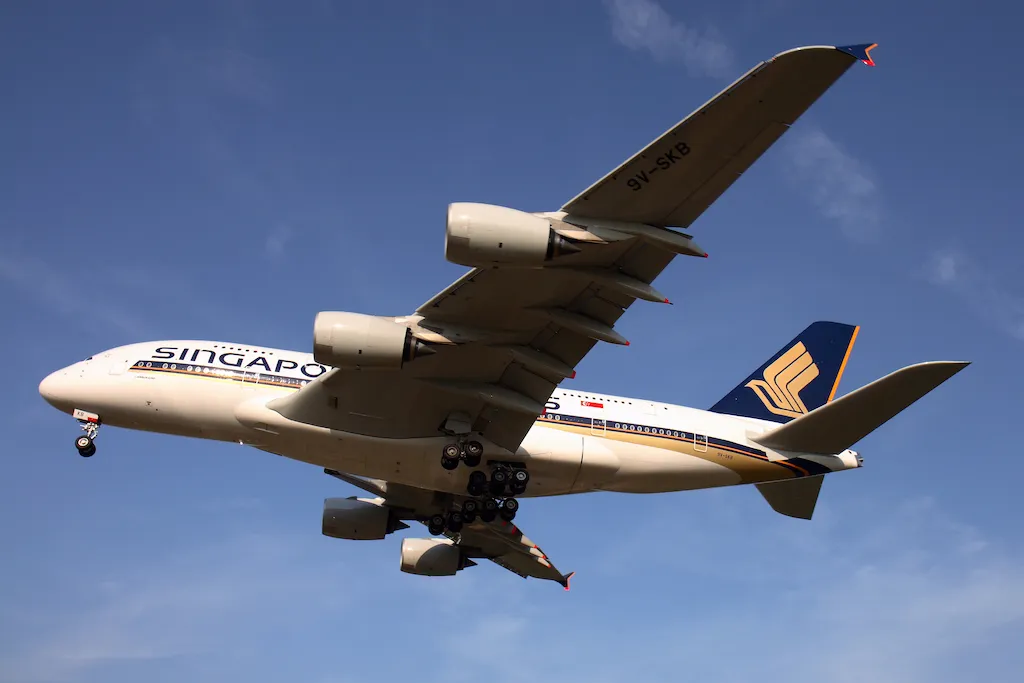
The intricate world of airline finance, often characterized by its volatility and susceptibility to global economic shifts, is currently undergoing a period of significant recalibration and recovery following unprecedented disruptions. As major carriers navigate evolving passenger demands, operational challenges, and a dynamic competitive landscape, detailed financial analysis becomes paramount for understanding their true performance. This ongoing scrutiny is epitomized by discussions surrounding industry leaders like Singapore Airlines (SIA) and the forthcoming annual results from International Airlines Group (IAG), the parent company of British Airways and Iberia. A recent segment from the Airline Weekly Lounge podcast underscored the critical importance of context in evaluating these financial metrics, a principle that resonates across the entire aviation sector.
Singapore Airlines’ Strategic Ascent: Decoding Success Beyond Raw Numbers
Singapore Airlines, a global aviation icon synonymous with premium service and strategic connectivity, has demonstrated a remarkable post-pandemic recovery, attracting significant attention from industry analysts and investors. The Airline Weekly Lounge podcast’s deep dive into SIA’s latest numbers highlights a crucial aspect of financial reporting: the raw figures, while informative, only tell part of the story. Understanding the strategic context behind these numbers is essential for a comprehensive evaluation of success.
Background and Strategic Positioning:
Singapore Airlines operates from its strategically vital hub at Changi Airport, a gateway connecting East and West. Its business model traditionally focuses on long-haul international travel, premium cabins, and a strong commitment to service excellence. This positioning, while highly profitable in stable times, made SIA particularly vulnerable during the global travel shutdown. The airline responded with agility, implementing significant cost-cutting measures, securing substantial government support (including a S$15 billion equity and convertible bond issue), and rapidly adapting its cargo operations to meet surging demand for air freight.
Recent Financial Performance (Inferred Trends):
While specific quarterly figures were not provided in the original brief, SIA’s public filings over the past year indicate a robust return to profitability. For instance, the airline group reported record operating profits in fiscal year 2022/23, driven by a strong rebound in passenger demand across all cabin classes and key geographical markets, particularly in North Asia as borders reopened. Key metrics typically reviewed include:
- Revenue: A significant increase in passenger revenue, often exceeding pre-pandemic levels, due to higher fares and increased traffic. Cargo revenue, while normalizing from its pandemic-era peak, remains a strong contributor.
- Net Profit: A return to substantial net profits, a stark contrast to the losses incurred during the peak of the pandemic.
- Passenger Load Factor (PLF): High load factors, indicating efficient utilization of capacity and strong demand.
- Operating Margin: Improved margins reflecting effective cost management alongside strong revenue generation.
The Indispensable Role of Context:
The podcast’s emphasis on "context is key" for SIA’s success is profound. A headline-grabbing profit figure, while positive, gains true meaning only when viewed against several benchmarks:
- Pre-pandemic Performance: How do current profits compare to 2019 levels? Achieving or surpassing these benchmarks signifies a full recovery and potentially enhanced operational efficiency.
- Competitor Performance: How does SIA’s performance stack up against other major hub carriers in the Asia-Pacific region (e.g., Cathay Pacific, Emirates, Qatar Airways) or premium global airlines?
- Market Conditions: Factors such as fluctuating fuel prices, exchange rate movements (especially the strong Singapore dollar), and geopolitical stability in key markets significantly impact profitability. SIA’s strong financial health has allowed it to better absorb higher operating costs.
- Strategic Investments: The airline has continued to invest in fleet modernization (e.g., new Airbus A350s and Boeing 787s), product enhancements, and digital transformation, all of which incur costs but are crucial for long-term competitiveness. Evaluating if these investments are yielding expected returns is part of the context.
- Government Support Repayment: The ability to repay or redeem government-backed instruments, such as the Mandatory Convertible Bonds, is a strong indicator of financial health and investor confidence. SIA’s early redemption of a portion of these bonds demonstrated its strong liquidity.
Timeline of Recovery and Strategic Milestones:
- Early 2020: Rapid decline in passenger traffic, grounding of most fleet, immediate cost-cutting, and initial capital raising.
- Late 2020 – 2021: Focus on cargo operations, expansion of "flights to nowhere" and other innovative revenue streams, and continued government support. Gradual restoration of limited passenger services.
- 2022: Accelerated restoration of network capacity as travel restrictions eased globally, particularly in Southeast Asia and Europe. Return to profitability in latter half of the year.
- 2023: Strong demand across all segments, record profits, fleet reactivation, and expansion, including the strategic integration of low-cost subsidiary Scoot. Reestablishment of a dominant position in key markets.
- 2024: Continued focus on network expansion, sustainability initiatives (e.g., Sustainable Aviation Fuel investments), and enhancing the customer experience to maintain its competitive edge.
Challenges and Opportunities:
Despite its robust recovery, SIA faces ongoing challenges, including intense competition, potential economic slowdowns in key markets, and the ever-present volatility of fuel prices. Opportunities lie in leveraging its strong brand reputation, expanding its network in high-growth regions, and further digitalizing its operations to enhance efficiency and customer engagement. The airline’s strategic ventures, like its partnership with Tata Sons for Vistara and Air India, also present significant long-term growth prospects in the Indian market.
Anticipating IAG’s Annual Results: A European Giant’s Performance Spotlight
Following the review of Singapore Airlines, the Airline Weekly Lounge podcast turns its attention to the forthcoming annual results from International Airlines Group (IAG), the Anglo-Spanish multinational airline holding company. IAG, a powerhouse in European aviation, owns some of the world’s most recognizable airline brands, including British Airways, Iberia, Aer Lingus, Vueling, and LEVEL. Its annual results provide a critical barometer for the health of the European and transatlantic aviation markets.
Background of IAG and its Diverse Portfolio:
IAG was formed in 2011 through the merger of British Airways and Iberia, later expanding to include Aer Lingus, Vueling (a leading Spanish low-cost carrier), and LEVEL (a long-haul low-cost brand). This multi-brand strategy allows IAG to target different market segments and leverage synergies across its operations. British Airways historically serves as a major global premium carrier from its London Heathrow hub, while Iberia dominates routes between Europe and Latin America from Madrid. Aer Lingus focuses on transatlantic routes from Ireland, and Vueling captures the leisure market across Europe.
Key Metrics and Factors to Watch in IAG’s Annual Results:
Analysts and investors will be keenly observing several key indicators in IAG’s upcoming financial report:
- Group Revenue: A detailed breakdown by airline (British Airways, Iberia, etc.) and by segment (passenger, cargo, ancillary) will reveal which parts of the group are driving growth. Strong demand for transatlantic and Latin American routes, particularly in premium cabins, is expected to be a significant contributor.
- Operating Profit and Net Profit: These figures will indicate the group’s overall profitability, especially after significant losses during the pandemic. The market will look for sustained profitability and an upward trend in operating margins.
- Capacity Restoration: How close is IAG’s overall capacity to pre-pandemic levels? British Airways, in particular, has faced challenges in fully restoring its capacity at Heathrow due to staffing shortages and operational constraints. Iberia, on the other hand, has often outpaced BA in its capacity recovery.
- Unit Revenues (RASK) and Unit Costs (CASK): These metrics provide insight into pricing power and cost efficiency. Rising RASK indicates strong demand and effective revenue management, while controlled CASK (excluding fuel) points to operational efficiencies.
- Cash Flow and Debt Levels: The pandemic significantly increased IAG’s debt. Strong cash flow generation is crucial for debt reduction and funding future investments, including fleet modernization and sustainability initiatives.
- Fuel Costs: Fuel remains a major operating expense. IAG’s hedging strategies and fuel efficiency initiatives will be under scrutiny.
- Outlook and Guidance: IAG’s forecast for the upcoming year, including anticipated capacity, revenue, and profit margins, will be critical for investor sentiment.
Anticipated Performance and Regional Nuances:
Industry trends suggest IAG is likely to report a strong performance, reflecting the broader recovery in international travel, especially in its core markets.
- British Airways (BA): Expected to show significant improvement, particularly in its premium and long-haul segments. However, its recovery might be tempered by ongoing operational challenges at Heathrow and potential labor disputes. The emphasis will be on its ability to maintain its competitive position on lucrative transatlantic routes.
- Iberia: Anticipated to be a star performer, leveraging its robust network to Latin America, a market that has seen strong and sustained demand. Its operational efficiency and Madrid’s less congested hub status often give it an edge.
- Vueling and Aer Lingus: Expected to contribute positively, with Vueling benefiting from strong European leisure demand and Aer Lingus capitalizing on its transatlantic niche.
Statements and Analyst Reactions (Inferred):
Upon the release of IAG’s annual results, financial analysts will likely focus on the group’s ability to maintain strong profitability despite inflationary pressures and rising labor costs. Investor reactions will hinge on whether the results meet or exceed market expectations, particularly concerning debt reduction and future outlook. Positive results could lead to an uptick in IAG’s stock price, signaling renewed investor confidence in its long-term strategy and execution. Conversely, any significant operational misses or cautious guidance could prompt a more subdued response. Management statements are expected to highlight strategic achievements, market positioning, and ongoing efforts to enhance efficiency and sustainability.
The Broader Market Context: Airlines Sector Performance within the Skift Travel 200 (ST200)
The financial performance of individual airlines like Singapore Airlines and IAG is intrinsically linked to broader industry trends, which are comprehensively tracked by indices like the Skift Travel 200 (ST200). This global benchmark provides an invaluable lens through which to understand the health and trajectory of the entire travel sector.
Understanding the Skift Travel 200 (ST200):
The ST200 is a meticulously constructed index that aggregates the financial performance of nearly 200 publicly traded travel companies worldwide. These companies collectively represent over a trillion dollars in market capitalization, encompassing a diverse array of sectors, including airlines, cruise lines, hotels, online travel agencies, tour operators, and other travel-related businesses. Its comprehensive nature makes it an authoritative benchmark for the global travel economy. The ST200 offers a consolidated view, allowing analysts and investors to gauge the overall sentiment and financial vitality of the industry without having to analyze hundreds of individual company reports.
The Airlines Sector within the ST200:
Specifically, the airlines sector within the ST200 provides a focused look at publicly traded carriers, ranging from large network airlines (like SIA, BA, and Iberia) to ultra-low-cost carriers (ULCCs) and regional operators. By compiling their collective year-to-date (YTD) stock index performance, the ST200 offers a real-time snapshot of how the airline industry is perceived by the market and how its valuations are evolving.
Year-to-Date Performance (Inferred General Trends):
Given the strong rebound in global travel demand over the past year, the airlines sector within the ST200 has likely shown a positive year-to-date performance. However, this performance is rarely linear and is subject to various influencing factors:
- Global Travel Demand: The sustained recovery in both leisure and business travel has been the primary driver of positive performance.
- Fuel Prices: While volatile, periods of stable or declining fuel prices can significantly boost airline profitability and, consequently, their stock performance. Conversely, spikes can exert downward pressure.
- Labor Costs and Availability: Rising labor costs and ongoing shortages (pilots, cabin crew, ground staff) have been significant headwinds, impacting operational efficiency and increasing expenses. Airlines that have managed these challenges effectively have generally performed better.
- Operational Resilience: Airlines demonstrating strong operational reliability, fewer cancellations, and smoother passenger experiences tend to be favored by investors.
- Geopolitical Stability: Conflicts or political instability in key regions can disrupt air traffic, reduce demand, and impact fuel prices, thus affecting stock performance.
- Supply Chain Issues: Delays in aircraft deliveries from manufacturers like Boeing and Airbus continue to impact capacity expansion plans and fleet modernization efforts across the industry.
- Inflation and Economic Outlook: Consumer spending power and willingness to travel are closely tied to broader economic health. Persistent inflation or fears of recession can temper future growth expectations.
Methodology and Data Integrity:
The ST200’s robust methodology, which considers market capitalization, liquidity, and other financial parameters, ensures that the index accurately reflects the health of the travel industry. For those seeking deeper insights, accessing the full methodology behind the Skift Travel 200 is crucial for interpreting its data with precision and understanding the weighting and selection criteria for its constituent companies. It allows for a nuanced understanding of why certain companies or sectors might be outperforming or underperforming.
Broader Impact and Implications for the Global Aviation Sector
The performances of Singapore Airlines and IAG, as well as the aggregate trends captured by the ST200 airlines sector, carry significant implications for the global aviation industry.
Market Segmentation and Strategic Divergence:
The success stories of SIA and IAG underscore the effectiveness of different strategic approaches. SIA’s continued focus on premium, long-haul, and a strong hub-and-spoke model caters to a specific segment of travelers willing to pay for quality and connectivity. IAG’s multi-brand strategy allows it to capture both premium (BA, Iberia long-haul) and leisure/value (Vueling, LEVEL) markets, demonstrating adaptability to diverse consumer preferences. The continued success of these models indicates a healthy market for varied airline offerings.
Sustainability as a Growing Imperative:
Both airlines, like the wider industry, are increasingly grappling with the imperative of sustainability. Investments in Sustainable Aviation Fuel (SAF), fleet modernization for fuel efficiency, and carbon offsetting programs are becoming critical not only for environmental stewardship but also for investor appeal and regulatory compliance. The financial implications of these commitments are substantial and will increasingly factor into future performance analyses.
Technological Advancements and Digital Transformation:
The aviation sector is undergoing a profound digital transformation. From enhancing online booking and check-in experiences to leveraging data analytics for operational efficiency and predictive maintenance, technology is reshaping every aspect of airline operations. Airlines that invest wisely in digital platforms and customer-centric technologies are better positioned for future growth and competitive advantage.
Investor Confidence and Future Outlook:
The strong recovery of major airlines instills greater confidence among investors, potentially leading to increased capital inflows into the sector. However, the industry remains susceptible to macroeconomic headwinds. Analysts will continue to scrutinize airlines’ abilities to manage costs, adapt to evolving passenger behavior, and navigate geopolitical uncertainties. The Airline Weekly Lounge podcast, by providing timely analysis, serves as an essential resource for stakeholders to stay abreast of these critical developments.
In conclusion, the detailed review of Singapore Airlines’ robust performance and the anticipation of IAG’s annual results offer a compelling narrative of an industry in dynamic recovery. The emphasis on contextual analysis, as highlighted by industry experts, is crucial for truly understanding the nuances of financial success in aviation. Coupled with the overarching trends revealed by indices like the Skift Travel 200, these insights provide a holistic view of an industry poised for continued evolution, strategic adaptation, and sustained growth, albeit with an ongoing need for vigilance against persistent global challenges.




 Anjar Salim
 Chandra Hamzah
 Budi Mulyono


 Tatiana Tantri Indah Sari