
 Cholid Fahmi Thalib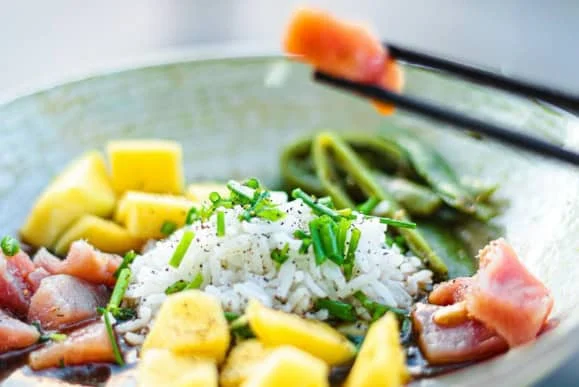
Islands, with their inherent isolation and unique ecosystems, have long captivated the human imagination. Beyond their breathtaking natural beauty, these landmasses often serve as cradles for distinct culinary traditions, shaped by millennia of cultural exchange, agricultural innovation, and the bounty of the surrounding seas. For the discerning traveler, particularly those with a keen interest in gastronomy, islands represent unparalleled opportunities to explore authentic, locally-sourced cuisine that tells the story of their heritage. From the sun-drenched shores of the Caribbean to the remote volcanic landscapes of the Pacific, island destinations offer a rich and varied palette for food lovers seeking memorable gastronomic adventures. This exploration delves into some of the world’s most exceptional island culinary experiences, highlighting the flavors, ingredients, and cultural narratives that define them.
The Vibrant Flavors of the Caribbean: A Symphony of Influences
The Caribbean archipelago is a testament to the power of cultural fusion, where the culinary landscapes are a vibrant mosaic of African, Indigenous Taíno, and European colonial influences. This historical interplay has birthed a cuisine characterized by bold spices, fresh ingredients, and a celebratory approach to food. Whether it’s the fiery kick of Jamaican jerk chicken, the succulent, lightly fried conch fritters of the Bahamas, or the deeply aromatic curry goat found in Barbados, Caribbean dishes are an explosion of flavor that mirrors the region’s rich and often tumultuous past.
Central to the allure of Caribbean cuisine is its unwavering reliance on the freshest local produce and seafood. Fish and shellfish are typically caught daily, arriving at markets and kitchens with unparalleled freshness. These oceanic treasures are often paired with staple sides such as rice and peas, a comforting dish infused with coconut milk and spices, or fried plantains, which offer a delightful balance of sweetness and texture. In island nations like Jamaica and the Turks and Caicos, diners can indulge in premium seafood such as lobster, snapper, and shrimp, prepared using time-honored local methods that emphasize a generous use of aromatic herbs and potent spices like scotch bonnet peppers, allspice, and thyme. The resulting dishes are not merely meals but an immersive sensory experience, reflecting the warmth and spirit of the islands.
Data from the World Travel & Tourism Council indicates that the Caribbean tourism sector, heavily reliant on its culinary appeal, contributes significantly to the region’s GDP, with food and beverage expenditure forming a substantial component of tourist spending. This economic dependency underscores the importance of preserving and promoting these unique gastronomic traditions.
Mediterranean Isles: A Taste of Southern European Abundance
The Mediterranean islands, including Sicily, Sardinia, and Crete, offer a distinct culinary narrative that celebrates the region’s agricultural prowess and its deep connection to the sea. Here, the food philosophy is one of simplicity and purity, allowing high-quality, seasonal ingredients to shine. Staples like sun-ripened tomatoes, fragrant olive oil, robust cheeses, and crisp wines form the foundation of these cuisines, themselves products of centuries of trade and cultural exchange across the Mediterranean basin.
Sicilian cuisine, for instance, is celebrated for its iconic dishes such as Pasta alla Norma, a deceptively simple yet profoundly flavorful pasta dish featuring local eggplants, ripe tomatoes, and the salty tang of ricotta salata. Sardinia, known for its rugged interior, boasts a tradition of hearty meat dishes, particularly slow-roasted pork and lamb, complemented by its distinct and pungent pecorino cheese. On the Greek island of Crete, meals are often communal affairs, featuring mezze platters laden with creamy tzatziki, succulent grilled lamb, and an array of fresh, seasonal vegetables. The common thread across these islands is a commitment to using ingredients at their peak, employing straightforward cooking techniques that enhance natural flavors, and honoring the bounty provided by both the land and the sea.
A 2022 report by the European Food Information Council highlighted that Mediterranean diets, rich in olive oil, fruits, vegetables, and fish, are consistently linked to improved cardiovascular health and longevity, further cementing the global appeal of these island cuisines. The agricultural heritage of these islands is deeply rooted, with many families maintaining generations-old farming practices that ensure the quality and authenticity of their produce.
Southeast Asian Islands: Aromatic Spices and Tropical Sensations
Island destinations in Southeast Asia, such as Bali, Phuket, and the islands of the Philippines, are veritable treasure troves of tropical flavors and exotic spices. The culinary heritage here is a complex tapestry woven from indigenous traditions, centuries of maritime trade, and the lingering influences of colonial powers. This rich history has given rise to a culinary landscape that is both intensely aromatic and remarkably diverse.
In Bali, the Balinese suckling pig, or Babi Guling, is a culinary rite of passage. This slow-roasted delicacy, seasoned with a complex blend of local spices and herbs, is typically served with steamed rice and a side of incredibly crispy skin, offering a textural and flavor contrast that is unforgettable. Thailand’s famed islands are renowned for their world-class street food and restaurant offerings, featuring beloved dishes like Pad Thai, a stir-fried noodle dish bursting with sweet, sour, and savory notes; Tom Yum soup, a hot and sour broth infused with lemongrass, galangal, and chili; and an array of fresh seafood curries, rich with coconut milk and fragrant spices. The Philippines presents its own distinct culinary identity, with dishes like Adobo, a savory stew of chicken or pork braised in vinegar, soy sauce, garlic, and peppercorns, and fresh Lumpia, delicate spring rolls packed with a variety of savory vegetables and meats. The gastronomic offerings of Southeast Asian islands are a vibrant testament to the region’s biodiversity and its ability to transform simple ingredients into extraordinary meals.
The economic impact of food tourism in Southeast Asia is substantial. According to a 2023 UNWTO report, culinary experiences are a primary driver for tourism in many of these nations, with a significant portion of tourist expenditure allocated to food and dining. The region’s commitment to fresh, vibrant ingredients and complex flavor profiles continues to draw millions of visitors annually.
The Galapagos Islands: Sustainable Dining in an Enchanted Realm
The Galapagos Islands, globally celebrated for their unparalleled biodiversity and otherworldly landscapes, are also emerging as a destination for sophisticated and environmentally conscious dining. The islands’ remote location, coupled with a steadfast commitment to sustainable tourism and conservation, has fostered a burgeoning food scene where the freshest seafood and locally sourced ingredients take center stage. This culinary approach is intrinsically linked to the islands’ unique ecological ethos.
A hallmark of the Galapagos dining experience is the emphasis on "ocean-to-table" cuisine. Restaurants, often featuring breathtaking ocean vistas, offer menus that showcase the pristine bounty of the surrounding waters. Diners can savor exquisitely prepared dishes such as succulent lobster, vibrant ceviche, and freshly caught tuna, all while appreciating the commitment to responsible sourcing. The Galapagos National Park Directorate and various conservation organizations work closely with local fishermen and restaurateurs to ensure that seafood is harvested sustainably, minimizing impact on marine ecosystems. This dedication to responsible practices means that enjoying local cuisine in the Galapagos is not only a delicious experience but also a direct contribution to the ongoing conservation efforts that protect this UNESCO World Heritage site.
The sustainable food movement in the Galapagos is not just a trend; it’s a necessity. Studies on the Galapagos marine reserve, one of the largest and most biodiverse in the world, highlight the critical importance of responsible fishing practices to maintain the delicate balance of its ecosystems. Restaurants actively participating in these initiatives often highlight their sourcing practices, providing diners with transparency and a deeper connection to their meal.
Pacific Islands: A Culinary Journey from Polynesia to New Zealand
The vast expanse of the Pacific Ocean is dotted with islands that boast not only pristine beaches and dramatic volcanic scenery but also profound culinary traditions. From the tropical allure of Fiji and Tahiti to the diverse offerings of New Zealand, these islands present a spectrum of flavors deeply rooted in local customs and ancient practices.
In Fiji, the dish known as Kokoda exemplifies the islands’ affinity for fresh seafood. This refreshing raw fish salad is meticulously marinated in citrus juices, then gently tossed with creamy coconut milk, creating a harmonious blend of tangy, sweet, and creamy notes. New Zealand, with its fertile lands and rich pastoral heritage, places a strong emphasis on lamb. The nation’s lamb dishes are renowned for their tenderness, often achieved through slow-cooking methods that infuse the meat with incredible depth of flavor. A truly unique and traditional New Zealand culinary experience is the M?ori hangi, an earth oven feast where meat and vegetables are slow-cooked for hours underground, imbuing them with an unforgettable smoky, earthy essence.
Across these diverse Pacific islands, food is more than sustenance; it is a cultural anchor, a way to connect with the land, the sea, and the ancestral heritage. The emphasis on ingredients such as freshly caught fish, starchy root vegetables like taro and kumara, and an abundance of tropical fruits underscores the intimate relationship island communities share with their natural environment.
Hawaiian Islands: A Fusion of Global Flavors
The Hawaiian Islands present a culinary landscape that is a vibrant testament to the confluence of cultures that have shaped its history. Drawing influences from its Polynesian roots, as well as from American, Asian, and European traditions, Hawaiian cuisine offers a diverse and distinctly island-inspired gastronomic experience. From the ubiquitous poke bowls to the comforting embrace of loco moco, the food scene here is as eclectic as it is captivating.
Poke, a quintessential Hawaiian dish, features cubes of raw fish, typically tuna or salmon, meticulously seasoned with soy sauce, sesame oil, and often seaweed, creating a dish that is both refreshing and deeply flavorful. Loco Moco, a beloved comfort food, is a hearty concoction of steamed rice, a fried egg, and a juicy hamburger patty, all generously smothered in a rich, savory gravy. Hawaiian barbecue, another must-try, showcases tender meats marinated in a signature blend of sweet and savory sauces, grilled to perfection over open flames. The spirit of "aloha," often translated as love and peace, is palpable in Hawaiian cuisine, reflecting the welcoming and communal nature of island life.
Hawaiian cuisine is a remarkable example of culinary adaptation and innovation. The islands’ history as a crossroads for international trade and migration has resulted in a unique fusion of tastes and techniques, creating dishes that are both familiar and entirely new. The popularity of Hawaiian food, from local plate lunches to sophisticated farm-to-table restaurants, underscores its enduring appeal.
Conclusion: Islands as Culinary Epicenters
Island destinations worldwide offer some of the most compelling and memorable culinary experiences available. From the bold, spicy profiles of the Caribbean to the elegantly simple, ingredient-driven cuisines of the Mediterranean, and the sustainably sourced delights of the Galapagos, each island presents a unique gastronomic narrative. The isolation that defines these landmasses has fostered distinct culinary identities, shaped by local ingredients, historical influences, and a deep connection to the natural environment.
Whether one is exploring the bustling food markets of Southeast Asia, indulging in traditional feasts on Pacific islands, or savoring the innovative fusion flavors of Hawaii, island dining is an integral and enriching aspect of any travel adventure. These destinations serve as living laboratories of culinary tradition, where the freshest ingredients are transformed through time-honored techniques and cultural reverence into dishes that tell a story. For the intrepid traveler and the dedicated foodie alike, the world’s islands represent an inexhaustible source of delicious discovery, promising unforgettable meals that linger long after the journey has ended. The ongoing evolution of island cuisines, often incorporating modern culinary trends while honoring heritage, ensures that these gastronomic paradises will continue to captivate and delight for generations to come.




 Anjar Salim
 Chandra Hamzah
 Gabriela Annisa
 Susilo Edi Turonggo
 Tatiana Tantri Indah Sari
 Hendra Ismail