Gabriela Annisa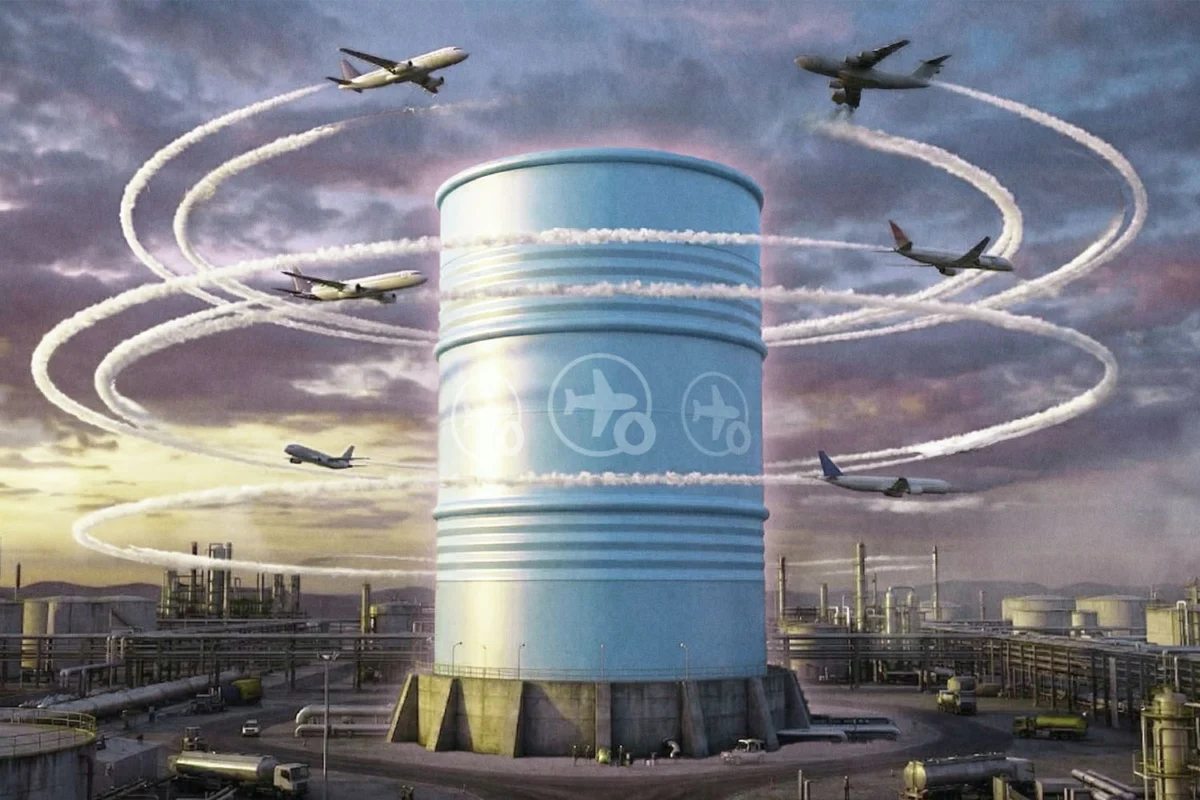
The aviation industry is currently grappling with a formidable challenge as jet fuel prices have surged past the critical $4 per gallon mark, leading to a significant escalation in operating costs for U.S. airlines during the first quarter. This sharp increase, reminiscent of past periods of market volatility, is putting immense pressure on carriers’ bottom lines. However, a robust rebound in passenger demand, coupled with strategic fare adjustments and the successful diversification of revenue streams—ranging from lucrative loyalty programs to expanded premium seating options—is providing a crucial buffer, helping airlines to absorb a substantial portion of this cost burden. The current landscape presents a high-stakes race for carriers: the ability to sustain revenue growth at a pace that can match or even outstrip the relentless rise in fuel expenses will dictate financial performance as the industry navigates into the second quarter and beyond.
The Volatile Nature of Jet Fuel and Its Economic Significance
Jet fuel, primarily a highly refined form of kerosene, represents one of the largest and most volatile operating expenses for airlines, typically accounting for 25% to 35% of a carrier’s total costs. Its price is intrinsically linked to global crude oil markets, which are influenced by a complex interplay of geopolitical events, supply and demand dynamics, currency fluctuations, and refining capacities. A sustained period of high fuel prices can erode profit margins, force fare increases, and impact strategic decisions regarding fleet modernization and route expansion. Historically, aviation has been acutely sensitive to energy market shocks, with past spikes leading to bankruptcies, mergers, and significant operational restructuring. The current "frenzy" is not an isolated incident but rather the latest chapter in a long history of the industry’s dance with energy market volatility.
Background: A Confluence of Factors Driving the Surge
The current escalation in jet fuel prices stems from a multifaceted global scenario. Following the significant downturn during the initial phases of the global pandemic, which saw demand plummet and oil prices briefly turn negative, the world economy has embarked on a recovery trajectory. This recovery, however, has been uneven and fraught with new challenges. On the supply side, the Organization of the Petroleum Exporting Countries and its allies (OPEC+) have maintained a cautious approach to increasing output, prioritizing market stability and higher prices over rapid production hikes. This deliberate constraint on supply has kept crude oil benchmarks elevated.
Simultaneously, geopolitical tensions in key oil-producing regions and major transit routes have introduced a substantial risk premium into the market. Disruptions, or even the threat of disruptions, to oil flows can send immediate shockwaves through futures markets. Furthermore, global refining capacity has struggled to keep pace with the resurgent demand for refined products like jet fuel and diesel. Years of underinvestment in new refinery projects, coupled with the permanent closure of some facilities during the pandemic, have created bottlenecks. Refineries operate at near maximum utilization, yet the specific crack spreads for jet fuel have widened, indicating robust demand for the refined product itself, even beyond the general crude oil price increases. This combination of constrained crude supply, geopolitical instability, and limited refining capacity has created a perfect storm, pushing jet fuel prices to levels not seen in years.
A Chronology of Escalation: Tracing the Price Ascent
The journey towards the $4 per gallon threshold for jet fuel has been a gradual yet relentless ascent over the past several months, culminating in the sharp increases observed in the first quarter. The initial signs of upward pressure emerged in the latter half of the previous year, as global economies began to reopen more broadly and travel restrictions eased, unleashing pent-up demand. Crude oil prices, which had been recovering steadily from their pandemic lows, accelerated their rise, breaching significant psychological and technical resistance levels.
By late last year, benchmark crude oil contracts like Brent and WTI were consistently trading at elevated levels, driven by a combination of tighter OPEC+ supply management and increasing global consumption. The impact on jet fuel began to become more pronounced as the new year commenced. Analysts noted a distinct upward trend in the cost of aviation turbine fuel (ATF) in January, which continued unabated through February and into March. Specific market events, such as unexpected inventory drawdowns in major economies, further exacerbated the situation. For instance, reports from the U.S. Energy Information Administration (EIA) detailing lower-than-expected stockpiles of distillates (which include jet fuel) often triggered immediate price reactions. The final push past the $4 mark per gallon occurred as the first quarter drew to a close, solidifying the challenging cost environment for airlines and setting the stage for potentially higher operating expenses in the subsequent quarters if trends persist. This chronological progression highlights a market responding dynamically to supply-demand imbalances and external shocks.
Quantifying the Financial Impact on U.S. Airlines
The financial ramifications of jet fuel breaching $4 per gallon are substantial for U.S. carriers. For an industry where fuel typically constitutes one-quarter to one-third of total operating costs, a significant price surge directly translates into billions of dollars in added expenses annually. For major airlines, a one-cent increase in the price of jet fuel per gallon can equate to tens of millions of dollars in additional costs over a year. With the current spike, the aggregate increase in Q1 costs across the U.S. airline sector is estimated to be in the high hundreds of millions, if not billions, compared to prior periods of lower fuel prices.
To illustrate, consider a large airline consuming approximately 4-5 billion gallons of jet fuel annually. A sustained $1 per gallon increase in price would result in an additional $4-5 billion in fuel expenditure over a year, assuming no hedging or other mitigation strategies. While the current increase is not a sudden $1 jump from a baseline, the cumulative effect of the ascent to $4 per gallon from, say, a $2.50-$3.00 average, has a profound impact on quarterly financial statements. Airlines often report fuel costs as a separate line item, making this impact transparent to investors.
Many airlines employ fuel hedging strategies to mitigate volatility. These involve financial instruments like options and futures contracts to lock in a price for a portion of their future fuel consumption. However, the effectiveness of hedging varies. Some carriers may have a significant percentage of their fuel hedged at more favorable prices, providing a temporary shield. Others, particularly those with more aggressive growth strategies or less conservative hedging policies, might be more exposed to the spot market price increases. The percentage of hedged fuel can range from zero for some U.S. carriers to over 50% for others, creating a diverse landscape of financial exposure across the industry. Airlines that are less hedged are more immediately impacted by the current market prices, forcing them to adjust fares or cut capacity more aggressively.
Strategic Countermeasures: Robust Demand and Diversified Revenues
Despite the significant headwind from fuel costs, U.S. airlines are demonstrating remarkable resilience, largely due to two critical factors: persistently strong passenger demand and increasingly diversified revenue streams.
Unwavering Passenger Demand: The post-pandemic travel rebound has been more robust and sustained than many industry observers initially predicted. Pent-up demand for leisure travel, particularly for international destinations, continues to drive strong bookings. Business travel, while recovering at a slower pace, is also steadily returning, adding to the overall traffic volumes. This high demand allows airlines greater pricing power, enabling them to implement fare increases to offset a portion of the rising fuel costs. Dynamic pricing models, which adjust ticket prices based on real-time demand, seat availability, and competitor pricing, are being utilized effectively to maximize revenue from every flight.
Expanding Ancillary Revenue Streams: A fundamental shift in airline business models over the past two decades has been the strategic development of ancillary revenues. These non-ticket income sources have become crucial profit centers and a significant buffer against external shocks.
- Loyalty Programs: Airlines have significantly monetized their loyalty programs. The sale of miles to co-branded credit card partners is a massive revenue generator, often contributing billions annually to major carriers. These programs offer a stable, high-margin revenue stream that is largely decoupled from the day-to-day operational costs of flying. For instance, a major U.S. airline might generate over $5 billion annually from its loyalty program, a substantial portion of which comes from credit card partnerships.
- Premium Seating: The expansion of premium cabin offerings—ranging from first and business class to economy plus or extra-legroom seats—has proven highly profitable. Passengers are increasingly willing to pay a premium for enhanced comfort, service, and amenities, especially on longer flights. These higher-yield seats provide disproportionately higher revenue per square foot of cabin space compared to standard economy seats.
- Baggage Fees and Other Charges: Fees for checked baggage, seat selection, priority boarding, and in-flight services (Wi-Fi, food, entertainment) collectively contribute a significant percentage to an airline’s overall revenue. These charges, while sometimes unpopular with consumers, are critical for maintaining profitability in a high-cost environment. In some cases, ancillary revenues can represent 20-30% of an airline’s total revenue.
- Cargo Operations: While not a primary focus for all passenger airlines, cargo operations have seen a resurgence in profitability, particularly during and after the pandemic, due to disruptions in global supply chains and high demand for air freight. For carriers with dedicated cargo divisions or belly cargo capacity, this provides an additional revenue stream.
Operational Efficiencies and Fleet Modernization: Beyond revenue strategies, airlines continue to invest in operational efficiencies. This includes modernizing fleets with more fuel-efficient aircraft, optimizing flight paths to minimize fuel burn, reducing aircraft weight, and implementing advanced data analytics to improve operational planning. While these measures offer incremental savings, they are crucial components of a holistic strategy to combat high fuel prices.
Industry Reactions and Analyst Perspectives
The rising fuel costs have naturally prompted responses from key stakeholders within the aviation sector. Airline executives, while acknowledging the challenging environment, generally express cautious optimism, emphasizing the robust demand and the effectiveness of their revenue diversification strategies. A hypothetical statement from a major U.S. airline CEO might read: "We are closely monitoring the persistent volatility in jet fuel prices, which undeniably impacts our cost base. However, the unprecedented strength of consumer demand, coupled with our strategic investments in loyalty programs and premium products, provides us with the financial flexibility to manage these pressures effectively. Our focus remains on operational excellence and delivering value to our customers, even in this high-cost environment."
Industry analysts largely concur with the airlines’ assessment of their improved resilience. Many point out that the current generation of airlines, having undergone significant restructuring and consolidation over the past two decades, are far better equipped to handle fuel price shocks than their predecessors. "Airlines have fundamentally transformed their business models," noted a leading aviation analyst from a major investment bank. "They’ve moved away from being purely commodity players, leveraging brand loyalty, data analytics, and a diverse suite of revenue generators. This structural change means that while fuel remains a major cost, it no longer dictates profitability with the same absolute power it once did. The ability to pass on costs through higher fares, combined with robust ancillary income, makes them far more robust."
However, some consumer advocacy groups have voiced concerns regarding the upward trend in airfares, arguing that it disproportionately affects budget-conscious travelers and could hinder the accessibility of air travel. "While airlines boast about their profits, it’s the everyday traveler who ultimately bears the brunt of these fuel increases through higher ticket prices and additional fees," stated a representative from a consumer rights organization.
Broader Implications and Future Outlook
The "Jet Fuel Frenzy" has broader implications beyond the immediate financial health of airlines. Economically, rising airfares contribute to inflationary pressures, impacting overall consumer spending and potentially slowing down the tourism sector. Increased costs for air cargo also ripple through global supply chains, affecting the prices of imported and exported goods.
Environmentally, the renewed focus on fuel efficiency and cost management indirectly reinforces the industry’s drive towards sustainability. While the immediate concern is financial, the long-term solution to fuel price volatility lies in the adoption of Sustainable Aviation Fuels (SAF). These alternative fuels, derived from various feedstocks like used cooking oil, agricultural waste, or even CO2, offer significant reductions in lifecycle carbon emissions. However, SAF currently represents a tiny fraction of total fuel consumption, primarily due to high production costs and limited availability. The current fuel crisis could intensify the pressure on governments and industry to accelerate SAF production and infrastructure development, viewing it not just as an environmental imperative but also as an energy security strategy.
Looking ahead to Q2 and beyond, the delicate balance between soaring fuel costs and robust revenue growth will continue to be the central theme. Key factors to watch include:
- Global Crude Oil Prices: Continued geopolitical stability or escalation, along with OPEC+ production decisions, will heavily influence the baseline cost of crude.
- Economic Growth and Consumer Confidence: A potential economic slowdown or recession could dampen travel demand, eroding airlines’ pricing power and making it harder to pass on fuel costs.
- Airline Capacity Discipline: Airlines’ willingness to manage capacity effectively will be crucial. Over-saturating routes could lead to fare wars, undermining revenue strategies.
- SAF Development: Any breakthroughs or significant scaling in SAF production could offer a long-term solution to fuel price volatility and environmental concerns.
In conclusion, the aviation sector finds itself in a precarious yet resilient position. The surge in jet fuel prices is a formidable challenge, demanding strategic agility and financial discipline. While strong demand and diversified revenue streams currently provide a critical safety net, the long-term sustainability of current profit levels hinges on the industry’s ability to navigate the complex dynamics of global energy markets while continuing to innovate in operational efficiency and sustainable fuel solutions. The race is indeed high-stakes, with the balance potentially tipping based on how these various forces evolve in the coming quarters.




 Anjar Salim
 Chandra Hamzah
 Tatiana Tantri Indah Sari
 Budi Mulyono