Tatiana Tantri Indah Sari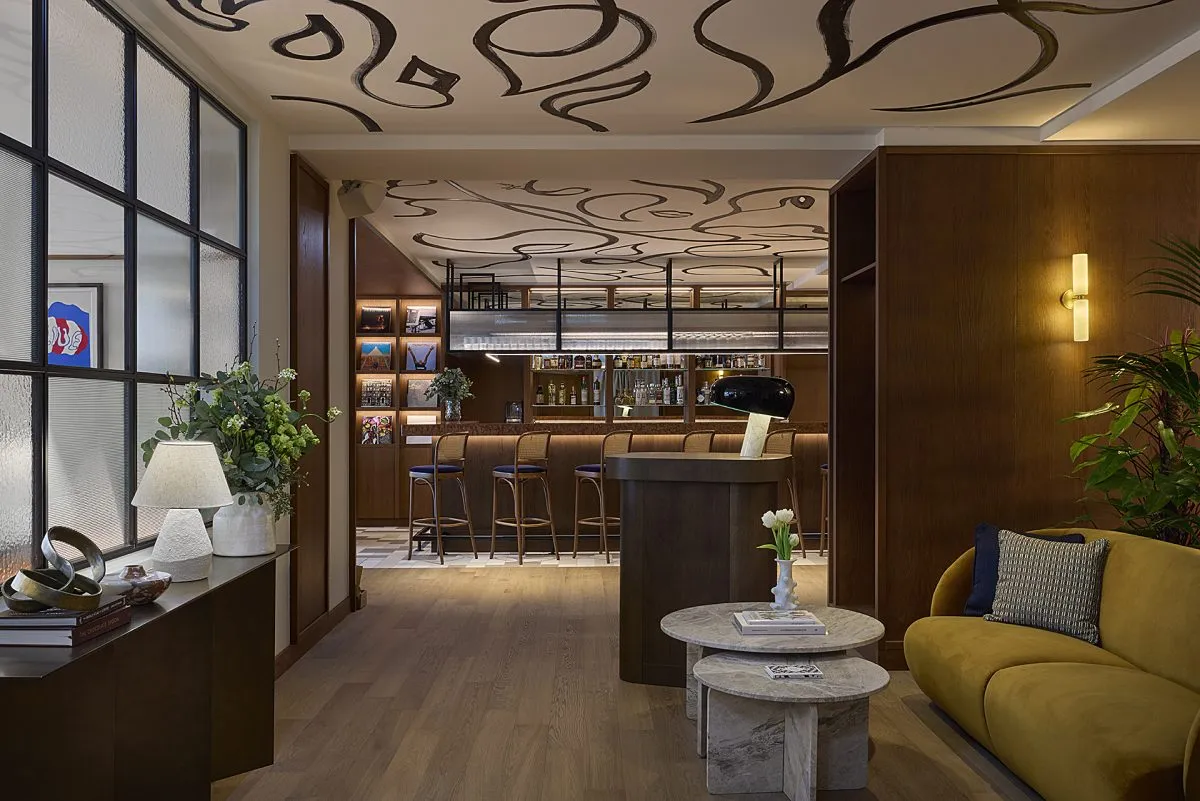
InterGlobe-owned European hotel brand Miiro is implementing a strategic pause in its aggressive expansion plans, signaling a deliberate shift from rapid growth to a concentrated focus on enhancing guest experience and fostering long-term loyalty. This decision comes after an intense 18-month period that saw the lifestyle hotel brand launch six properties across key European cities, a trajectory described by the company as a "fast forward." The immediate objective of this hiatus is to ensure that guests are not merely visiting, but are genuinely inclined to return, a critical metric for sustainable success in the competitive hospitality sector.
A Strategic Pivot in European Hospitality
The announcement, confirmed by Neena Gupta, CEO of Miiro Hotels, to Skift, states that "No new openings are planned until at least the end of 2027." This definitive halt marks a pivotal moment for a brand that had been on an accelerated path since its inception. Miiro’s sixth and most recent property, Miiro Spittelberg in Vienna, opened its doors on April 1st, completing a remarkable sprint that established a six-property European presence in under two years. The current portfolio spans prestigious locations including Paris, Barcelona, London, Gstaad in Switzerland, and two distinct properties in Vienna. The company is actively considering new markets like Hamburg and Prague for future expansion post-2027, which would signify entry into additional European countries. Gupta, while acknowledging the pace, emphasized that "There hasn’t been a race to do this," suggesting a calculated strategy rather than a hurried scramble for market share.
The InterGlobe Vision: From Aviation to European Lifestyle Hotels
Miiro Hotels is a venture of InterGlobe Enterprises, an Indian conglomerate with a diverse portfolio best known as the parent company of IndiGo, India’s largest airline. InterGlobe’s foray into the European hospitality market with Miiro reflects a broader strategic diversification and a recognition of the burgeoning lifestyle hotel segment. For years, InterGlobe has demonstrated a keen ability to identify and capitalize on high-growth industries, applying its operational prowess and customer-centric approach to new sectors. The decision to launch Miiro in Europe, a mature yet dynamic hospitality landscape, underscored a confident ambition to carve out a niche in a highly competitive market dominated by established global players.
The lifestyle hotel concept, which Miiro embodies, has seen explosive growth globally over the past decade. These hotels are characterized by their unique design, emphasis on local culture, vibrant social spaces, and a more personalized, experiential stay compared to traditional full-service hotels. They typically target a demographic of modern, independent travelers who value authentic experiences, design aesthetics, and a sense of community. This segment has consistently outperformed traditional hotel categories in terms of growth rates and RevPAR (Revenue Per Available Room) in many urban markets, driven by changing traveler preferences, particularly among millennials and Gen Z. InterGlobe’s strategic entry into this segment positioned Miiro to tap into this robust demand.
Eighteen Months of Accelerated Growth: Miiro’s Inaugural European Sprint
The period between late 2022 and early 2024 witnessed Miiro’s rapid unveiling of its initial properties, an aggressive expansion strategy designed to quickly establish brand recognition and a significant footprint across key European capitals and leisure destinations. Each opening was carefully selected to align with the brand’s ethos of offering authentic, locally inspired experiences in vibrant urban centers or unique resort settings.
- Initial Launch (Late 2022/Early 2023): The first Miiro properties likely opened in high-demand cities, capitalizing on the post-pandemic travel resurgence. These initial launches served as crucial testaments to the brand’s operational model and design philosophy.
- Mid-2023 Expansion: Subsequent openings broadened the geographical reach, introducing the Miiro experience to more diverse markets. The rapid succession of these launches required significant coordination in terms of site acquisition, design, construction, staffing, and marketing.
- Miiro Spittelberg, Vienna (April 1, 2024): The opening of the second property in Vienna, specifically Miiro Spittelberg, marked the culmination of this initial sprint. Its addition brought the total to six hotels, solidifying a presence in a city renowned for its culture and tourism. The portfolio now boasts properties in iconic cities like Paris, a global hub for luxury and tourism; Barcelona, a vibrant Mediterranean metropolis; London, a perennial top-tier global city; and Gstaad, a prestigious Swiss alpine resort, offering a blend of urban and leisure destinations.
This concentrated period of growth was undoubtedly resource-intensive, requiring substantial capital investment, a nimble development team, and a robust talent acquisition strategy to staff multiple new hotels simultaneously. The choice of locations—all prime European destinations—also indicates a high-value strategy, aiming for markets with strong tourism fundamentals and high average daily rates (ADR).
The Rationale Behind the Pause: Prioritizing Guest Loyalty and Operational Excellence
Miiro’s decision to pause further expansion is not an admission of struggle but rather a strategic recalibration, a mature response to the complexities of scaling a premium lifestyle brand. CEO Neena Gupta’s assertion that "There hasn’t been a race to do this" underscores that the initial rapid rollout was part of a calculated first phase, and the pause constitutes the next, equally deliberate, phase.
The primary driver for this hiatus is to "make sure guests actually want to come back." This statement encapsulates a fundamental principle of sustainable hospitality: repeat business and brand loyalty are far more valuable than one-off transactions. Acquiring new customers is significantly more expensive than retaining existing ones. A positive guest experience, leading to repeat visits and favorable word-of-mouth recommendations, builds a strong brand reputation and a resilient customer base. Rapid expansion, while effective for market penetration, can sometimes strain operational consistency, potentially leading to varied guest experiences across properties if not meticulously managed.
During this pause, Miiro will likely focus on several critical areas:
- Standardizing Operational Protocols: Ensuring that the Miiro experience is consistently delivered across all six properties, from check-in to F&B, housekeeping, and guest services. This involves refining standard operating procedures (SOPs) and implementing robust quality control measures.
- Gathering and Analyzing Guest Feedback: Deep diving into guest reviews, surveys, and direct feedback to identify areas for improvement and innovation. This data-driven approach is crucial for fine-tuning the product and service offering.
- Enhancing Brand Identity and Storytelling: Further embedding the unique Miiro brand identity into each property, ensuring that while each hotel has its local flavor, the overarching Miiro ethos is palpable and consistent. This includes refining marketing messages and digital presence.
- Optimizing Revenue Management and Distribution: Leveraging data from the initial operating period to refine pricing strategies, channel management, and promotional activities to maximize profitability from the existing portfolio.
- Strengthening Internal Systems and Talent Development: Investing in staff training, leadership development, and robust back-office systems to support future growth and ensure a high-performing team.
Navigating a Dynamic European Hospitality Landscape
Miiro’s strategic pause also comes at a time when the European hospitality market is undergoing significant shifts. Post-pandemic recovery has been robust, with leisure travel bouncing back strongly, but challenges remain. Inflationary pressures have increased operational costs, from energy to food and labor. Labor shortages continue to plague the industry, making it difficult to maintain service standards.
According to data from Eurostat and various hospitality analytics firms, European hotel occupancy rates largely recovered to pre-pandemic levels by late 2023, with ADRs often exceeding 2019 figures due to demand and inflation. However, the competitive landscape is fiercer than ever. Major global hotel groups like Marriott, Accor, Hilton, and IHG are all heavily invested in the lifestyle segment, either through new brands or acquisitions. Smaller, independent boutique hotels also present stiff competition, offering unique, localized experiences.
In such an environment, merely opening hotels is not enough; sustained success hinges on differentiating the product, delivering exceptional value, and cultivating a loyal customer base. Miiro’s pause allows it to consolidate its position, refine its offering, and emerge stronger for the next phase of expansion, armed with proven operational models and a clearer understanding of guest preferences. This strategy aligns with industry best practices that advocate for periods of consolidation after rapid growth, allowing companies to build a strong foundation before embarking on further expansion.
Internal Focus: What Happens During the Hiatus
The period until late 2027 will be one of intense internal development for Miiro. Beyond the aforementioned operational standardization and guest feedback analysis, several other areas will likely receive significant attention:
- Technology Integration and Data Analytics: Investing in advanced property management systems (PMS), customer relationship management (CRM) tools, and data analytics platforms to gain deeper insights into guest behavior, operational efficiency, and market trends. This data will be crucial for personalized marketing, dynamic pricing, and informed decision-making.
- Talent Development and Retention: In an industry grappling with labor shortages, Miiro will likely focus on robust training programs, career development pathways, and employee engagement initiatives to attract and retain top talent. A highly motivated and skilled workforce is essential for delivering a consistent, high-quality guest experience.
- Sustainability Initiatives: With growing consumer awareness and regulatory pressures, integrating sustainable practices into operations will be a priority. This could include energy efficiency upgrades, waste reduction programs, sourcing local and ethical products, and achieving relevant certifications. Such initiatives not only contribute to environmental responsibility but also enhance brand appeal among conscious travelers.
- Brand Experience Refinement: This includes evolving the design language, curating unique local experiences within each hotel, enhancing F&B offerings, and developing engaging programming that resonates with the lifestyle traveler. The goal is to make each Miiro property a destination in itself, not just a place to sleep.
- Financial Optimization: Streamlining procurement, managing costs, and optimizing revenue streams from ancillary services will be key to improving profitability across the existing portfolio. This financial stability will provide a strong base for future expansion.
Industry Reactions and Broader Implications
Industry analysts and hospitality experts are likely to view Miiro’s strategic pause as a prudent and mature business decision. Rapid expansion often brings with it the risk of "growing too fast, too thin," where resources are stretched, quality control falters, and brand equity is diluted. A pause allows for a necessary period of introspection and refinement.
- A Prudent Move for Sustainable Growth: Many successful hotel groups have historically implemented similar strategies, alternating between periods of aggressive expansion and consolidation. This cyclical approach helps ensure that growth is sustainable and does not compromise brand integrity or operational quality.
- Lessons for Other Expanding Brands: Miiro’s move could serve as a case study for other rapidly expanding lifestyle brands, highlighting the importance of balancing growth ambitions with a steadfast commitment to guest experience and operational excellence. In a market increasingly saturated with new brands, quality often trumps sheer quantity.
- Impact on the Lifestyle Segment: While Miiro’s pause doesn’t signal a slowdown in the overall lifestyle segment, it underscores the evolving demands within it. Travelers in this segment are discerning; they seek authenticity, seamless service, and a strong sense of place. Brands that fail to consistently deliver on these promises risk losing out. Miiro’s focus on repeat guests is a direct response to these evolving expectations.
Looking Beyond 2027: Miiro’s Future Trajectory
While the immediate focus is on consolidation, Miiro’s long-term vision for expansion remains intact. The mention of Hamburg and Prague as potential future locations indicates a continued interest in key European urban centers with strong tourism fundamentals and economic vitality.
- Strategic Market Scouting: During the pause, the development team will likely engage in extensive market research, feasibility studies, and site identification for the next wave of expansion. This allows for a more considered and strategic approach to market entry, ensuring that future properties are in locations that align perfectly with the Miiro brand and offer strong returns.
- A Refined Growth Model: The next phase of expansion, post-2027, will likely be informed by the lessons learned during the initial sprint and the subsequent consolidation period. It may involve a more measured pace, potentially focusing on clusters of properties in specific regions or a phased entry into new countries, allowing for more localized support and brand integration.
- Diversified Growth Avenues: Beyond new builds, Miiro might also explore opportunities for conversions of existing properties or management contracts, which can offer faster market entry and potentially lower capital expenditure.
Conclusion: A Foundation for Enduring Success
Miiro Hotels’ decision to press the pause button on new openings is a testament to a strategic vision that prioritizes long-term brand health over short-term market share. By dedicating the next few years to consolidating its existing European footprint, refining its guest experience, and strengthening its operational backbone, Miiro is not retreating but rather preparing for a more robust and sustainable future. This strategic pivot positions the InterGlobe-backed brand to emerge from its hiatus as a more refined, resilient, and guest-centric player in the highly competitive European lifestyle hotel market, ready to build an enduring legacy based on quality and loyalty.


 Anjar Salim
 Chandra Hamzah
 Budi Mulyono