Anjar Salim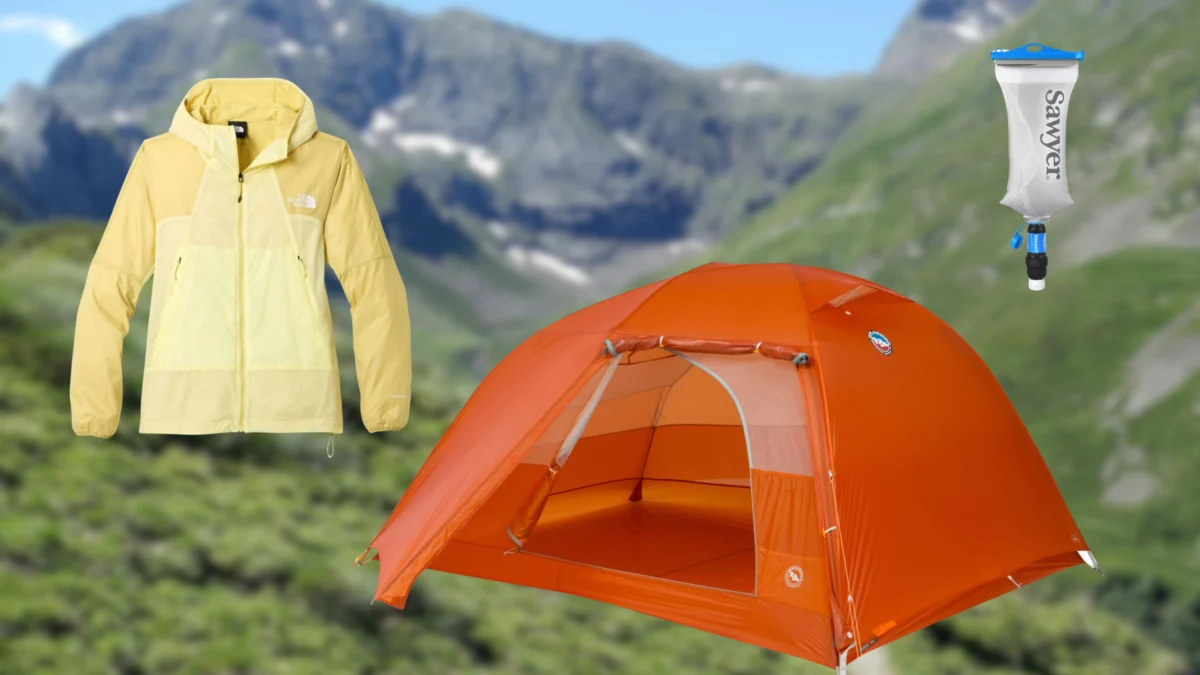
The landscape of wilderness exploration is undergoing a significant transformation as the 2026 backpacking season commences, marked by a departure from the traditional "heavy pack" philosophy that has dominated the hobby for decades. For years, the standard approach to backcountry preparation involved hauling substantial rucksacks designed to accommodate every possible contingency, often resulting in base weights—the weight of a pack excluding consumables like food, water, and fuel—exceeding 20 to 25 pounds. However, a new category of "ultralight curious" gear is emerging, bridging the gap between traditional heavy-duty equipment and the extreme, often Spartan, world of minimalist thru-hiking. This shift is driven by rapid advancements in textile technology and a growing consumer demand for comfort that does not come at the expense of physical well-being.
The Evolution of the Ultralight Market
The concept of ultralight (UL) backpacking traditionally refers to a base weight of under 10 pounds, while "lightweight" is categorized as under 20 pounds. In the past, achieving these metrics required significant sacrifices, such as sleeping on thin foam pads or using floorless tarps. By April 2026, however, the outdoor industry has successfully integrated high-performance materials—such as ultra-high-molecular-weight polyethylene and advanced denier nylons—to create gear that maintains the "creature comforts" of traditional equipment at a fraction of the weight.
Market analysts note that the "ultralight curious" demographic represents the fastest-growing segment of the outdoor retail sector. These are hikers who seek to reduce their physical strain and increase their daily mileage without committing to the extreme measures of "gram-counting" aficionados, such as cutting toothbrushes in half or forgoing camp shoes. The goal for this new era of hikers is a balanced kit that weighs approximately nine to ten pounds, offering a modern backpacking experience without compromise.
A Chronology of Innovation: The 2026 Gear Cycle
The current gear landscape was largely shaped by key industry events earlier this year. In February 2026, several major manufacturers launched their spring lines, prioritizing thermal efficiency and weight reduction. This was followed by the Outdoor Manufacturers Association (OMA) Show in March 2026, where brands like Exped and Big Agnes showcased prototypes that emphasized the "ultralight curious" philosophy.
During the OMA Show, industry leaders highlighted a move toward multi-purpose gear. The trend focuses on items that serve dual roles—such as jackets that act as both windbreakers and insulation, or trekking poles that double as tent supports—thereby reducing the total number of items a hiker must carry.
Technical Analysis of the 2026 Essential Kit
To understand the impact of these innovations, one must examine the specific components that allow for a nine-pound base weight. The transition from a traditional 22-pound setup to a modern nine-pound kit involves a systematic replacement of the "Big Three": the pack, the sleep system, and the shelter.
Advanced Pack Architecture: The Gossamer Gear Gorilla 50
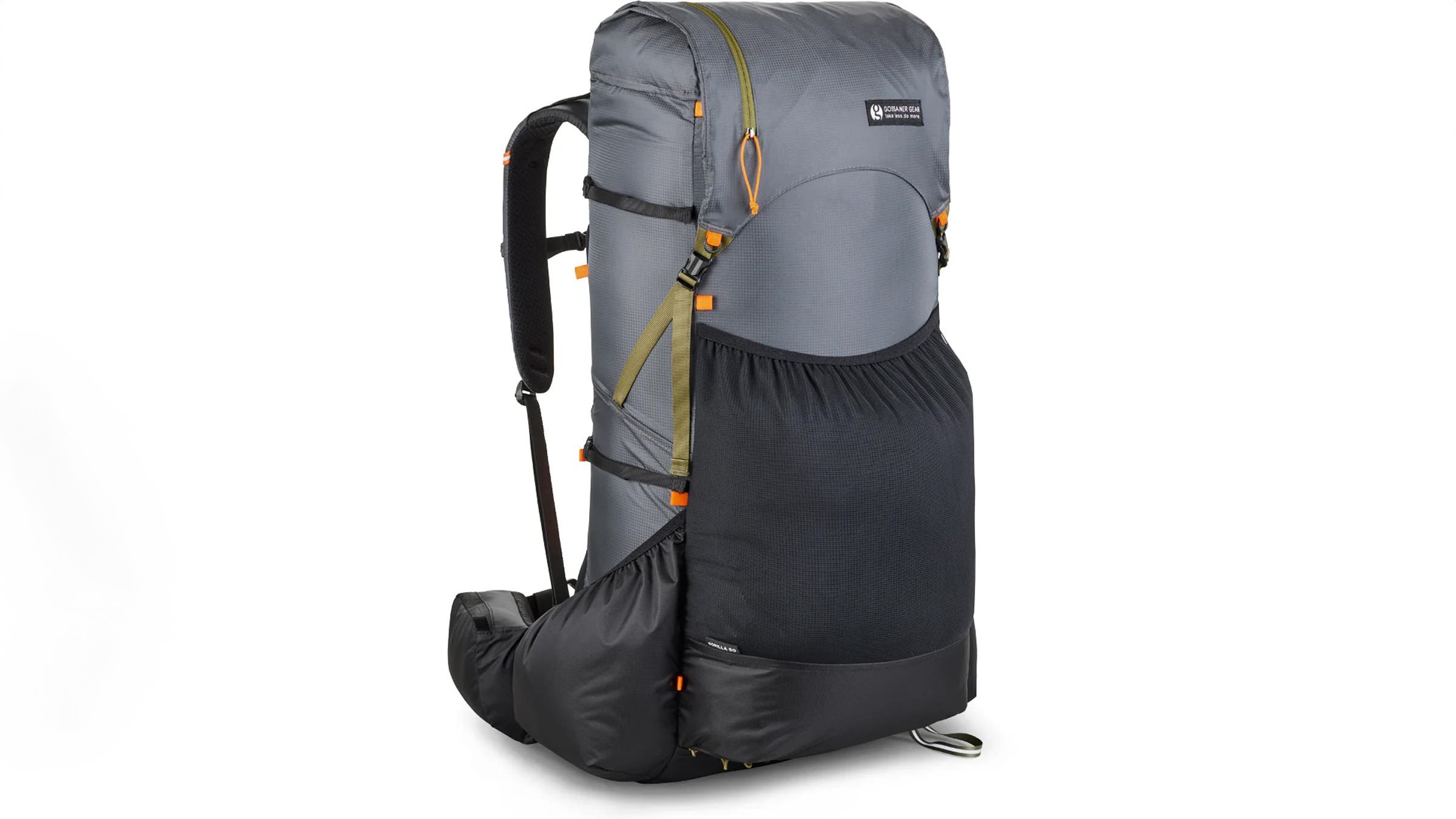
A centerpiece of the 2026 ultralight movement is the Gossamer Gear Gorilla 50. Weighing only 31.2 ounces, it represents a nearly 50% weight reduction compared to standard 50-liter frame packs. The technical distinction lies in the fabric; the Gorilla utilizes a 100-denier (100D) nylon compared to the 210D or 420D fabrics found in heavier rucksacks. While 100D is thinner, modern weaving techniques have improved its puncture resistance, making it viable for rugged terrain. The inclusion of a lighter aluminum frame and a removable hip belt provides modularity, allowing hikers to customize the pack’s weight based on the length of their trek.
Thermal Efficiency in Sleep Systems: Zenbivy and Exped
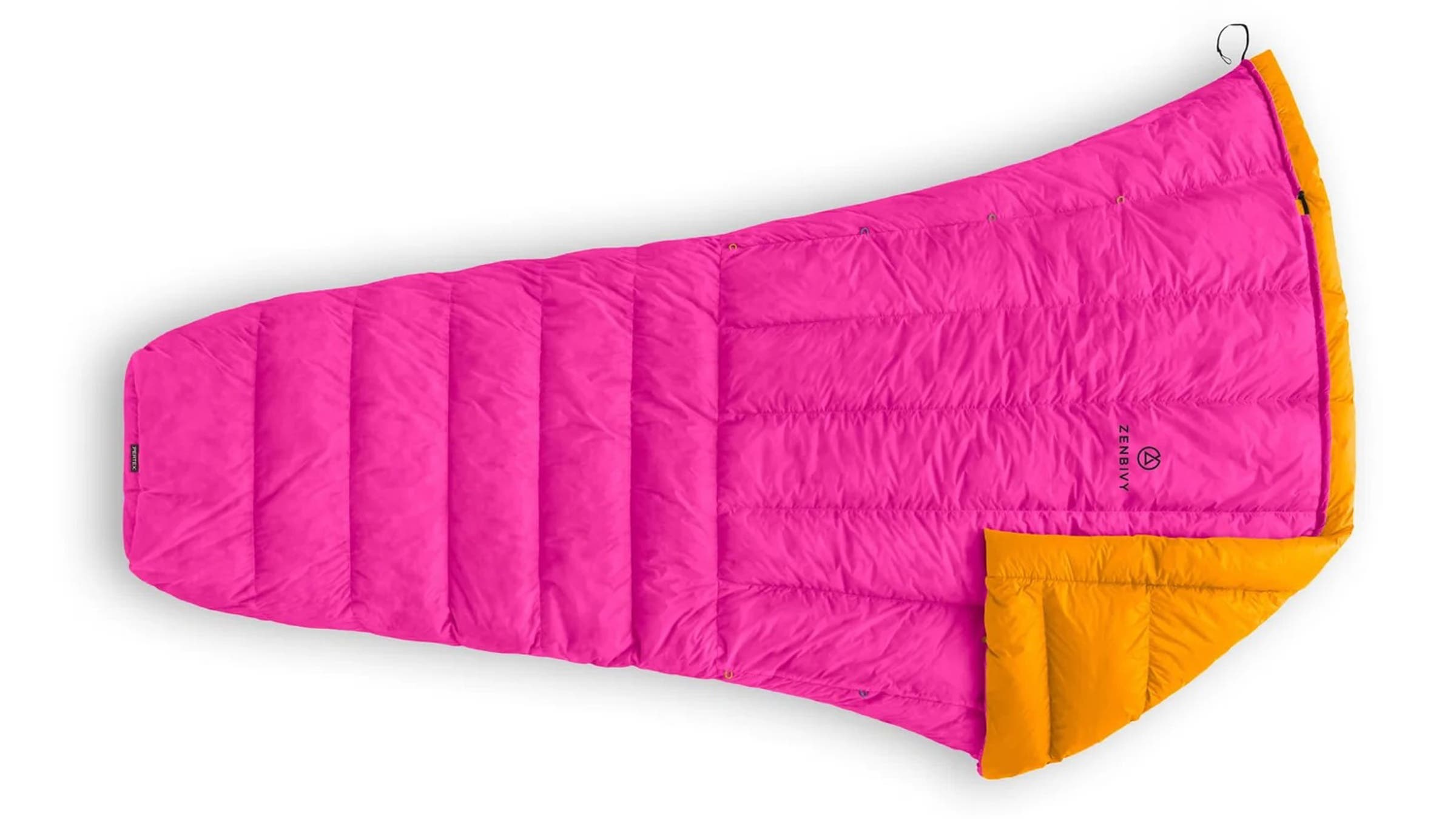
The sleep system has seen the most drastic weight shavings. The Zenbivy Ultralight Quilt, which ranges from 16 to 33 ounces depending on temperature ratings, has largely replaced the traditional mummy bag for many enthusiasts. By utilizing 950+ fill power down—the highest quality down available in 2026—the quilt provides a superior warmth-to-weight ratio. Unlike mummy bags, quilts eliminate the bottom layer of insulation, which is typically compressed and rendered ineffective by the sleeper’s weight, relying instead on a high-R-value sleeping pad for ground insulation.
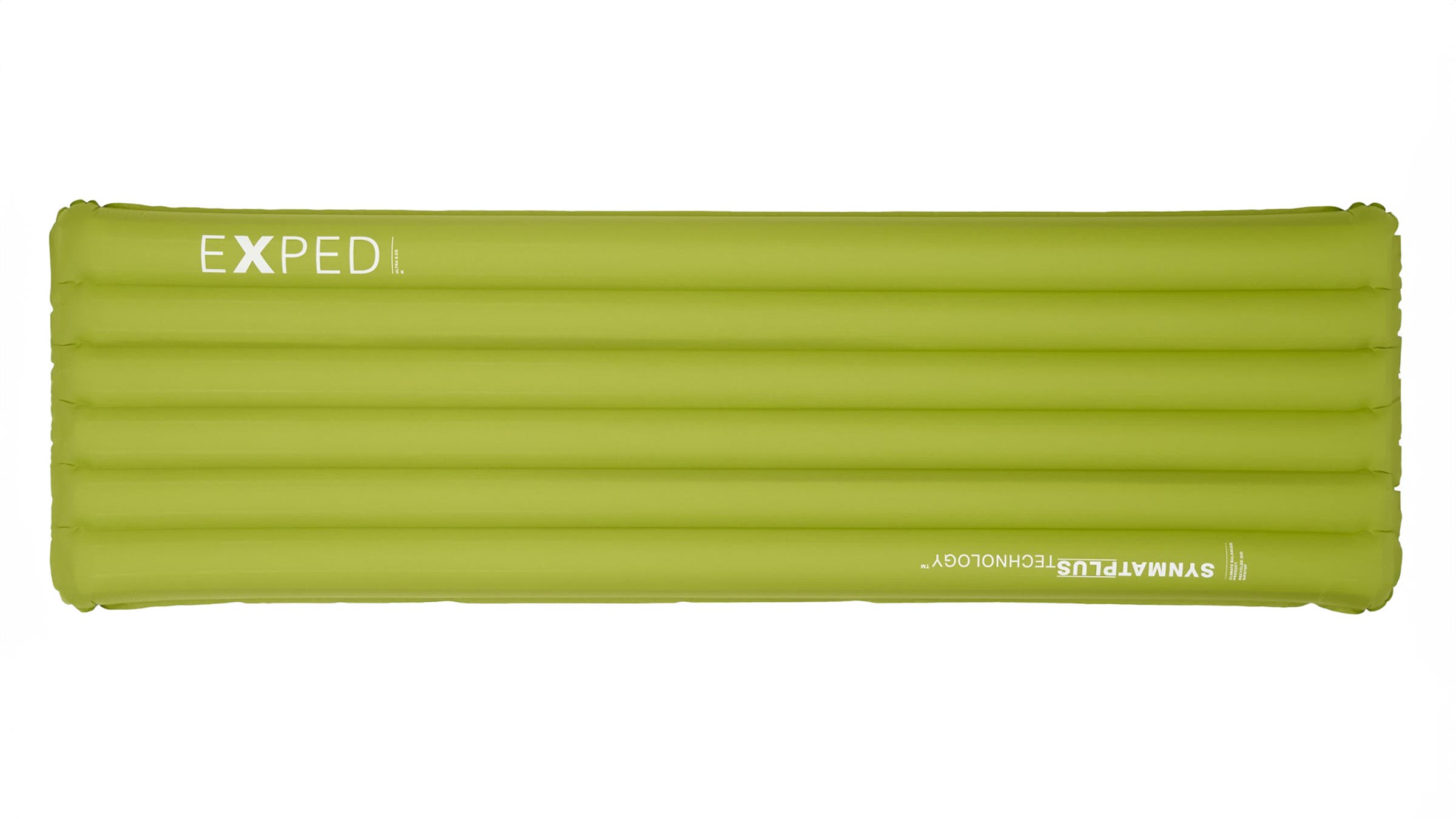
In February 2026, Exped released the Ultra 6.5R Sleeping Pad, a product that exemplifies the current market trend. With an R-value of 6.9, it offers extreme cold-weather protection while weighing only 16 ounces. This is an improvement over previous models, such as the Dura 3R, which was nine ounces heavier and significantly less insulating. The pad packs down to the size of a one-liter bottle, a metric that has become a benchmark for modern gear.
Shelter Dynamics: The Big Agnes Copper Spur UL3
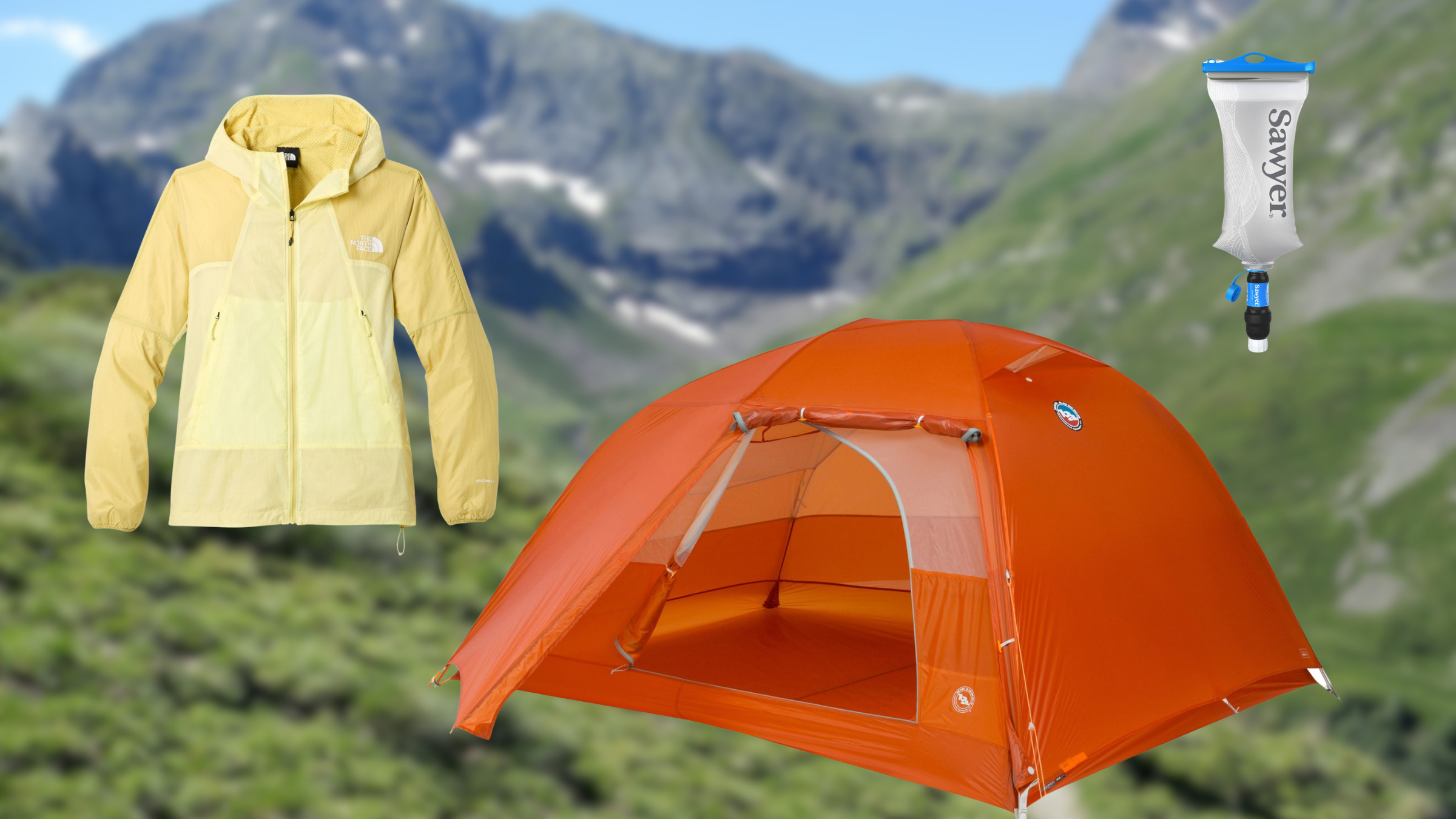
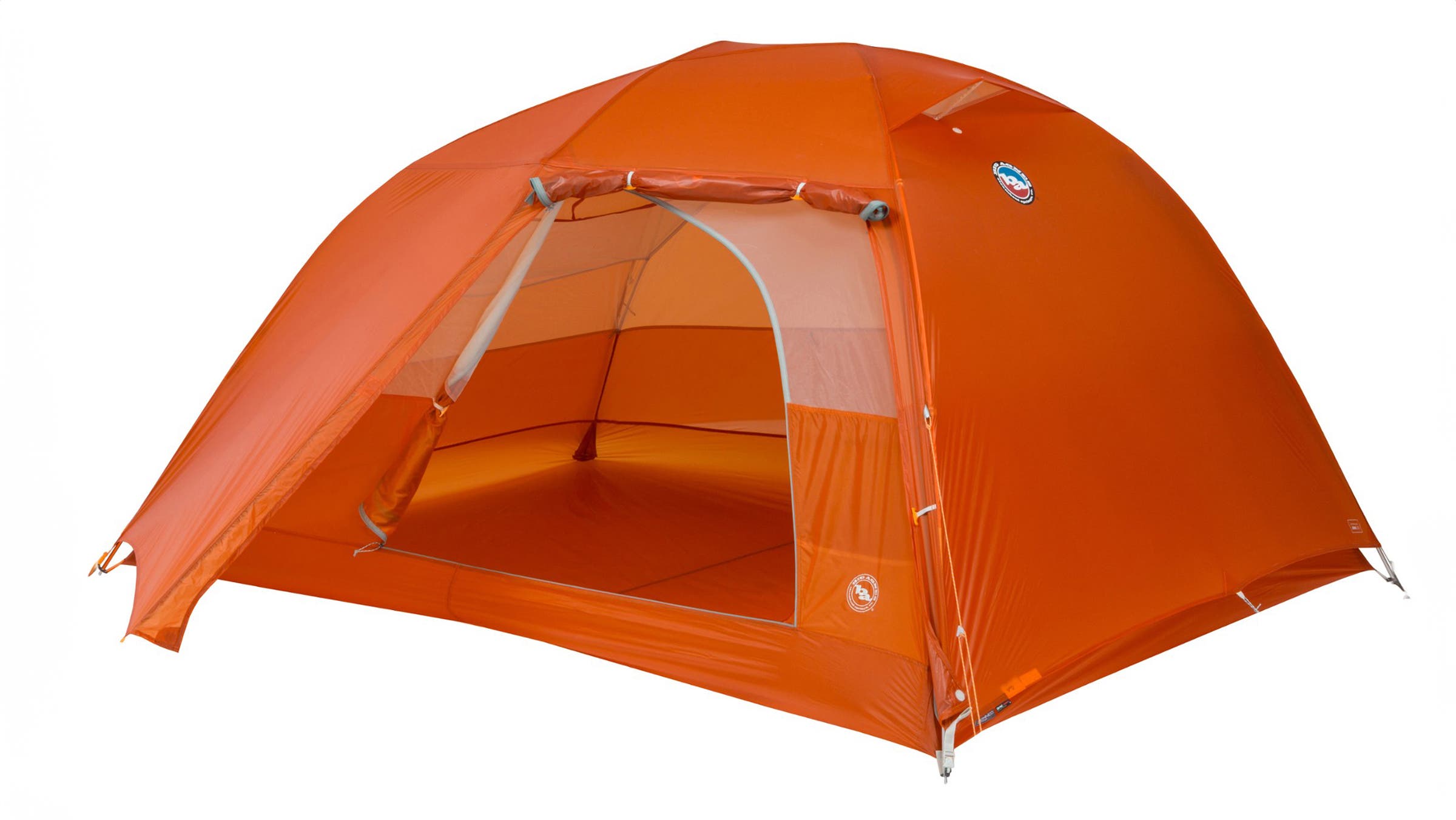
For those who hike in pairs, the Big Agnes Copper Spur UL3 has become a staple. Weighing 3 pounds and 6 ounces, it provides a free-standing, double-walled shelter that can be split between two people, resulting in a per-person weight of roughly 27 ounces. This balance of durability and weatherproofing is essential for "fairweather" backpackers who require protection from wind and rain but do not need the heavy-duty fabrics of four-season mountaineering tents.
Backcountry Utilities: Efficiency and Hydration
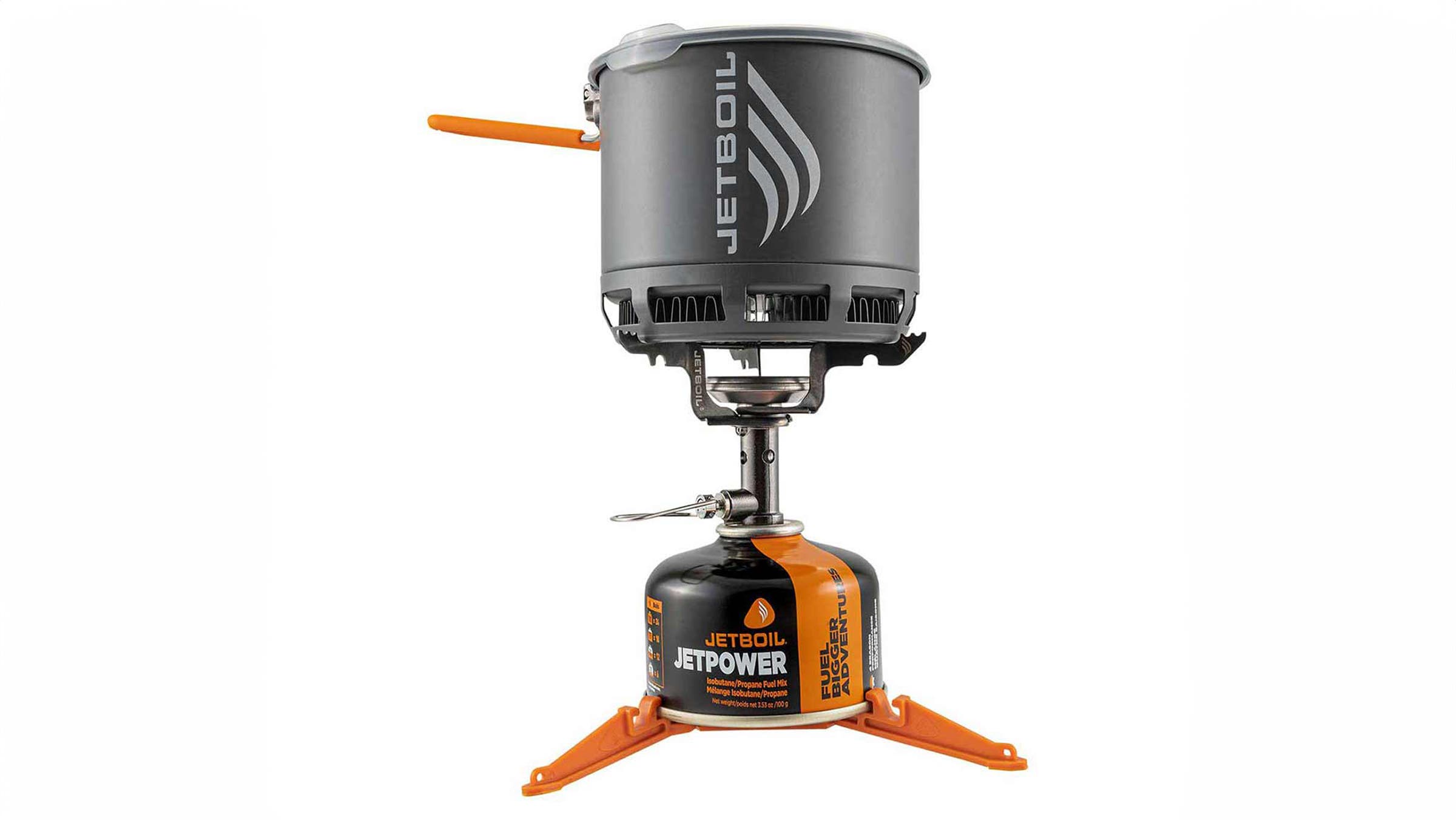
Beyond the "Big Three," the 2026 kit is defined by highly efficient utility systems. The Jetboil Stash Cooking System, weighing 7.1 ounces, represents the pinnacle of integrated stove technology. It utilizes an 0.8-liter aluminum pot and a stabilizer tripod to boil water in under three minutes. Its fuel efficiency is a critical factor for ultralight hikers, as it allows for smaller, lighter fuel canisters to be carried for longer durations.
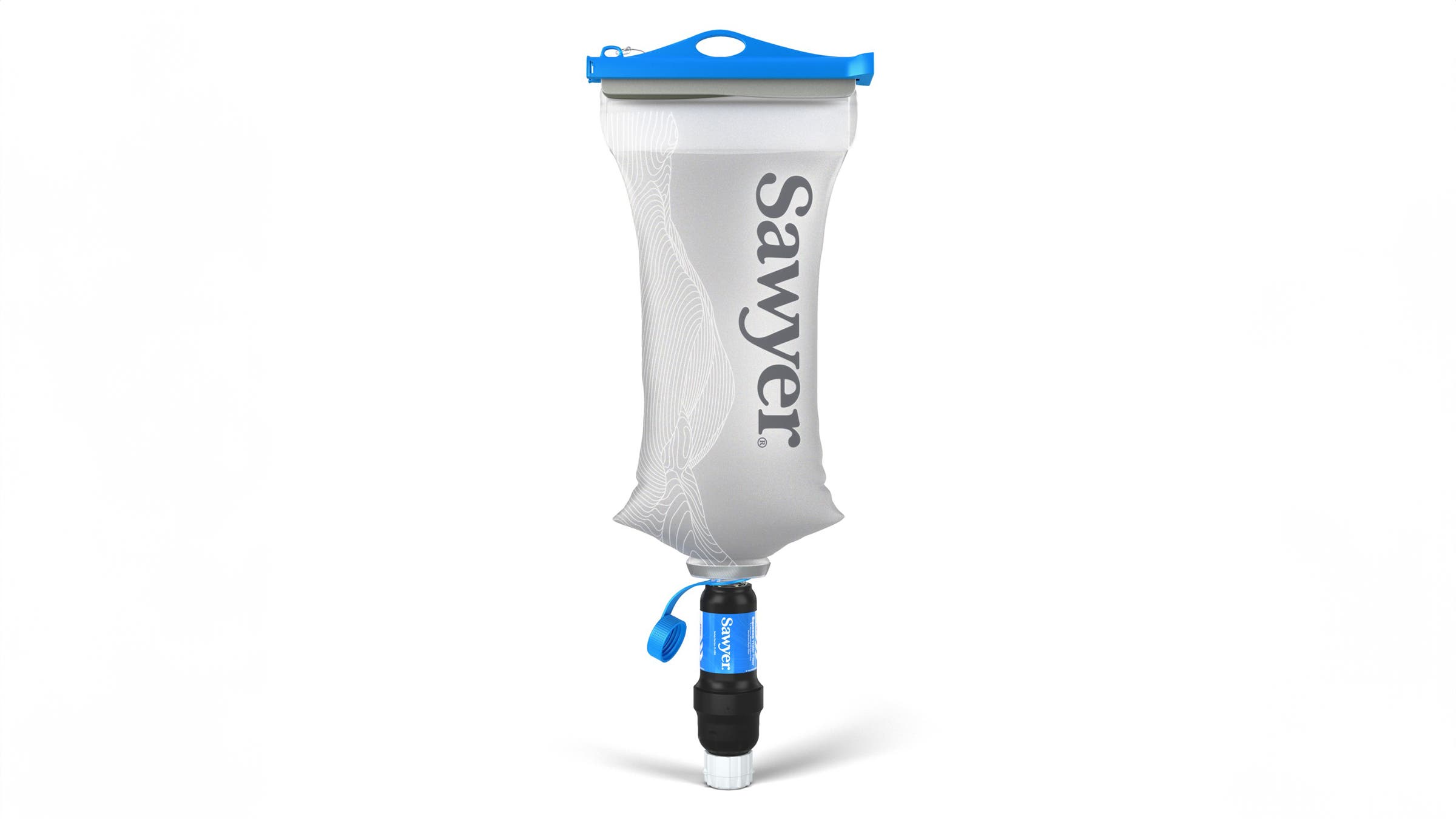
In terms of hydration, the industry has standardized the use of hollow-fiber membrane filters. The Sawyer Squeeze Filtration System (5.8 oz) remains the preferred choice for 2026 thru-hikers due to its compatibility with lightweight bladders like the Cnoc 2-liter. These systems have replaced heavy, pump-style filters, offering a more compact and puncture-resistant solution for water purification.
The Role of Multi-Purpose Apparel and Support
The final weight reductions in a modern kit come from specialized apparel and accessories. The North Face Ridgelite FUTUREFLEECE Wind Jacket (7.2 oz) exemplifies the multi-purpose principle. By combining a gridded fleece interior with a PFC-free DWR (Durable Water Repellent) nylon shell, the garment replaces both a mid-layer and a light windbreaker. This integration is vital for maintaining a low base weight while ensuring safety in variable mountain climates.
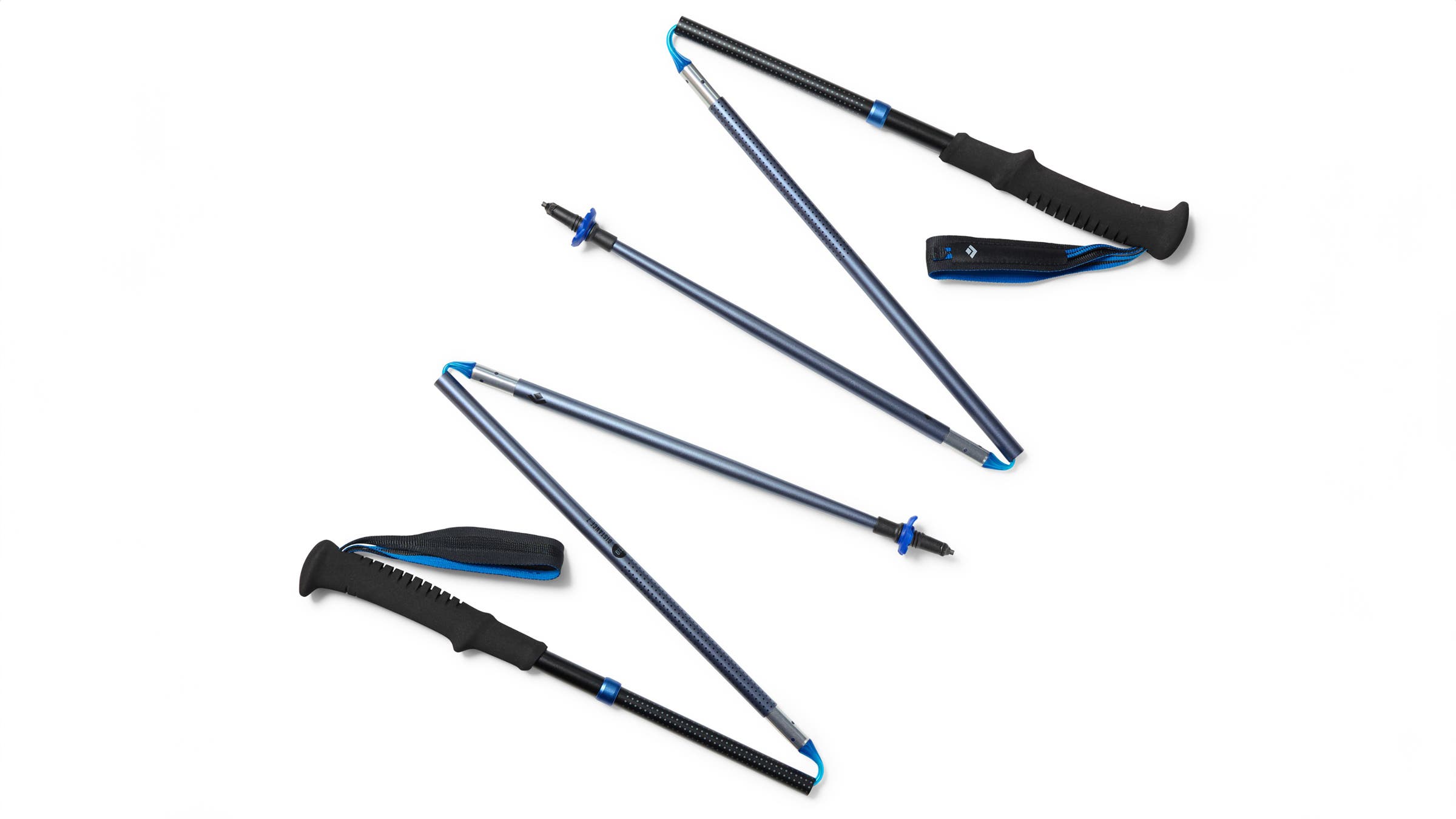
Additionally, the use of collapsible carbon-fiber or aluminum trekking poles, such as the Black Diamond Distance Z (11.6 oz per pair), has become standard. These poles are designed to fold into a Z-shape, allowing for easy storage when not in use. Beyond providing stability and reducing strain on the knees—a major concern for aging demographics in the hiking community—they often serve as the structural supports for the latest generation of non-freestanding UL tents.
Industry Response and Broader Implications
The shift toward lighter gear is not merely a trend for enthusiasts; it has broader implications for the outdoor industry and environmental conservation. "We are seeing a fundamental change in how people interact with the wilderness," stated a representative from a major outdoor retailer during the March 2026 gear expo. "When hikers carry less weight, they are less fatigued, which leads to fewer injuries and a higher likelihood of long-term engagement with the sport."
However, the move toward ultralight materials has raised questions regarding sustainability and durability. Thinner fabrics like 100D nylon have a shorter lifespan than heavy-duty canvas or high-denier polyesters. In response, brands in 2026 are increasingly focusing on repairability programs and the use of recycled materials to offset the environmental impact of more frequent gear replacements.
Furthermore, the "ultralight curious" movement is democratizing the backcountry. By making 10-mile or 15-mile days more accessible to the average person, the barrier to entry for long-distance trails is lowering. This has led to increased traffic on National Scenic Trails, prompting land management agencies to consider new permit structures to handle the influx of "modern" backpackers.
Conclusion: The New Standard of Preparedness
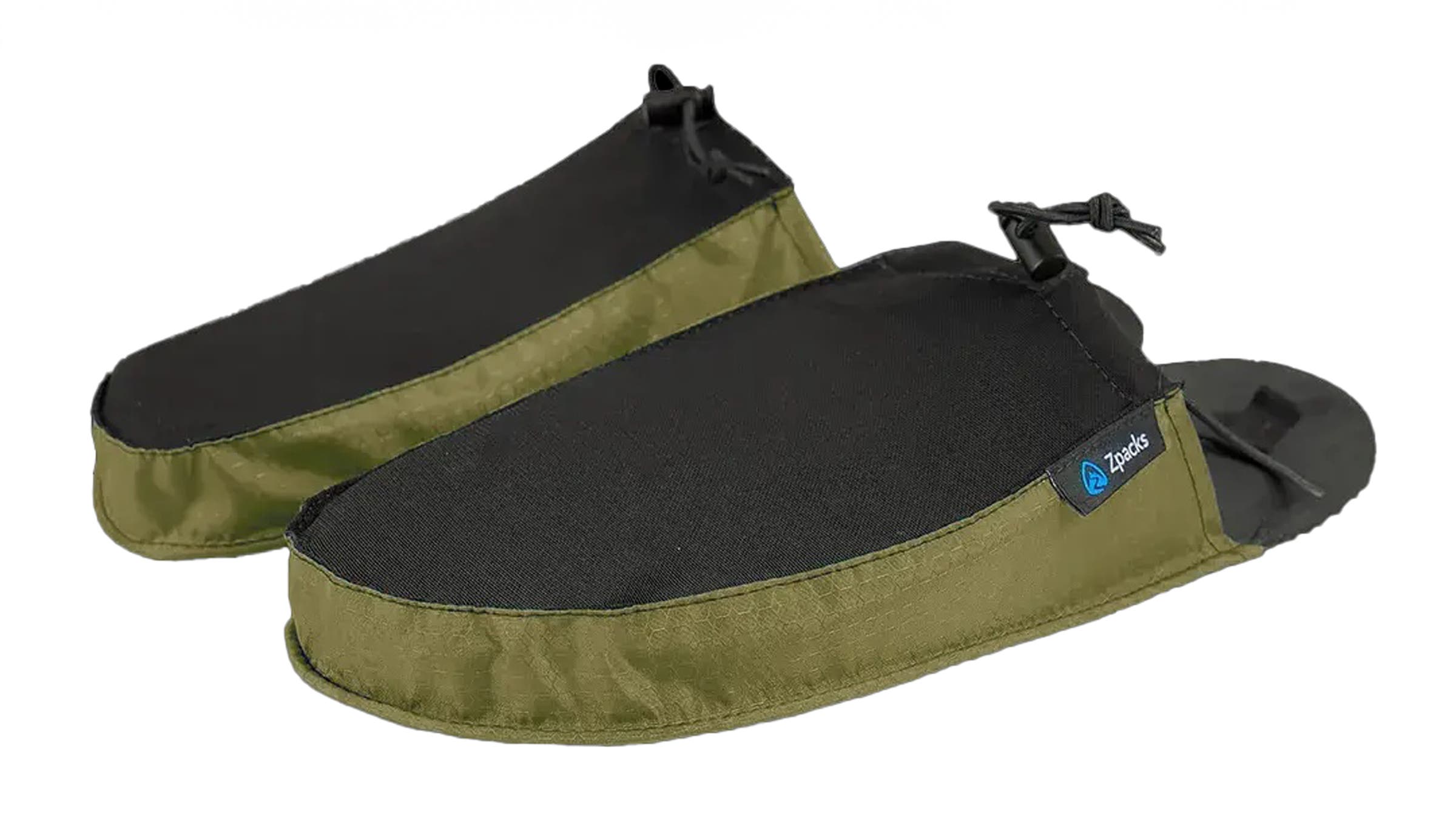
As the 2026 season progresses, the nine-pound base weight is set to become the new standard for the informed backpacker. The availability of gear that offers both lightweight performance and traditional comfort signifies a peak in outdoor engineering. While the "divas, snackers, and readers" of the trail may still bring their small luxuries—such as the 2.8-ounce Zpacks camp shoes—they are doing so within a framework that prioritizes efficiency and physical longevity. The era of the overweight rucksack is effectively over, replaced by a sophisticated, data-driven approach to wilderness exploration.




 Budi Mulyono
 Walid Sujud Trenggono
 Chandra Hamzah
 Tatiana Tantri Indah Sari