Budi Mulyono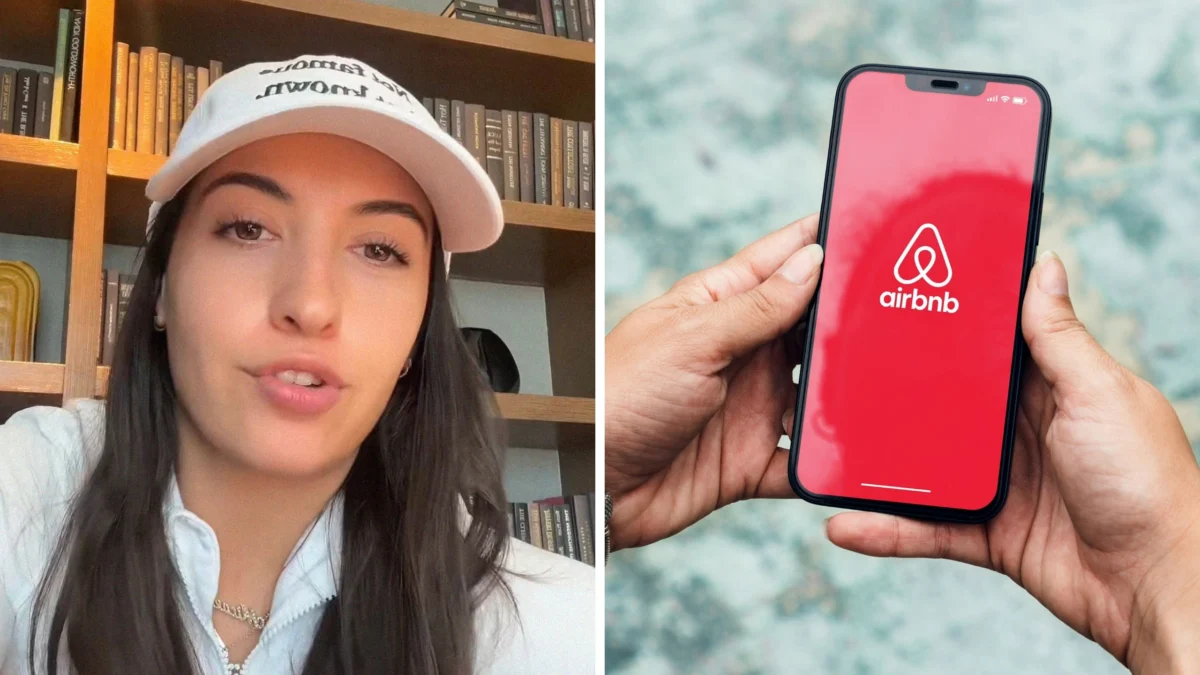
Nashville, Tennessee, has long held the mantle of the "Bachelorette Capital of the World," a title earned through its vibrant nightlife, iconic Broadway "honky-tonks," and a tourism infrastructure specifically tailored to large groups of women celebrating upcoming nuptials. Every weekend, thousands of visitors descend upon Music City, contributing significantly to a local economy that relies heavily on the hospitality and short-term rental (STR) sectors. However, a recent harrowing experience shared by a traveler has cast a spotlight on the potential safety vulnerabilities inherent in the short-term rental market, prompting a broader conversation about traveler security and corporate accountability.
Micaela Rodriguez, a TikTok creator known primarily for her finance-oriented content, recently utilized her platform to share a cautionary tale that has since garnered over 94,000 views. What was intended to be a celebratory bachelorette getaway for Rodriguez and her friends devolved into a "nightmare" scenario involving a masked intruder and a perceived lack of support from the rental platform, Airbnb. Her account, supported by local crime data and previous reports of similar incidents, suggests that the very features that make Nashville a premier destination—predictable tourist schedules and high-density short-term rentals—may also make visitors targets for criminal activity.
The Chronology of a Security Failure
The incident began shortly after Rodriguez and her group checked into their Nashville rental property. According to Rodriguez, the first signs of concern were structural and environmental. During the initial check-in process, the group encountered technical difficulties with the property’s electronic keypad. One guest attempted to gain entry while the rest of the group was away, only to find the door unresponsive.
While waiting for the host to provide manual access, the guest observed a group of men in a neighboring house who appeared to be monitoring her movements. Rodriguez noted that one individual, seated in a vehicle equipped with a ladder, remained stationary for an extended period, watching the guest as she struggled with the entry system. This observation served as the first "red flag" regarding the safety of the immediate vicinity.
Upon finally gaining entry to the home, the group discovered further security lapses. Several interior and exterior access points, including a door leading to a rooftop deck, had been left unlocked by the previous occupants or the cleaning staff. Despite these concerns, the group proceeded with their planned itinerary, with some members heading to Broadway while others remained at the house to rest.
The situation escalated into a direct confrontation later that evening. Those who remained at the home reported hearing aggressive shaking of the front doorknob. One guest, assuming it was the rest of the party returning early, opened the door only to find herself face-to-face with an intruder wearing a ski mask and gloves. The intruder fled the immediate vicinity upon the door being opened, allowing the guest to lock the entrance and retreat to a secure bathroom to call the police.
The terror did not end with the initial encounter. While the guests were barricaded, they reported hearing footsteps inside the home, suggesting that either the initial intruder or additional accomplices had gained entry through another unsecured point. The guests eventually fled the property through a back exit and waited for law enforcement to arrive.
Law Enforcement Response and Local Crime Context
When Rodriguez and the rest of the group returned to the property, they were met by a significant police presence, including four to five patrol cars and a helicopter circling the neighborhood. The scale of the response suggested that the incident was part of a larger or ongoing criminal pursuit in the area.
According to Rodriguez, the responding officers from the Metropolitan Nashville Police Department (MNPD) provided a sobering assessment of the situation. The officers allegedly stated that such incidents are a frequent occurrence in Nashville, particularly targeting short-term rentals marketed toward women and bachelorette parties. The rationale provided by law enforcement was rooted in predictability: criminal elements are often aware of the schedules of these groups, knowing exactly when a house is likely to be empty or when occupants are likely to be returning from a night of drinking.
This assessment is mirrored by historical data in Nashville. In 2022, a similar incident occurred at an Airbnb in the West End Circle area, where a bachelorette party returned to find a burglar inside their rental. At that time, MNPD reported that they had received 30 calls for service at that specific address within a single calendar year.
Data from CrimeGrade.org indicates that Nashville faces significant challenges regarding property crime and burglary, particularly in neighborhoods that have seen a rapid influx of short-term rentals. The concentration of high-value electronics, luggage, and cash in homes that lack the 24-hour security presence of a traditional hotel creates a target-rich environment for local offenders.
The Financial and Emotional Aftermath
For Rodriguez and her group, the physical danger was followed by a protracted struggle for financial restitution and support. After the police cleared the scene at approximately midnight, the group felt it was unsafe to remain at the property. They were forced to secure last-minute accommodations at a local hotel, incurring thousands of dollars in unplanned expenses.

Furthermore, the haste with which they vacated the Airbnb meant that several personal items were left behind. Rodriguez expressed frustration with Airbnb’s initial customer service response, stating that the group spent days attempting to reach a representative with the authority to issue a refund or provide reimbursement for their emergency hotel stay.
The discrepancy between the property’s online reputation and the reality of the experience was another point of contention. The listing in question reportedly held a 4.8-star rating on the Airbnb platform. However, a closer inspection of the reviews revealed that while guests praised the aesthetic of the home, several had noted that the surrounding neighborhood felt "sketchy." This highlights a common criticism of the short-term rental industry: the "halo effect" of professional photography and interior design can often obscure legitimate safety concerns regarding a property’s location.
Corporate Accountability and Industry Response
In response to the incident and the subsequent viral attention, Airbnb issued a statement to BoardingArea clarifying their position and the actions taken. A spokesperson for the company stated:
"We take the safety of our community seriously and want to support positive experiences. We’ve refunded the guest for their stay and reimbursed hotel and grocery expenses as part of our support. In the exceptionally rare event of an issue during a stay, we provide 24/7 assistance including a round-the-clock safety line."
The company further emphasized that the "overwhelming majority" of stays occur without incident. However, the Rodriguez case has fueled the argument that Airbnb’s "Safety Line" and support systems are often reactive rather than proactive. Critics argue that while a refund is a necessary step, it does little to address the trauma of a home invasion or the systemic vulnerabilities of the STR model in high-crime urban areas.
The incident also highlights the "Ghost Host" phenomenon, where properties are managed by corporations or remote hosts who are not physically present to address security lapses, such as the unlocked rooftop door or the malfunctioning keypad encountered by Rodriguez’s group.
Broader Implications for Nashville Tourism
The narrative shared by Rodriguez has broader implications for Nashville’s reputation as a safe destination for women. The city has invested heavily in its "Music City" brand, but the proliferation of unregulated or poorly secured short-term rentals remains a point of friction between residents, the city council, and the tourism board.
Nashville has implemented various regulations over the years to manage the STR market, including permit requirements and noise ordinances. However, safety regulations—such as mandatory security cameras, reinforced entry points, or proximity to high-crime zones—are more difficult to enforce across thousands of individual listings.
The trend of "staying in hotels" as a safer alternative is gaining traction among frequent travelers. Unlike Airbnbs, hotels offer:
- On-site Security: Professional security personnel and 24-hour front desk staff.
- Controlled Access: Elevators and hallways that require keycard access.
- Surveillance: Comprehensive CCTV coverage of all entry and exit points.
- Accountability: On-site management capable of resolving issues immediately.
Rodriguez’s video concluded with a firm recommendation for future Nashville visitors to prioritize hotels, a sentiment echoed by many in the comments section who cited their own "near-miss" experiences in the city’s rental market.
Conclusion and Traveler Safety Tips
While Nashville remains a premier destination for celebrations, the Rodriguez incident serves as a critical reminder of the risks associated with the short-term rental industry. For those who still choose to use platforms like Airbnb, safety experts recommend several proactive measures:
- Audit the Perimeter: Upon arrival, check every door and window, including those on upper floors or balconies.
- Research the Neighborhood: Use third-party crime maps rather than relying solely on the host’s description or guest reviews.
- Maintain Anonymity: Avoid displaying decorations (like "Bachelorette" banners) on the exterior of the house that signal the nature of the group and their likely schedule.
- Emergency Planning: Know the local precinct’s location and ensure all members of the group have a way to communicate if separated.
As Nashville continues to evolve, the balance between its status as a party destination and the safety of its visitors will remain a pivotal issue for local lawmakers and the travel industry at large. The experience of Micaela Rodriguez and her friends stands as a stark warning that in the modern travel landscape, aesthetic appeal is no substitute for physical security.



 Walid Sujud Trenggono
 Anjar Salim
 Chandra Hamzah
 Tatiana Tantri Indah Sari