
 Susilo Edi Turonggo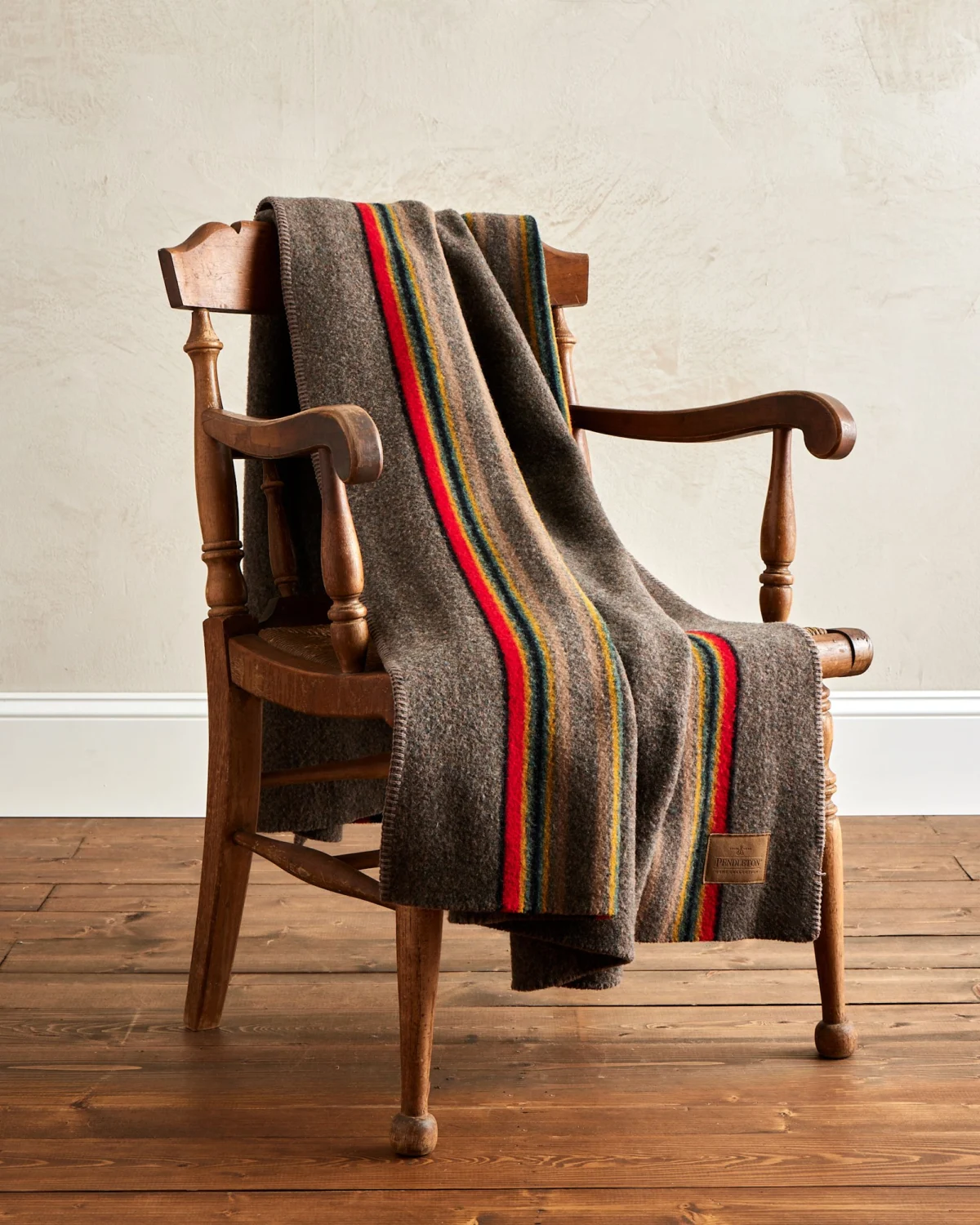
In an era of increasing consumer awareness regarding environmental impact and ethical sourcing, the humble blanket has emerged as a focal point for sustainable living, transforming from a simple household item into a statement of conscious comfort. As consumers seek warmth and coziness, particularly during colder months, there is a growing demand for well-made, long-lasting throws and quilts that not only provide comfort but also adhere to stringent standards of material safety, environmental stewardship, and fair labor practices. This shift reflects a broader societal movement towards responsible consumption, where every purchase is viewed through the lens of its broader impact on the planet and its people. The pursuit of "conscious comfort" involves a deliberate choice to invest in products that align with values of health, sustainability, and ethical production, moving away from fast-fashion textiles that often carry hidden costs.
The Hidden Environmental and Health Costs of Conventional Textiles
The global textile industry is one of the most resource-intensive and polluting sectors worldwide, contributing significantly to environmental degradation and posing potential health risks. Conventional blanket production, particularly those relying heavily on synthetic fibers like polyester or acrylic, often involves a complex chain of manufacturing processes with substantial ecological footprints. These processes include high water consumption for fiber cultivation and dyeing, extensive use of petrochemicals in synthetic fiber production, and the discharge of hazardous chemicals into waterways.
One critical concern lies in the dyes and finishes used. Synthetic textiles are commonly colored with immuno-sensitizing azo-benzene disperse dyes. These chemical compounds, when in close contact with skin, can trigger allergic reactions or irritations. Beyond direct skin contact, these hazardous substances are not inert; they can leach into household dust over time. This means that even if a blanket is not directly ingested, these micro-particles can be breathed in by occupants, including children and pets, or ingested indirectly, leading to potential long-term health implications. Studies have linked certain azo dyes to carcinogenicity and endocrine disruption, prompting regulatory bodies in various regions to restrict their use. However, global manufacturing complexities mean that many products entering consumer markets may still contain these harmful substances if not properly vetted.
Furthermore, synthetic fibers contribute to the pervasive problem of microplastic pollution. Each wash cycle of a synthetic blanket releases thousands of microscopic plastic fibers into wastewater systems, eventually making their way into oceans and ecosystems, where they are ingested by marine life and enter the food chain. This insidious form of pollution underscores the broader environmental imperative to shift towards natural and biodegradable materials. The energy-intensive manufacturing processes for synthetics also contribute to greenhouse gas emissions, exacerbating climate change.
From an ethical standpoint, the conventional textile supply chain is frequently marred by exploitative labor practices. In many developing countries where textile production is outsourced, workers often face low wages, unsafe working conditions, excessive hours, and a lack of basic labor rights. This systemic exploitation drives a race to the bottom in pricing, making it difficult for ethically produced goods to compete without clear consumer demand for transparency and accountability.
The Pillars of Conscious Comfort: Defining Sustainable and Ethical Blankets
In response to these challenges, a discerning market has emerged, prioritizing blankets made under specific criteria that ensure both human and planetary well-being. These criteria form the bedrock of what defines a truly sustainable and ethical blanket:
1. Skin-Safe, Natural Materials & Non-Toxic Dyes:
The foundation of a healthy blanket lies in its core materials. Natural fibers are overwhelmingly preferred for their biodegradability, renewable nature, and reduced chemical processing. Leading choices include:
- Organic Cotton: Cultivated without synthetic pesticides, herbicides, or genetically modified organisms, organic cotton significantly reduces environmental impact compared to conventional cotton, which is one of the most chemical-intensive crops globally. It offers breathability and softness, ideal for year-round comfort.
- Alpaca Wool: Renowned for its luxurious softness, warmth, and hypoallergenic properties, alpaca fiber is shorn from alpacas, which have a lighter environmental footprint than sheep. Alpacas are gentle on pastures, and their fiber production requires less water and chemical processing.
- Merino Wool: Known for its fine fibers, merino wool is soft, breathable, temperature-regulating, and naturally odor-resistant, reducing the need for frequent washing. Sustainable merino wool sourcing emphasizes ethical animal treatment and regenerative land management.
- Linen: Derived from the flax plant, linen is incredibly durable, highly breathable, and becomes softer with age. Flax cultivation requires minimal water and pesticides, making it an environmentally friendly choice.
- Tencel™ Lyocell: A regenerated cellulosic fiber made from sustainably sourced wood pulp, Tencel is produced through a closed-loop process that recycles water and solvents, minimizing waste and emissions. It offers exceptional softness, strength, and moisture-wicking properties.
- Hemp: A highly sustainable crop, hemp requires little water, no pesticides, and enriches the soil it grows in. Its fibers are strong, durable, and naturally resistant to mold and mildew, making it an excellent choice for long-lasting textiles.
Beyond the fibers themselves, the dyeing process is critical. Consumers should seek blankets certified free of harmful chemicals. Certifications like Oeko-Tex Standard 100 ensure that every component of the textile, from thread to finish, has been tested for harmful substances and is harmless in human ecological terms. Similarly, bluesign® certification goes a step further, focusing on sustainable production processes, ensuring that materials are manufactured with minimal impact on people and the environment, optimizing resource use, and eliminating harmful substances from the outset.
2. Durability and Timeless Style:
A truly sustainable product is one that lasts. Fast fashion’s "wear it once" mentality is antithetical to sustainability. For blankets, durability translates to fewer replacements, reduced waste, and a lower overall environmental footprint over time. Brands committed to sustainability prioritize high-quality construction and robust materials. Wool blankets, for instance, are naturally anti-odor and stain-resistant, requiring less frequent washing and thus extending their lifespan.
Furthermore, timeless design plays a crucial role. Blankets with classic patterns, versatile colors, and enduring aesthetic appeal are less likely to be discarded due to fleeting trends. This focus on longevity and enduring style transforms a blanket from a disposable item into a cherished heirloom, embodying the principles of "slow home goods."
3. Traceable & Ethical Supply Chain:
Transparency in the supply chain is paramount for ethical production. Consumers increasingly demand to know where their products come from, how they were made, and under what conditions. Brands that partner directly with artisans, pay fair wages, ensure safe working environments, and foster long-term relationships contribute positively to local economies and preserve traditional crafts.
Certifications like Fair Trade USA and the World Fair Trade Organization (WFTO) provide independent verification that products meet rigorous social, environmental, and economic standards. These certifications guarantee that producers receive fair prices, workers enjoy safe conditions and fair compensation, and sustainable farming practices are employed. Investing in blankets with these certifications supports a more equitable and humane global economy.
Leading Brands Paving the Way for Conscious Comfort
The market for sustainable and ethical blankets has seen significant growth, with a diverse array of brands offering compelling options. These companies exemplify the principles outlined above, integrating them into their core business models:
Legacy and Heritage Brands with Modern Commitments:
Pendleton, a brand with a rich history dating back to 1909, stands as a testament to enduring quality and tradition. Operating two of the last woolen mills in the U.S., Pendleton oversees the entire process from scouring to hand-finishing wool and Oeko-Tex-certified cotton. Their long-standing relationships with local wool farmers and indigenous artists, whose iconic patterns are woven on looms, highlight a deep commitment to community and heritage. With prices ranging from $60 to $529, Pendleton blankets are an investment in American craftsmanship and cultural legacy, primarily available in the U.S.
B-Corp Certified and Socially Responsible Innovators:
Several brands are leveraging the Certified B Corp designation to signal their commitment to social and environmental performance, accountability, and transparency.
Minna, a queer-led business based in Upstate New York, exemplifies this ethos. Their blankets, featuring abstract patterns and minimalist designs, are handmade in small batches using alpaca, Oeko-Tex-certified cotton, and merino wool. Minna cultivates strong relationships with artisan partners in Central and South America, transparently listing the maker of each blanket on its product pages. Ranging from $165 to $398, Minna offers a global reach to most countries.
Avocado, a Los Angeles-based B Corp renowned for its bedroom stylings, extends its sustainable philosophy to throws. Their blankets feature Oeko-Tex-certified organic cotton, alpaca wool (with naturally occurring, dye-free colors), cashmere, merino wool, and recycled cotton, all made with azo-free dyes. Sourcing wool from Northern India and regularly auditing its supply chain, Avocado ensures ethical and sustainable practices. With prices from $39 to $349, Avocado blankets are available in the U.S.
Savvy Rest, another certified B Corp bedding brand, specializes in organic cotton dye-free blankets. Their cotton is grown and woven into blankets entirely within the United States, offering sizes from throw to king. Priced from $89 to $198, Savvy Rest emphasizes local production and purity, available exclusively in the United States.
Artisan-Focused and Globally Collaborative Brands:
Many brands are building direct relationships with artisans worldwide, fostering fair trade and preserving traditional craft.
April Notes makes soft and earth-friendly home linens, with blankets crafted from linen, cotton, and merino wool. Certified free of harmful chemicals and synthetic dyes, these breathable and hypoallergenic blankets are made on demand to minimize waste. The brand partners with a boutique atelier in Lithuania, ensuring fair wages and safe conditions. With a price range of $149-$180, April Notes has a wide international shipping footprint across the U.S., Canada, U.K., Australia, New Zealand, Mexico, Norway, Switzerland, Gibraltar, and all European Union countries.
The Citizenry is a prominent Fair Trade brand that offers warm and lightweight blankets, quilts, and throws. They utilize ethically sourced Oeko-Tex-certified materials such as alpaca wool, mohair, linen, and cotton. The brand transparently lists all its international partners and the specific location where each blanket was handwoven or loomed. With prices between $189 and $299, The Citizenry reaches consumers in the U.S. and Canada, though consumers should note some blankets may contain a small percentage of polyester.
Brands Prioritizing Transparency and Traceability:
Boll & Branch, a Fair Trade Certified bedding company, places a strong emphasis on non-toxic processes. Their throws are crafted by artisans in India, Turkey, and Pakistan using traceable Oeko-Tex-certified organic cotton and alpaca. This commitment to transparency ensures consumers can trust the origins and production methods. Ranging from $149 to $699, Boll & Branch serves the U.S. and Canada.
Coyuchi focuses on high-quality home goods with minimal environmental impact. Their blankets are made with organic cotton and wool from India, woven in Fair Trade-certified factories in Turkey, Portugal, and Germany. Coyuchi even provides a comprehensive blanket guide to assist customers in making informed choices. With prices from $58 to $478, Coyuchi is available in the U.S.
Innovative and Specialized Comfort Solutions:
Bearaby has gained recognition for its weighted blankets designed for sleep and anxiety, but also offers comfortable and lightweight throws. Their blankets incorporate Tencel from Austria, organic cotton from India, and Oeko-Tex-certified recycled polyester, available in multiple weights and sizes. Priced from $149 to $309, Bearaby blankets are available in the U.S.
Curated Marketplaces for Value-Driven Shopping:
Made Trade acts as an online marketplace that rigorously vets every product for sustainability and transparency. It empowers consumers to shop by specific values, such as USA Made, handcrafted, or Fair Trade, and allows filtering by preferred materials like cotton, recycled polyester, hemp, linen, and various wools. While offering a broad range from $40 to $719 and worldwide availability, Made Trade advises using filter settings to avoid synthetics if desired.
Established Home Goods with Sustainable Lines:
Under the Canopy creates blankets in India, Pakistan, Turkey, and China using Oeko-Tex-certified low-impact dyes. They source merino wool from Argentina and organic cotton from Turkey to craft durable, intentional designs. Priced from $178 to $212, their products are available in the U.S.
Cold Picnic transforms home goods into art pieces, with blankets designed in Brooklyn and made in the U.S. from domestically-sourced Oeko-Tex-certified recycled cotton by a family-owned company. Their quilts are handmade by artisans in India. While most products are sustainable, some blankets incorporate polyester, necessitating a check of material details. Prices range from $130 to $560, with worldwide availability.
Parachute, a direct-to-consumer brand, offers quality and durable home goods, including blankets with timeless modern designs. These are made with Oeko-Tex-certified materials such as cotton, alpaca wool, and linen. Parachute partners with Fair Trade manufacturers in Portugal and Turkey to ensure an ethical supply chain. Ranging from $99 to $289, Parachute serves the U.S. and Canada, but consumers should note that some blankets may contain a small percentage of polyester.
Navigating the Nuances: Challenges and Consumer Diligence
While the growth of sustainable and ethical brands is promising, the market is not without its complexities. "Greenwashing," where companies make unsubstantiated or misleading claims about their environmental practices, remains a challenge. Consumers must remain vigilant, scrutinizing certifications and product descriptions carefully. The presence of a small percentage of synthetic fibers, even in otherwise natural blankets (as noted for Cold Picnic, Parachute, and The Citizenry), highlights the need for thorough material checks if one is particularly sensitive to synthetics or committed to 100% natural compositions. These blends are sometimes used for durability or stretch but can compromise full biodegradability or microplastic shedding concerns.
Broader Impact and Future Outlook
The collective shift towards sustainable and ethical blankets has far-reaching implications. Economically, it supports fair wages, empowers artisan communities, and fosters local economies, especially in regions traditionally exploited by fast fashion. Environmentally, it drives down the demand for harmful chemicals, reduces water consumption, minimizes plastic pollution, and encourages the adoption of regenerative agricultural practices. Socially, it upholds human rights, promotes safe working conditions, and cultivates a more equitable global trade system.
As consumer demand continues to evolve, the textile industry is poised for further innovation in sustainable materials and production methods. Advances in bio-based fibers, improved recycling technologies, and enhanced supply chain transparency tools are expected to gain traction. The role of certifications will become even more critical in providing clear, verifiable information, allowing consumers to make truly informed choices. Ultimately, the choice of a blanket transcends mere comfort; it becomes an act of conscious consumption, contributing to a healthier planet and a more just society, one cozy, ethically made throw at a time.



 Anjar Salim
 Chandra Hamzah
 Budi Mulyono


 Tatiana Tantri Indah Sari