
 Chandra Hamzah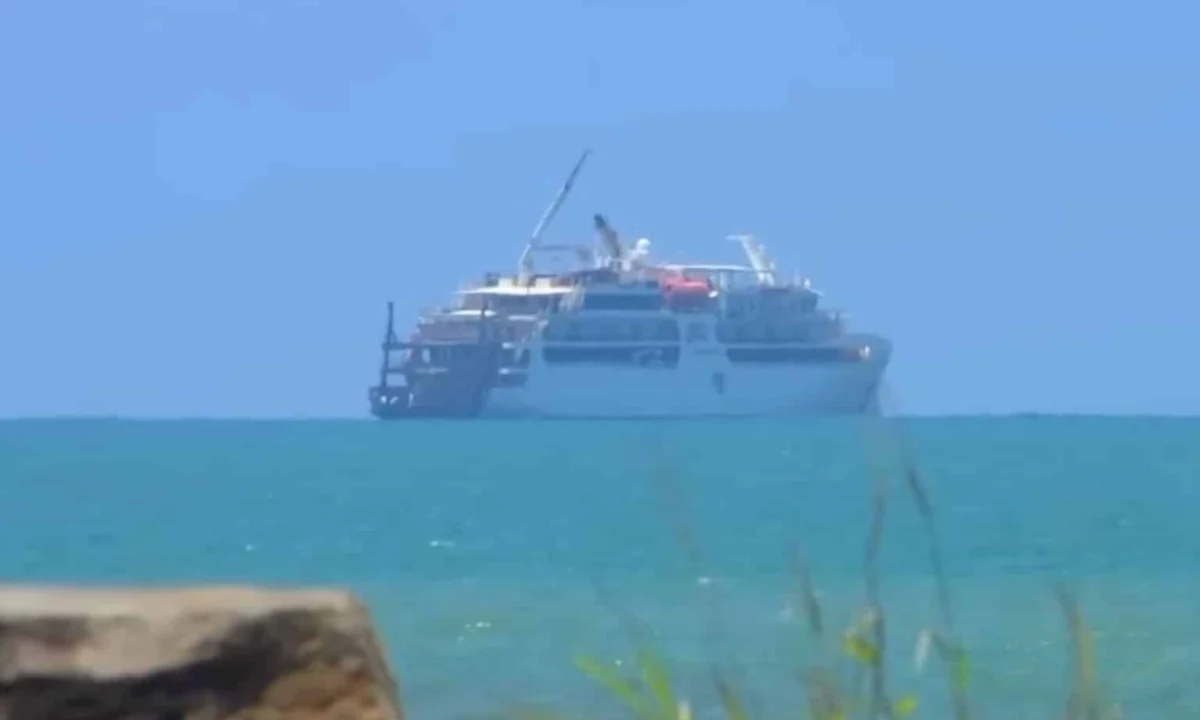
An in-depth investigation into the grounding of the expedition cruise ship Coral Adventurer near the coast of Papua New Guinea has pinpointed a critical failure in the vessel’s automated navigation system as the primary cause of the incident. The Australian Transport Safety Bureau (ATSB) revealed that an unexpected freeze in the system, designed to enhance safety, instead led to a critical miscalculation, causing the ship to miss a planned course alteration and ultimately run aground on a coral reef. This unforeseen event left 80 passengers and 44 crew members stranded aboard the vessel for three days, resulting in significant structural damage to the ship and a subsequent detention by the Australian Maritime Safety Authority (AMSA). The passengers were eventually returned to Cairns, their 12-night cruise abruptly terminated.
The ATSB’s preliminary findings indicate that the incident unfolded during a maneuver where the chief mate attempted to adjust the ship’s route. However, at a crucial juncture, the navigation system unexpectedly froze. This pause was reportedly initiated by the system itself to perform a safety check. Paradoxically, this intended safety measure created a critical operational failure. During the freeze, the ship continued to advance at a speed of 2.5 knots faster than planned and veered approximately 200 meters west of its intended course. The chief mate, faced with this technological malfunction, found himself unable to rectify the situation, even after attempting to regain manual control of the vessel.
Chronology of the Incident and Investigation
The grounding of the Coral Adventurer occurred in challenging conditions, adding layers of complexity to the unfolding situation. The ATSB report highlights that the incident took place in darkness, a factor that severely limited the chief mate’s ability to visually assess the surroundings. Navigational aids and shore-based lights were either absent or insufficient to provide clear guidance.
Key Chronological Points:
- Pre-Incident: The Coral Adventurer was undertaking a planned 12-night cruise with 80 passengers and 44 crew members. The vessel was operating in a narrow waterway near Papua New Guinea.
- Navigation System Malfunction: During a planned course adjustment, the ship’s automated navigation system experienced an unexpected freeze, initiating a safety check.
- Missed Turn and Deviation: While the system was frozen, the ship continued to move forward, exceeding planned speed and deviating significantly from its charted course.
- Grounding: The vessel ran aground on a coral reef.
- Stranding: Passengers and crew were unable to disembark or move the vessel due to the grounding, leading to a three-day period of being stranded.
- Damage Assessment: The ship sustained structural damage as a result of the grounding.
- Intervention and Detention: The Australian Maritime Safety Authority (AMSA) became involved, detaining the vessel and initiating its own investigation.
- Passenger Evacuation: Passengers were eventually returned to Cairns, and the remainder of their cruise was cancelled.
- ATSB Investigation Launched: The ATSB commenced a thorough investigation into the circumstances surrounding the grounding.
- Preliminary Findings Released: The ATSB released initial findings attributing the grounding to the navigation system malfunction.
Supporting Data and Technical Details
The ATSB’s investigation delved into the precise technical aspects of the navigational system’s failure. The report confirms that the navigation system froze specifically to execute a safety check. This automated process, intended to prevent errors, inadvertently created the conditions for the accident. The ship’s speed during the critical phase was noted to be 2.5 knots above the planned trajectory, and its lateral deviation was 200 meters to the west of the intended path. These seemingly small deviations, amplified by the narrowness of the waterway and the lack of visual cues in the dark, proved catastrophic.
Angus Mitchell, Chief Commissioner of the ATSB, emphasized the perilous nature of the operating environment. He stated, "At this point, in dark conditions and without navigational aids or lights ashore, the chief mate reported being unable to visually identify the surrounding topography. It is a very narrow waterway and the margin of errors, particularly in those types of waterways, is quite small." This underscores the critical reliance on precise navigational data and the unforgiving nature of such environments when technology falters.
Official Responses and Broader Investigations
The ATSB’s investigation is not confined to the singular incident of the Coral Adventurer‘s grounding. The bureau has indicated that its inquiry will extend to the broader operational practices of Coral Expeditions, the operator of the vessel. This includes a comprehensive review of passage planning, navigational procedures, and emergency response protocols across the company’s entire fleet.
"We’ll review passage planning and the overall navigational procedures across the entire fleet that this operator has, and we’ll also look at the emergency response on the day of the grounding," Mitchell announced. This proactive approach suggests a commitment to understanding systemic issues that may contribute to maritime incidents.
The final report from the ATSB is anticipated to take between 12 to 18 months to complete. Beyond the technical aspects of the grounding, the investigation will also scrutinize the workload and scheduling of the crew members, recognizing the potential impact of fatigue on operational performance. "There’s a lot more work ahead of us when it comes to actually analysing the data and having a look a little bit closer look at all the processes and procedures that this company had in force and what went wrong," Mitchell added, highlighting the thoroughness of the ongoing review.
Wider Implications and Future Recommendations
The grounding of the Coral Adventurer has significant implications for the expedition cruise industry, particularly concerning the reliance on advanced navigation systems and the protocols for their use in challenging environments. The incident raises questions about the redundancy of critical systems, the robustness of software in real-world operational scenarios, and the training of crew in managing technological failures.
AMSA’s involvement and potential for issuing new guidelines or recommendations suggest a broader regulatory response may be forthcoming. The authority’s focus on expedition cruise ships indicates a recognition of the unique risks associated with this sector, which often ventures into remote and less-charted waters.
Furthermore, this incident occurs against the backdrop of another ongoing investigation involving Coral Expeditions and the Coral Adventurer. This separate inquiry concerns the death of passenger Suzanne Rees, who tragically passed away during a shore excursion while on a cruise aboard the same vessel. While the specifics of that incident are distinct, the cumulative effect of these investigations could lead to heightened scrutiny of Coral Expeditions’ safety standards and operational integrity.
The eventual findings and recommendations from the ATSB and potentially AMSA could lead to updated international maritime safety standards, particularly for vessels operating in remote or environmentally sensitive areas. The industry will be watching closely to see how these investigations shape future practices in expedition cruising, aiming to prevent similar incidents and ensure the highest levels of safety for passengers and crew alike. The technological advancements that enable modern cruising also necessitate a robust understanding of their potential vulnerabilities and the development of comprehensive strategies to mitigate risks when these systems encounter unforeseen challenges. The grounding of the Coral Adventurer serves as a stark reminder of the complex interplay between technology, human oversight, and the unforgiving realities of maritime navigation.

 Budi Mulyono
 Cholid Fahmi Thalib
 Hendra Ismail
 Anjar Salim
 Lukman Taruna Persada Ramadan