
 Chandra Hamzah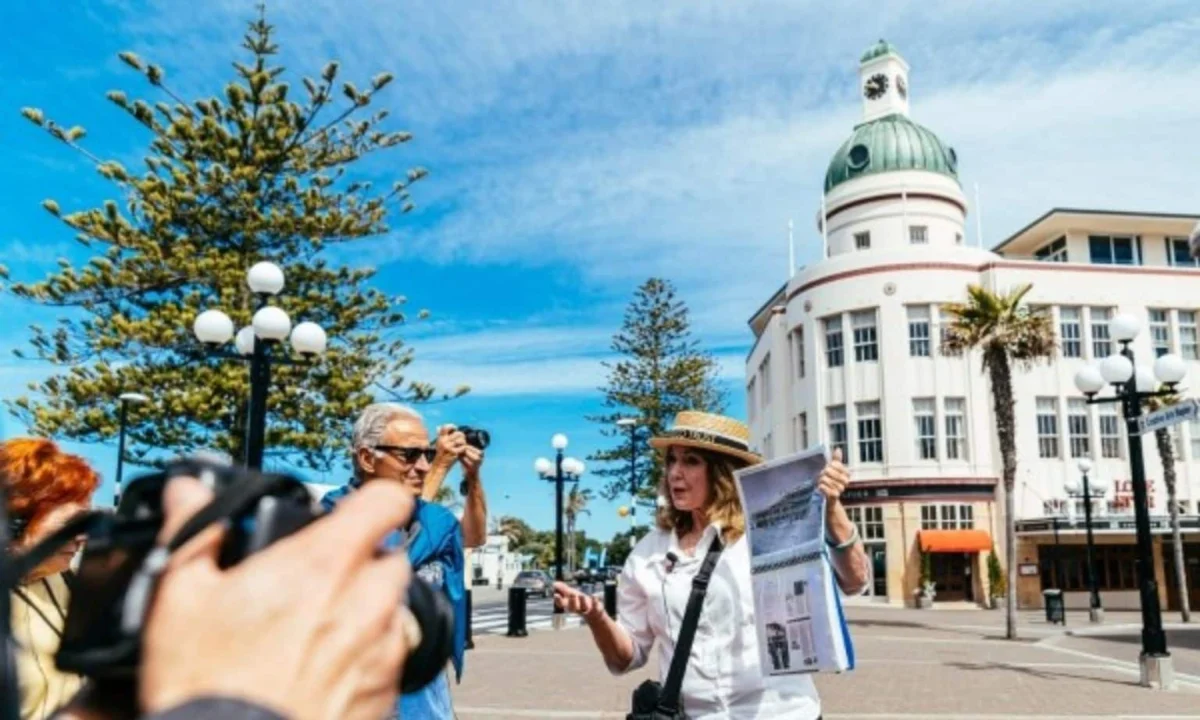
The global sentiment towards cruise ships has undergone a significant shift in recent years, with many destinations grappling with the environmental and social impacts of large-scale maritime tourism. Iconic cities like Venice have implemented stringent restrictions, banning all but the smallest vessels, while Amsterdam is actively working to relocate cruise ships from its urban core. This growing antipathy is not isolated; France, Alaska, Greece, Spain, and Croatia are all experiencing local protests and government interventions aimed at reducing or outright banning cruise ship arrivals. Against this backdrop of global skepticism, New Zealand’s recent pivot towards a more welcoming stance on cruise tourism offers a compelling case study in how destinations can navigate the complexities of this industry.
A Stark Contrast: Global Backlash Meets Kiwi Welcome
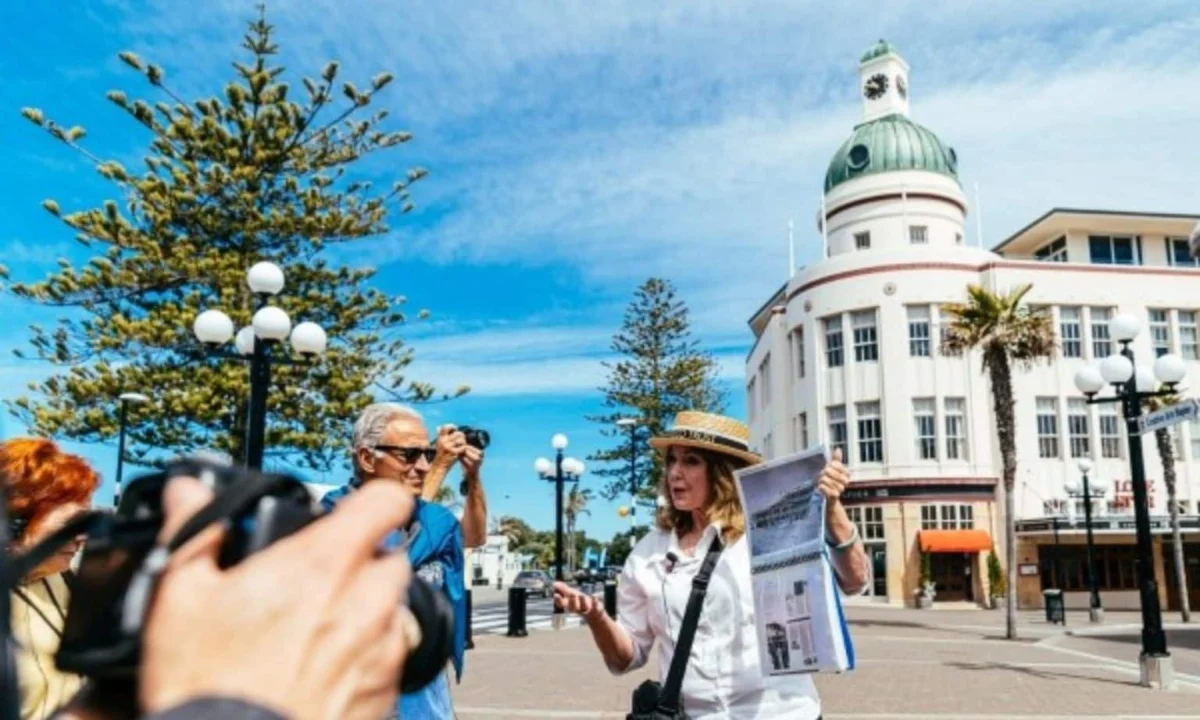
The recent experience of cruise passengers disembarking in Napier, New Zealand, presented a striking contrast to the prevailing global narrative. The art-deco charm of Emerson Street was adorned with prominent signage from numerous shops and cafés, extending warm invitations and offering a variety of discounts specifically for cruise visitors. This enthusiastic reception was not unique to Napier. In Tauranga, a driver and guide named Andrew openly expressed the local sentiment, stating, "We love getting the cruise ships." The arrival of the Crown Princess, carrying nearly 3,000 passengers eager to explore, was met with palpable excitement, as these visitors represented a direct injection of spending power into the local economy. This enthusiasm extended to other ports of call, including Wellington, Christchurch, and Port Chalmers (Dunedin), where numerous volunteers provided invaluable assistance with maps and local insights, enhancing the visitor experience.
A Shift from Stringent Regulations to Collaborative Partnerships
This welcoming atmosphere in New Zealand is particularly noteworthy given the country’s recent history of imposing significant hurdles for cruise lines. Until recently, New Zealand authorities implemented high port charges and exceptionally strict biosecurity regulations. These stringent measures included demanding hull cleaning for ships, and in some instances, outright denial of entry into certain ports. Furthermore, there was considerable discussion and concern about potential bans on scenic cruising in the pristine Milford Sound, a move that cruise industry representatives identified as a significant blow to the New Zealand cruise experience. David Siewers, Chief International Sales Officer for Azamara Cruises, described such a ban as "always a highlight for our guests when visiting New Zealand."
The underlying rationale for these previous draconian measures, as perceived by the cruise industry, was a failure by New Zealand authorities to fully appreciate the mobility of cruise ships. The argument was that if operating conditions became too difficult or costly, cruise lines possessed the inherent flexibility to simply reroute their itineraries to more amenable destinations. This proved to be the case, with many cruise lines diverting their operations, consequently impacting the livelihoods of local attractions, tour operators, retail businesses, restaurants, and taxi and bus drivers. Many of these businesses were still in the process of recovering from the economic fallout of the COVID-19 pandemic, making the decline in cruise ship calls particularly detrimental.
The Economic Wake-Up Call and Government Reassessment
The impact of the previous regulatory environment was starkly evident in the current cruise season. According to the New Zealand Cruise Association, cruise ship calls have seen a decline of over 40%. This significant downturn served as a critical wake-up call for the New Zealand government, prompting a reassessment of its approach to cruise tourism. While operational costs for cruise lines remain high and biosecurity regulations continue to be rigorous, with potential for in-depth inspections covering aspects such as recycling processes and the origin of onboard produce, a tangible shift in the authorities’ attitude has been observed.
Charles Verwaal, who oversees hotel operations for Princess Cruises’ fleet, reported a notable change: "There is more clarity and cooperation from the authorities. The industrial ports we have to use are not ideal so there is room for improvement, but everyone is more welcoming, friendlier and helpful." This sentiment of improved collaboration is echoed by Azamara’s Siewers, who stated, "We’re genuinely encouraged by the New Zealand government’s increasingly progressive stance toward cruise tourism, and particularly pleased to see meaningful investments being made in terminal infrastructure and port development." He further emphasized, "This forward-thinking approach bodes well for the entire industry and demonstrates a welcome commitment to sustainable cruise growth."
A Timeline of Shifting Perceptions and Future Prospects
The evolution of New Zealand’s stance on cruise tourism can be broadly categorized into distinct phases:
- Pre-2020s: Initial Engagement and Growing Concerns: In the years leading up to the pandemic, New Zealand saw a steady increase in cruise ship arrivals. However, alongside this growth, concerns began to surface regarding the environmental impact of increased ship traffic, waste management, and the strain on local infrastructure in popular port towns.
- Early 2020s: Stringent Regulations and Industry Friction: In response to these concerns and potentially influenced by global anti-cruise sentiment, New Zealand authorities implemented a series of stringent regulations. This period was characterized by high port fees, rigorous biosecurity checks, and discussions about restricting access to scenic cruising areas. This led to a palpable sense of being unwelcome among cruise lines.
- Post-2022/2023: Economic Realities and a Reimagined Welcome: The significant drop in cruise ship calls, exacerbated by the pandemic’s lingering effects, served as a catalyst for change. Cruise lines, faced with profitability challenges, began to prioritize destinations with more favorable operating conditions. This economic reality, coupled with a recognition of the vital role cruise tourism plays in the livelihoods of many New Zealand communities, prompted a government reassessment.
- Present and Future: Collaborative Growth and Investment: The current phase marks a deliberate effort by New Zealand to foster a more collaborative and supportive relationship with the cruise industry. This involves streamlining processes, investing in port infrastructure, and actively engaging with cruise lines to address mutual concerns. The positive outcomes of this shift are already becoming apparent, with cruise lines indicating a renewed interest in the New Zealand market.
Industry Reassurance and Investment in New Zealand’s Future
The tangible results of New Zealand’s revised approach are evident in the forward-looking plans of major cruise lines. Azamara has significantly expanded its New Zealand program for the 2027 and 2028 seasons, even introducing a New Zealand-intensive, round-trip cruise from Auckland aboard the Azamara Pursuit in January 2028. This signifies a strong vote of confidence in the destination and its evolving operational landscape.
Similarly, Oceania Cruises is deploying one of its newest vessels, the Oceania Vista, to the region for the 2027/28 season. The Vista will operate two distinct New Zealand itineraries: one sailing from Sydney to Auckland, and another retracing the route back to Sydney, offering passengers a comprehensive experience of the country’s diverse coastal attractions.
Princess Cruises, a significant player in the Australasian market, has also demonstrated its commitment. The company has two ships scheduled for New Zealand cruises this season and next, with one originating from Brisbane and the other from Sydney. Additionally, other Princess ships will visit New Zealand as part of their broader transit through Australasian waters. Verwaal from Princess Cruises confirmed this renewed enthusiasm, stating, "We definitely have a greater desire to come." This increased desire is a direct consequence of the more cooperative and welcoming environment now fostered by New Zealand authorities.
Broader Implications: Sustainable Tourism and Economic Resilience
The strategic shift in New Zealand’s cruise tourism policy carries significant broader implications. It underscores the principle that while destinations have a right to protect their environments and communities, outright bans or excessively restrictive measures can have unintended economic consequences. By recalibrating its approach, New Zealand has demonstrated a capacity for adaptive governance, recognizing that a balanced strategy can foster economic growth while still addressing legitimate concerns.
The investments being made in terminal infrastructure and port development, as highlighted by Azamara, are crucial for ensuring that New Zealand can accommodate larger vessels more efficiently and sustainably. This proactive approach to infrastructure development is key to managing the flow of passengers and minimizing any potential disruption to local communities.
Furthermore, the renewed commitment from cruise lines suggests a pathway towards more sustainable cruise growth. By working collaboratively, New Zealand and cruise operators can develop itineraries and onboard practices that are more environmentally conscious and culturally sensitive. This could involve promoting longer stays, encouraging the use of local suppliers, and supporting initiatives that benefit the communities visited.
The success of New Zealand’s pivot also serves as a potential model for other destinations grappling with similar challenges. It suggests that through dialogue, compromise, and a willingness to adapt, it is possible to find a mutually beneficial equilibrium between the economic benefits of cruise tourism and the imperative of preserving local environments and community well-being. The revitalized enthusiasm from cruise lines indicates that New Zealand is once again positioning itself as a premier cruise destination, poised to benefit from the return of significant visitor numbers and the economic prosperity they bring.


 Anjar Salim
 Budi Mulyono

 Tatiana Tantri Indah Sari