Chandra Hamzah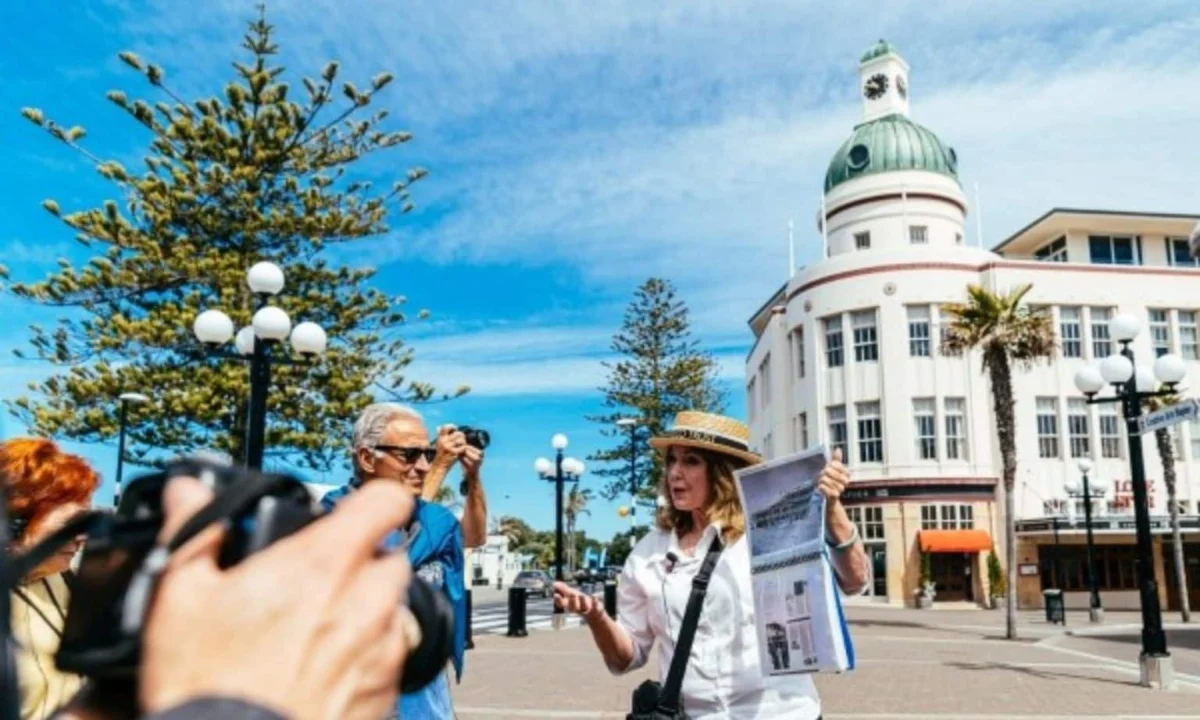
The global sentiment towards large-scale cruise tourism has undergone a dramatic shift in recent years, with destinations worldwide grappling with the environmental and social impacts of ever-larger vessels. Venice famously implemented restrictions on large cruise ships, allowing only smaller craft to navigate its delicate waterways, and Amsterdam is currently undertaking a significant relocation of its cruise terminals to mitigate the influx of both small and large ships within its urban core. This growing "anti-cruise" sentiment is not isolated; France, Alaska, Greece, Spain, and Croatia are all experiencing increased local pressure, leading governments to consider or enact measures to reduce or even ban cruise ship calls.
However, amidst this global trend, New Zealand offers a compelling case study in how a destination can pivot from an unwelcoming stance to a receptive one, successfully re-establishing its appeal to the cruise industry. A recent experience walking down Napier’s art-deco-adorned Emerson Street painted a vivid picture of this shift. Numerous shops and cafes proudly displayed signs welcoming cruise passengers, offering a variety of discounts and promotions. This enthusiasm was not confined to Napier; the arrival of the Crown Princess, carrying nearly 3,000 passengers eager to explore, was met with widespread excitement across several New Zealand ports. In Tauranga, a driver and guide named Andrew candidly expressed the local sentiment: "We love getting the cruise ships." This positive reception extended to other key cruise destinations, including Wellington, Christchurch, and Port Chalmers (Dunedin), where dedicated volunteers provided maps and expert advice to disembarking passengers.
A Shift from High Hurdles to Open Arms
This welcoming atmosphere stands in stark contrast to New Zealand’s recent past. Until relatively recently, the country’s approach to cruise lines was characterized by significant obstacles. High port charges and exceptionally stringent biosecurity regulations were a common feature, with some ships even being denied entry until their hulls underwent rigorous cleaning. Furthermore, there were discussions about banning cruise ships from the breathtaking scenic cruising of Milford Sound. This potential prohibition would have significantly impacted a key highlight for many cruise lines, as Azamara Cruises chief international sales officer, David Siewers, described it as "always a highlight for our guests when visiting New Zealand."
The underlying issue with New Zealand’s previous, more restrictive approach, as pointed out by industry insiders, was a failure to fully consider the mobility of cruise ships. When operational conditions become too challenging or financially burdensome, cruise lines have the flexibility to redirect their itineraries. This flexibility proved to be a double-edged sword for New Zealand. As cruise ship calls diminished, the livelihoods of numerous local businesses and individuals were impacted. Attractions, tour operators, shops, restaurants, and transportation providers, many of whom were still reeling from the economic fallout of the COVID-19 pandemic, faced a further decline in revenue.
The Grim Reality and a Necessary Wake-Up Call
The impact of these restrictive policies, coupled with broader global travel trends, became starkly evident. The current cruise season, according to the New Zealand Cruise Association, has seen a significant decline in cruise ship calls, reportedly down by more than 40%. This precipitous drop served as a critical wake-up call for the New Zealand government, prompting a re-evaluation of its strategy towards cruise tourism.
While operational costs for cruise lines remain high, and biosecurity regulations continue to be rigorously enforced – with the potential for in-depth inspections covering aspects like recycling processes and the origin of onboard produce – there has been a tangible shift in the government’s engagement with the industry. Charles Verwaal, who oversees hotel operations across the Princess Cruises fleet, noted a significant change: "There is more clarity and cooperation from the authorities. The industrial ports we have to use are not ideal, so there is room for improvement, but everyone is more welcoming, friendlier, and helpful." This sentiment is echoed by David Siewers of Azamara, who expressed that the company is "genuinely encouraged by the New Zealand government’s increasingly progressive stance toward cruise tourism." He further highlighted the positive impact of "meaningful investments being made in terminal infrastructure and port development," adding that this "forward-thinking approach bodes well for the entire industry and demonstrates a welcome commitment to sustainable cruise growth."
A Timeline of Change and Future Prospects
The shift in New Zealand’s approach can be broadly traced over the past few years. Initially, a period of heightened environmental concerns and local opposition led to the implementation of stricter regulations and higher charges. This era saw a decline in cruise ship interest and a subsequent economic impact on tourism-dependent communities. The stark economic reality of reduced cruise calls, particularly in the post-pandemic recovery period, appears to have catalyzed a more collaborative dialogue between the government and the cruise industry.
This dialogue has focused on finding a balance between environmental stewardship and economic benefit. Instead of outright bans or prohibitive measures, the focus has shifted towards optimizing port operations, improving infrastructure, and ensuring sustainable practices. The result is a renewed sense of partnership, where cruise lines feel more valued and supported.
Supporting Data and Industry Reactions
The New Zealand Cruise Association’s figure of over 40% fewer cruise ship calls this season underscores the severity of the situation that prompted the policy shift. This decline represents a substantial loss of potential economic activity. Cruise tourism is a significant contributor to local economies, generating revenue through passenger and crew spending on shore excursions, dining, retail, and transportation. For every cruise ship call, it is estimated that hundreds of thousands of dollars can be injected into the local economy.
The industry’s positive reactions are crucial indicators of this positive change. Azamara’s expanded program for 2027 and 2028, including a New Zealand-intensive round-trip cruise from Auckland on the Azamara Pursuit in January 2028, signals strong confidence in the destination. Oceania Cruises is also demonstrating its commitment by deploying one of its newest ships, the Oceania Vista, to the region for the 2027/28 season. The Vista will operate two cruises in New Zealand: one sailing from Sydney to Auckland, and another retracing the route back to Sydney, replacing the Riviera on these itineraries.
Princess Cruises, a major player in the Australasian market, has also affirmed its renewed interest. The company will have two ships cruising in New Zealand this season and next, with itineraries originating from Brisbane and Sydney, respectively. Additionally, other Princess ships will visit New Zealand as part of their broader transit routes in the region. As Verwaal of Princess Cruises confirmed, "We definitely have a greater desire to come." This increased desire translates directly into more cruise ship visits, higher passenger numbers, and consequently, greater economic benefits for New Zealand.
Broader Impact and Implications
The implications of New Zealand’s successful pivot are far-reaching. For the cruise industry, it signifies a destination that is responsive to their needs and committed to fostering a mutually beneficial relationship. This can lead to more consistent and predictable cruise itineraries, allowing lines to plan their schedules with greater confidence.
For New Zealand, the return of cruise ships means a vital boost to its tourism sector. This is particularly important for regional economies that rely heavily on visitor spending. The renewed focus on infrastructure development, such as improvements to terminal facilities, not only benefits cruise passengers but can also enhance the overall visitor experience for all types of tourists.
Furthermore, the emphasis on "sustainable cruise growth," as highlighted by Azamara, suggests a more mature and responsible approach to tourism. This involves working collaboratively to minimize environmental impact, manage passenger flows effectively in port towns, and ensure that the benefits of cruise tourism are broadly distributed within the local communities. New Zealand’s journey from an unwelcoming stance to one of proactive engagement offers valuable lessons for other destinations wrestling with the complexities of modern cruise tourism, demonstrating that a balanced and collaborative approach can indeed lead to a more prosperous and sustainable future for all stakeholders. The success story unfolding in New Zealand highlights the power of adaptation and the rewards of fostering strong partnerships in the dynamic world of global travel.



 Anjar Salim
 Tatiana Tantri Indah Sari
 Walid Sujud Trenggono
 Budi Mulyono