
 Lukman Taruna Persada Ramadan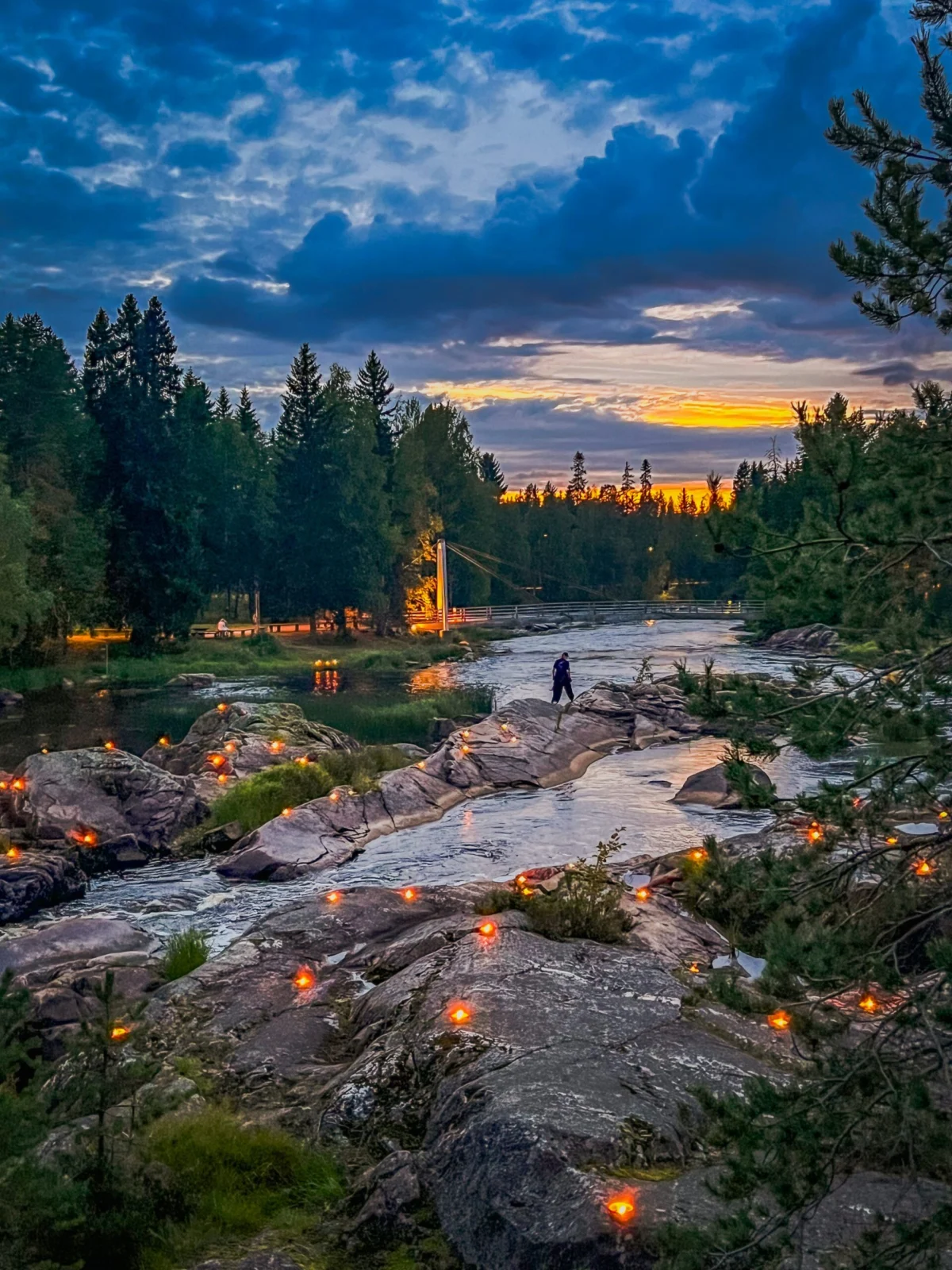
The European Union has officially designated Oulu, Finland, and Trenčín, Slovakia, as the European Capitals of Culture (ECoC) for the year 2026. This prestigious title, awarded annually, recognizes cities for their rich cultural heritage and ambitious programs designed to promote cultural diversity, strengthen European identity, and drive urban regeneration through art and creativity. Both cities are now embarking on a multi-year journey of preparation, planning extensive calendars of events and initiatives aimed at engaging residents and attracting international visitors, thereby cementing their place on Europe’s cultural map.
The Genesis and Evolution of the European Capital of Culture Initiative
The European Capital of Culture initiative, a cornerstone of the European Union’s cultural policy, was first conceived in 1985 by the then Greek Minister of Culture, Melina Mercouri, and her French counterpart, Jack Lang. Their vision was to highlight the richness and diversity of European cultures, foster a sense of shared identity among European citizens, and demonstrate the crucial role of culture in urban development. Since its inception with Athens as the inaugural title-holder, over 60 cities across Europe have proudly borne this title, each leveraging the designation as a powerful catalyst for transformation.
The primary objectives of the ECoC program are multifaceted: to promote the cultural diversity of Europe, to strengthen the sense of belonging to a common cultural area among European citizens, and to foster culture’s contribution to the long-term development of cities. Beyond these cultural aspirations, the ECoC designation has consistently proven to be a robust driver for urban regeneration, significantly boosting tourism, enhancing the international profile of the chosen cities, and improving the perception of these cities among their own residents. The selection process is rigorous and competitive, typically involving a multi-stage application procedure where cities submit detailed cultural programs and strategic visions. A panel of independent experts evaluates bids based on criteria such as the European dimension of the program, its artistic content, the capacity to deliver, and its long-term impact. Cities are formally designated approximately four years before their title year, providing ample time for meticulous planning, securing funding, establishing European and international partnerships, and ensuring the necessary cultural and physical infrastructure is in place to host a year-long celebration. This extended preparation period is crucial for embedding the ECoC program within a broader, long-term cultural strategy, ensuring a lasting legacy beyond the designated year.
Oulu, Finland: Embracing "Cultural Climate Change"
Located in northern Finland, Oulu is a dynamic city known for its unique blend of technology, nature, and cultural innovation. Its selection as a European Capital of Culture for 2026 promises a vibrant year under the overarching theme of "Cultural Climate Change." This theme is not merely an environmental statement but a profound metaphorical exploration of transformation, focusing on connecting diverse cultural expressions, fostering community engagement, and driving positive change through the arts. Oulu aims to enhance its cultural visibility significantly, engaging both its residents and a wide array of international visitors in a year-long dialogue on how culture can be a powerful force for societal evolution.
Oulu’s program is expected to weave together the city’s unique characteristics, from its proximity to the Arctic Circle to its status as a hub for technological advancement. Initiatives will likely span a wide spectrum of cultural disciplines, including music festivals showcasing local and international talent, innovative digital art installations that leverage Oulu’s tech expertise, and performances that explore the rich heritage of the indigenous Sámi people, who have a significant presence in the broader northern Finnish region. The concept of "Cultural Climate Change" will manifest in projects promoting sustainability through art, fostering cross-cultural dialogue, and encouraging citizen participation in co-creating cultural experiences. This approach underscores Oulu’s commitment to using culture as a tool for societal development, addressing contemporary challenges, and building a more inclusive and resilient community. The city’s bid emphasized its desire to create a lasting impact, transforming Oulu into a more culturally vibrant and internationally recognized destination, while also fostering a deeper sense of pride and ownership among its citizens.
Trenčín, Slovakia: "Cultivating Curiosity" for Regeneration
Situated in western Slovakia, within the central Váh River valley and near the Czech border, Trenčín is a city steeped in history, famously dominated by its majestic medieval castle perched dramatically on a rocky outcrop. With origins tracing back to Roman times, the city’s rich past provides a compelling backdrop for its designation as a European Capital of Culture for 2026. Trenčín’s bid was championed under the inspiring slogan "Cultivating Curiosity," a concept envisioned as a potent catalyst for cultural change and urban regeneration. This theme is understood as a means to foster care, responsibility, interest, and empathy within the community and beyond.

The selection report lauded "curiosity" as "the main precondition to learn and create a creative and flexible environment" capable of responding to emerging challenges and contributing to solutions for existing ones. Trenčín’s vision is to align the city with contemporary cultural expressions rooted deeply in collaboration and co-creation, connecting its storied past with its future, the urban landscape with surrounding nature, and high culture with everyday life. The program for Trenčín 2026 is anticipated to be a diverse tapestry celebrating art and crafts, historical narratives, and modern interpretations. Visitors can expect a calendar brimming with events ranging from historical reenactments within the castle walls, contemporary art exhibitions in renovated public spaces, craft workshops showcasing traditional Slovak skills, and music festivals that blend folk traditions with modern genres. Special emphasis is expected on fostering cross-border cooperation, given Trenčín’s strategic location, and on engaging its diverse population in cultural dialogue and participatory art projects. The ECoC title offers Trenčín an unparalleled opportunity to revitalize its cultural infrastructure, boost its tourism appeal, and project a dynamic image of Slovakia’s cultural vibrancy onto the European stage, thereby creating a lasting legacy of cultural engagement and urban development.
Chronology of European Capital of Culture Designations
The European Capital of Culture program operates on a structured timeline, with cities typically designated four years in advance to ensure thorough preparation. This rigorous planning phase is critical for the success and long-term impact of the ECoC year. For Oulu and Trenčín, their official designation for 2026 would have occurred in 2022, following a comprehensive application and evaluation process that began even earlier.
Looking at the broader timeline, the program consistently highlights different regions and cultural nuances across Europe.
- 2023 saw Timișoara, Romania; Elefsina, Greece; and Veszprém, Hungary, hold the title, showcasing a blend of post-industrial regeneration, ancient heritage, and vibrant artistic communities.
- 2024 features Tartu, Estonia; and Bad Ischl-Salzkammergut, Austria. Tartu, a university city, focuses on scientific and intellectual heritage, while Bad Ischl-Salzkammergut, a rural region, emphasizes the cultural landscape and Alpine traditions.
- 2025 is set to celebrate Chemnitz, Germany, and the cross-border Slovenian/Italian cities of Nova Gorica/Gorizia. Chemnitz, an industrial city, aims for a cultural renaissance rooted in its working-class history, while Nova Gorica/Gorizia represents a unique example of cross-border cultural collaboration, bridging historical divides through shared artistic endeavors.
The consistent cycle of designations underscores the EU’s unwavering commitment to cultural exchange and the strategic use of culture as a tool for socio-economic development across the continent. Each city, irrespective of its size or prior international recognition, brings its unique narrative and cultural contributions to the European tapestry, reinforcing the program’s core mission of unity in diversity.
Supporting Data and Economic Impact
The impact of the European Capital of Culture title extends far beyond cultural enrichment; it serves as a powerful economic engine and a catalyst for urban transformation. Studies and post-event analyses consistently demonstrate significant boosts in tourism, job creation, and local economic activity in host cities. For instance, Liverpool’s ECoC year in 2008 generated an estimated £800 million for the local economy and attracted over 9.7 million visitors. Similarly, Matera, Italy, as an ECoC in 2019, saw a substantial increase in tourist numbers and a revitalization of its historical Sassi districts.
For Oulu, Finland, the designation is expected to further enhance its appeal as a destination combining natural beauty with technological innovation. Finland, known for its high quality of life, robust education system, and unique design aesthetic, already attracts a significant number of tourists. Oulu’s ECoC year will likely amplify this, drawing visitors keen to experience its "Cultural Climate Change" theme, which resonates with global discussions on sustainability and innovation. The investment in cultural infrastructure and events is projected to create hundreds of jobs in the cultural, tourism, and hospitality sectors, fostering a sustained economic uplift.
In Trenčín, Slovakia, the ECoC title provides a unique opportunity for a city with a rich historical legacy to present a modern cultural narrative. Slovakia, a country that joined the EU in 2004, has been steadily growing its tourism sector. Trenčín’s historical castle and its strategic location near the Czech border offer significant potential for cross-border tourism. The "Cultivating Curiosity" theme is poised to attract visitors interested in Central European heritage, contemporary Slovak art, and collaborative cultural projects. Economic forecasts suggest an increase in visitor expenditure, investment in local businesses, and a strengthening of the city’s international brand, contributing to the overall economic development of the Trenčín region and Slovakia as a whole. Both cities anticipate leveraging the ECoC platform to secure additional national and EU funding for cultural projects, ensuring the long-term sustainability of their cultural initiatives.
Official Responses and Forward-Looking Statements
The announcements of Oulu and Trenčín as European Capitals of Culture for 2026 have been met with immense enthusiasm and a sense of profound responsibility from city officials, national governments, and cultural stakeholders. While specific direct quotes were not provided in the original text, it is standard practice for designated cities to issue statements reflecting their commitment and vision.

Hypothetically, an official from Oulu might express sentiments akin to: "We are incredibly honored to be named a European Capital of Culture. This title is a recognition of Oulu’s vibrant cultural scene and our innovative spirit. Our ‘Cultural Climate Change’ theme is an invitation to Europe and the world to join us in exploring how culture can drive positive transformation, foster sustainability, and connect diverse communities, particularly in our unique northern environment. We are committed to delivering a year that will leave a lasting legacy for our residents and establish Oulu as a leading cultural hub." This would underscore the city’s pride and its focus on the transformative power of culture.
Similarly, a representative from Trenčín might articulate their vision by stating: "Becoming a European Capital of Culture is a momentous occasion for Trenčín and for Slovakia. Our ‘Cultivating Curiosity’ project is more than just a slogan; it’s a philosophy that will guide our entire program, inspiring creativity, collaboration, and a deeper understanding of our shared European heritage. We look forward to welcoming visitors to discover our rich history, engage with our contemporary arts, and experience the warm hospitality of Trenčín. This title will be a powerful catalyst for urban regeneration and will enhance our international profile for years to come." Such a statement would emphasize the city’s historical roots, its forward-looking cultural strategy, and the expected long-term benefits. These hypothetical responses reflect the typical optimism and strategic outlook associated with such a significant European designation, highlighting both the immediate excitement and the long-term strategic goals.
Broader Impact and Implications for Europe
The designation of European Capitals of Culture extends far beyond the immediate economic and cultural benefits for the selected cities; it carries significant broader implications for the entire European continent. At its core, the ECoC program reinforces the idea of a shared European cultural space, fostering a sense of collective identity while celebrating national and regional distinctiveness. It acts as a powerful tool for cultural diplomacy, promoting understanding and dialogue across borders, and strengthening Europe’s position as a global cultural powerhouse.
One of the most profound implications is the program’s role in urban regeneration and sustainable development. Cities often use the ECoC year as a strategic deadline to undertake ambitious infrastructure projects, revitalize neglected urban areas, and invest in cultural facilities that serve the community long after the title year concludes. This leads to improved public spaces, better accessibility to culture, and a higher quality of life for residents. The focus on long-term cultural strategies ensures that the ECoC is not merely a one-off event but a springboard for sustained cultural development, capacity building within local cultural sectors, and the creation of enduring international networks.
Furthermore, the ECoC initiative plays a crucial role in promoting cultural diversity and inclusion. Each city, with its unique history and demographics, brings different cultural narratives to the forefront, from indigenous traditions to contemporary artistic expressions. This celebration of diversity challenges stereotypes, encourages intercultural dialogue, and makes culture accessible to a wider audience, including marginalized communities. The program often involves extensive community participation, fostering social cohesion and empowering citizens to engage actively in their city’s cultural life.
Finally, the ECoC designation significantly enhances the international profile and reputation of the chosen cities and, by extension, their respective countries. It attracts international media attention, boosts tourism, and creates new opportunities for international partnerships in various sectors, from education and business to arts and technology. This heightened visibility can lead to increased foreign investment, skilled migration, and a more dynamic global image. For Oulu and Trenčín in 2026, their respective themes of "Cultural Climate Change" and "Cultivating Curiosity" are poised to contribute unique perspectives to these broader European objectives, demonstrating how culture can address contemporary global challenges and inspire future generations across the continent.
The selection of Oulu, Finland, and Trenčín, Slovakia, as the European Capitals of Culture for 2026 marks the beginning of an exciting and transformative journey for both cities. Their distinct themes, "Cultural Climate Change" and "Cultivating Curiosity," respectively, promise a year rich in innovative cultural programs designed to engage, inspire, and connect. As they prepare to host a year-long celebration of art, heritage, and community, these cities will not only showcase their unique cultural identities but also contribute to the broader European project of fostering unity through diversity, driving urban regeneration, and strengthening the continent’s vibrant cultural landscape for years to come.


 Anjar Salim
 Chandra Hamzah
 Gabriela Annisa
 Susilo Edi Turonggo
 Tatiana Tantri Indah Sari
 Hendra Ismail