Budi Mulyono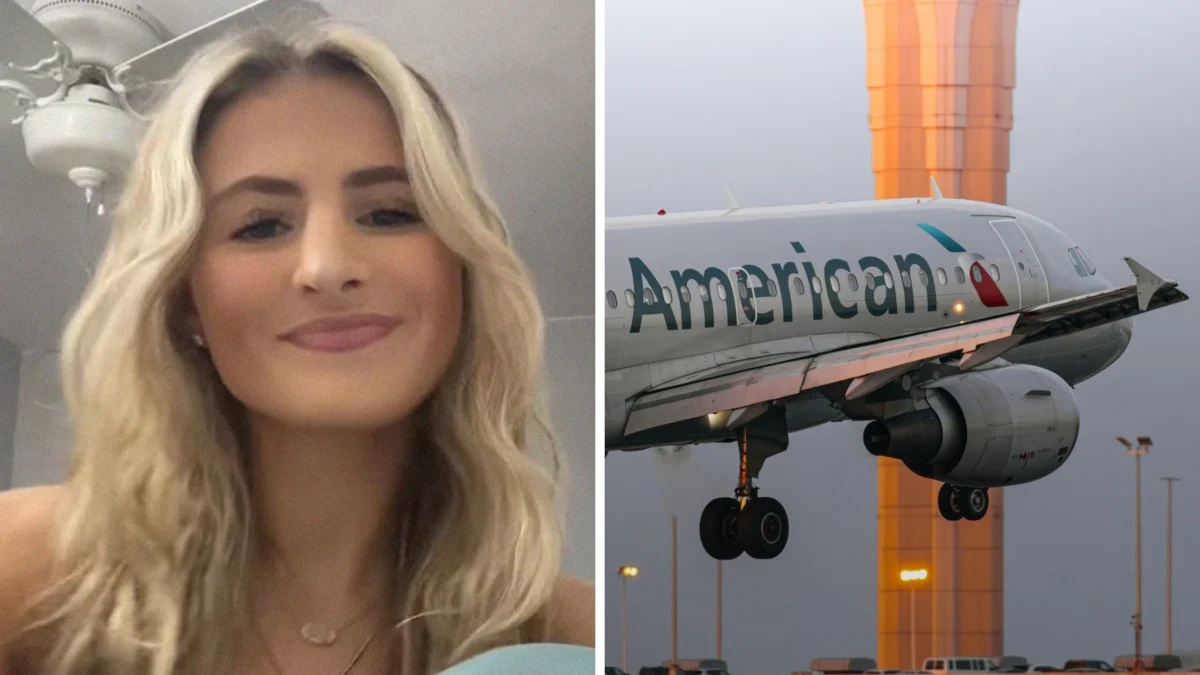
The complexities of modern air travel have once again been thrust into the public spotlight following a viral social media post documenting a significant breach of in-flight etiquette on an American Airlines flight. The incident, captured and shared by TikTok user Makenna Balcezak (@makennabalcezak), has reignited a global conversation regarding personal space, the responsibilities of passengers in confined environments, and the role of airline staff in mediating interpersonal disputes. The video, which has amassed over 308,000 views and thousands of comments, highlights a growing trend of "travel horror stories" that utilize social media as a platform for public arbitration of passenger behavior.
The Chronology of the Obstruction Incident
The incident occurred during a standard domestic flight operated by American Airlines. According to the visual evidence and descriptions provided by Balcezak, the conflict began shortly after the aircraft reached cruising altitude. The passenger seated directly in front of Balcezak draped her long, loose hair over the back of the seat, a move that completely obscured the seatback in-flight entertainment (IFE) screen designated for Balcezak’s use.

In a series of recorded interactions, Balcezak is seen attempting to manage the situation through non-confrontational physical adjustments. She gently lifted and moved the hair to the side to restore her line of sight to the screen. However, the passenger in front reportedly responded by immediately flipping the hair back over the seat, re-obstructing the monitor. This cycle repeated, suggesting a deliberate refusal to acknowledge the spatial boundaries of the passenger behind. Balcezak captioned the video with a succinct expression of frustration: "I hate flying omg," framing the experience as a quintessential example of the modern "flight horror story."

Quantitative Impact and Social Media Reception
The digital footprint of the incident provides a clear metric of public sentiment regarding air travel etiquette. Within days of posting, the clip surpassed 300,000 views, a figure that continues to climb as the content is shared across various travel forums and news aggregators. The comment section serves as a repository for collective passenger grievances, with reactions ranging from humorous suggestions to calls for strict airline intervention.
A significant portion of the engagement involved "retaliatory fantasies," a common psychological response to perceived injustices in closed environments. Frequent fliers joked about using chewing gum, condiments, or even scissors—items strictly regulated by the Transportation Security Administration (TSA)—to address the hair obstruction. While these suggestions were largely hyperbolic, they underscore a deeper level of passenger irritability. Conversely, a more serious subset of the audience advocated for the involvement of cabin crew, arguing that such behavior constitutes a violation of the "personal space bubble" and should be treated as a minor disturbance.

The Shrinking Cabin: A Catalyst for Interpersonal Conflict
To understand why a situation involving hair can escalate into a viral "horror story," it is necessary to examine the physical environment of modern commercial aviation. Over the past several decades, the economic model of the airline industry has prioritized high-density seating configurations to maximize revenue per flight.

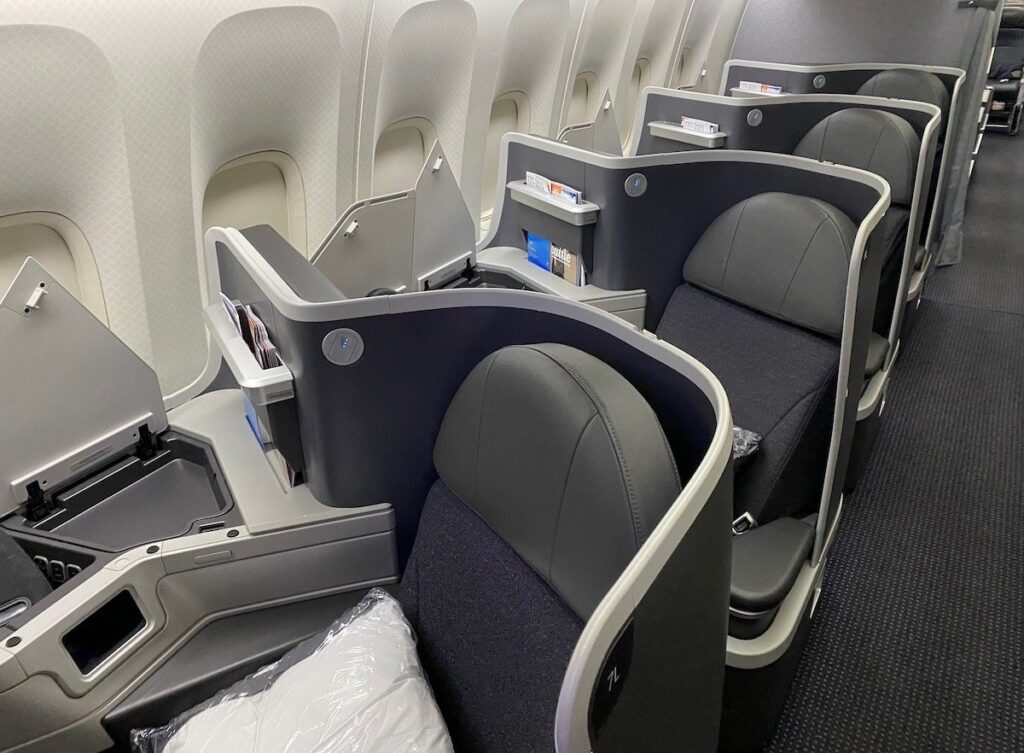
Data from aviation advocacy groups indicates that the average seat "pitch"—the distance from one point on a seat to the same point on the seat in front of it—has decreased from an average of 35 inches in the 1970s to as little as 28 to 31 inches on many modern carriers. Similarly, seat width has narrowed. This physical compression reduces the "buffer zone" between passengers, making them more sensitive to sensory intrusions such as noise, odors, and physical touch. When a passenger’s hair enters the space of another, it is not merely a visual obstruction; it is a physical invasion of the limited territory a passenger has purchased for the duration of the flight.

Legal and Regulatory Framework of In-Flight Behavior
While there is no specific Federal Aviation Administration (FAA) regulation regarding the placement of hair over a seatback, the agency does maintain strict guidelines regarding passenger conduct. Under 14 CFR § 91.11, "no person may assault, threaten, intimidate, or interfere with a crewmember in the performance of the crewmember’s duties aboard an aircraft being operated."
While the hair-draping incident was a dispute between two passengers, such interactions often fall under the purview of flight attendants if the conflict escalates. Flight attendants are trained in conflict de-escalation and are responsible for maintaining a safe and orderly cabin. If a passenger’s behavior—such as repeatedly blocking an IFE screen or refusing to respect personal space—leads to a verbal or physical altercation, it can be classified as "unruly behavior."
According to FAA data, reports of unruly passengers spiked significantly in 2021, reaching nearly 6,000 incidents. While numbers have stabilized in recent years, the threshold for passenger patience remains low. Experts in aviation law suggest that while "etiquette" is not legally enforceable, "disorderly conduct" is. If a passenger’s refusal to move their hair leads to a heated confrontation that distracts the crew from safety duties, the airline has the authority to divert the flight or involve law enforcement upon landing.

Official Responses and Industry Standards
In response to inquiries regarding the incident, American Airlines has not yet issued a formal public statement addressing the specific actions of the passengers involved. However, the carrier’s general "Conditions of Carriage" outline that the airline reserves the right to refuse transport to any passenger whose conduct is "disorderly, abusive, or violent."

Industry standards for cabin crew training increasingly emphasize "soft skills" in managing micro-aggressions between passengers. Flight attendants are often advised to act as neutral third parties. In a scenario like the one documented by Balcezak, a crew member would typically ask the offending passenger to keep their belongings and person within their designated seat area. If the passenger refuses, the crew may offer to reseat the aggrieved party, though this is often impossible on fully booked flights.
The Psychology of the "Personal Space Bubble"
Sociologists who study human behavior in confined spaces point to the "Personal Space Bubble" as a critical factor in travel stress. In a 2024 study on airline passenger etiquette, personal space violations were cited as the most common cause of "air rage." When individuals are forced into close proximity with strangers, they subconsciously establish boundaries to maintain a sense of autonomy.

The act of placing hair over a seatback is viewed by many as a "passive-aggressive" assertion of dominance over the shared environment. For the victim, the inability to control their immediate surroundings leads to a heightened stress response. This explains why Balcezak’s video resonated with so many; it tapped into a universal frustration with the loss of agency that defines the modern economy-class experience.
Best Practices for Conflict Resolution at 35,000 Feet
Travel experts and veteran cabin crew members suggest a tiered approach to resolving etiquette disputes like "Hair-gate":

- Direct, Polite Communication: The first step is often the most difficult but effective. A simple, non-accusatory request such as, "Excuse me, I’m trying to watch a movie and your hair is covering the screen; would you mind moving it?" can resolve many issues where the offender is simply oblivious.
- Documentation: As Balcezak did, recording the incident can provide evidence if the situation escalates or if a formal complaint to the airline is necessary.
- Flight Attendant Intervention: If direct communication fails or if the passenger feels unsafe, the flight attendant should be summoned. It is recommended to do this discreetly, perhaps by walking to the galley, to avoid an audience-fueled escalation.
- Formal Complaint: Following the flight, passengers can use the airline’s digital feedback channels to report the incident. While this does not provide immediate relief, it contributes to the data airlines use to evaluate seat designs and passenger policies.
Broader Implications for the Future of Air Travel
The viral nature of the American Airlines hair incident serves as a signal to the aviation industry that passenger comfort is reaching a breaking point. As airlines continue to experiment with seat configurations and "slimline" designs, the frequency of these interpersonal conflicts is likely to increase.
There is a growing call from consumer advocacy groups for the FAA to establish minimum standards for seat pitch and width, not just for comfort, but for safety and the mitigation of passenger conflict. Until such standards are implemented, the responsibility for a harmonious cabin remains with the passengers themselves. The "Hair-gate" incident stands as a reminder that in the absence of formal rules, the "unspoken rules" of empathy and spatial awareness are the only things preventing a flight from becoming a "horror story."
As social media continues to act as a digital watchdog, passengers are increasingly aware that their behavior is being monitored. Whether this leads to a resurgence of traditional travel etiquette or further polarization in the cabin remains to be seen. For now, the story of Makenna Balcezak remains a cautionary tale for those who forget that while they may have purchased a ticket for a seat, they have not purchased the right to the space of the person behind them.



 Anjar Salim
 Chandra Hamzah
 Tatiana Tantri Indah Sari
 Walid Sujud Trenggono