
 Gabriela Annisa
The Australian flag carrier, Qantas, finds itself in a period of robust financial health and strategic ambition, particularly as it looks to significantly expand its international footprint. With a reported steady 11% annual margin, driven by resilient domestic demand and a booming premium cabin segment, the ‘Flying Kangaroo’ is poised to make substantial leaps in the global aviation landscape. This strong performance, however, is merely a springboard for management’s more expansive international aspirations, which are central to the airline’s long-term growth trajectory and market positioning.
A Resilient Comeback: Domestic Strength and Premium Prowess
Qantas’s recent financial buoyancy is largely attributable to a disciplined operational strategy that capitalized on a resurgence in travel demand following the global pandemic. The domestic market, a traditional stronghold for the airline, has shown remarkable resilience. Routes connecting major capital cities like Sydney, Melbourne, and Brisbane, as well as crucial regional links, have seen consistent high load factors and strong yields. This domestic strength provides a stable revenue base, cushioning the airline against some of the volatility inherent in international markets. The recovery has been underpinned by a combination of pent-up leisure demand, a strong return of business travel, and limited effective competition within the Australian domestic market.
Crucially, the premium cabins – First, Business, and Premium Economy – across both domestic and international routes have performed exceptionally well. This segment, known for its higher yield, has seen increased demand from corporate clients eager to resume face-to-face meetings and from affluent leisure travelers seeking enhanced comfort and service. Qantas has strategically invested in its premium product offering, from lounge experiences to in-flight services, reinforcing its appeal to this lucrative customer base. The strong performance in these segments indicates a willingness by a significant portion of the market to pay for perceived value and convenience, directly contributing to the healthy 11% annual margin. This margin reflects not just top-line revenue growth but also effective cost management and operational efficiencies achieved through strategic network adjustments and a renewed focus on customer service following some post-pandemic operational challenges.
The International Horizon: Ambitions Beyond Australian Shores
While domestic and premium segments provide stability, the true frontier for Qantas’s ambitious growth strategy lies in the international arena. The airline has clearly articulated its intention to expand its global network, aiming to capture a larger share of the lucrative long-haul market. This ambition is not merely about increasing capacity but about strategically connecting Australia to key global hubs and emerging markets, thereby strengthening its position as a leading international carrier.
A cornerstone of this international expansion is "Project Sunrise," Qantas’s visionary plan for ultra-long-haul direct flights connecting Australia’s east coast (Sydney, Melbourne) to major global cities like London and New York. This project, which involves a significant investment in specially configured Airbus A350-1000 aircraft, represents a paradigm shift in global aviation, promising to significantly reduce travel times and enhance convenience for passengers. The first of these A350s is anticipated to be delivered in late 2026, marking a critical milestone in Qantas’s long-term international strategy. These aircraft will be configured with a strong emphasis on premium seating and passenger well-being for journeys lasting up to 20 hours, targeting the highest-value travelers.
Fleet Modernization: The Backbone of Growth
Central to Qantas’s expansion plans is an aggressive fleet modernization program. Beyond the A350s for Project Sunrise, the airline has placed substantial orders for new generation aircraft, including Airbus A321XLRs and A220s, which are designed for greater fuel efficiency and extended range. The A321XLRs, for instance, are expected to open up new direct routes to smaller international markets from Australia, bypassing traditional hub-and-spoke models and offering greater point-to-point connectivity. This not only enhances passenger convenience but also allows Qantas to serve destinations that might not warrant a larger wide-body aircraft, thus optimizing network efficiency and profitability.
The introduction of these new aircraft types will gradually replace older, less fuel-efficient models, leading to significant reductions in operating costs and carbon emissions. This strategic investment in modern aircraft underscores Qantas’s commitment to both financial sustainability and environmental responsibility, aligning with broader industry trends towards greener aviation. The younger fleet also promises an enhanced passenger experience, with updated cabin interiors, better connectivity, and improved comfort features, which are crucial for maintaining a competitive edge in the premium travel segment.
Network Expansion and Strategic Alliances
Beyond Project Sunrise, Qantas has been steadily expanding its international network, re-establishing and launching new routes to key destinations. Recent additions have included direct services to cities like Perth-Paris and Sydney-Rome, catering to a growing demand for non-stop travel. The airline has also been strengthening its presence in Asia, a vital market for both business and leisure travel, through increased frequencies and new routes to destinations like Jakarta, Bangalore, and Seoul.
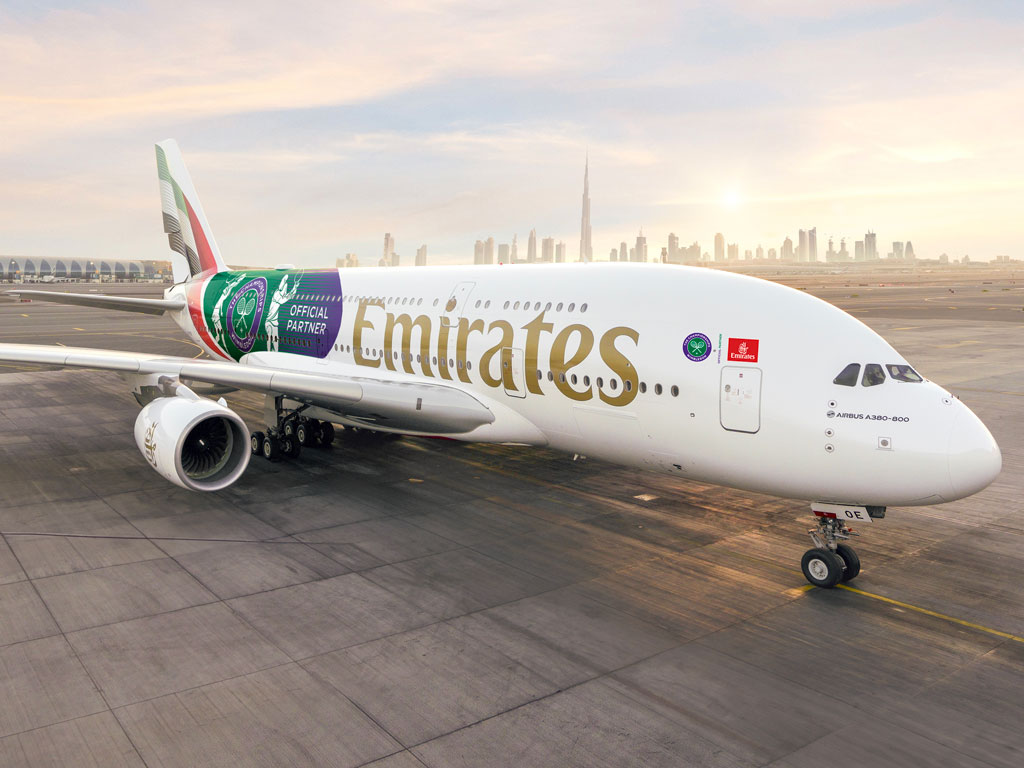
Strategic alliances continue to play a crucial role in Qantas’s global strategy. Partnerships with airlines like Emirates and American Airlines provide Qantas passengers with seamless connectivity to an extensive network beyond its own routes, particularly into Europe, the Middle East, and North America. These codeshare agreements allow Qantas to offer a broader range of destinations without the need for direct investment in additional aircraft or routes, optimizing resource allocation while enhancing customer value. The synergy derived from these alliances is integral to Qantas’s ability to compete effectively against other global mega-carriers.
Navigating the Post-Pandemic Landscape: A Chronology of Recovery
Qantas’s current strong position is the culmination of a challenging yet ultimately successful recovery trajectory following the unprecedented disruption of the COVID-19 pandemic.
From Grounded Fleets to Soaring Profits (2020-2022)
In early 2020, like airlines globally, Qantas faced an existential crisis, grounding its entire international fleet and significantly reducing domestic operations. Thousands of employees were stood down, and the airline relied heavily on government support and aggressive cost-cutting measures. The initial phase of recovery, spanning 2020 and 2021, focused on survival, liquidity preservation, and gradual restoration of domestic capacity as internal borders reopened. By late 2021 and early 2022, as international travel restrictions began to ease, Qantas commenced the slow process of reactivating its wide-body fleet and rebuilding its global network, prioritizing key routes with strong demand.
Rebuilding Trust and Capacity (2023)
The year 2023 was marked by a significant ramp-up in capacity, but also by operational challenges, including flight delays, cancellations, and baggage handling issues, which led to considerable public scrutiny and a decline in customer satisfaction. Qantas management acknowledged these issues and launched concerted efforts to improve operational reliability, invest in staffing, and enhance customer service. This period also saw the airline navigating rising fuel costs and inflationary pressures, demonstrating a disciplined approach to yield management to maintain profitability amidst these headwinds. Towards the end of 2023, the airline reported a significant improvement in on-time performance and customer feedback, signaling a successful turn-around in operational stability.
Strategic Pivot and Future Outlook (2024 onwards)
The transition in leadership from long-serving CEO Alan Joyce to Vanessa Hudson in September 2023 marked a new chapter for Qantas. While maintaining the core strategic pillars, Hudson’s tenure has placed a renewed emphasis on customer experience, operational excellence, and sustainable growth. The current period (2024 onwards) is characterized by a strong focus on executing the international expansion strategy, particularly with Project Sunrise, and continuing the fleet renewal program. The airline is also deepening its commitment to environmental targets, including investments in Sustainable Aviation Fuel (SAF) and carbon offsetting initiatives, as part of its broader sustainability agenda.
Financial Performance and Market Indicators
Qantas’s recent financial reports underscore its robust health. For the most recent full fiscal year, the airline reported a significant underlying profit before tax, rebounding strongly from pandemic-era losses. While specific figures can fluctuate, the reported 11% annual margin is indicative of strong operating leverage. Total revenue has seen substantial growth, often exceeding pre-pandemic levels, driven by both increased capacity and higher yields. The Qantas Loyalty program, a significant contributor to the group’s profitability, continues to thrive, with millions of members actively engaging with the ecosystem of points, rewards, and partnerships. This segment provides a consistent, high-margin revenue stream, diversifying the group’s earnings base beyond core airline operations.
Passenger load factors, particularly on international routes, have consistently been high, often exceeding 85%, indicating strong demand for Qantas services. The airline’s disciplined approach to capacity management, ensuring supply meets demand, has been critical in maintaining strong yields and profitability. Furthermore, Qantas has implemented effective fuel hedging strategies to mitigate the impact of volatile global oil prices, providing a degree of financial stability in a key operating cost area.
Industry Perspectives and Expert Analysis
Industry analysts widely commend Qantas’s disciplined strategy and its successful post-pandemic recovery. Many view the airline’s focus on premiumization and ultra-long-haul direct flights as a shrewd move to differentiate itself in a highly competitive market. "Qantas has successfully leveraged its brand strength and domestic market dominance to fund ambitious international expansion," stated a leading aviation analyst from CAPA Centre for Aviation. "Project Sunrise, while capital-intensive, positions them uniquely in the global ultra-long-haul segment, potentially capturing a high-yield niche."
However, analysts also point to potential challenges. The significant capital expenditure required for fleet renewal and Project Sunrise necessitates continued strong cash flow. Global economic uncertainties, geopolitical tensions, and potential fluctuations in fuel prices remain external risks. Moreover, the competitive landscape in international aviation is fierce. While Qantas enjoys a geographic advantage from Australia, it faces robust competition from well-established Asian, Middle Eastern, and North American carriers that operate extensive networks and offer competitive pricing and service. Qantas’s ability to maintain its premium positioning and operational excellence will be crucial in fending off these competitors.
Broader Economic and Societal Implications
Qantas’s strategic trajectory has significant implications for Australia’s economy and society.
Contribution to Australian Economy
As the national flag carrier, Qantas plays a vital role in connecting Australia to the world, facilitating tourism, trade, and cultural exchange. Increased international capacity and new direct routes are expected to boost inbound tourism, creating jobs across the hospitality and services sectors. Enhanced connectivity also benefits Australian businesses by providing more efficient access to global markets for exports and imports, contributing to economic growth. The airline itself is a major employer, supporting thousands of jobs directly and indirectly throughout its supply chain.
Sustainability and Innovation
Qantas has committed to ambitious sustainability targets, including achieving net-zero emissions by 2050. Its fleet modernization program is a key component of this, with new aircraft offering substantial reductions in fuel burn and emissions per seat. The airline is also actively exploring and investing in Sustainable Aviation Fuel (SAF) initiatives, aiming for 10% SAF usage by 2030 and 60% by 2050. These efforts position Qantas as a leader in sustainable aviation within the Asia-Pacific region, aligning with global environmental objectives and consumer demand for greener travel options. Innovation extends to customer experience, with continued investment in digital platforms, personalized services, and advanced in-flight entertainment.
The Customer Experience Imperative
Following the operational challenges of 2023, Qantas has placed a renewed emphasis on improving the overall customer experience. This includes investments in airport infrastructure, enhanced digital tools for booking and managing travel, and comprehensive staff training programs. The success of its international expansion, particularly with premium offerings like Project Sunrise, will heavily depend on delivering a consistently high level of service that justifies its premium pricing and brand reputation. Listening to customer feedback and continuously evolving its product and service offerings will be paramount for sustained success.
In conclusion, Qantas stands at an exciting juncture, having successfully navigated a period of unprecedented disruption to emerge as a financially robust and strategically ambitious airline. With a solid domestic foundation and a clear vision for international growth, spearheaded by Project Sunrise and a modern fleet, the ‘Flying Kangaroo’ is set to redefine its place in the global aviation landscape. The journey ahead, while promising, will require meticulous execution, sustained operational excellence, and an unwavering commitment to both profitability and customer satisfaction as Qantas aims to truly hop higher on the world stage.



 Anjar Salim
 Chandra Hamzah
 Susilo Edi Turonggo
 Tatiana Tantri Indah Sari
 Hendra Ismail