
 Budi Mulyono
The Qantas Frequent Flyer program has undergone a significant technical evolution with the quiet introduction of a new region-based search tool designed to simplify the identification of Classic Reward seats. This digital overhaul represents a strategic shift in how the airline manages its loyalty interface, moving away from the traditional, labor-intensive method of searching for individual flight dates and specific city pairs. While the tool significantly enhances the user experience by providing a broader view of available inventory across a 12-month window, industry analysts note that it serves as a functional improvement to discoverability rather than a solution to the underlying shortage of premium cabin availability. For years, the primary grievance among the program’s 16 million members has been the difficulty of redeeming points for Business and First Class international travel, a challenge that remains despite the improved visibility offered by the new interface.
The Evolution of the Classic Reward Search Interface
Historically, the process of booking a Classic Reward seat—a fixed-price redemption that offers the highest value for frequent flyer points—was a fragmented and often frustrating experience. Users were required to input specific dates and destinations, frequently encountering "no results found" screens that necessitated dozens of manual adjustments to travel dates and transit cities. This inefficiency gave rise to a niche industry of third-party "award flight" search engines and professional booking services that charged fees to navigate the airline’s opaque inventory.
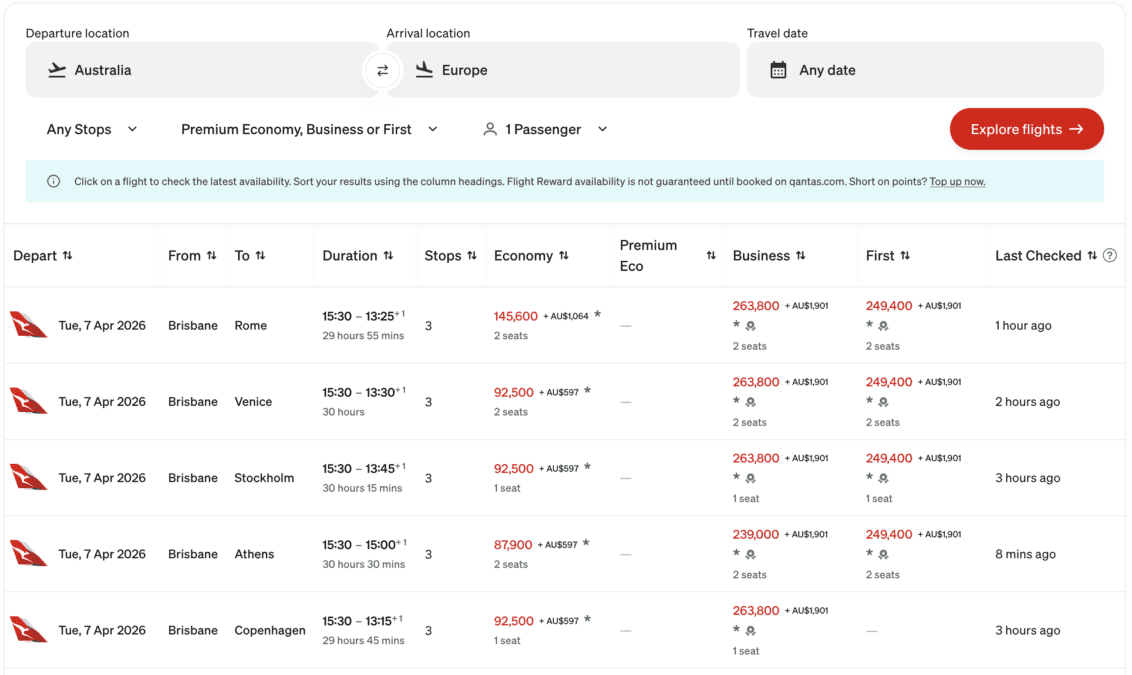
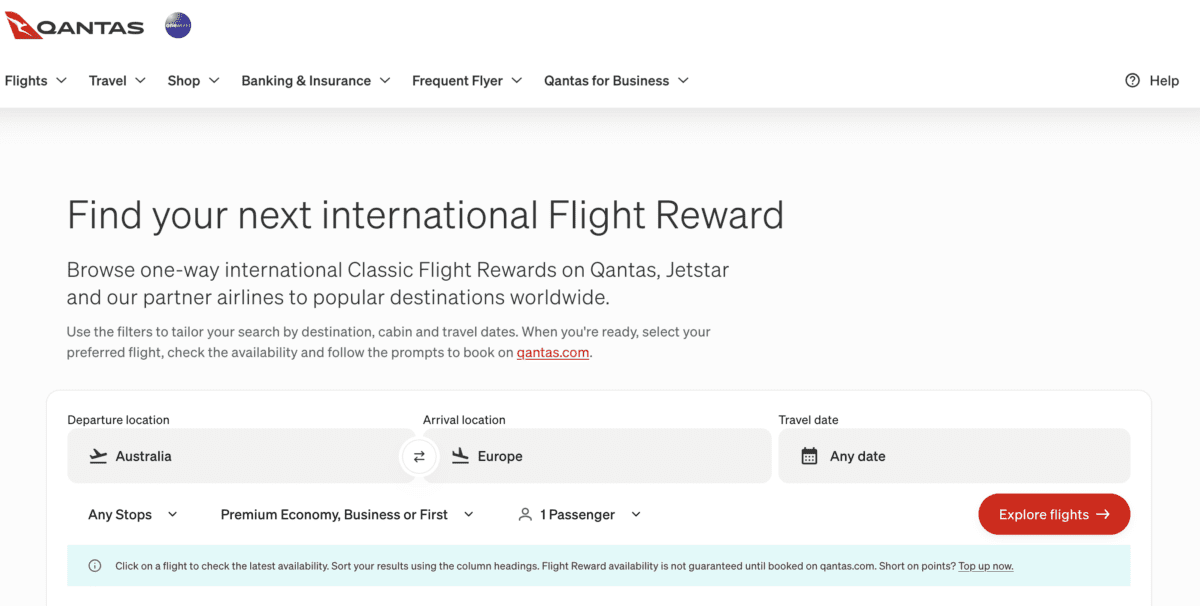
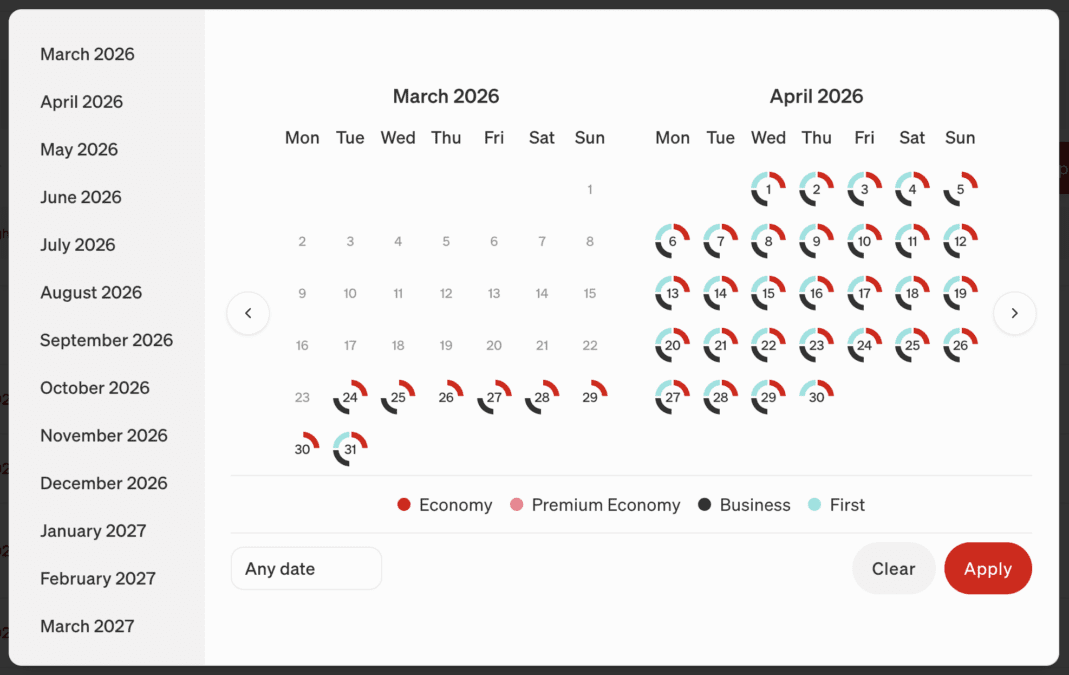
The newly deployed tool addresses these procedural bottlenecks by allowing members to conduct "region-to-region" searches. Instead of searching specifically for "Sydney to London" on a single date, users can now select "Australia" as an origin and "Europe" as a destination. The system then aggregates data to show availability across multiple arrival cities—such as Paris, Madrid, or Rome—and various transit hubs, including Singapore, Hong Kong, and Dubai. This macro-level view allows travelers to identify patterns in seat releases and select dates based on where the seats are actually located, rather than guessing where they might be.
Technical Capabilities and the 12-Month Visibility Window
The most notable feature of the updated search engine is its ability to display availability across a rolling 12-month calendar. This long-term visibility is supplemented by a graphical representation of seat availability by cabin class over time. By presenting data in a visual graph, the tool allows frequent flyers to see at a glance which months are "peak" for reward redemptions and which offer more frequent openings.
Crucially, the tool integrates inventory from Qantas’ extensive network of partner airlines. This includes fellow Oneworld alliance members such as Cathay Pacific, British Airways, and Finnair, as well as standalone partners like Emirates and Jetstar. When a user searches for travel to Europe, the tool now displays a comprehensive list of routings, which may include flying Qantas via Singapore or utilizing Cathay Pacific via Hong Kong. However, initial testing of the tool suggests that certain partners, such as Japan Airlines and Oman Air, may not yet be fully integrated into the regional search results, indicating that the rollout may still be in a refinement phase.
Comparative Value: Classic Rewards vs. Classic Plus
The timing of this tool’s release is viewed by aviation industry observers as a tactical response to the mixed reception of "Classic Plus" rewards, which launched earlier in 2024. Classic Plus was introduced to provide members with 20 million additional reward seats, but these seats are priced dynamically based on commercial airfares. This often results in redemptions requiring significantly more points than the traditional Classic Reward seats.
For context, a one-way Business Class Classic Reward from Australia to Singapore typically costs approximately 82,100 points plus taxes and carrier charges. Long-haul routes to London or New York are generally pegged at 144,600 to 166,300 points for Business Class. In contrast, a Classic Plus seat on the same route during a peak period could cost three to five times that amount, depending on the cash price of the ticket.
By making the "Classic" seats easier to find, Qantas is effectively attempting to maintain the perceived value of its currency. If the most valuable seats are impossible to find, the points lose their "aspirational" quality. By providing a tool that highlights the few remaining high-value seats, the airline keeps its most engaged and high-status members active within the ecosystem, even if the actual number of seats hasn’t increased.
Chronology of Qantas Loyalty Reforms
The launch of the search tool is part of a broader multi-year strategy to overhaul Qantas Loyalty, which remains the airline’s most profitable division.
- 2019: Qantas announced the "biggest change in 32 years" to the program, which included increasing the number of reward seats but also raising the points required for some premium cabins.
- 2023: Following a period of post-pandemic travel chaos and criticism regarding seat availability, the airline faced intense scrutiny over its "ghost flights" and the difficulty of using points, leading to a pledge from leadership to improve the member experience.
- Early 2024: The introduction of Classic Plus was marketed as a solution to the "availability" problem, though it was criticized by savvy flyers for its lower points-to-dollar value.
- Late 2024/Early 2025: The quiet rollout of the regional search tool represents the latest attempt to bridge the gap between user frustration and the technical limitations of the legacy booking engine.
Operational Constraints and the "Stale Data" Challenge
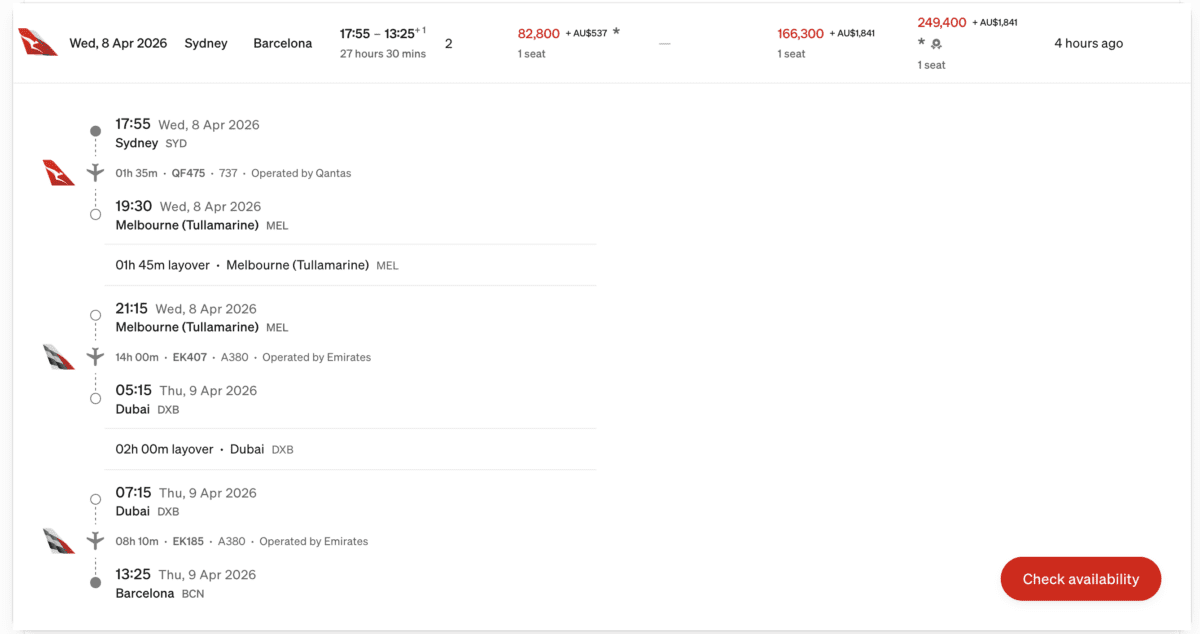
While the new tool is a significant leap forward, it operates with certain technical caveats. The search interface functions as an "indicator" tool rather than a live, real-time booking engine for the initial search phase. Results displayed in the regional overview are often cached, with a timestamp indicating how recently the availability was verified. In some instances, the data may be 15 to 18 hours old.
To mitigate the risk of "phantom availability"—where a seat appears to be available but has already been booked—Qantas has implemented a "Check Availability" verification step. Once a user selects a specific flight from the regional results, the system performs a live query of the inventory. If the seat is still available, the user is then redirected to the standard rewards booking engine to finalize the transaction. This two-step process is a common architectural choice in the airline industry to prevent high-volume search queries from overwhelming the core reservation systems (such as Amadeus or Sabre).
Broader Impact on the Frequent Flyer Ecosystem
The introduction of this tool has immediate implications for the third-party ecosystem that has grown around Qantas. Subscription-based services that offer "award alerts" may find their value proposition diminished for the average user, although they likely remain essential for "power users" seeking instant notifications for First Class seat releases.
Furthermore, the tool encourages a shift in traveler behavior. By showing that a Business Class seat is available to London via Perth or Hong Kong rather than the direct Sydney-London route, Qantas is nudging travelers to accept less convenient routings or "repositioning" flights. This helps the airline fill reward seats on less popular transit routes while keeping the most direct flights available for high-revenue cash bookings.
Industry Analysis: Supply vs. Discoverability
Market analysts suggest that while Qantas deserves credit for improving the transparency of its program, the move does not address the fundamental tension of the loyalty business model: the "points inflation" caused by the massive influx of points earned through credit card spend and supermarket partnerships. With more points in circulation than ever before, the demand for premium seats far outstrips the supply the airline is willing to release.
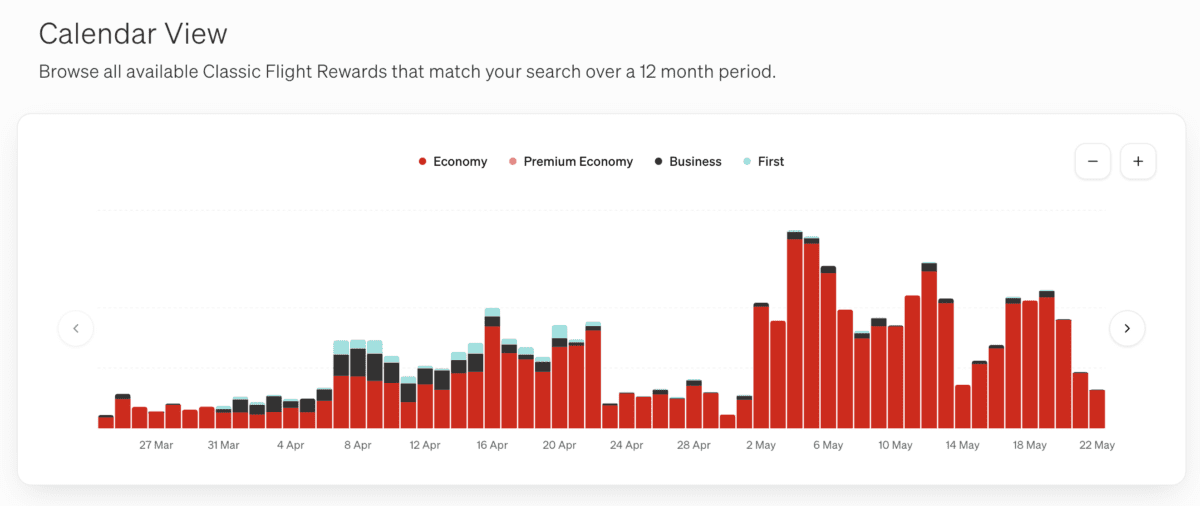
"The hunger games of reward seats are not over," says one loyalty industry consultant. "The new tool simply gives everyone better binoculars to see the prize. It doesn’t put more prizes on the table."
There is also the consideration of "Project Sunrise"—Qantas’ upcoming non-stop flights from Sydney and Melbourne to London and New York. These ultra-long-haul flights are expected to have very limited Classic Reward availability in premium cabins due to the high demand for commercial seats. The new search tool will likely make this scarcity even more apparent to the general public, as the 12-month graphs will likely show consistent zeros for those specific high-demand routes.
Conclusion and Future Outlook
The new Qantas Classic Reward search tool is a rare example of a technical update that prioritizes user utility over immediate revenue generation. By consolidating partner data and providing a long-term view of inventory, Qantas has removed a significant layer of friction from the redemption process. However, the airline continues to walk a tightrope between satisfying its millions of members and protecting its commercial margins.
For the frequent flyer, the advice remains the same: flexibility is the ultimate currency. The new tool makes it easier to be flexible by presenting alternatives that a user might not have considered. As Qantas continues to refine the interface and potentially integrate more Oneworld partners, the "search nightmare" of the past may be ending, even if the competition for the seats themselves is only just beginning. The success of this tool will ultimately be measured not by how many people use it, but by whether it improves the overall sentiment of a membership base that has grown increasingly weary of the complexities of the points economy.




 Anjar Salim
 Chandra Hamzah


 Tatiana Tantri Indah Sari